
I have spent years stocking my fridge with Greek yogurt, hunting for the perfect balance of taste, texture, nutrition, and value.
When it comes to Chobani and Oikos, I keep going back and forth depending on my goals that week.
In this piece, I share my real-user experience comparing the two so you can decide which one fits your routine better. I cover everything from daily snacking to post-workout recovery and family breakfasts.
| Feature | Chobani | Oikos |
| Protein (typical serving) | 12-20g (higher in Pro line) | 15-20g (strong in Triple Zero/Pro) |
| Calories (plain/nonfat) | ~100-140 | ~80-140 |
| Sugar (flavored) | Varies, zero sugar options available | Often lower added sugar, Triple Zero has 0g added |
| Taste & Texture | Creamier, milder, fruit-forward | Tangier, thicker, clean finish |
| Price (per cup approx.) | Slightly higher for premium lines | Competitive, good value in Pro |
| Key Standouts | Flavor variety, Zero Sugar, Less Sugar | High protein density, Triple Zero formula |
| Best For | Everyday enjoyment, variety seekers | Macro trackers, low-sugar fans |
Key Differences Between Chobani And Oikos
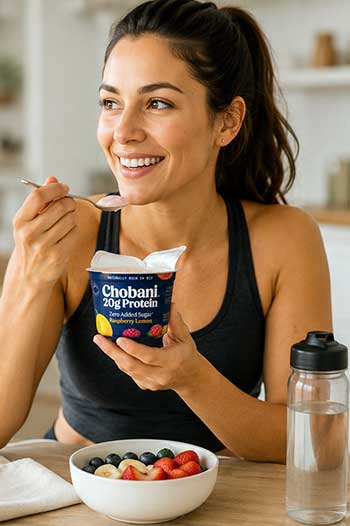
- Protein Delivery and Satiety I notice Oikos Pro and Triple Zero often edge out with consistent high protein per ounce, making them feel more filling after a quick cup. Chobani’s high-protein options hit 20g too, but I find their standard cups sit around 12-15g. Both keep me full longer than regular yogurt, but Oikos feels engineered for performance days when I lift weights or run.
- Sugar Handling and Sweetness Chobani offers creative Zero Sugar and Less Sugar lines that use fermentation or natural sweeteners without artificial junk. I appreciate that when I want something that tastes like dessert but won’t spike my energy. Oikos Triple Zero shines with zero added sugar and relies on the natural tartness plus minimal sweeteners. If you hate overly sweet yogurts, Oikos wins here for me on most days.
- Texture and Mouthfeel Chobani tends to be smoother and creamier right out of the fridge. I love spooning it straight or mixing with berries because it feels indulgent. Oikos gives that classic thick, almost Greek-strained density that some people describe as chunkier. I enjoy both, but Oikos texture holds up better in smoothies without getting watery.
- Flavor Options and Variety Chobani floods the shelves with fun flips, fruit blends, and seasonal tastes that make breakfast exciting for my kids and me. Oikos keeps it simpler and cleaner, focusing on core flavors that let the yogurt itself shine. When I crave adventure, I reach for Chobani; when I want reliable plain or vanilla, Oikos delivers.
- Ingredient Simplicity Both brands avoid major artificial additives in their better lines, but Chobani emphasizes no rBGH and natural ingredients heavily in marketing. Oikos focuses on the straining process and live cultures. I read labels closely and find both respectable, though personal preference on specific thickeners or fruit purees can tip the scale.
- Availability and Shelf Presence In my local stores, Chobani dominates with bigger displays and multipacks. Oikos is easy to find too, especially the Pro line near protein-focused products. Neither leaves me hunting for long.
Key Features of Chobani Greek Yogurt

- Wide range of indulgent yet healthier options like Zero Sugar that still taste great, using processes that reduce lactose naturally while preserving creaminess.
- Creamy consistency that works wonderfully in parfaits, overnight oats, or as a sour cream swap in recipes, blending smoothly without separating.
- Strong probiotic profile with live active cultures that I believe help my digestion when I eat it regularly, supporting overall gut comfort.
- Calcium and other minerals for bone support, plus vitamin D in many flavored cups that add an extra layer of daily nutrition.
- High-protein versions that deliver 20g and feel substantial as a meal replacement, especially useful on busy days.
- Fun packaging and flavor innovation that keeps the whole family engaged instead of bored with plain options, including seasonal and limited editions.
- Lactose-free choices in some lines, which matters when I share with sensitive stomachs or want easier digestibility.
- Good source of complete protein from milk, supporting muscle repair after activity and helping maintain steady energy.
- Versatile for both sweet and savory uses in my kitchen experiments, from baking to savory dips.
- Options across fat levels (0%, 2%, whole milk) to match different dietary preferences or calorie needs at various times.
- Emphasis on real fruit in many blends that provides natural flavors without heavy reliance on extracts alone.
- Convenient single-serve and larger tub formats that suit both grab-and-go and meal-prep lifestyles.
I keep coming back to Chobani because it never feels like a compromise on enjoyment. The brand makes healthy eating approachable and even a little exciting.
Pros of Chobani
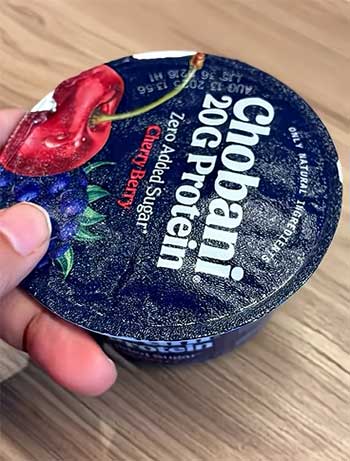
- Outstanding taste variety keeps me motivated to eat yogurt daily rather than forcing it, with options ranging from subtle vanilla to bold fruit combinations.
- Creamy texture appeals to kids and adults who dislike overly tart options, making it easier to incorporate into family meals.
- Innovative lines like Flip and Zero Sugar add excitement without derailing nutrition, turning snacks into mini treats.
- Widely available and often on sale, making it practical for families and large households.
- Good calcium content supports long-term bone health, especially important as I get older.
- Probiotic benefits I notice in better digestion and fewer bloating issues during regular consumption.
- High-protein options provide satiety that curbs afternoon snacking and supports active lifestyles.
- Natural ingredient emphasis builds trust for everyday use, with many products free from artificial growth hormones.
- Versatile across recipes from smoothies to baking, adding moisture and tang without overpowering other ingredients.
- Engaging flavors encourage trying new combinations with nuts, seeds, or fruit, preventing dietary boredom.
- Strong brand presence means consistent quality control I can count on across different batches and stores.
- Options for different fat levels to match my current preferences, whether cutting or maintaining.
- Appeals to a broad audience with mild sweetness that doesn’t overpower natural dairy notes.
- Convenient formats including drinkable options and larger sharing sizes for gatherings.
- Positive impact on meal prep routines, as it pairs well with both fresh and frozen add-ins.
Cons of Chobani
- Some flavored varieties can edge higher in sugar if you don’t choose the Zero or Less Sugar lines carefully, requiring label checks.
- Premium positioning sometimes means higher price per serving compared to store brands or basic options.
- Occasional reports of texture variability across batches that I’ve experienced myself on rare occasions.
- Broader flavor range means more temptation to pick sweeter cups that might not align with strict plans.
- Larger company scale leads to occasional public controversies or boycotts that some people care about and factor into decisions.
- Certain fruit blends contain added thickeners that purists might question even if they are common in the category.
- Higher calorie options exist if you’re not mindful of labels, especially in whole milk or dessert-inspired varieties.
- Can feel less “pure” to strict macro counters versus plainer competitors in direct side-by-side taste tests.
- Fruit pieces in some cups may settle, requiring stirring that affects convenience on rushed mornings.
- Stronger marketing presence sometimes raises expectations that individual cups occasionally don’t fully meet.
Key Features of Oikos Greek Yogurt
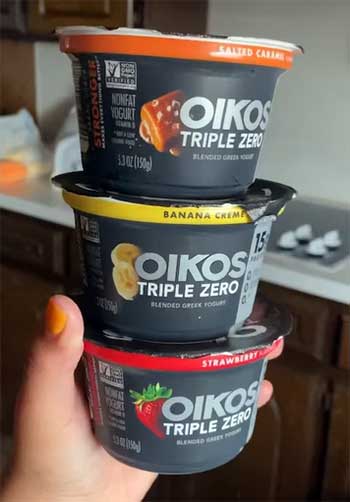
- Exceptional protein density, especially in Pro and Triple Zero lines that help me hit daily targets without extra shakes or supplements.
- Zero added sugar formulas that align perfectly with low-carb or blood sugar-conscious eating while maintaining satisfying flavor.
- Thick, authentic Greek strained texture that feels more substantial and holds toppings well without sinking.
- Lower calorie options that still pack flavor and nutrients, making them suitable for calorie-controlled plans.
- Reliable live cultures for gut health support that contribute to better regularity and reduced discomfort.
- Clean label focus in many products with minimal processing feel and straightforward ingredient lists.
- Vitamin D fortification in flavored varieties for overall wellness and better absorption of calcium.
- Excellent value in larger tubs or multipacks for budget-conscious high-protein diets without sacrificing quality.
- Consistent performance across plain and lightly flavored options that work seamlessly in various recipes.
- Lower overall sodium in several varieties compared to some other brands, appealing for heart-health aware routines.
- High concentration of whey and casein proteins that provide both quick and sustained release benefits.
- Focus on nonfat bases in many lines that deliver creaminess through straining rather than added fats.
Oikos became my go-to during stricter training phases because the macros line up so cleanly with my goals.
Pros of Oikos
- Superior high-protein density helps with muscle building and staying full longer, ideal for fitness enthusiasts.
- Triple Zero line offers zero added sugar while maintaining decent taste through careful formulation.
- Thick, satisfying texture that feels more substantial and mimics traditional Greek methods.
- Clean macros ideal for tracking calories, carbs, and protein with precision.
- Competitive pricing on core high-protein products that offers strong value for performance nutrition.
- Strong focus on gut-friendly cultures that many users report noticing benefits from over time.
- Lower sodium in many cups compared to some rivals, supporting balanced electrolyte intake.
- Reliable for post-workout recovery without extra additives getting in the way.
- Good calcium and nutrient profile for daily wellness that complements other healthy habits.
- Simpler flavor profiles let natural yogurt tang come through, appealing to those who enjoy authentic taste.
- Performs well in both standalone eating and mixed recipes like bowls or baked goods.
- Appeals to health-focused consumers seeking performance nutrition without unnecessary extras.
- Consistent quality across stores I shop at, reducing disappointment from batch variations.
- Efficient portion sizes that align well with common macro targets in fitness communities.
- Good shelf stability and availability in refrigerated sections near other protein-rich foods.
Also Read: Is Joyburst Protein Coffee Actually Healthy?
Cons of Oikos
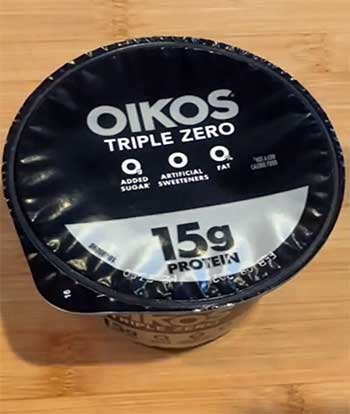
- Tangier taste can be off-putting if you prefer milder yogurts, sometimes needing mix-ins to balance.
- Fewer exciting flavor innovations compared to Chobani’s creative lineup, which can feel limiting long-term.
- Texture sometimes described as grainier or chunkier by people who favor ultra-smooth experiences.
- Limited dessert-like options for those wanting occasional indulgence beyond basic flavors.
- High-protein lines may use whey concentrates that some avoid for personal dietary reasons.
- Less widespread fun packaging or kid-friendly appeal that makes it harder for family buy-in.
- Can feel repetitive if you stick to core flavors long-term without much rotation.
- Availability of specific Pro or Triple Zero varieties varies by store location and stock levels.
- Stronger tartness requires mix-ins for some eaters to enjoy daily, adding a step.
- Fewer whole milk or higher-fat options if you prefer richer mouthfeel over lean profiles.
I weigh these pros and cons every grocery trip. Some weeks Oikos wins for its macro precision. Other weeks Chobani wins because life is too short for boring food.
- My Personal Experience Switching Between Them
I started with Chobani years ago because the flavors hooked me immediately. Vanilla bean became my morning staple mixed with berries and a sprinkle of granola. The creaminess made healthy eating feel luxurious.
Over time, as I tracked macros more seriously for fitness, I tried Oikos Pro and noticed faster recovery and steadier energy. Now I rotate based on needs.
Post-workout?
Oikos. Family breakfast or snack? Chobani. Both brands deliver solid Greek yogurt benefits like probiotics, protein, and calcium. The choice often comes down to mood, goals, and what’s on sale.
- How I Use Them in Real Life?
In smoothies, Chobani’s smoothness blends seamlessly. For dips or savory applications, Oikos thickness holds up better. Both work great as bases for overnight oats.
I appreciate that neither requires much prep. Grab a cup, add toppings, and I have a balanced snack ready in seconds. For weight management, the high protein in both helps me avoid cravings. For gut health, the live cultures make regular consumption worthwhile.
- Choosing Based on Your Lifestyle
If you prioritize taste adventure and family appeal, lean toward Chobani. If you track nutrients closely and want maximum protein efficiency with minimal sugar, Oikos fits better. Many people, myself included, enjoy both depending on the day.
Experiment with a few cups of each and note how you feel after eating them. Energy levels, digestion, and satisfaction matter more than brand loyalty.
Also Read: Is Built Protein Bar Actually Healthy?
Frequently Asked Questions (FAQ)
Both offer healthy options, but Oikos Triple Zero or Pro often edges out for lower sugar and higher consistent protein.
Yes, especially the high-protein and Triple Zero varieties with good macros, probiotics, and minimal additives.
Some people cite recent partnerships or past company decisions as reasons, though many continue buying for taste and quality.
Yes, particularly the Zero Sugar and plain options high in protein, with probiotics and calcium when chosen mindfully.
Wrapping Up
After comparing Chobani and Oikos side by side for so long, I see clear strengths in each. You get reliable Greek yogurt nutrition from both, but the experience differs enough that trying them both makes sense.
I encourage you to grab one of each next time you shop and decide for yourself what fits your palate and priorities. Whether you choose Chobani for its creamy enjoyment or Oikos for its performance edge, you are making a solid choice for your health.
Keep listening to your body and adjust as needed. What works best for me might differ for you, and that is perfectly okay.