
I have spent years navigating the dairy aisle, grabbing tubs of Greek yogurt for quick breakfasts, post-workout snacks, and even as a base for sauces or dips.
Both Chobani and Fage stand out as popular choices, but they deliver different experiences in taste, texture, ingredients, and overall value.
In this article, I share my honest take on how they compare so you can decide which one aligns with your needs and preferences.
| Aspect | Chobani (Nonfat Plain, ~5.3oz) | Fage Total (0% or 5%, ~5.3oz) |
| Calories | ~80-100 | ~80-140 |
| Protein | 14-18g | 14-18g |
| Sugar (natural) | ~5-7g | ~5g |
| Ingredients | Milk, cultures, sometimes thickeners/gums | Milk & cultures only |
| Texture | Creamy, slightly grainy | Ultra-thick, rich |
| Price (approx) | More affordable | Premium |
| Best For | Everyday versatility, flavors | Pure taste, cooking |
Key Differences Between Chobani And Fage Greek Yogurt

- Texture and Mouthfeel: Chobani offers a creamy consistency that feels light yet satisfying, with a mild graininess in some nonfat versions that adds a bit of character without being off-putting. It spoons up easily without much effort, making it great for hurried mornings or mixing into bowls. Fage brings an incredibly thick, strained quality that holds its shape better, almost like a soft cheese in the best way. If you enjoy something that feels substantial on the tongue and provides that satisfying resistance with each bite, Fage often wins here for a more premium eating experience.
- Flavor Profile: Chobani tends toward a balanced, mild tang with subtle citrus notes that make it versatile for flavored varieties and prevent it from overpowering other ingredients in recipes. Fage delivers a bolder, more authentic tartness—richer and sometimes described as punchier or milkier, especially in the higher-fat options. Plain Fage shines when you want the yogurt to stand out as the star of the show rather than just a supporting player.
- Ingredient Simplicity: Fage sticks to just milk and live cultures across many lines, keeping things minimal and close to traditional methods. Chobani uses natural ingredients too but may include thickeners like pectin or locust bean gum in flavored options for better consistency and shelf life. Both avoid artificial stuff in their core lines, but Fage edges out for purists who scan labels closely for the shortest lists possible.
- Protein and Nutrition Density: Both pack serious protein, often 14-18g per serving, making them excellent for satiety and supporting active lifestyles. Chobani sometimes highlights higher calcium in certain comparisons, offering good support for bone health. Fage maintains strong numbers with fewer additives, resulting in a more concentrated feel. Calorie-wise, nonfat versions stay close, but Fage’s full-fat feels more indulgent without straying far from healthy territory.
- Availability and Pricing: Chobani appears more widely stocked in grocery stores across the country and often costs less per tub, which adds up nicely for families or daily users looking to keep expenses in check. Fage positions itself as premium, with a slight price bump that reflects its traditional straining process and simpler recipe, appealing to those willing to invest in quality.
- Probiotic Content and Gut Support: Both include live active cultures like L. Bulgaricus, S. Thermophilus, and others that contribute to digestive wellness. I notice similar benefits in digestion over time, but individual responses vary based on how your body handles the base milk and any minor formulation differences.
- Flavor Variety Options: Chobani excels with creative blends, flips, and zero-sugar lines that keep things exciting without huge sugar spikes, perfect for satisfying sweet cravings healthily. Fage keeps flavors straightforward, letting the base yogurt quality shine through when you add your own fruit or honey, which gives more control over the final taste.
- Sustainability and Sourcing: Both emphasize quality milk from non-GMO or responsibly raised sources. Chobani has built a big U.S. presence with local milk focus that supports domestic farmers. Fage draws from its Greek heritage for authenticity while maintaining high standards in production.
These differences shape how each fits into daily life, whether you’re meal-prepping for the week or seeking a quick, satisfying bite after a long day.
Key Features of Chobani Greek Yogurt

- Creamy texture that works well for beginners or those who prefer less intensity, allowing it to blend seamlessly into various meals without dominating the dish.
- Wide range of flavors, from classic vanilla to innovative combinations that feel fun and dessert-like while still providing nutritional benefits.
- Strong protein punch in most servings, supporting muscle recovery and helping you stay full longer between meals.
- Often more budget-friendly, allowing regular purchases without stretching the grocery budget and making it practical for larger households.
- Good calcium levels that contribute to bone health alongside the protein, rounding out its nutritional profile nicely.
- Versatile for cooking—mixes smoothly into dips, marinades, or baked goods, adding moisture and tang without extra effort.
- Non-GMO ingredients and no rBST in many lines, appealing to conscious shoppers who care about how their food is produced.
- Zero-sugar and less-sugar options that use natural sweeteners for lower-carb lifestyles without compromising on taste or satisfaction.
- Easy-to-find in most stores, with single-serve cups perfect for on-the-go snacks during busy workdays or travel.
- Live cultures that support gut health, plus options like lactose-free for sensitive stomachs, broadening its appeal to different dietary needs.
I appreciate how Chobani makes Greek yogurt accessible and exciting for busy days when I need something quick yet nutritious.
Pros of Chobani
- Affordability and Value: You get solid nutrition without paying a premium, making it ideal for stocking up and maintaining consistency in your healthy habits.
- Flavor Innovation: The variety keeps things interesting—I never get bored rotating through options, which helps sustain long-term enjoyment.
- Convenience: Widely available and comes in user-friendly packaging for lunches or snacks, fitting easily into hectic schedules.
- Versatility in Recipes: Blends seamlessly into smoothies, salad dressings, or even as a cream cheese alternative, expanding its usefulness beyond snacking.
- Protein Accessibility: High protein at a price point that encourages consistent intake for fitness goals and daily energy needs.
- Family-Friendly Options: Milder taste appeals to kids and adults alike when flavored, making it easier to incorporate into family meals.
- Health-Focused Lines: Zero sugar and high-protein variants cater to specific dietary needs without sacrificing taste or convenience.
- Local Sourcing: Supports U.S. dairy farmers, which resonates with me as someone who values community impact and domestic production.
- Texture Balance: Creamy enough for everyday enjoyment without feeling too heavy or overwhelming on the palate.
- Probiotic Benefits: Helps with digestion, and the cultures remain active for gut support, contributing to overall wellness over time.
Chobani shines when I want reliable performance at a good price.
Cons of Chobani
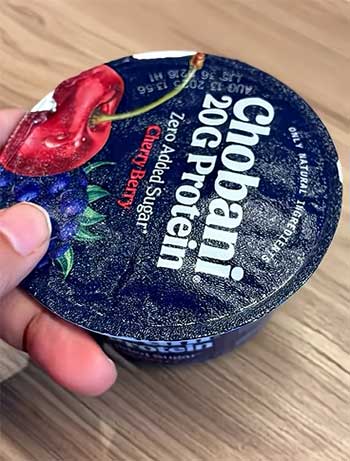
- Some flavored versions include thickeners that purists might avoid, adding minor ingredients that stricter clean-eaters prefer to skip.
- Texture can feel slightly less dense compared to traditional strained styles, which might not satisfy those craving maximum thickness.
- Occasional reports of graininess in nonfat plain, depending on batch or personal sensitivity to texture variations.
- Flavors may lean sweeter or milder, which doesn’t suit everyone seeking a bold, traditional tang in their yogurt.
- Past controversies, including boycotts related to partnerships or business decisions, have affected public perception for some shoppers.
- Higher variety means more choices but also potential for added sugars in non-plain lines if not checked carefully.
- May not deliver the same “authentic” Greek experience for traditionalists who prioritize heritage methods.
- Some users note it doesn’t hold up as well in certain high-heat cooking applications compared to thicker alternatives.
I have experienced moments where the additives in flavored tubs felt unnecessary, pushing me toward plain options or other brands.
Key Features of Fage Greek Yogurt
- Exceptionally thick and creamy consistency that many describe as superior for plain eating, providing a luxurious feel with every spoonful.
- Minimalist ingredients—often just milk and cultures—for a clean, authentic taste that highlights the natural qualities of the yogurt.
- Richer mouthfeel, especially in 2% or 5% varieties, that feels indulgent yet still healthy and aligned with balanced eating.
- Bold, tangy flavor that pairs beautifully with simple toppings like olive oil, nuts, or fresh fruit, elevating basic snacks into something memorable.
- High protein content that holds up well in recipes requiring structure, like tzatziki or cheesecake, delivering reliable results.
- Traditional straining method that results in less whey and more concentration of nutrients, creating a denser product.
- Gluten-free, kosher, and vegetarian-friendly across lines, making it suitable for various dietary preferences and restrictions.
- Strong probiotic profile from live active cultures passed down through generations, supporting overall digestive balance.
- Excellent for those who prioritize purity and avoid additives entirely, offering peace of mind with every serving.
- Versatile fat options (0%, 2%, 5%) to match different dietary preferences or calorie needs throughout the week.
Fage feels like a premium staple that elevates simple meals into something special with minimal preparation.
Also Read: My Experience With That’s It Fruit Bars.
Pros of Fage

- Purity and Simplicity: Minimal ingredients let the natural flavors and nutrition stand out clearly, appealing to those who read every label.
- Superior Thickness: The strained texture feels luxurious and satisfying in every spoonful, creating a more substantial eating experience.
- Authentic Taste: Bold tang that reminds me of traditional Greek yogurt experiences, delivering depth and character.
- Recipe Performance: Excels in savory applications and holds structure beautifully, leading to better results in homemade dishes.
- Nutrient Density: Concentrated protein and calcium with fewer extras, maximizing benefits per bite.
- Fat Flexibility: Options from nonfat to full-fat allow customization based on daily calorie goals or preferences.
- Clean Label Appeal: No gums or stabilizers in core products, offering reassurance for clean eating approaches.
- Proven Heritage: Long-standing reputation built on quality and tradition that builds trust over repeated purchases.
- Scoopable Indulgence: Feels decadent even in plain form, encouraging mindful eating and appreciation of simple foods.
- Digestive Support: Live cultures in a simple base that many tolerate well, supporting regular wellness routines.
Fage consistently impresses me when I crave quality over convenience.
Cons of Fage
- Higher price point that adds up for frequent buyers or larger households, potentially limiting how often you reach for it.
- Limited flavor variety compared to competitors—relies more on add-ins, which requires extra effort for customization.
- Very thick texture might feel too chunky or intense for some preferences, especially if you like lighter yogurts.
- Less widely stocked in all stores, requiring a bit more hunting or planning ahead for purchases.
- Stronger tang can be polarizing if you prefer milder yogurt that blends unnoticed into recipes.
- Fewer single-serve innovations or specialty lines, which can feel restrictive for on-the-go needs.
- Premium positioning means it competes directly on quality rather than volume deals or frequent promotions.
- Can separate more noticeably if not stirred properly, though this is minor with good storage habits.
The cost has made me pause during tight budget months, even though I enjoy the product immensely.
Which One Should You Choose?
After trying both extensively, I lean on Chobani for everyday convenience, variety, and value, while turning to Fage when I want that pure, thick experience or for specific recipes.
You might prefer one over the other based on your priorities—budget, taste intensity, or ingredient minimalism. Experiment with both to see what fits your lifestyle best.
Also Read: My Experience With Stars And Honey Protein Bars.
Frequently Asked Questions (FAQ)
Both Chobani and Fage rank highly due to high protein and live cultures. Fage often edges out for its minimal ingredients, while Chobani offers strong options in zero-sugar lines. Choose based on your specific nutritional goals.
Many praise Fage for its ultra-thick texture, simple ingredients, and rich authentic flavor that feels premium and traditional.
Some boycotts stem from business partnerships or political associations, though opinions vary widely and many continue enjoying the brand for its quality and accessibility.
It depends on you. Chobani suits versatile, budget-friendly use; Fage excels in purity and texture. Test both to decide.
Final Thoughts
In the end, I encourage you to grab a couple tubs of each next time you shop and compare them yourself. You will likely find one that becomes your go-to, or maybe alternate based on the occasion.
Greek yogurt remains one of the smartest, most satisfying choices for a protein boost, and both brands contribute positively to that. What matters most is finding the option that keeps you consistent and happy with your choices.