
After pricing materials, checking local availability, and talking with installers for my own property, the same two options kept rising to the top.
Cedar and redwood both deliver natural resistance to weather and pests without heavy chemical treatment.
This comparison focuses on how each performs in real yards for longevity, upkeep, cost, and look so the choice becomes clear before you order boards.
| Aspect | Cedar | Redwood |
| Typical lifespan | 15–25 years with basic care | 20–30 years in favorable conditions |
| Relative cost | Moderate, widely available | Higher, often premium pricing |
| Color and grain | Warm tan to reddish, straight grain | Rich reddish-brown, fine grain |
| Weight | Lighter, easier to handle | Denser, heavier boards |
| Natural resistance | Strong oils resist rot and insects | Excellent heartwood protection |
| Maintenance needs | Occasional oil or stain | Similar, benefits from sealing |
| Best climate fit | Versatile across regions | Excels in mild, dry areas |
| Workability | Soft, simple to cut and nail | Slightly harder but stable |
Key Differences Between Cedar and Redwood Fence
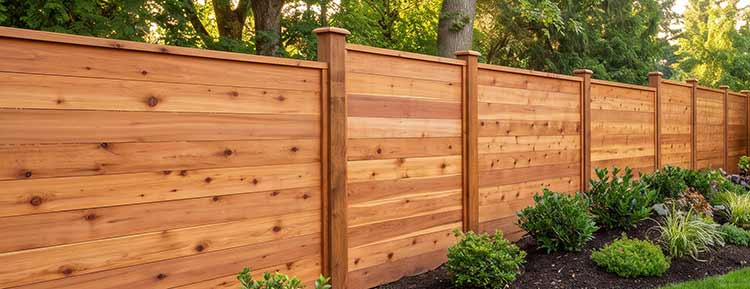
- Natural oils and extractives
Cedar carries thujaplicins and other compounds concentrated in the heartwood that actively repel fungi and insects. Redwood relies on tannins and related extractives that perform a similar role, particularly in the deeper red heartwood.
When I examined cut ends on older fences, the cedar often showed a clearer boundary between durable heartwood and softer sapwood. Redwood heartwood tends to be more uniform across the board when properly graded.
- Dimensional stability
Cedar expands and contracts less dramatically with humidity swings in many climates I have observed. Redwood can be slightly more prone to checking if it dries too quickly after installation.
Both woods move less than most softwoods, which is why they remain popular for fences that must stay straight without constant adjustment.
- Color retention and weathering pattern
Left unfinished, cedar typically shifts toward gray within a year or two. Redwood fades more slowly and often retains warmer undertones longer.
Homeowners who want the original hue to last usually apply a UV-protective finish to either species; without it, both will eventually silver. The pattern of weathering is more even on well-milled redwood boards in my observation.
- Availability and grade consistency
Cedar appears in more retail yards across wider regions, making it easier to match lengths and grades on short notice.
Redwood is more regional and frequently sold in higher clear grades, which raises the price but reduces the number of knots you have to work around.
I have seen projects delayed simply because the preferred redwood grade was back-ordered while cedar was already on the truck.
- Response to fasteners and hardware
Both woods accept nails and screws well, yet redwood’s density means pre-drilling is more often advisable near board ends.
Cedar’s softer fibers sometimes allow screws to sink cleanly without pilot holes. Over time, both can loosen if the fence experiences heavy wind load, so proper post spacing and hardware still matter more than the species alone.
Key Features of Cedar Fence Boards
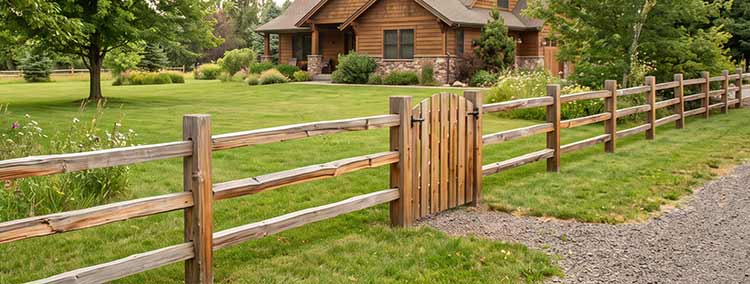
- Lightweight handling: A standard 6-foot cedar picket weighs noticeably less than its redwood counterpart. That difference compounds when you are carrying bundles across a yard or lifting rails into place. Installers I have worked with consistently prefer cedar for speed on larger runs.
- Straight grain and easy cutting: Most fence-grade cedar shows a consistent grain that follows the length of the board. Circular saws and jigsaws cut it cleanly with minimal tear-out. The softness also lets you countersink screws without excessive force, which keeps the face of the board looking neat.
- Natural insect and rot resistance: The same oils that give cedar its scent also create an unfriendly environment for carpenter ants and many wood-boring insects. In damp climates I have monitored, cedar boards that stay off the ground continue to look solid after 15 years with only occasional surface cleaning.
- Accepts stain and oil evenly: Cedar takes transparent and semi-transparent finishes without blotching as readily as some denser woods. A single coat of penetrating oil often restores color and adds a thin protective layer. I have reapplied oil to cedar fences every two to three years with predictable results.
- Versatile board profiles: Retailers stock cedar in dog-ear, flat-top, and shadowbox patterns with little lead time. The wood mills cleanly into these shapes, so the finished fence line stays consistent even when boards come from different bundles.
Pros of Choosing Cedar
- Lower material cost in most markets lets you cover more linear feet within the same budget.
- Easier handling reduces labor time and physical strain during installation.
- Widely available grades mean fewer substitutions or delays.
- Strong natural resistance covers typical residential conditions without extra chemical treatment.
- Accepts a broad range of finishes, so you can adjust the look later without stripping old coatings.
- Lighter weight puts less stress on posts and hardware over time.
- Performs reliably in both wet and dry climates when boards stay elevated.
- Replacement boards are usually easy to source years after the original installation.
Cons of Choosing Cedar
- Unfinished cedar grays faster than redwood, which some owners find less attractive.
- Softer surface can show dents or scratches more readily if the fence faces heavy traffic or equipment.
- Sapwood portions, when present, decay sooner than the heartwood and may require earlier replacement.
- In extremely humid or coastal settings, surface mold can appear if airflow is restricted.
- Lower density means the fence can feel slightly less substantial when leaned against.
- Color variation between boards is more noticeable before finishing.
- Frequent oiling is still needed if you want to maintain the original warm tone.
Also Read: Is Petootsy Wireless Dog Fence Worth Your Money?
Key Features of Redwood Fence Boards
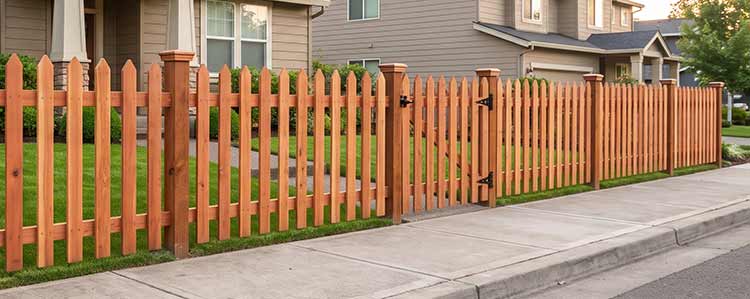
- Dense heartwood protection: Clear redwood heartwood contains a high concentration of protective compounds throughout the usable portion of the board. When boards are properly graded, the sapwood is minimized, leaving mostly durable material. Older redwood fences I have inspected often show less surface checking in the heartwood areas than mixed-grade cedar of the same age.
- Rich, stable color: Fresh redwood displays a distinctive reddish-brown tone that many homeowners specifically request. Even after weathering begins, the underlying color remains warmer than cedar’s silvering pattern. A quality UV finish can keep that tone visible for several additional seasons.
- Tight grain and smooth surface: High-grade redwood often presents a fine, even grain that feels smooth to the touch once installed. The density contributes to a solid sound when the fence is struck, which some owners interpret as higher quality. Sanding between finish coats produces a refined surface if a painted or heavily stained look is desired.
- Resistance to warping under load: Properly dried redwood holds its shape well once fastened. I have seen long runs of redwood pickets stay plumb through seasonal temperature swings with minimal adjustment. The weight of the boards themselves adds a small amount of stability once the structure is complete.
- Premium visual impact: When neighbors walk past a finished redwood fence, the color and grain often draw comments. The material photographs well and holds its appearance longer in direct sun when sealed. For properties where curb appeal is a priority, the initial impression is difficult to match with lower-cost woods.
Pros of Choosing Redwood
- Longer potential service life in well-drained, moderate climates.
- Distinctive color and grain create an upscale appearance from the start.
- Dense heartwood resists checking and surface erosion better in many observations.
- Holds finishes longer between reapplications when a quality sealer is used.
- Stable dimensions reduce the chance of gaps opening between pickets.
- Premium grades minimize knots and defects, producing cleaner lines.
- Adds measurable curb appeal that can influence property perception.
- Performs especially well where dry heat is the dominant weather pattern.
Cons of Choosing Redwood
- Higher purchase price can push a project over budget on longer fence lines.
- Heavier boards increase labor effort and may require extra help.
- Regional availability sometimes limits choices or extends lead times.
- Improperly dried stock can still check or cup if installed in extreme humidity swings.
- Premium grading raises cost further if clear, knot-free boards are specified.
- In very wet climates, the advantage over cedar narrows unless drainage is excellent.
- Replacement matching years later can be more difficult if the original mill run is discontinued.
How Each Wood Behaves in Everyday Use?
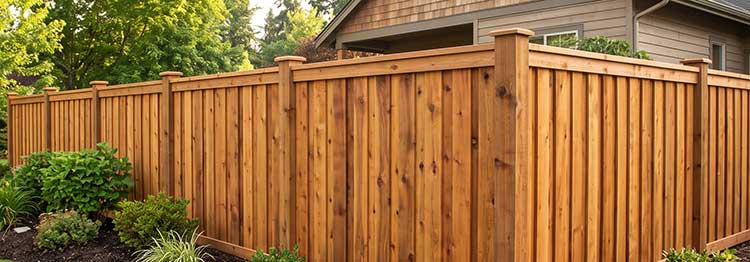
I have walked job sites where both materials sat side by side in the same weather. The differences show up after the first couple of seasons rather than on day one.
Cedar boards often arrive with a lighter, more varied tone that settles into a soft silver-gray if left unfinished. Redwood holds its deeper color longer before it weathers.
Both woods contain natural compounds that discourage decay, yet the concentration and distribution differ enough to affect long-term performance.
In my experience, cedar feels more forgiving during installation. The lighter weight means fewer sore shoulders by the end of a long day of setting posts and rails.
Redwood’s density gives it a solid, premium feel once the fence is up, but it requires more care with fasteners to avoid splitting near the ends.
Practical Considerations for Installation and Upkeep
Both woods benefit from the same basic construction practices. Posts should be set below the frost line or in concrete where local codes require it, and the bottom of every picket needs at least a few inches of clearance from soil.
I have watched otherwise sound cedar and redwood boards fail early simply because they stayed in constant contact with wet ground.
Sealing or oiling extends the period before surface weathering becomes pronounced. A penetrating oil with UV inhibitors works on either species and can be reapplied with a pump sprayer or brush.
Pressure washing at low pressure removes surface dirt without raising the grain excessively. Avoid harsh chemicals that strip the natural oils; mild detergent and water are usually sufficient.
In coastal or high-humidity areas, airflow between the fence and any solid wall or dense planting matters. Restricted air movement lets moisture linger and reduces the natural advantage both woods possess.
Regular visual checks for loose fasteners or minor cracks let you address small issues before they spread.
Also Read: Is Home Depot For Fence Installation Worth Your Money?
Frequently Asked Questions (FAQ)
Redwood often reaches 20–30 years in favorable conditions while cedar commonly lasts 15–25 years with similar care.
No, redwood typically costs more per board than cedar in most markets.
A well-built redwood fence commonly lasts 20–30 years when boards stay off the ground and receive occasional sealing.
Redwood shows a deeper reddish-brown color and denser feel; cedar is usually lighter, more varied in tone, and softer to the touch.
Wrapping Up
I have recommended both woods depending on the specific yard, budget, and how long the owner plans to stay in the house. If you want reliable performance at a moderate price and value easy installation, cedar covers most residential needs without compromise.
If you prioritize a richer color, maximum potential lifespan, and are willing to pay the premium, redwood delivers a fence that still looks intentional years later. Measure your linear footage, check current local pricing, and factor in how much time you want to spend on upkeep.
Either choice beats untreated lumber, and the right one simply matches the conditions you actually have.