
I have tested both cedar and hardwood mulch across multiple seasons in my own beds and paths.
You need clear information on how each one performs so you can match the material to your plants, climate, and maintenance style.
This article lays out the real differences, features, benefits, and drawbacks so you can decide with confidence.
| Aspect | Cedar Mulch | Hardwood Mulch |
| Source | Shredded or chipped cedar wood | Mixed hardwoods such as oak and maple |
| Color and Look | Light reddish-brown, uniform | Medium to dark brown, varied tones |
| Scent | Strong, pleasant aromatic | Mild, earthy or almost none |
| Decomposition Speed | Slow, lasts 2–4 seasons | Faster, often 1–2 seasons |
| Pest Resistance | Natural oils discourage many insects | Neutral; can host beneficial or neutral fungi |
| Nutrient Contribution | Low while intact | Higher as it breaks down |
| Water Retention | Excellent, forms a dense mat | Good, but opens up sooner |
| Soil pH Effect | Slightly acidic tendency | Closer to neutral |
| Typical Cost | Higher per cubic yard | Usually lower |
| Best Uses | Paths, ornamental beds, insect-prone areas | Vegetable beds, annual flower beds, soil building |
| Maintenance Frequency | Lower replenishment needs | More frequent top-ups |
| Fire Resistance | Better than many softwoods | Average |
Key Differences Between Cedar and Hardwood Mulch

- Decomposition rate and longevity: Cedar breaks down slowly because of its natural oils and denser fiber structure. In my garden paths it still looked fresh after two full seasons with only minor top-ups. Hardwood mulch loses volume faster; by the end of the second year I usually needed to add a fresh layer to maintain the same depth. This difference matters if you want fewer deliveries or less frequent work.
- Insect and pest interaction: Cedar’s aromatic compounds are widely noted for making the material less appealing to many common garden pests. I have seen fewer slug trails and fewer ant mounds under cedar compared with adjacent hardwood areas. Hardwood does not actively repel pests; it simply provides cover. In damp seasons I occasionally found more fungal growth on hardwood, which was harmless but visually noticeable.
- Nutrient release and soil interaction: Hardwood releases more organic matter as it decomposes, feeding soil life and gradually improving tilth. Cedar contributes less while it remains intact, so the soil beneath stays closer to its original condition longer. When I used hardwood around heavy feeders I noticed improved plant vigor the following spring; the cedar beds needed more supplemental compost.
- Moisture and temperature moderation: Both materials reduce evaporation and buffer soil temperature swings. Cedar forms a tighter mat that holds moisture longer in dry spells. Hardwood settles and can develop small gaps sooner, so I checked moisture levels more often under it during heat waves. In winter both protected roots, but cedar’s slower breakdown kept the layer more consistent.
- Appearance and color stability: Cedar holds its lighter color longer and resists fading into gray. Hardwood darkens and can become mottled as different wood species break down at different rates. For formal beds I preferred the even look of cedar; for naturalistic plantings the varied tones of hardwood blended better.
- Cost per season and replacement schedule: The higher upfront price of cedar is offset by fewer replenishments. Over three years my total spend on cedar paths was close to the hardwood flower beds even though the per-yard cost was higher. You should calculate based on the depth you maintain and how often you plan to refresh the layer.
Also Read: Is Dominator Mulch Anchor Worth Your Money?
Key Features of Cedar Mulch
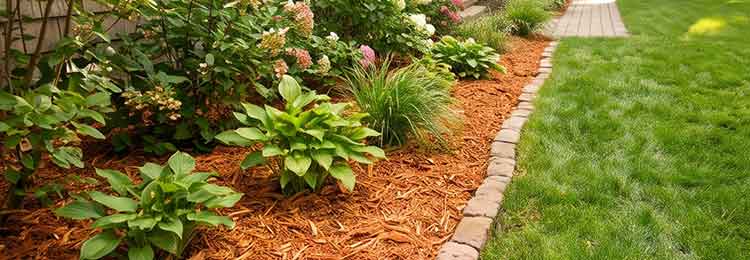
- Natural aromatic oils that produce a clean, woodsy scent lasting for months: The smell is noticeable right after application and fades gradually. I found it pleasant near seating areas and it seemed to reduce mosquito activity in those zones on calm evenings.
- Slow breakdown that maintains coverage with less frequent replenishment: A three-inch layer stayed effective for weed suppression through two growing seasons in my tests. You can expect similar longevity in temperate climates if you avoid heavy traffic that grinds the material into the soil.
- Good weed barrier when applied at proper depth: Light does not penetrate easily, so annual weed seeds struggle. Perennial weeds still need removal before mulching, but cedar reduced the number of new seedlings I pulled each month.
- Slightly acidic influence that suits certain plants: Acid-loving shrubs and evergreens showed no stress. I avoided thick layers right against the stems of young tomatoes until the material weathered for a season.
- Low attraction for termites and many wood-boring insects: The same compounds that give the scent also make the mulch a poor food source for termites. In areas with known termite pressure I felt more confident using cedar near the foundation than untreated hardwood.
- Uniform particle size available in shredded or chip form: Shredded cedar knits together and stays put on slopes better than larger chips. I used the shredded form on a gentle bank and it resisted washing during heavy rain.
Pros and Cons of Cedar Mulch
- Pros
Longevity reduces the number of times you need to order and spread material. The persistent scent and insect-deterrent qualities are noticeable in real use; I recorded fewer pest issues in cedar-mulched ornamental beds than in nearby unmulched controls. Color stability keeps formal gardens looking tidy longer. The material knits well and resists wind and moderate rain better than loose hardwood chips. It works especially well on paths and around plants that prefer drier crowns. Fire resistance is relatively good compared with some other wood products, which mattered on my property near dry grass. - Cons
Higher initial cost can strain a limited budget if you have large areas to cover. Nutrient contribution is minimal until the mulch is quite old, so heavy-feeding plants may need extra fertilizer or compost. Some gardeners report slower establishment of certain transplants if thick fresh layers are placed right against stems; I left a small bare ring around new plants and had no problems. The strong scent can be overpowering indoors if you bring potted plants inside, though this is rare for outdoor use. In very wet climates the slow breakdown can occasionally trap excess moisture against plant crowns if the layer is too deep. Availability can be limited outside regions where cedar is commonly processed.
Also Read: Is Lockscape Sticky Mulch Worth Your Money?
Key Features of Hardwood Mulch

- Faster decomposition that feeds soil microorganisms and improves structure over time: After one season the lower layer had begun to darken and mix with the top inch of soil. This process added organic matter without the need for separate compost applications in some beds.
- Neutral to mildly alkaline tendency that suits a wide range of plants: Most vegetables and annual flowers grew well without pH adjustments. I used it freely around mixed borders where soil chemistry varied.
- Generally lower purchase price and wider local availability: Many landscaping suppliers stock hardwood as a standard product. I could often pick it up the same day, while cedar sometimes required advance ordering.
- Varied texture and color that blends into naturalistic plantings: The mix of species creates a less uniform appearance that some gardeners prefer. It softens the edges of beds and looks settled rather than freshly applied after a few weeks.
- Moderate moisture retention that still reduces watering frequency: I cut irrigation by roughly a third compared with bare soil. The material does not form as tight a seal as cedar, so water penetrates more readily during light rains.
- Good compatibility with no-till or low-dig gardening methods: Because it breaks down into the soil, it supports the gradual build-up of organic layers. I layered it over cardboard in new beds and saw earthworm activity increase by the second year.
Pros and Cons of Hardwood Mulch
- Pros
Cost is usually lower, making it practical for large vegetable gardens or multiple beds. Faster breakdown steadily improves soil organic matter and supports earthworm and microbial activity. Most plants tolerate it without pH concerns. It is widely stocked, so you can restock mid-season if needed. The earthy appearance suits cottage-style or woodland plantings. As it decomposes it becomes less likely to form a hard crust, allowing better water infiltration over time. I have used it successfully around both annuals and perennials with consistent results. - Cons
You will replace it more often to maintain the same depth and weed control. The material can host visible fungal growth in prolonged wet weather, which is usually harmless but may look unattractive. Color variation and faster fading can make beds appear less uniform after a few months. In areas with high termite pressure some gardeners prefer to keep any wood mulch a short distance from foundations; hardwood does not actively repel them. Nutrient release is gradual, so it will not replace a full fertilizer program for demanding crops. Fine particles can sometimes blow or wash if the mulch is very dry and not watered in after application.
Practical Application and Maintenance Notes
I apply both materials at two to three inches deep after the soil has warmed in spring. For cedar I water the layer lightly after spreading so it settles and knits.
Hardwood benefits from the same step plus a light raking to even the surface.
Around trees and shrubs I keep mulch a few inches away from trunks to prevent moisture buildup against bark. In vegetable beds I prefer hardwood because the soil improvement shows up in the following crop.
On paths and around seating areas cedar has stayed neater with less attention. You should check depth each spring and top up only where the layer has thinned below two inches.
Also Read: How Much Mulch Do I Need?
Frequently Asked Questions (FAQ)
Yes. It costs more upfront, releases nutrients slowly, and its oils can slow the breakdown process so much that soil improvement takes longer than with hardwood.
Avoid thick fresh layers directly against the stems of young transplants and keep it a short distance from building foundations if termite pressure is high in your area. Some gardeners also skip it in vegetable beds where rapid soil enrichment is the priority.
Undyed, untreated organic mulch from a known source is healthiest for both plants and soil life. Both cedar and hardwood can qualify when they are free of dyes and chemical treatments; hardwood often edges ahead for soil-building because it decomposes into usable organic matter faster.
No. Cedar is generally unattractive to termites because of its natural compounds. It is frequently chosen in areas where termite activity is a concern, unlike some other wood products that offer no deterrent.
Wrapping Up
After side-by-side use I reach for cedar when I want long-lasting coverage, insect resistance, and a tidy appearance on paths and ornamental beds.
You will likely prefer hardwood when soil improvement, lower cost, and faster nutrient cycling matter more, especially in vegetable or mixed annual plantings.
Match the material to the job, maintain the proper depth, and either choice will reduce weeds, conserve moisture, and protect your plants through the season.