
When I compare Carrier and Lennox, I’m really looking at comfort, efficiency, reliability, repair costs, noise, smart controls, and long-term value.
Both brands can heat and cool a home extremely well, but they feel different once you start pricing systems, comparing warranties, and thinking about future repairs.
In this guide, I’ll help you decide which brand fits your budget, climate, comfort expectations, and ownership style without making the choice feel more complicated than it needs to be.
| Category | Carrier | Lennox |
| Best for | Balanced performance, strong dealer network, proven reliability | High efficiency, premium comfort, quiet operation |
| Efficiency strength | Excellent, especially Infinity models | Often industry-leading on top-tier models |
| Price range | Mid to premium | Usually premium, especially high-efficiency models |
| Comfort control | Very strong with variable-speed systems | Excellent with variable-capacity systems |
| Noise level | Quiet, especially premium units | Very quiet, especially Signature models |
| Repair convenience | Parts are generally easier to source | Some parts may be more specialized |
| Smart thermostat ecosystem | Infinity controls | iComfort controls |
| Best buyer | Someone who wants reliability and easier service access | Someone who wants maximum efficiency and premium comfort |
| Main drawback | Premium systems can get expensive | Repairs and replacement parts may cost more |
| Overall feel | Practical premium | Luxury efficiency-focused |
Key Differences Between Carrier And Lennox
- Brand Positioning
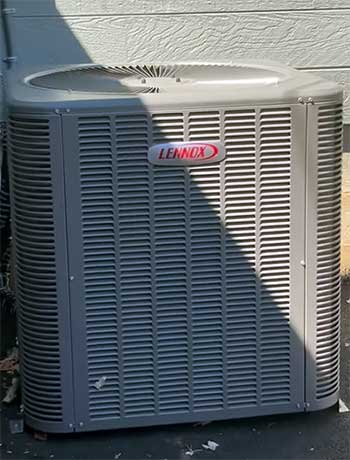
Carrier feels like a premium brand with a practical side.
It has high-end systems, but it also offers solid mid-range options that make sense for many homes.
I see Carrier as the brand that tries to balance efficiency, reliability, comfort, and service access.
Lennox feels more focused on premium efficiency and advanced comfort.
Its best systems are built for homeowners who care about low energy use, quiet operation, and very precise indoor temperature control.
If you’re the kind of person who notices temperature swings from room to room, Lennox may catch your attention faster.
- Efficiency Ratings
Lennox often gets attention for extremely efficient air conditioners, heat pumps, and furnaces. Its top models can be among the most efficient options available in residential HVAC. That matters if you live in a climate where your system runs constantly.
Carrier is also highly efficient, especially in the Infinity series. The difference is that Carrier usually feels more balanced across its full lineup, while Lennox tends to shine brightest at the top end.
In real life, I wouldn’t choose based on efficiency numbers alone. Installation quality, ductwork condition, home insulation, system sizing, and local electricity or gas rates can affect savings more than a small difference between two premium units.
- Comfort Technology
Both brands offer variable-speed and variable-capacity systems. This matters because these systems can run longer at lower speeds instead of blasting on and shutting off repeatedly. That helps with humidity control, temperature consistency, and noise.
Carrier’s Infinity systems are especially strong here. Lennox’s Signature systems are also excellent. If you choose the top tiers from either brand, you can expect much smoother comfort than you’d get from a basic single-stage system.
- Dealer Network And Service Access
This is one of the biggest practical differences. Carrier usually has a broad dealer and service network. That can make maintenance, repairs, and second opinions easier.
Lennox also has a strong dealer base, but in some regions, parts and service can feel more tied to specific suppliers or authorized dealers. That doesn’t mean Lennox is bad. It just means I’d pay closer attention to the local installer before buying.
A great Lennox installer beats a mediocre Carrier installer every time. A great Carrier installer beats a mediocre Lennox installer every time. The contractor matters that much.
- Parts And Repair Costs
Carrier parts are often easier to find, depending on your region. That can help when your system needs repair during a heat wave or cold snap.
Lennox parts can sometimes be more expensive or less widely available. This is one reason some homeowners love their Lennox system while also feeling nervous about future repair bills.
Before choosing either brand, I’d ask the installer: “How quickly can you usually get parts for this exact model?” That one question can save you a lot of stress later.
- Price And Overall Value
Lennox is often more expensive at the high end. Carrier can also be expensive, but it usually gives you more pricing flexibility across different system levels.
If your budget is tight, Carrier may feel easier to fit into a realistic project quote. If your main concern is top efficiency and quiet performance, Lennox may justify the premium.
I wouldn’t choose the cheapest quote from either brand automatically. A low bid with poor sizing, weak duct evaluation, and sloppy installation can turn a good brand into a daily headache.
Carrier Key Features
- Infinity System Control
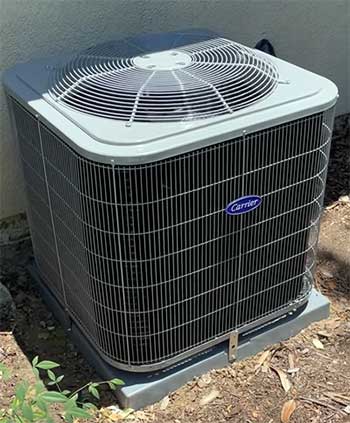
Carrier’s Infinity control system is one of its biggest selling points.
It helps coordinate the outdoor unit, indoor unit, thermostat, humidity control, fan speeds, and comfort settings.
I like this because HVAC comfort is not just about heating or cooling. It’s about how the system manages the whole home environment.
With the right setup, Infinity systems can reduce hot spots, manage humidity better, and run more quietly.
For homeowners who want a polished comfort experience, this is where Carrier starts to feel premium.
- Variable-Speed Performance
Carrier’s higher-end systems use variable-speed or variable-capacity technology. Instead of running at full power every time, the system can adjust output based on what the home actually needs.
That makes a real difference. You may notice fewer temperature swings, better moisture removal in summer, and quieter operation. I especially like this feature for humid climates, where short cooling cycles can leave the house feeling cold but clammy.
- Strong Heat Pump Lineup
Carrier offers heat pumps that work well for homeowners who want both heating and cooling from one system. This can be especially attractive if you’re trying to reduce reliance on gas or want a more energy-efficient setup in a moderate climate.
The best fit depends on your climate. In colder regions, you may need a cold-climate heat pump or a dual-fuel setup with a gas furnace backup.
- Broad Product Range
Carrier gives you options. You can choose from more basic systems, mid-range units, or premium Infinity models. I like this because not every homeowner needs the most expensive equipment.
Sometimes a properly installed mid-range Carrier system is the smarter buy than a top-tier system installed poorly. Carrier’s lineup makes it easier to match the system to the home instead of forcing everyone into one premium lane.
- Quiet Operation
Carrier’s better systems are impressively quiet. This matters if your outdoor unit is near a bedroom, patio, neighbor’s window, or home office. A quiet system may not sound exciting on paper, but once you live with it, you appreciate it.
Carrier Pros
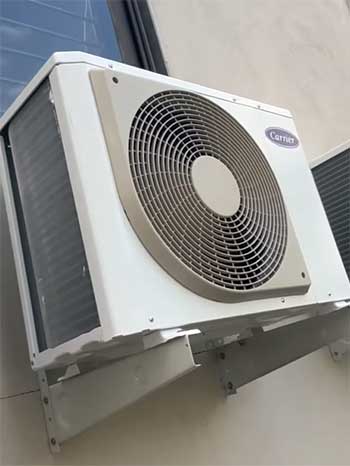
- Strong Reliability Reputation: Carrier has a reputation for dependable systems, and that matters when you’re spending thousands of dollars on HVAC equipment. I like that Carrier often feels like a practical long-term choice rather than a flashy one. A properly installed Carrier system can run comfortably for many years with routine maintenance. That makes it a strong pick if you want fewer surprises.
- Easier Service Access In Many Areas: One of Carrier’s biggest advantages is its service network. In many markets, it is not hard to find technicians familiar with Carrier equipment.That can matter more than people think. When your air conditioner stops working in July, you don’t want to hear that a part is hard to locate or that only one company nearby works on your system.
- Balanced Lineup For Different Budgets: Carrier gives you room to choose. You don’t have to buy the most expensive model to get a good system. Its mid-range equipment can be a sweet spot for homeowners who want quality without chasing every premium feature. This is where Carrier earns points for value. It can be premium, but it doesn’t always force you into luxury pricing.
- Excellent Comfort With Infinity Systems: Carrier’s Infinity systems can deliver high-end comfort, especially when paired with variable-speed equipment and proper ductwork. These systems can manage humidity, airflow, and temperature more precisely than basic HVAC setups. If you want comfort that feels smooth and controlled, Carrier can absolutely deliver.
- Good Choice For Long-Term Ownership: Carrier feels like a brand I’d consider if I planned to stay in my home for years. The combination of performance, parts access, dealer familiarity, and system variety makes it a strong long-term option.
Carrier Cons
- Premium Models Can Be Expensive: Carrier is not a bargain brand. If you choose an Infinity system with advanced controls and variable-speed equipment, the quote can climb quickly. That doesn’t mean it’s overpriced, but you need to be realistic. The best Carrier systems cost more because they include better technology and comfort control.
- Communicating Systems Can Be More Complex: Advanced Carrier systems may rely on communicating controls. These systems can be excellent, but they may also require technicians who know the platform well. If you choose a premium setup, I’d make sure your installer has real experience with that exact product family.
- Efficiency May Not Always Beat Lennox At The Top End: Carrier is efficient, but Lennox often gets more attention for peak efficiency. If your only goal is to chase the highest possible efficiency rating, Lennox may look stronger on paper. That said, the difference may not always translate into huge real-world savings. Your home and installation matter too much to ignore.
Also Read: Is Home Depot HVAC Installation Worth It?
Lennox Key Features
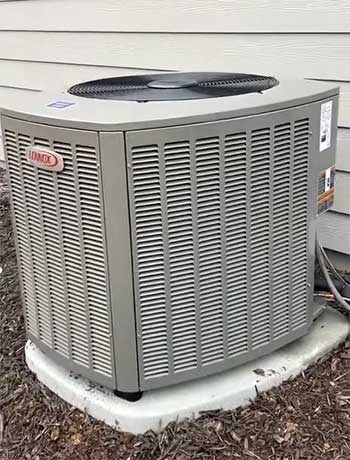
- High-Efficiency Design: Lennox is known for pushing efficiency, especially in its premium systems. If you’re comparing top models, Lennox can be extremely appealing because energy savings are a major part of its brand identity.This matters most in areas with long cooling seasons, high electricity costs, or heavy heating demand. The more your system runs, the more efficiency can matter.
- Signature Collection Comfort: Lennox’s premium Signature Collection is built for homeowners who want a refined comfort experience. These systems are often quiet, efficient, and capable of very steady temperature control. When I think of Lennox at its best, I think of a system that fades into the background. It doesn’t roar to life. It doesn’t create dramatic swings. It just keeps the home comfortable.
- Variable-Capacity Operation: Lennox’s variable-capacity systems can make tiny adjustments to heating or cooling output. This gives the home a more even feel. It also helps with humidity control and energy use. For homeowners who dislike that “too hot, then too cold” feeling, this feature can be worth paying for.
- iComfort Smart Thermostat: Lennox’s iComfort controls are designed to work with compatible Lennox equipment. The system can help manage comfort settings, scheduling, humidity, and efficiency. Like Carrier’s Infinity control, the biggest benefit comes when the thermostat and equipment are properly matched. A premium communicating system usually performs best when all the pieces are designed to work together.
- Solar-Ready And Energy-Conscious Options: Some Lennox systems have been marketed toward energy-conscious homeowners, including options designed to pair well with broader efficiency goals. If you care about lowering utility costs and reducing energy waste, Lennox gives you plenty to consider.
Lennox Pros
- Outstanding High-Efficiency Options: Lennox’s biggest strength is efficiency. If you want a system designed to reduce energy use while still delivering strong comfort, Lennox deserves serious attention. For homeowners in extreme climates or areas with high utility costs, this can make Lennox very appealing.
- Premium Comfort Feel: Lennox systems, especially higher-end models, can feel smooth, quiet, and refined. I like Lennox for homeowners who are picky about indoor comfort and willing to pay for a more controlled experience. If you hate temperature swings, loud startup noise, or uneven cooling, Lennox may be a strong fit.
- Quiet Operation: Lennox does quiet very well. A premium Lennox outdoor unit can be impressively low-key during operation. This matters for homes with small lots, outdoor living spaces, or bedrooms near the equipment. Quiet HVAC is underrated until you live with a loud system. Then it suddenly becomes very important.
- Advanced Variable-Capacity Technology: Lennox’s variable-capacity systems are designed to make small adjustments instead of cycling aggressively. That helps with comfort, efficiency, and humidity control. This is especially useful in climates where the system runs for long periods but doesn’t always need full output.
- Strong Appeal For Energy-Conscious Homeowners: If you care about long-term energy use, Lennox has a clear identity. It feels built for homeowners who want premium comfort and lower energy waste.
Lennox Cons
- Higher Upfront Cost: Lennox can be expensive, especially if you choose its top-tier systems. The equipment, controls, and installation package may cost more than comparable mid-range alternatives. For some homeowners, that premium makes sense. For others, the payback may not be convincing enough.
- Parts May Cost More: This is one of the most common concerns with Lennox. Some replacement parts can be pricey, and availability may vary by area. Before buying Lennox, I’d ask local contractors how quickly they can get parts and what typical repair costs look like. You don’t want that answer after the warranty period begins to matter.
- Dealer Quality Matters A Lot: Lennox systems can perform beautifully, but they need proper sizing, setup, airflow, and control configuration. A weak installation can ruin the experience. This is true for Carrier too, but with premium Lennox systems, I’d be extra careful about choosing the installer.
- Not Always The Best Value For Moderate Climates: If you live in a mild climate and don’t use heating or cooling heavily, paying extra for top efficiency may not save enough money to justify the cost. In that case, a simpler Carrier or Lennox model could be smarter than a flagship system.
Which One Should You Choose?
I’d choose Carrier if you want a dependable, well-rounded HVAC brand with strong service access, flexible price levels, and excellent premium comfort options. It is the brand I’d lean toward if I wanted fewer ownership headaches and a balanced long-term investment.
I’d choose Lennox if you want premium efficiency, quiet operation, and refined comfort, and you’re comfortable paying more upfront. It is the brand I’d consider if energy savings and top-tier comfort were high priorities.
The smartest move is to compare actual quotes from strong local installers. Ask each contractor to explain system sizing, ductwork condition, warranty terms, thermostat compatibility, noise ratings, efficiency, and expected repair support.
Also Read: Is Lowe’s HVAC Installation Worth It?
Frequently Asked Questions (FAQ)
Not always. Lennox may score well for efficiency and comfort, while Carrier often stands out for reliability, service access, and balanced value. The better choice depends on the model, installer, and your home.
Lennox is often more expensive, especially at the premium level. Carrier can also be pricey, but it usually offers more flexibility across mid-range and high-end systems.
Carrier is commonly viewed as one of the more reliable HVAC brands. Still, installation quality and maintenance matter more than the badge on the unit.
Carrier can be worth the extra money if you choose the right system and a skilled installer. It makes the most sense when you value reliability, service access, comfort control, and long-term ownership.
Final Thoughts
When I compare Carrier vs. Lennox, I don’t see one universal winner. I see two strong brands with different strengths. Carrier is the one I’d pick for balanced value, reliability, and easier service. Lennox is the one I’d pick for premium efficiency, quiet comfort, and a more refined feel.
Your best choice depends on your climate, budget, home layout, installer quality, and how long you plan to keep the system. If you focus on the full ownership experience instead of just the brand name, you’ll make a much smarter decision.