
I’ve tried plenty of sparkling waters over the past year while cutting back on sugary drinks, and Bubly and LaCroix kept showing up as the most common options people reach for.
Both deliver zero calories and zero sugar in a convenient can, yet they feel different once you start comparing daily use.
My goal with this breakdown is to give you a clear, practical view of how they perform on taste, bubbles, cost, and the little details that matter when you’re grabbing one from the fridge or tossing a pack in your cart. By the end you’ll know which one fits your routine better.
| Aspect | Bubly | LaCroix |
| Ingredients | Carbonated water, natural flavors | Carbonated water, natural flavors (naturally essenced) |
| Calories / Sugar | 0 / 0g | 0 / 0g |
| Core Flavors | 12–15 straightforward options like cherry, mango, grapefruit, peach, strawberry, lime | 20+ including unique ones like Pamplemousse, Key Lime, Tangerine plus Curate combos |
| Carbonation | Solid but can feel milder or vary by flavor | Often stiffer with bubbles that linger longer |
| Acidity (example) | Some flavors test lower (around 3.8–4.5 pH) | Generally around 4.7 pH for similar flavors |
| Price (typical 12pk) | Usually $4–7 depending on store and sales | Often $6–9, positioned as a bit more premium |
| Best For | Everyday value, quick grabs, subtle fruit hints | Strong fizz fans, variety seekers, stylish cans |
Key Differences Between Bubly and LaCroix
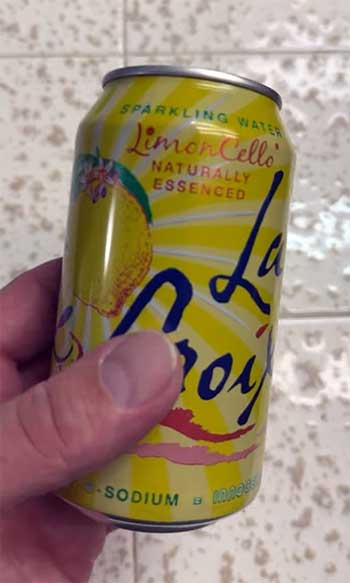
- Flavor Profiles and How They Hit Your Palate Bubly offers bright, direct fruit notes that feel straightforward and consistent. LaCroix stays more subtle and layered with some creative blends. Taste is personal, but Bubly feels more immediate while LaCroix unfolds gently.
- Carbonation Strength and Mouthfeel Over Time LaCroix typically delivers stiffer, longer-lasting bubbles. Bubly provides solid fizz that can feel milder in certain flavors or as the can warms.
- Pricing, Pack Sizes, and Real-World Value Bubly usually costs less per can and appears in more locations thanks to strong distribution, making it easier for daily use. LaCroix sits at a premium price.
- Range of Flavors and Naming Style Bubly focuses on approachable single-fruit names. LaCroix provides more total options and unique combinations that invite experimentation.
- Acidity Levels and How They Might Affect You Some Bubly flavors test more acidic, which could matter for dental sensitivity with heavy use. Both are acidic like most sparkling waters, so neither is completely neutral.
- Packaging, Vibe, and How It Feels Grabbing One Bubly feels casual and upbeat with bright, friendly designs. LaCroix offers a retro-cool aesthetic that many find stylish.
- Brand Background, Consistency, and Store Availability Bubly benefits from wide availability through PepsiCo. LaCroix carries a trendy reputation and strong loyalty.
Also Read: Is Lucky Energy Drink Worth It?
Key Features of Bubly
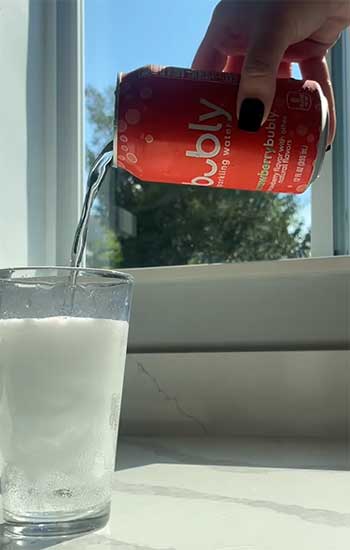
- Minimal two-ingredient formula that keeps things simple and transparent on the label. You get carbonated water plus natural flavors and nothing else in the standard cans. That clean list makes it easy to understand exactly what you are drinking without scanning long ingredient decks.
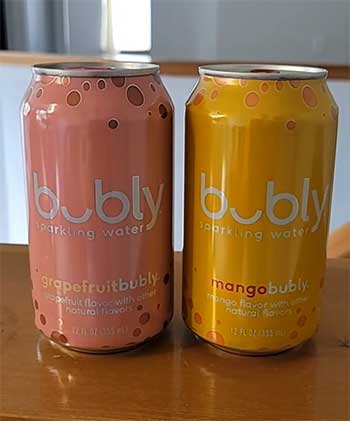
- Straightforward fruit flavors that do not try too hard to be fancy. Cherry, mango, grapefruit, and peach all taste like recognizable versions of the fruit without heavy syrup or cloying notes. The subtlety lets you drink multiple cans without flavor fatigue.
- Bright, cheerful can designs with personality-driven greetings. Each flavor carries its own little message or smile that adds a light moment when you crack one open during a long afternoon.
- Strong distribution through PepsiCo channels. You will find it in most major grocery chains, many smaller stores, and often at better price points during promotions, which supports consistent stocking.
- Reliable zero-calorie performance for daily hydration swaps. It replaces sugary sodas or juices without adding anything back, helping maintain steady energy and supporting any calorie-conscious goals you have.
- Good balance of flavor presence without lingering aftertaste in most varieties. The taste shows up, does its job, and leaves a clean finish so you can move on to food or another activity without a heavy fruit coating in your mouth.
- Availability in single cans, multi-packs, and sometimes larger cases. Flexibility in pack size makes it practical whether you want to test one flavor or commit to a full case for the week.
- Approachable entry point for people new to flavored sparkling water. The flavors stay mild enough that newcomers do not get overwhelmed, yet they still provide enough interest to keep the habit enjoyable.
Pros of Bubly
- Lower price point helps you stock up without hesitation. When a 12-pack regularly lands under the cost of comparable LaCroix, you can keep the fridge full and reach for it more often instead of defaulting to something with sugar when you want fizz.
- Wide everyday availability reduces the chance of running out. PepsiCo’s reach puts Bubly in more locations, so last-minute runs to the corner store or gas station often succeed without disappointment.
- Straightforward flavors make decision-making quick. You do not spend time decoding fancy names; you grab cherry or mango and know roughly what to expect, which speeds up the morning or afternoon choice.
- Subtle taste profile works for long sipping sessions. Because the flavor stays restrained, you can nurse a can over an hour without it becoming too intense or sweet-tasting by the end.
- Fun can designs add a small mood lift. The bright colors and greetings make opening one feel a tiny bit more cheerful during a dull workday or after a tough workout.
- Solid option for households with mixed preferences. The range covers enough classic fruits that different family members or roommates can each find something they enjoy without needing multiple brands.
- Supports easy sugar reduction without extra planning. Swapping one or two sodas a day for Bubly cuts calories and sugar cleanly while still giving you the carbonated ritual many people miss.
- Consistent quality that rarely surprises in a bad way. Most flavors taste like what the label promises, which builds reliability when you buy in bulk or subscribe to regular delivery.
Also Read: Is Three Spirit Drinks Worth It?
Cons of Bubly
- Some flavors land more acidic than the competition. If you already watch dental health or have reflux concerns, the sharper pH in certain varieties might make you prefer to sip faster or alternate with still water.
- Carbonation can feel milder compared to stiffer options. People who crave strong bubble bite sometimes find Bubly settles quicker, especially if the can warms or sits open for a while.
- Flavor subtlety means some people want more intensity. If you like bold fruit taste that punches through, a few Bubly options may taste too light or require drinking more to notice the profile.
- Big-corporation ownership can feel less “indie” to some buyers. While distribution benefits are real, the PepsiCo connection sometimes reduces the cool-factor appeal that smaller or independent brands carry for certain shoppers.
- Limited truly unique or seasonal drops compared to bigger lineups. The core list stays reliable but does not rotate as many experimental combinations, so variety seekers might eventually look elsewhere for new experiences.
Key Features of LaCroix
- “Naturally essenced” approach that highlights fruit-derived oils on the label. The brand leans into this wording to signal a cleaner flavor source, which resonates with people who read labels closely even though both brands ultimately use natural flavor technology.
- Strong, persistent carbonation that stays lively longer. Many people notice the bubbles feel more robust and continue delivering that effervescent sensation even if the can sits for a bit, which enhances the overall drinking experience.
- Wide and creative flavor lineup including unique and combination options. From classic lime to Pamplemousse grapefruit and Curate blends like blackberry cucumber or pineapple strawberry, there is more room to experiment and find personal favorites.
- Distinctive retro-modern can artwork that stands out visually. The designs give the product a recognizable aesthetic that feels intentional and sometimes makes the drink feel a little more special on your desk or in photos.
- Consistent performance across a large flavor range. Quality control keeps most varieties tasting true to their named fruit without big batch-to-batch surprises, which builds trust when you buy different flavors regularly.
- Premium positioning that appeals when you want something that feels elevated. For moments when you want the can to match a slightly nicer vibe—whether at work or hosting—the branding delivers without extra cost in ingredients.
- Long-standing popularity that means widespread recognition and stock. You will see it in most places that carry sparkling water, and the brand loyalty means stores tend to keep multiple flavors on hand.
- Clean finish that pairs well with meals or as a standalone refresher. The lighter flavor approach lets it complement food without competing, making it versatile for lunch, dinner, or afternoon breaks.
Pros of LaCroix
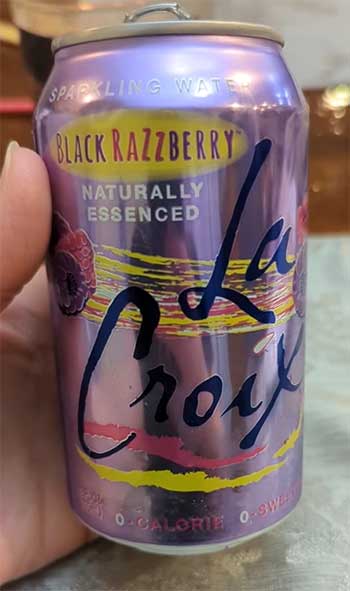
- Strong, lasting carbonation delivers satisfying mouthfeel. The bubbles stay active and create that lively texture many people associate with a premium sparkling water experience from start to finish.
- Larger flavor selection including creative combinations. Curate mixes and distinctive names like Pamplemousse or Key Lime give you more room to discover preferences and keep rotation interesting over months.
- Stylish can designs make the product feel elevated. The artwork stands out on a shelf or desk and can make an ordinary drink feel like a small upgrade during the day.
- Subtle flavor approach appeals when you want refreshment without heaviness. Many users appreciate that the taste stays light and clean, letting it pair with meals or serve as a simple palate cleanser.
- Established reputation means most stores carry several options. Long-term popularity translates into reliable stock and sometimes better end-cap displays or promotions even at the higher price.
- Clean ingredient story resonates with label readers. The “naturally essenced” phrasing and minimal list give peace of mind to people who prioritize simple, fruit-derived flavors.
- Good performance for social or gifting moments. The recognizable brand and nice-looking cans work well when you bring a pack to a gathering or want something that looks intentional.
- Strong bubble persistence supports slower drinking. If you like to sip over time rather than chug, the carbonation holds up better than milder options and keeps the experience enjoyable longer.
Cons of LaCroix
- Higher price can add up with daily or multi-person use. The premium positioning means you pay more per can, which might make you think twice before grabbing a second or third one on a regular basis.
- Subtle flavors sometimes leave people wanting more taste. If your palate prefers bolder fruit presence, several LaCroix varieties can taste faint or require concentration to detect, especially when cold.
- Past lawsuit raised transparency questions for some consumers. Even though the 2018 case was later dropped, the discussion around natural flavor sourcing left a lingering note of caution for people who want full disclosure on every component.
- Availability of specific flavors can vary more by location. While the brand is widespread, less common or newer Curate options sometimes sell out faster or appear only in larger stores.
- Carbonation strength, while generally high, can still vary slightly between batches or storage conditions. Not every can delivers the exact same bubble intensity, which can frustrate people who treat consistency as a top priority.
- Retro design, while loved by many, does not appeal to everyone’s aesthetic. Some prefer simpler or more modern can looks and find the vintage style less exciting after repeated exposure.
Also Read: Is Sentia Spirit Worth It?
Frequently Asked Questions (FAQ)
Both share nearly identical nutrition—zero calories, zero sugar, zero sodium in most cases—and the same minimal ingredient approach. Neither holds a meaningful health edge over the other based on published details.
It works well as a zero-sugar, zero-calorie alternative to soda or juice when you want flavored fizz without the downsides of added sweeteners or calories. Like any sparkling water, moderation around acidity helps protect teeth with frequent use.
It ranks among the cleaner options with its simple formula, but “healthiest” depends on priorities. Brands using real fruit juice or fully plain sparkling water may edge it out for some people seeking even fewer processed flavor components.
A 2018 class-action suit claimed LaCroix contained synthetic ingredients despite “all natural” marketing and mentioned compounds like linalool. The company denied the claims, stating flavors came from natural fruit essence oils. The main case was withdrawn in 2020 after the plaintiff retracted the allegations.
Final Thoughts
If strong bubbles and flavor variety top your list, LaCroix often feels worth the extra cost on days you want that experience.
When everyday affordability, easy availability, and reliable subtle fruit notes matter more, Bubly tends to win for regular rotation. You know your own taste and budget best—start with a mixed pack of each if you can and see which cans disappear faster from your fridge.
The right choice usually reveals itself after a week or two of honest comparison.