
If you want quiet comfort, strong heating, efficient cooling, and a system that feels more polished than bargain-bin mini splits, I’d put Bosch high on your shopping list.
I like it most for homeowners who want dependable year-round performance without turning the living room into a wind tunnel.
It is not the cheapest option, but if you care about comfort, energy savings, and brand confidence, Bosch is absolutely worth buying.
My Experience With Bosch Mini Splits
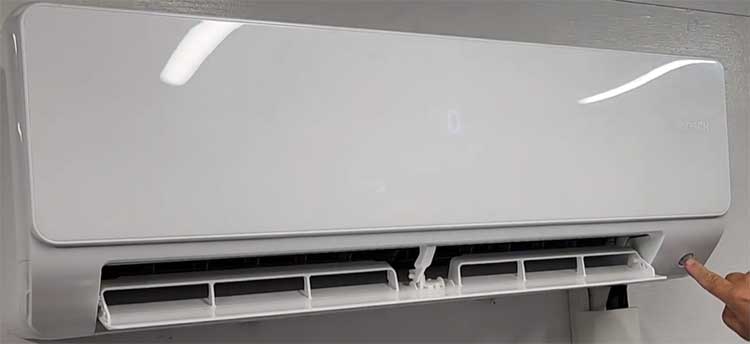
When I look at Bosch mini splits from a real homeowner’s angle, I see a system built for people who want comfort without fuss. I do not want my AC to announce itself like a lawn mower.
I want it to cool the room, heat the space when the weather gets moody, and quietly get on with its job. That is where Bosch feels strong.
The first thing I notice is the steady temperature control. Some mini splits blast cold air, shut off, then start again like they are auditioning for a drama series. Bosch feels smoother. It tends to maintain the room temperature in a calmer way, which makes the space feel more naturally comfortable.
You do not get that sharp “too cold, now too warm” roller coaster as much when the system is installed and sized properly.
Cooling performance is confident. In a bedroom, office, garage conversion, sunroom, or open living space, a Bosch mini split can make the room livable quickly without feeling aggressive. The airflow feels controlled, and the indoor unit usually stays pleasantly quiet.
If you are working from home, watching TV, or trying to sleep, that matters more than people admit. Nobody wants a mini split that sounds like it is personally offended by summer.
Heating is also a major reason I like Bosch. Many buyers look at ductless mini splits only for cooling, but Bosch heat pump systems can be impressive when temperatures drop. In milder and moderate cold climates, they can reduce your reliance on baseboard heat, space heaters, or older central systems.
You still need the right model, proper installation, and realistic expectations, but Bosch is not just a “summer helper.” It can be a serious comfort system.
The controls are straightforward enough for daily use. I would not call every interface magical, but once you understand modes, fan speeds, temperature settings, and basic scheduling, it becomes easy. The bigger factor is installation quality.
A great Bosch mini split installed badly can disappoint you. A properly sized and professionally installed Bosch system can feel like one of those home upgrades you wish you had done earlier.
Bosch Mini Split Pros
- Quiet Daily Comfort
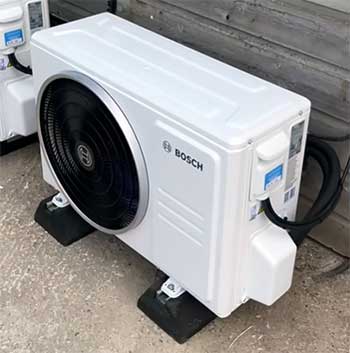
Bosch mini splits are appealing because they do not make comfort feel noisy.
The indoor units are generally quiet enough for bedrooms, offices, nurseries, and living rooms.
I care about this because a mini split sits right there in your space.
It is not hidden in a basement like a furnace.
If the unit hums, rattles, clicks, or whooshes too much, you will notice it every day.
Bosch does a good job keeping sound levels comfortable, especially once the room is near the target temperature and the system is maintaining rather than fighting hard to catch up.
- Strong Energy Efficiency
This is one of the big reasons you buy Bosch instead of grabbing the cheapest mini split you can find. Bosch systems are designed to deliver efficient heating and cooling, especially when paired with inverter-driven compressor technology.
In plain English, that means the system can adjust output instead of only switching fully on or fully off. You get more consistent comfort and potentially lower energy use. I like that because efficiency is not just a number on a brochure. It shows up every month when the utility bill lands and stares at you like it wants rent money.
- Reliable Heating Performance
A Bosch mini split is not only a cooling system with a winter hobby. It can be a dependable heat pump solution for many homes. If you live somewhere with moderate winters, it may handle a lot of your heating needs.
In colder areas, it can still work well as a supplemental heat source, especially in rooms that never feel warm enough. I would still check the specific model’s low-temperature performance before buying, but Bosch gives you a serious heating option rather than a decorative wall unit that panics in January.
- Good Brand Confidence
Bosch has a reputation that helps buyers feel safer. When I buy a heating and cooling system, I do not want mystery-brand roulette. Bosch is not some random name printed on a box and shipped into the sunset.
The brand has broader HVAC experience, and that matters when you are spending real money on equipment, installation, and long-term home comfort. You still need a skilled installer, but the name gives me more confidence than many ultra-budget choices.
- Clean Design For Modern Homes
The indoor units usually look simple and clean. That may sound minor, but you are going to see the thing every day. Bosch mini splits tend to blend into a room better than some chunky, plasticky alternatives.
I would not call any wall-mounted mini split “invisible,” because let’s be honest, it is still a rectangle on your wall. But Bosch keeps the look neat enough that it does not scream “utility equipment” every time you walk in.
- Comfort For Problem Rooms
This is where mini splits shine, and Bosch does it well. Got a hot upstairs bedroom? A chilly basement? A garage office? A sunroom that behaves like a greenhouse with furniture?
A Bosch mini split can target that specific space without forcing your whole-house HVAC system to overwork. I like this approach because it solves the actual problem. Instead of freezing the downstairs to cool one upstairs room, you give that room its own comfort zone.
Bosch Mini Split Cons
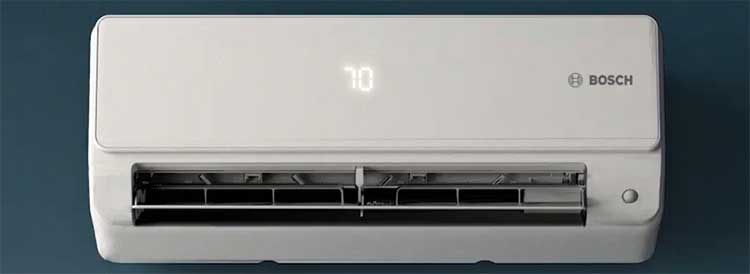
- Higher Upfront Cost
Bosch is not usually the cheapest option, and that can sting. Between equipment, line sets, electrical work, mounting, refrigerant handling, and professional labor, the final price can climb quickly.
If your only goal is the lowest possible upfront cost, Bosch may not be your first pick. I see it more as a value purchase than a bargain purchase. You pay more because you want better comfort, better efficiency, and more brand confidence.
- Installation Quality Matters A Lot
This is true for all mini splits, but it is especially important when you are buying a better system. A poor install can cause weak performance, refrigerant leaks, drainage problems, noise, short cycling, and general frustration.
Bosch equipment can only perform as well as the design and installation allow. You need the right size, the right placement, clean line-set work, correct vacuum procedure, proper drainage, and smart thermostat/control setup. In other words, do not let “my cousin has a ladder” become your HVAC strategy.
- Not Always The Best Fit For Every Climate
Bosch mini splits can heat well, but not every model is ideal for extreme cold. If you live in a very cold region, you need to check heating output at low outdoor temperatures. Some systems lose capacity as temperatures drop.
That does not make Bosch bad; it means you need to buy the right system for your weather. You may also want backup heat depending on your home, insulation, and winter conditions.
- Wall Unit Appearance Is Not For Everyone
Some people love the clean look. Others dislike seeing an indoor unit mounted high on the wall. I get it. Even a nice mini split still changes the look of a room.
If you are very particular about interior design, you may want to consider placement carefully or ask about ceiling cassette or concealed duct options where available. Comfort is great, but nobody wants their living room to look like a hotel room that discovered ambition.
- Maintenance Cannot Be Ignored
Bosch mini splits are not “install it and forget it forever” machines. Filters need cleaning, coils need attention, drains need to stay clear, and the outdoor unit needs breathing room. If you neglect maintenance, performance drops.
The unit may smell musty, leak water, use more electricity, or struggle to heat and cool. It is not difficult care, but it is still care.
Bosch Mini Split Maintenance And Tips
- Clean The Filters Monthly: Dirty filters reduce airflow and make the system work harder. I’d check them once a month during heavy use.
- Keep The Indoor Unit Unblocked: Do not place tall furniture, curtains, or shelves in front of the airflow. Let the unit breathe.
- Clear Debris Around The Outdoor Unit: Leaves, grass, snow, and dirt can block airflow. Keep the area around the condenser clean.
- Use The Correct Mode: Cooling, heating, dry, and fan modes all behave differently. Pick the right one instead of constantly switching.
- Avoid Extreme Temperature Settings: Setting it super low or high usually wastes energy. Choose a comfortable temperature and let the system work steadily.
- Check For Water Leaks: If you see dripping near the indoor unit, the drain line may be clogged. Get it checked quickly.
- Schedule Yearly Professional Service: A technician can inspect coils, refrigerant, wiring, drainage, and overall performance before small issues become expensive ones.
- Clean The Remote And Sensors: Dusty sensors or sticky buttons can cause annoying control issues. A quick wipe keeps things simple.
- Do Not Ignore Strange Sounds: Buzzing, rattling, or grinding noises are not “personality.” They usually mean something needs attention.
- Use It Consistently: Mini splits work best when maintaining comfort, not constantly recovering from extreme room temperatures.
Bosch Mini Split Compared With Other Brands
- Bosch Mini Split Vs. Karl Home Mini Split

Karl Home mini splits usually attract buyers because of price. If you are shopping mainly on budget, Karl Home can look tempting.
I understand the appeal. Lower upfront cost feels nice, especially when installation already eats into your wallet. But Bosch feels like the stronger pick when you care about long-term confidence, refined comfort, and brand support.
With Karl Home, I would be more careful about installer familiarity, parts access, warranty handling, and long-term reliability. It may work well for a garage, workshop, or secondary space where budget is the main driver.
Bosch feels better for primary living areas where you want quiet, consistent comfort every day. My take is simple: Karl Home may win the receipt; Bosch is more likely to win the living room.
- Bosch Mini Split Vs. Ozone Mini Split
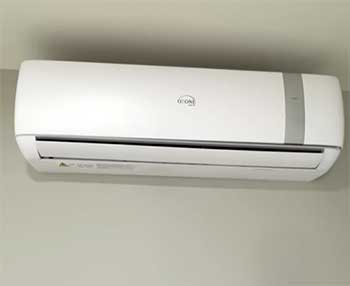
Ozone mini splits can be attractive to buyers looking for a practical ductless system without premium pricing.
They can make sense for smaller rooms, rental improvements, or basic comfort upgrades.
But Bosch has the edge when I judge the system as a long-term home comfort investment.
The difference comes down to confidence.
With Bosch, I feel more comfortable recommending it for homeowners who expect balanced heating and cooling, lower operating costs, and a cleaner ownership experience.
Ozone may be fine for simple needs, but I would research model specifications carefully before choosing it for heavy daily use. If your home depends on the system, Bosch feels like the safer bet.
- Bosch Mini Split Vs. Turbro Mini Split
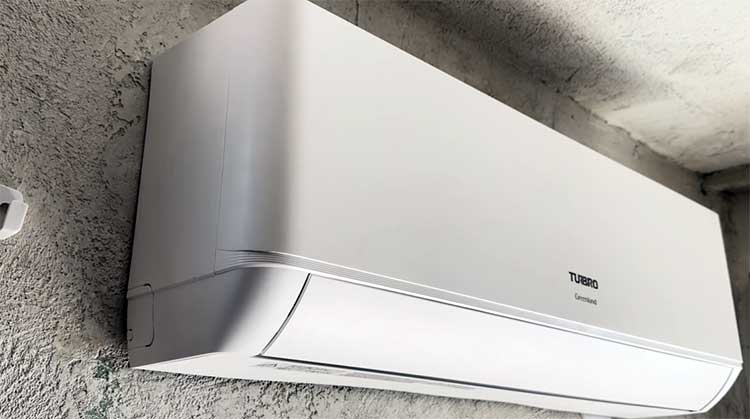
Turbro often appeals to DIY-minded or value-focused buyers. The brand has visibility in compact HVAC and comfort products, and some buyers like the affordability. For a smaller space, Turbro may be enough. But when I compare it with Bosch, I see Bosch as the more serious HVAC choice.
Bosch generally feels better suited for people who want professional installation, stronger system design, and dependable year-round comfort. Turbro may be easier on the budget, but Bosch gives me more confidence in heating performance, quiet operation, and long-term satisfaction.
If you are cooling a casual bonus room, Turbro may deserve a look. If you are upgrading the comfort of a main bedroom, office, or family space, I would lean Bosch.
- Bosch Mini Split Vs. Cooper & Hunter Mini Split
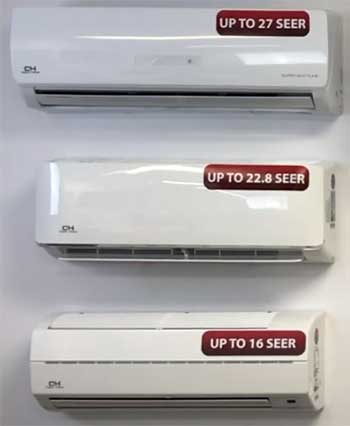
Cooper & Hunter is one of the more competitive names in the ductless mini split space.
It has a strong following, a wide product range, and many homeowners like the balance between price and performance.
This is probably the closest comparison in this group.
Bosch still feels more premium to me, especially for buyers who value brand reputation and a refined ownership experience.
Cooper & Hunter may offer excellent value, especially if you find the right model and a good installer.
I would not dismiss it. But if you ask me which one I would choose for a main living area where quiet comfort, efficient heating, and long-term trust matter, I would usually pick Bosch. Cooper & Hunter is the scrappy contender; Bosch is the polished professional.
Who Should Buy A Bosch Mini Split?
You should consider Bosch if you want an efficient ductless system for a bedroom, home office, addition, basement, garage conversion, sunroom, or hard-to-condition area. It is also a strong choice if you want both cooling and heating from one system.
I like Bosch for homeowners who do not want the cheapest possible unit, but also do not want to gamble on unknown quality.
You should especially consider it if your current room comfort is uneven. Maybe your central AC does fine downstairs but gives up upstairs. Maybe your home office becomes a toaster by 2 p.m.
Maybe your basement feels like a cave with ambition. Bosch can target those problem spaces without forcing you to replace your entire HVAC setup.
Who Should Skip A Bosch Mini Split?
You may want to skip Bosch if your budget is extremely tight and upfront price matters more than brand confidence.
You may also want to look elsewhere if you need a very specific ultra-cold-climate system and another brand has a model better suited to your winter conditions. Bosch is strong, but the right system always depends on your home, climate, insulation, room size, and installation plan.
Also, if you are hoping for a no-maintenance comfort machine, mini splits in general may annoy you. They need filter cleaning and occasional professional care. Not hard. Not scary. Just necessary.
Frequently Asked Questions (FAQ)
Yes. Bosch mini splits are good for efficient cooling, quiet comfort, and dependable heating when properly sized and installed.
Mitsubishi, Daikin, Fujitsu, LG, and Bosch are often considered strong choices, depending on the model and installer quality.
Yes. Bosch is a good AC brand, especially for buyers who value efficiency, quiet operation, and a trusted name.
Trane may be better for traditional central systems, while Bosch can be excellent for efficient heat pump performance. The better choice depends on your home and installation needs.
Final Verdict
I would buy a Bosch mini split if I wanted quiet, efficient, year-round comfort from a brand I could trust. It costs more than many budget options, but it feels like money spent on fewer regrets.
If you want a dependable mini split for a bedroom, office, addition, or problem room, Bosch deserves a serious spot on your shortlist.