
I have spent months testing eco-friendly cleaning options at home, trying to cut plastic waste without sacrificing a spotless kitchen or bathroom.
Both Blueland and Grove promise non-toxic formulas, refillable systems, and real impact on the planet, yet they approach the challenge differently.
I compare them here from a practical user’s view—how they perform day-to-day, what they cost over time, and whether they truly deliver on sustainability claims.
Here is a quick side-by-side comparison table:
| Aspect | Blueland | Grove Co. |
| Refill Format | Dissolvable tablets (compact, lightweight) | Liquid concentrates in small glass/aluminum bottles |
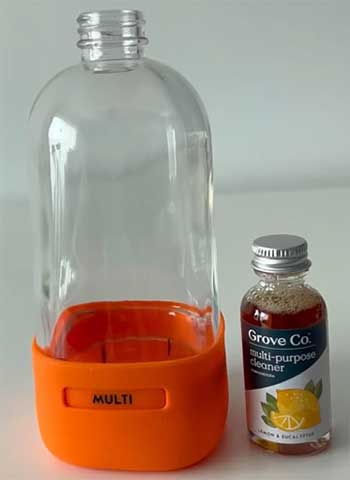
| Initial Bottles | Reusable plastic “Forever Bottles” | Reusable glass bottles with silicone sleeves |
| Packaging for Refills | Compostable paper wrappers | Recyclable aluminum or paper packaging |
| Key Product Range | Multi-surface, bathroom, glass, toilet tabs, laundry & dishwasher tablets, foaming hand soap | Multi-purpose sprays, dish soap, hand soap, laundry sheets, floor cleaners, plus curated third-party items |
| Scent Options | Limited (some unscented or light natural) | Wider variety of essential oil-based scents |
| Shipping & Convenience | Very compact refills; easy storage | Heavier refills but subscription model helps |
| Upfront Cost | Higher for starter kits with bottles | Bottles sold separately; concentrates affordable |
| Environmental Focus | Plastic-free refills, carbon-neutral shipping, Cradle to Cradle certified | Plastic-neutral, carbon-neutral shipping, B Corp, moving toward reduced plastic |
| Best For | Minimalist storage, travel-friendly refills | Broader home essentials, scent lovers |
I started with starter kits from both to see which fit my routine better. The experience felt refreshing—no more hauling heavy plastic jugs from the store. Yet differences emerged quickly in daily use, cost over months, and how each brand handles real-life messes.
My Experience Trying Blueland And Grove
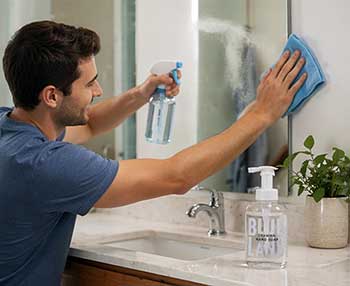
I remember unboxing my first Blueland Clean Essentials kit.
The bottles looked sleek and modern on my counter, and popping a tablet into warm water to create the spray felt almost magical—the fizzing action made me smile.
Grove’s glass bottles with colorful silicone sleeves gave a premium feel right away, and their concentrates mixed smoothly without much fuss.
Both cleaned everyday spills effectively. Blueland’s multi-surface tablet tackled kitchen counters with fewer sprays than I expected, leaving no sticky residue. Grove’s all-purpose cleaner cut through grease on my stove without harsh fumes.
For bathrooms, Blueland’s toilet tabs fizzed nicely and left a fresh lemon scent, while Grove’s shower spray prevented buildup when used regularly.
Over weeks, I noticed Blueland’s refills took up almost no cabinet space—those tiny compostable packets stacked easily. Grove’s small glass concentrate bottles felt sturdy but required more room.
When I traveled, Blueland tablets slipped into my bag effortlessly; Grove concentrates needed careful packing to avoid leaks.
Key Differences Between Blueland And Grove
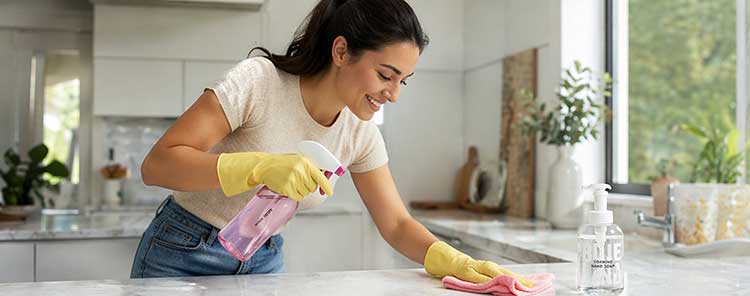
- Refill System and Convenience Blueland relies on solid tablets that you drop into reusable bottles filled with water. The process takes seconds, creates no liquid mess during shipping, and keeps everything ultra-lightweight. I loved how one small pouch replaced what would have been a bulky bottle. Grove uses liquid concentrates poured into glass or reusable bottles. It works well but feels slightly more hands-on, with a risk of spills if I’m rushing. Blueland wins for sheer simplicity and storage in small apartments.
- Packaging and Waste Reduction Blueland ships refills in home-compostable materials, which I can toss into my backyard bin or municipal compost. That feels genuinely zero-waste. Grove has shifted toward aluminum and recyclable options, and they offset plastic through recovery programs. Both reduce single-use plastic dramatically compared to traditional cleaners, but Blueland’s approach edges ahead for those who compost at home.
- Scent and Ingredient Experience Grove offers more fragrance choices—lavender, citrus, mint—that make cleaning sessions pleasant. Their formulas often use plant-based ingredients with natural essential oils. Blueland keeps scents lighter or unscented in many products, which suits sensitive noses or households with allergies. Both avoid harsh chemicals like bleach or ammonia, but Grove’s wider selection lets you customize the mood in your home.
- Product Range and Versatility Grove acts as a one-stop marketplace with its own Grove Co. line plus other trusted brands for sponges, cloths, and personal care. I could grab everything from floor cleaner to wool dryer balls in one order. Blueland focuses tightly on core cleaning tablets and refills, expanding into laundry and dishwasher options. If you want a full eco-home upgrade beyond sprays, Grove provides more variety.
- Bottle Durability and Design Blueland’s plastic Forever Bottles feel sturdy after design improvements, though some early users reported cracks. Grove’s glass bottles look elegant and last years with care, protected by silicone. I prefer Grove’s aesthetic on open shelves, while Blueland’s bottles blend into modern minimal kitchens.
- Subscription and Delivery Both offer easy recurring orders, but Grove’s model includes flexible pauses and a broader catalog. Blueland keeps deliveries simple and focused, with carbon-neutral shipping emphasized.
Key Features of Blueland
- Dissolvable cleaning tablets for sprays that activate with water, creating fresh solution each time.
- Toilet bowl cleaner tablets that fizz and tackle stains without scrubbing hard.
- Laundry and dishwasher tablets that are PVA-free, dissolving cleanly in machines.
- Foaming hand soap tablets in reusable dispensers for a luxurious lather.
- Compact, lightweight refills that dramatically cut shipping emissions.
- Cradle to Cradle Platinum certification for many formulas, ensuring safer ingredients.
- Compostable refill packaging and tins for tablet storage that look cute on counters.
- Carbon-neutral shipping and a strong focus on diverting billions of plastic bottles from landfills.
- Unscented or lightly scented options using plant and mineral bases.
- Easy-to-use starter kits that include multiple bottles and initial tablets.
- Refill costs that become affordable after the initial bottle purchase.
- Transparent impact reporting on plastic reduction and emissions savings.
I especially appreciate how Blueland’s tablets make refilling feel fun rather than chore-like. My kids even enjoy watching the fizz in the toilet bowl.
Pros of Blueland
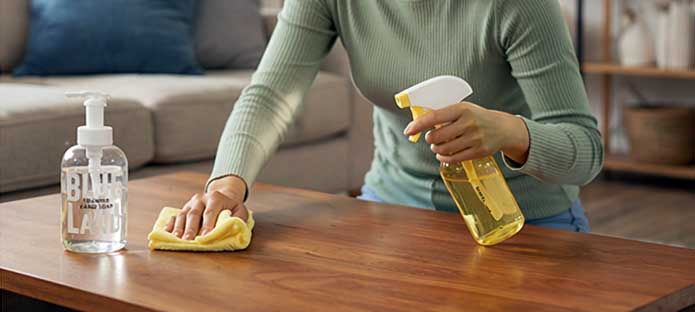
- Extremely compact refills save space and reduce transport weight, which lowers my carbon footprint indirectly.
- Truly plastic-free refill packaging that composts at home feels like a win every time I unpack an order.
- Effective on everyday messes—counters sparkle, bathrooms stay fresher longer.
- Lower long-term cost once you own the bottles; tablets are reasonably priced per use.
- Great for small homes or apartments where storage is limited.
- Innovative tablet format for laundry and dishwasher avoids plastic pods entirely.
- Strong certifications back up non-toxic claims, giving peace of mind around kids and pets.
- Carbon-neutral deliveries and ongoing impact tracking show real accountability.
- Minimalist design looks clean and modern in any kitchen or bath.
- Travel-friendly—throw a few tablets in a bag for trips without bulky bottles.
- Consistent performance across sprays without residue or streaks on glass.
- Community feel from a mission-driven brand that started with a clear anti-plastic goal.
The pros stack up especially when I think about my monthly waste bin. Fewer packages mean less guilt.
Cons of Blueland
- Higher upfront investment for the reusable bottles and starter kits.
- Some tablets require warm water and a bit of shaking to dissolve fully, adding a small step.
- Limited scent variety compared to traditional or Grove options.
- Not true disinfectants—great for cleaning but may need something stronger during illness seasons.
- Occasional reports of residue on dishes if the dishwasher tablet doesn’t dissolve perfectly in hard water.
- Bottles are plastic (though reusable forever), which might bother strict plastic-avoiders.
- Early bottle designs had durability issues, though improvements seem to have addressed this.
- Narrower product range focuses mainly on cleaning rather than full home essentials.
- Some users find the foaming hand soap less sudsy than liquid alternatives.
- Refill timing needs attention to avoid running out mid-clean.
- Not as widely available in physical stores as some competitors.
- Strong scents in certain variants can feel overpowering for sensitive households.
These drawbacks never stopped me from reordering, but they matter if you expect instant perfection.
Also Read: Is Meliora Laundry Powder Worth It?
Key Features of Grove Co.
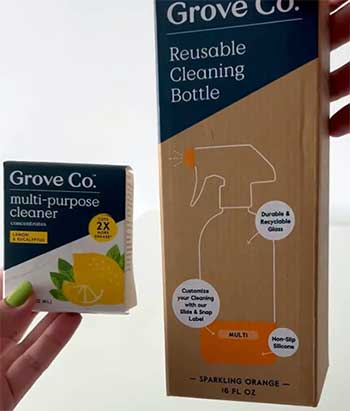
- Liquid cleaning concentrates in small, reusable glass bottles that mix easily with water.
- Wide array of scents using natural essential oils for a fresh home aroma.
- Reusable glass spray bottles with protective silicone sleeves in fun colors.
- Laundry sheets or concentrates that are mess-free and effective.
- Curated selection of third-party eco products like sponges, cloths, and personal care.
- Plastic-neutral shipping with recovery programs offsetting customer impact.
- B Corp certification and strict “no way” ingredient list avoiding many toxins.
- Carbon-neutral deliveries and commitment to reducing overall plastic use.
- Beautiful, minimalist packaging that looks premium on shelves.
- Flexible subscription with easy customization and pauses.
- Additional tools like wool dryer balls and reusable cleaning cloths.
- Plant-based formulas in many products for gentler cleaning.
Grove feels like a full lifestyle brand rather than just cleaners.
Pros of Grove Co.
- Broader selection lets me buy almost everything sustainable in one place—from cleaners to paper towels.
- Pleasant natural scents make cleaning sessions more enjoyable.
- Sturdy glass bottles feel high-quality and last for years.
- Effective formulas that handle grease, soap scum, and daily dirt well.
- Subscription model is convenient and prevents running out unexpectedly.
- Plastic-neutral and carbon-neutral practices provide measurable offsets.
- Access to other trusted brands expands options beyond their own line.
- Attractive design encourages display rather than hiding products.
- Good performance on floors and showers with regular use.
- Membership perks and occasional free items with orders add value.
- Strong focus on ethical sourcing and supplier standards.
- Easier integration if you already shop for multiple home categories.
I enjoy the variety—switching scents seasonally keeps things interesting.
Cons of Grove Co.
- Liquid concentrates are heavier to ship than tablets, potentially increasing emissions slightly.
- Refill packaging, while recyclable, isn’t always home-compostable.
- Glass bottles can break if dropped, though sleeves help.
- Some products feel pricier per use compared to conventional options.
- Wider availability in stores has decreased as they focus more on direct sales.
- Subscription defaults can feel pushy if not managed carefully.
- Not all items achieve full plastic-free status yet.
- Stronger scents might not suit everyone with sensitivities.
- Heavier initial bottles take more cabinet space.
- Performance can vary across their expanded line of third-party items.
- Less compact for storage or travel than tablet systems.
- Recent shifts away from aggressive plastic-free timelines raise questions for strict zero-waste seekers.
These issues are manageable, especially if you value scent and selection.
I have gone back and forth between the two depending on needs. For quick kitchen refreshes and minimal waste, Blueland edges out. When I want a full refresh with nice smells and extra tools, Grove wins. Both beat traditional cleaners on plastic reduction and ingredient safety.
Also Read: Is Ariel Laundry Detergent Worth It?
Frequently Asked Questions (FAQ)
Blueland formulates and manufactures its cleaning products and tablets in the USA, though the reusable Forever Bottles are designed in the US and manufactured in China.
Blueland reduces plastic waste significantly through lightweight, compostable refills and has strong certifications, but like any brand, its full impact depends on your usage and local recycling or composting access. It performs well compared to conventional options.
Grove pulled its branded products from brick-and-mortar stores like Target to focus on its direct-to-consumer business, as the retail channel proved consistently unprofitable despite earlier partnerships.
Blueland appeared in 2019, secured a deal with Kevin O’Leary, and the deal closed. The company grew rapidly afterward, expanding its product line, achieving strong sales, and continuing to scale with a focus on plastic reduction.
Wrapping It Up
After months of switching bottles, refilling tablets, and comparing how my home feels and smells, I can say both Blueland and Grove help you clean more consciously. You get effective, non-toxic performance while slashing single-use plastic.
Blueland shines when you prioritize ultra-compact, compostable refills and simplicity—perfect if you want to minimize storage and shipping weight. Grove stands out for its variety, appealing scents, and one-stop eco shopping experience.
You will likely enjoy either if you care about safer ingredients and reducing waste. Start with a small kit from the one that matches your priorities—tablets for convenience or glass bottles for premium feel.
Over time, you will notice lighter cabinets, fewer trips to the store, and the satisfaction of making a tangible difference. I keep both around now, using each for different tasks, because the real winner is having choices that actually work for your life and the planet.
Try one this month. You might be surprised how quickly the old plastic jugs disappear from your routine. Your counters, your conscience, and your future orders will thank you.