
I’ve spent countless weekends firing up my griddle for family breakfasts, neighborhood cookouts, and quick weeknight dinners.
When I started comparing the Blackstone Iron Forged and Omnivore lines, I wanted straight answers on which one actually delivers better results without wasting time or propane.
In this article, I share my real-user experience breaking down the key differences, features, pros, cons, and everything in between so you can decide what fits your cooking style and budget.
| Feature | Blackstone Iron Forged | Blackstone Omnivore (Standard Models) |
| Build Quality | Premium rugged frame, reinforced X-brace hood | Solid but more standard construction |
| Griddle Plate | Omnivore technology with warp control | Omnivore technology with warp control |
| Heat Distribution | Excellent evenness, built-in wind guards | Very good evenness, built-in wind guards |
| Fuel Efficiency | High (lower BTU needed for same performance) | High (optimized for efficiency) |
| Hood Design | Reinforced X-brace, durable protection | Standard hood (some models) |
| Storage & Shelves | Expanded cabinets, retractable shelves | Good side shelves, basic storage |
| Weight & Portability | Heavier, more stationary premium feel | Lighter options available |
| Price Range (approx.) | Higher (premium positioning) | More affordable entry points |
| Best For | Serious backyard chefs wanting longevity | Everyday cooks looking for great value |
I put both through the paces—smash burgers, pancakes, stir-fries, and even frozen foods—to see what holds up.
Key Differences Between Blackstone Iron Forged And Omnivore

- Construction and Durability: Iron Forged uses higher-end materials throughout the frame, hood, and supports for a more substantial, long-lasting build that resists dents and corrosion better over years. Omnivore focuses excellence on the cooking plate while keeping the rest practical and cost-effective for most users.
- Overall Station Design: Iron Forged feels like a complete outdoor kitchen with cabinets and expanded features ready for serious entertaining. Omnivore models emphasize the griddle performance with standard supporting elements that get the job done efficiently.
- Hood and Protection: Reinforced X-brace on Iron Forged provides superior rigidity and weather protection, keeping the griddle surface safer between uses. Omnivore hoods get the job done but lack the same reinforcement level for extreme conditions.
- Storage and Organization: Iron Forged includes more integrated cabinets and prep space that keeps your area tidy during big cooks. Omnivore relies more on side shelves and add-ons, which work well but may need supplementation.
- Weight and Portability: Iron Forged is heavier and geared toward semi-permanent setups where stability matters most. Omnivore offers lighter configurations for easier moving around the yard or to different locations.
- Aesthetics and Finish: Iron Forged has a sleeker, more premium appearance that enhances backyard spaces. Omnivore prioritizes function with a straightforward, no-frills look.
- Price Positioning: Iron Forged commands a premium for the full package of upgrades and durability. Omnivore delivers core innovations at a lower entry point that appeals to value-conscious buyers.
- Target User: Iron Forged suits dedicated enthusiasts wanting the best station for frequent, high-volume cooking. Omnivore works wonderfully for most home cooks seeking efficiency gains without the highest cost.
These distinctions helped me see why one might suit my needs better than the other depending on usage frequency.
Key Features of the Iron Forged That Impress Me
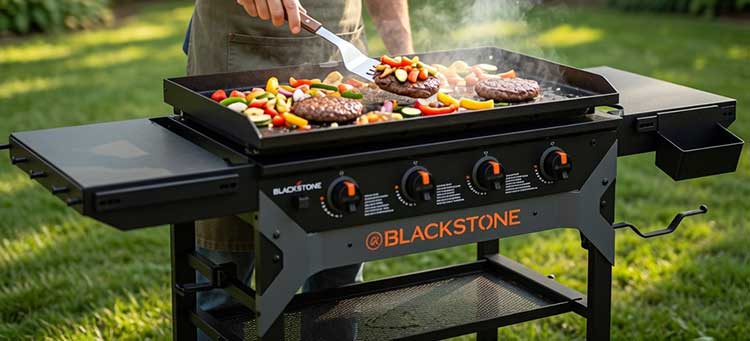
- Rugged Overall Design: The materials and assembly make it feel built to last through seasons of heavy use without rust or looseness, giving confidence that it will handle frequent moves around the patio or backyard without issues.
- Premium Hood: The X-brace reinforcement keeps the cover strong and protective against weather, helping shield the cooking surface from rain, dust, and debris when not in use.
- Convenient Extras: Tool hooks, grease management system, and spacious storage make daily cooking smoother by keeping utensils organized and reducing cleanup time after meals.
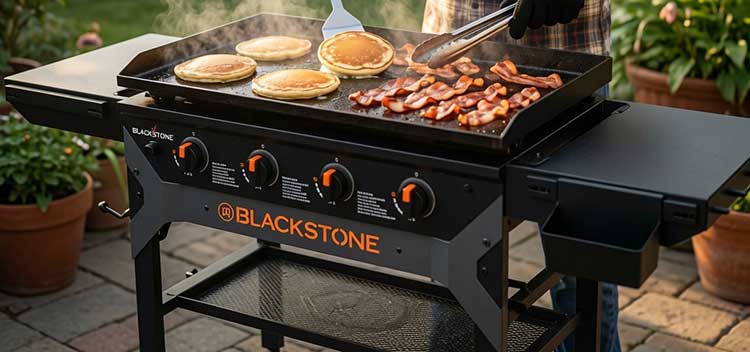
- Zoned Cooking Power: Multiple burners let me create hot sear zones and cooler areas simultaneously, perfect for cooking different foods at once like eggs on low and bacon on high.
- Easy Mobility with Stability: Swivel casters combined with a heavy base give the best of both worlds, allowing repositioning while maintaining firmness during active cooking sessions.
These elements turn weekend grilling into a reliable routine rather than a hassle.
Pros of the Blackstone Iron Forged
- Built like a tank with higher-quality frame and components that should hold up for years even with daily outdoor exposure and repeated use.
- Excellent heat retention and recovery thanks to the Omnivore plate integration, so temperatures stay steady when adding batches of cold ingredients.
- Superior wind resistance from integrated guards, so outdoor cooking stays consistent even on breezy days without losing heat to gusts.
- Ample storage options reduce clutter and keep everything at arm’s reach, including space for extra propane and accessories right on the unit.
- Sleek, modern appearance that looks sharp in my backyard setup and adds a polished touch to outdoor entertaining areas.
- Strong performance on high-volume cooks like large family meals or parties, handling crowds without slowing down.
- Better overall stability during use, minimizing wobbles when pressing down on smash burgers or flipping heavy loads.
- Thoughtful details like reinforced hood and leveling features make setup quick and ensure even cooking surfaces every time.
I’ve cooked for 15+ people without issues, and the unit still feels solid after repeated setups and breakdowns.
Cons of the Blackstone Iron Forged
- Higher price point compared to standard models, which might stretch some budgets depending on available funds for outdoor gear.
- Heavier weight makes it less ideal for frequent transport or camping trips where portability matters most.
- Takes up more permanent space once placed, requiring a dedicated spot in the yard or on the deck.
- Learning curve on the lower BTU system if you’re used to older high-output burners, though it adapts quickly with practice.
- Premium features may be overkill for occasional users who only cook a few times per month.
- Replacement parts could cost more due to the specialized design and higher-end materials used throughout.
- Initial seasoning and setup requires patience like any new griddle, though the process rewards with long-term performance.
For me, the investment pays off with daily use, but it might feel excessive if you only fire it up a few times a month.
Also Read: Differences Between Blackstone 1554 And 1866 Griddles.
Key Features of the Omnivore Models
- Warp Control Technology: The plate design resists warping better, leading to flatter cooking surfaces over time and more consistent results even after many heating and cooling cycles.
- Integrated Wind Guards: These keep heat focused and reduce interference from outdoor elements, directing warmth efficiently toward the food rather than away.
- Uniform Heat Control: Heat stays on the plate where it belongs for consistent results, minimizing hot spots and cold zones that plague older designs.
- Optimized Efficiency: Lower overall BTU requirements but still reaches searing temps quickly, helping stretch propane supplies during longer cooking sessions.
- Versatile Sizing Options: Available in various widths to match your space and needs, from compact setups for small patios to larger ones for bigger gatherings.
- Standard but Effective Accessories: Side shelves, grease management, and basic hoods on many units provide practical functionality without unnecessary complexity.
- Lighter Weight Options: Easier to move around compared to the full Iron Forged station, making them suitable for storage or occasional relocation.
The plate technology really shines through in everyday cooking.
Pros of the Blackstone Omnivore

- More budget-friendly pricing makes premium plate tech accessible to a wider range of home cooks and families.
- Excellent heat distribution and recovery for even cooking across the surface, delivering reliable results whether searing steaks or making delicate crepes.
- Fuel savings from efficient design mean less propane used per session, which adds up nicely over a full grilling season.
- Reduced warping issues compared to older traditional plates, keeping the surface flatter and easier to season properly.
- Great for beginners and experienced users alike, with straightforward controls that encourage experimentation with new recipes.
- Portable options available in the lineup for those who like to take the griddle to tailgates or campsites.
- Strong performance on frozen foods and high-volume cooking, handling everything from breakfast hash to fajita nights with ease.
- Easy to clean with the familiar Blackstone grease management, so post-meal maintenance stays quick and hassle-free.
- Versatile enough for breakfast, lunch, dinner, and everything in between, turning one appliance into a full outdoor kitchen.
I saved noticeable propane on long cooks, and the even toasting on bread tests impressed me every time.
Cons of the Blackstone Omnivore
- Standard frame and hood lack the premium ruggedness of Iron Forged, potentially showing wear sooner under very heavy daily use.
- Fewer built-in storage solutions on base models, requiring separate purchases or creative organization for tools and supplies.
- May require additional accessories for full convenience, such as extra shelves or covers for complete protection.
- Slightly less stability on uneven surfaces without upgrades, though still very usable in most backyard settings.
- Hood designs vary and can be less robust on entry models, offering good but not exceptional weather resistance.
- Aesthetics feel more functional than stylish, prioritizing performance over a high-end visual appeal.
- Some models have simpler components that wear faster under heavy abuse, like repeated high-heat sessions or frequent moving.
It delivers where it counts but doesn’t have that luxury feel.
Performance in Real Cooking Scenarios
I tested both with smash burgers, and the even heat on the Omnivore plate delivered perfect crusts without hot spots.
Pancake mornings showed consistent browning edge to edge. Stir-frying veggies revealed quick recovery when adding cold ingredients. On windy days, the built-in guards on both kept temperatures steady, but the Iron Forged overall station felt more planted.
Fuel consumption favored the efficient design—noticeably less propane for the same cook times. Cleanup remained straightforward with the rear grease management system common to both.
- Which One Should You Choose?
After extensive use, I lean toward the Iron Forged if you cook often and want a premium, durable station that elevates your outdoor cooking experience.
The Omnivore plate technology makes both excellent performers, but the full Iron Forged package adds convenience and longevity that justify the extra cost for frequent users.
If budget matters more or you want solid performance without all the bells and whistles, a standard Omnivore model gives fantastic results. The plate upgrade alone improves cooking over older Blackstones significantly.
- My Personal Recommendation
I keep my Iron Forged as the main backyard workhorse because the complete setup matches how I like to cook—organized, reliable, and ready whenever inspiration strikes. The Omnivore tech powers both, so you really can’t go wrong.
Consider your space, how often you’ll use it, and what features matter most to you.
Also Read: Differences Between Blackstone 1866 And 1932 Griddles.
Frequently Asked Questions (FAQ)
Yes, the Omnivore plate offers better heat distribution, less warping, faster recovery, and improved fuel efficiency compared to older traditional Blackstone tops.
It depends on your needs. Worth it for regular users who value premium build quality, extra storage, and durability. Occasional cooks may find standard Omnivore sufficient.
Iron Forged features higher-quality frame, reinforced hood, more storage, and rugged design while incorporating the Omnivore plate. Regular models use standard construction.
Main differences involve build materials, hood design, storage options, and overall station features. The Omnivore plate technology appears across newer lines with varying levels of premium components.
Wrapping It Up
I’ve shared my honest experiences comparing these two so you can make a confident choice for your backyard adventures. Whether you go with the full Iron Forged experience or a capable Omnivore model, the cooking performance will elevate your meals.
Think about your cooking habits, space, and budget, then pick the one that matches. You’ll enjoy reliable, fun outdoor cooking for seasons to come.