
When I compare an ASKO and Bosch dishwasher, I’m really asking one thing: which brand gives you the better daily experience for your money?
Both brands are premium, quiet, efficient, and built for serious home use, but they serve slightly different buyers.
ASKO leans toward rugged Scandinavian engineering and flexible loading, while Bosch focuses on quiet performance, drying tech, and broad model availability. I’ll break down the key differences, features, pros, cons, and real-world ownership feel so you can choose with confidence.
| Category | ASKO Dishwasher | Bosch Dishwasher |
| Best For | Buyers who want durable construction, strong racks, and premium Scandinavian design | Buyers who want quiet operation, excellent drying, and many model choices |
| Design Style | Minimalist, professional, stainless-heavy | Sleek, modern, widely adaptable |
| Interior Build | Known for stainless steel tubs and sturdy baskets | Stainless steel tubs on many models, depending on series |
| Drying Performance | Good, especially on higher-end models | Often stronger, especially with CrystalDry on select models |
| Noise Level | Quiet, usually premium-level | Extremely quiet, especially 800 Series and Benchmark models |
| Rack Flexibility | Very strong, especially with adjustable baskets | Excellent, especially with third rack and RackMatic systems |
| Cleaning Power | Strong and reliable | Very consistent across price levels |
| Price Range | Usually premium-priced | Wider range from mid-tier to luxury |
| Availability | More limited in some markets | Easier to find, service, and compare |
| Overall Value | Best if you prioritize build quality and long-term toughness | Best if you want quiet performance, drying, and choice |
Key Differences Between ASKO and Bosch Dishwashers
- Build Quality And Construction
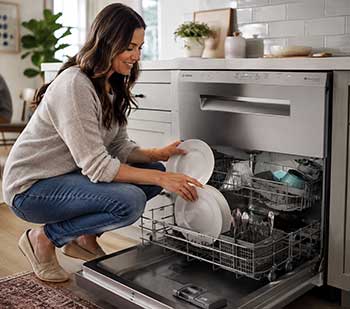
When I look at ASKO, the first thing that stands out is how serious the brand feels about construction.
ASKO dishwashers are often built with a heavy-duty mindset.
The racks feel substantial, the stainless steel interiors feel premium, and the overall design gives off a “built to work for years” vibe.
If you dislike flimsy baskets, wobbly tines, or lightweight doors, ASKO has a lot of appeal.
Bosch also builds excellent dishwashers, especially in its upper series, but the experience varies more across the lineup.
A Bosch 300 Series, 500 Series, 800 Series, and Benchmark model will not all feel the same.
The higher you go, the more refined and premium the machine feels. That is not a bad thing; it just means Bosch gives you more price points, while ASKO tends to live more firmly in the premium lane.
For you, this means ASKO may feel more like a long-term appliance investment, while Bosch may feel like the smarter buy if you want to balance quality, features, and budget.
- Drying Performance
This is one of the biggest areas where Bosch often gets the spotlight. Bosch dishwashers, especially models with advanced drying systems such as CrystalDry, are known for doing a strong job with plastics, cups, and mixed loads.
If you have ever opened a dishwasher and found water sitting on container lids, plastic bowls, and mug bottoms, you already know why drying matters.
ASKO drying is good, but Bosch usually has the edge if drying is your top priority. ASKO focuses more on solid washing, airflow, and premium internal design, while Bosch has made drying technology a major selling point in many models.
If I used a lot of plastic food storage containers, baby bottles, sports bottles, or lunchbox parts, I would lean Bosch. If I mostly washed plates, glasses, pans, and stainless cookware, ASKO would still feel very capable.
- Noise Level

Both brands are quiet enough for open-plan kitchens, but Bosch has built a huge reputation around whisper-quiet operation.
Some Bosch models are so quiet that you may need the indicator light to know they are running.
That is not marketing fluff; quiet operation is one of Bosch’s strongest everyday benefits.
ASKO dishwashers are also quiet, especially compared with average dishwashers, but Bosch gives you more options at different decibel levels.
If silence is a deal-breaker, Bosch makes it easier to shop by sound rating.
In real life, I would care about this most if the kitchen is close to a living room, home office, bedroom, or dining space.
A quiet dishwasher sounds like a luxury until you run it during a movie, a call, or late-night cleanup.
- Rack Design And Loading Flexibility
ASKO racks feel strong, purposeful, and practical. Many models include flexible zones, adjustable baskets, foldable tines, and dedicated areas for awkward items. I like ASKO’s approach because it feels designed for people who actually cook. Think tall glasses, mixing bowls, pans, utensils, and odd-shaped kitchen tools.
Bosch is also excellent here. Its third rack designs, adjustable middle rack, and flexible loading systems make it easy to fit different dishes without turning loading into a puzzle. Bosch’s RackMatic-style adjustment is especially useful when you need extra height for tall plates below or stemware above.
If you host often or cook from scratch, both brands can work beautifully. ASKO may feel sturdier in the hand, while Bosch may feel more refined and easy to customize.
- Price And Model Variety
Bosch wins on variety. You can find Bosch dishwashers at many price points, from more accessible models to luxury-level units. This makes Bosch easier to recommend to more people because not everyone wants to spend premium money.
ASKO usually sits in a more premium price bracket. That can be worth it if you value design, durability, and a less common high-end appliance. But if you are comparing feature for feature, Bosch often gives you more ways to match your budget.
If I were trying to get the best value under a strict budget, I would start with Bosch. If I wanted something a little more distinctive and rugged, I would give ASKO a serious look.
Key Features of ASKO Dishwashers

- Premium Stainless Steel-Focused Design: ASKO dishwashers often feel like they are made for people who want a professional, durable appliance rather than a flashy one. The interiors usually emphasize stainless steel, clean lines, and a sturdy build. I like this because it gives the machine a serious, long-life personality. For you, the benefit is simple: the dishwasher feels less disposable. The racks, tub, and internal layout often create confidence that the unit can handle heavy use.
- Flexible Basket Systems: One of ASKO’s strongest points is loading flexibility. The baskets are usually designed to hold a wide variety of dishes, from everyday plates to larger cookware. Adjustable racks and foldable sections make it easier to create space instead of fighting with the layout. This matters more than people think. A dishwasher can have great cleaning power, but if the racks are annoying, you will feel that frustration every single day.
- Strong Cleaning Cycles: ASKO dishwashers are known for reliable cleaning performance. They handle greasy plates, coffee mugs, bowls, and cookware well when loaded properly. Many models include specialized cycles for heavier loads, delicate items, quick washing, and energy-conscious cleaning. I would not buy ASKO just because it has a long list of cycles. I would buy it because the core washing performance feels dependable.
- Minimalist Scandinavian Styling: ASKO has a clean, restrained design language. It does not scream for attention. It blends into modern kitchens, especially those with panel-ready cabinets, stainless appliances, or minimalist finishes. If you want a dishwasher that feels premium without looking overly busy, ASKO does that well.
- Durable Rack Feel: This is a small thing that becomes a big thing over time. Rack quality affects how the dishwasher feels every time you use it. ASKO racks often feel stable and substantial. They slide with confidence and hold heavier dishes without seeming fragile. That kind of detail can make the appliance feel more satisfying to own.
Pros of ASKO Dishwashers
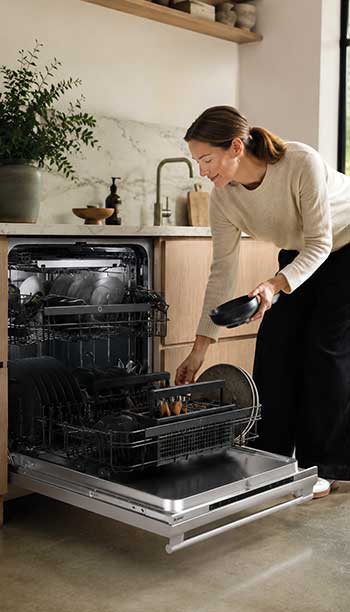
- Excellent Premium Build Feel: ASKO dishwashers often feel robust. The stainless-heavy construction, sturdy racks, and thoughtful layout create a high-end ownership experience. If you are tired of appliances that feel thin, plasticky, or temporary, ASKO can feel refreshing.
- Great For Serious Home Cooks: If your dishwasher regularly sees pans, prep bowls, utensils, plates, glasses, and serving pieces, ASKO’s loading flexibility can be a major plus. It feels designed for real kitchen mess, not just lightly used dinner plates.
- Clean, Elegant Design: ASKO looks refined without trying too hard. It works well in modern, minimalist, and premium kitchens. The styling is simple enough to age well, which matters if you do not want your kitchen to look dated quickly.
- Strong Rack Durability: The rack quality is one of the things I appreciate most about ASKO. A solid rack system makes loading easier and gives the machine a more premium feel.
- Good Long-Term Ownership Appeal: ASKO is appealing if you are buying with a long-term mindset. It may not always be the cheapest choice, but it has the kind of design and construction that makes it feel like a serious appliance.
Cons of ASKO Dishwashers
- Higher Price Point: ASKO dishwashers are usually expensive. That premium feel comes with a premium bill, and not every buyer will find the extra cost worthwhile. If you are mainly looking for clean dishes at the best price, ASKO may feel like more machine than you need.
- Limited Availability: Depending on where you live, ASKO may be harder to find, compare, service, or replace quickly. Bosch has a much wider presence in many markets, which can make shopping and ownership easier.
- Fewer Mainstream Reviews And Comparisons: Because ASKO is less common than Bosch, it can be harder to gather a large amount of owner feedback. That does not make it bad, but it does make pre-purchase research a little trickier.
- Drying May Not Beat Bosch: ASKO dries well, but Bosch has a stronger reputation for advanced drying on select models. If dry plastics are your personal dishwasher obsession, Bosch may be the safer pick.
Key Features of Bosch Dishwashers

- Extremely Quiet Operation: Bosch is one of the easiest brands to recommend when quietness matters. Many models operate at very low noise levels, making them ideal for open kitchens and smaller homes where sound travels quickly. This is one of those features you appreciate after purchase. A quiet dishwasher lets you run a load after dinner without turning the kitchen into a background hum machine.
- Excellent Drying Technology: Bosch’s higher-end drying systems are a major reason many buyers choose the brand. Select models are especially good at drying plastics, which is often the weak spot for dishwashers. If you hate towel-drying containers after a cycle, Bosch should be high on your list.
- Third Rack Convenience: Bosch helped make the third rack feel like a must-have feature. It is great for flatware, cooking utensils, measuring spoons, small lids, and awkward tools that would otherwise take up space below. Once you get used to a good third rack, going back feels weirdly primitive. Tiny fork chaos? No thanks.
- Wide Model Range: Bosch offers more choice than ASKO. You can compare different series, handle styles, drying systems, noise levels, and prices. This makes it easier to find a model that fits your kitchen and budget. That flexibility is a real advantage because not every buyer needs the most expensive dishwasher in the lineup.
- Consistent Cleaning Performance: Bosch dishwashers are known for dependable cleaning across many models. The brand tends to deliver strong everyday results without requiring much fuss. For most households, that is exactly what matters: load it, run it, unload clean dishes.
Pros of Bosch Dishwashers

- Excellent Quiet Performance: Bosch is a top pick if you want a dishwasher that barely announces itself. This matters in real life, especially if your kitchen connects to your living space.
- Strong Drying On Higher-End Models: Bosch’s better models are impressive for drying, especially when compared with many competing dishwashers. This is one of the biggest reasons I would choose Bosch for a busy family kitchen.
- Great Value Across Different Budgets: Bosch gives you options. You can buy a more affordable model or step up to a premium one. That makes it easier to get the features you care about without paying for extras you do not need.
- Easy To Find And Compare: Bosch dishwashers are widely available, which helps with pricing, installation, service, and replacement planning. This practical advantage should not be ignored.
- Smart Rack Systems: Bosch racks are flexible, user-friendly, and efficient. The third rack is especially useful if you want more room in the lower basket.
Cons of Bosch Dishwashers
- Build Feel Varies By Series: Not every Bosch feels equally premium. Entry and mid-tier models can be excellent, but they may not have the same luxury feel as the higher-end models.
- Best Features Cost More: The standout Bosch experience usually comes from the upper series. If you want the quietest performance, strongest drying, and most flexible racks, you will likely pay more.
- Popular Models Can Be Hard To Get: Because Bosch is so popular, some models can have availability issues depending on timing and location. That can be annoying if you need a replacement quickly.
- Design Is Refined But Common: Bosch looks good, but it is also common. If you want something that feels more distinctive or boutique, ASKO may have more personality.
Which Dishwasher Is Better For You?
I would choose ASKO if you want a premium-feeling dishwasher with sturdy racks, minimalist design, and a strong long-term build impression. It is a great match if you cook often, care about interior quality, and want something a bit less mainstream.
I would choose Bosch if you want a quieter dishwasher, better drying options, broader pricing, and easier availability. It is the safer recommendation for most households because it offers strong cleaning, excellent convenience, and a model range that fits more budgets.
For most people, Bosch is the better all-around buy. For someone who values rugged construction and distinctive premium design, ASKO can absolutely make sense.
Also Read: Is Kirkland Ultra Shine Dishwasher Detergent Any Good?
Frequently Asked Questions (FAQ)
My top three picks would usually include Bosch, Miele, and ASKO. Bosch is great for quiet performance and value, Miele is excellent for luxury durability, and ASKO is strong for premium construction.
No. ASKO is a Scandinavian-origin brand known for Swedish-style design and European appliance engineering.
Yes, ASKO is a good dishwasher brand, especially if you want sturdy racks, premium materials, and a minimalist design. It is usually best for buyers who are comfortable paying more for build quality.
Bosch is often considered one of the top-rated dishwasher brands overall, especially the Bosch 800 Series. Still, the best choice depends on your budget, kitchen layout, and drying needs.
Final Thoughts
After comparing ASKO vs. Bosch dishwasher models from a real buyer’s perspective, I would say Bosch is the easier recommendation for most homes because it is quiet, efficient, widely available, and excellent at drying on higher-end models.
But I would not dismiss ASKO. If you care about sturdy construction, premium rack design, and a clean Scandinavian look, ASKO has a strong case. Your best choice comes down to what you value more: Bosch’s refined everyday convenience or ASKO’s rugged premium feel.