
I have compared countless roofing options over the years while helping homeowners weigh durability against budget, and the choice between architectural shingles and asphalt shingles keeps coming up as one of the most practical decisions you will face for your house.
This article lays out the full picture so you can see exactly how these two materials stack up in real-world performance, cost, and appearance, giving you the clarity needed to pick the right covering for your roof without second-guessing later.
| Feature | Architectural Shingles | Asphalt Shingles (3-Tab) |
| Construction | Multi-layer laminated design | Single-layer flat design |
| Thickness | Thicker, dimensional profile | Thinner, uniform profile |
| Average Lifespan | 25–50 years | 15–25 years |
| Wind Resistance | Higher (up to 130 mph in many ratings) | Lower (typically 60–80 mph) |
| Appearance | Textured, shadow-line look resembling wood or slate | Flat, basic uniform look |
| Weight | Heavier per square | Lighter per square |
| Cost per Square | Higher (roughly 20–40% more) | Lower baseline price |
| Installation Complexity | Slightly more involved | Straightforward and faster |
| Warranty Range | Often 30–50 years limited | Often 20–30 years limited |
| Algae Resistance | Frequently includes better protective granules | Standard granules, more prone to staining |
Key Differences Between Architectural Shingles and Asphalt Shingles
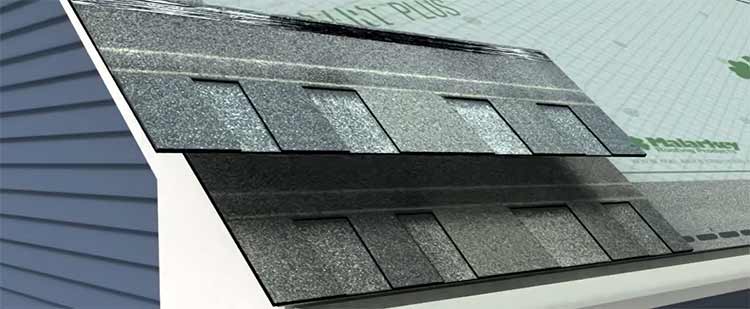
- Layer structure creates the biggest practical gap. Architectural shingles use two or more fiberglass mats laminated together with asphalt and ceramic granules, building real thickness that stands up better to foot traffic during maintenance and resists curling over time. Standard asphalt shingles rely on a single mat, so they stay flatter and thinner from day one.
- Dimensional profile changes how light hits the roof. The multi-layer build on architectural products produces visible shadow lines that give the surface depth, while three-tab asphalt shingles present a continuous flat plane that many people find less interesting once the newness wears off.
- Weight distribution affects the underlying structure. Architectural versions weigh more per square, which can matter on older homes with lighter framing, yet that extra mass also helps them stay put in high winds. Asphalt three-tab products keep the load lighter and can be the safer choice when structural reinforcement is not practical.
- Granule adhesion and coverage differ in measurable ways. Architectural shingles typically carry a heavier granule load that protects the asphalt better against ultraviolet damage, whereas standard asphalt shingles lose granules more readily after a decade of sun and storms.
- Edge design influences both sealing and visual finish. Architectural shingles often feature random or staggered cuts that hide seams, while three-tab asphalt shingles show clear tab lines that become more obvious as the roof ages.
- Manufacturing consistency varies between the two. Architectural products go through additional pressing and bonding steps that reduce the chance of early delamination, while three-tab asphalt shingles leave the factory thinner and more uniform but with less built-in redundancy.
- Fire rating potential sits higher for many architectural lines because of the denser composition, though both types can meet Class A standards when properly installed.
- Color retention over decades favors architectural shingles in most climates because the thicker mat and better granule bond slow the fading process that leaves three-tab roofs looking washed out sooner.
Also Read: How Driftwood And Weathered Wood Shingles Are Different?
Key Features of Architectural Shingles
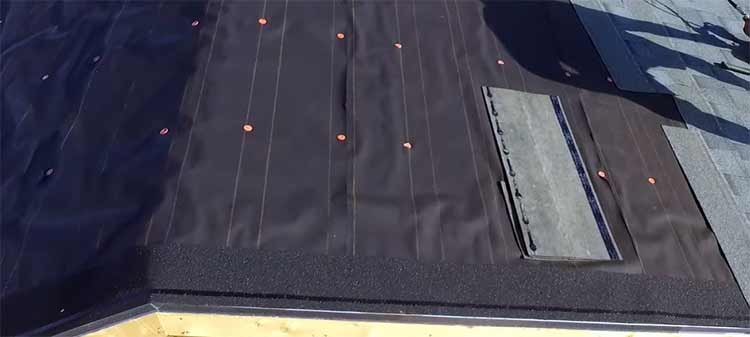
- Laminated multi-layer construction forms the core identity of these shingles. Two fiberglass mats receive asphalt saturation and then bond under pressure, creating a product that feels substantial in the hand and performs with greater rigidity once nailed down.
- Random-cut or patterned edges produce the dimensional look that homeowners notice from the street. The irregular profile casts natural shadows that mimic the appearance of cedar shakes or slate without the maintenance headaches those materials bring.
- Enhanced wind ratings come from the added mass and improved adhesive strips. Many architectural shingles carry manufacturer ratings of 110 mph or higher when installed according to instructions, giving peace of mind in storm-prone regions.
- Heavier granule application protects the underlying asphalt from ultraviolet breakdown more effectively than thinner products. The ceramic-coated granules also contribute to the richer color depth that lasts longer under direct sun.
- Built-in algae-resistant treatments appear on a larger share of architectural lines. Copper or zinc particles mixed into the granules slow the growth of blue-green algae that leaves dark streaks on roofs in humid climates.
- Self-sealing adhesive strips activate with solar heat to bond each course tightly to the one below. This feature reduces the risk of wind uplift and water intrusion at the overlaps.
- Longer limited warranties reflect the manufacturer’s confidence in the thicker design. Coverage frequently reaches 30, 40, or even 50 years for material defects, though labor coverage usually stays shorter.
- Compatibility with impact-resistant ratings exists in select architectural products. These versions incorporate modified asphalt or special mats that better withstand hail, earning Class 3 or Class 4 impact ratings in many cases.
- Color and texture variety expands far beyond basic three-tab options. Architectural shingles come in blends that shift tone across the surface, helping the roof blend with different architectural styles from colonial to contemporary.
- Installation still uses standard roofing nails and underlayment, so contractors familiar with asphalt work can handle them without specialized tools beyond careful alignment of the thicker pieces.
Pros of Architectural Shingles
- Superior longevity stands out as the strongest advantage. The multi-layer design resists the daily expansion and contraction cycles that crack thinner shingles, often delivering 30 or more years of reliable service when installed correctly.
- Improved curb appeal adds real value to the property. The textured surface and shadow lines make the roof look more expensive and better matched to higher-end homes, which can influence resale perception.
- Greater resistance to wind uplift protects the entire roof system. Higher manufacturer ratings and the extra weight keep the shingles locked down during severe storms that might peel three-tab products.
- Better performance against hail and impact comes with many architectural lines. The thicker mat absorbs energy that would puncture or bruise standard asphalt shingles, reducing the need for early repairs.
- Enhanced thermal performance results from the added mass and granule coverage. The roof surface reflects more heat and experiences less temperature swing, which can ease the load on attic insulation and cooling systems.
- Reduced granule loss over time keeps the asphalt layer protected longer. Homeowners notice fewer granules collecting in gutters after heavy rains compared with aging three-tab roofs.
- Stronger warranties provide longer peace of mind. Many manufacturers back architectural shingles with 40- or 50-year limited material warranties that transfer to new owners, supporting resale conversations.
- Versatility in style allows the roof to complement a wide range of exterior materials. Whether the house features brick, stone, or siding, architectural shingles offer color blends that create a cohesive look.
- Lower long-term maintenance needs follow from the durable construction. Fewer instances of curling, cracking, or missing tabs mean less frequent climbing on the roof for spot repairs.
- Potential insurance discounts appear in some regions for impact-resistant or high-wind-rated architectural products. Insurers sometimes reduce premiums when the roof meets certain performance thresholds.
Also Read: How IKO Shingles And Owens Corning Are Different?
Cons of Architectural Shingles
- Higher upfront material cost creates the most immediate drawback. The laminated construction and richer granule application push the price per square 20 to 40 percent above three-tab asphalt shingles, stretching budgets on large roofs.
- Increased weight demands careful evaluation of the existing structure. Older homes or those with lighter framing may need additional support before installation, adding unexpected expense and time.
- Slightly longer installation time raises labor costs. The thicker pieces require more attention during alignment and nailing, so crews often take longer to complete the same square footage.
- Limited flexibility in very cold weather can complicate winter work. The multi-layer build becomes stiffer in low temperatures, increasing the chance of cracking if installers force the shingles into place.
- Color matching for future repairs grows more difficult over decades. As manufacturers update blends, finding an exact match for a 20-year-old architectural roof can prove harder than matching standard three-tab colors.
- Potential for greater thermal expansion movement exists because of the thicker mass. In extreme temperature swings, the shingles can shift more, placing extra stress on the sealant strips and nails if the roof deck is not properly prepared.
- Higher shipping and handling costs sometimes appear on remote jobs because of the added weight per bundle. Suppliers may charge more to deliver the heavier product to the site.
- Aesthetic preference remains subjective. Some homeowners simply prefer the clean, uniform look of three-tab asphalt shingles and find the dimensional profile too busy for their taste.
Key Features of Asphalt Shingles

- Single-layer fiberglass or organic mat keeps the product simple and light. The mat receives asphalt saturation and a surface layer of granules, resulting in a flexible shingle that bends easily around ridges and valleys.
- Uniform three-tab cut creates the classic rectangular appearance most people picture when they think of a standard roof. The tabs measure roughly 12 inches wide and present a repetitive pattern across the surface.
- Lower weight per square reduces structural demand on the roof deck and trusses. This feature makes three-tab asphalt shingles a practical option for older homes or budget-conscious re-roofing projects where added mass could require reinforcement.
- Straightforward manufacturing process translates into lower material cost and wide availability. Nearly every roofing supplier stocks multiple colors of three-tab asphalt shingles, so matching or replacing sections remains easy years later.
- Quick installation speed benefits from the thinner profile and lighter handling. Roofing crews can cover large areas faster, which shortens labor time and can lower the total project price.
- Basic self-sealing strips still activate with heat to hold the tabs in place under normal wind conditions. While the bond is less robust than on thicker products, it performs adequately in moderate climates.
- Standard algae-resistant options exist but appear less consistently across budget lines. Some three-tab asphalt shingles include the protective granules, yet many entry-level versions omit them to keep the price down.
- Color range stays solid but more limited than architectural offerings. Solid tones dominate, with fewer multi-tone blends that create visual depth.
- Fire resistance meets Class A standards in most fiberglass-based three-tab products when installed over proper underlayment, providing solid protection against external fire sources.
- Flexibility in cold weather helps during winter installations. The thinner construction bends without cracking more readily than thicker laminated shingles when temperatures drop.
Also Read: How Cedar IKO And GAF Singles Are Different?
Pros of Asphalt Shingles
- Lower purchase price makes three-tab asphalt shingles the budget-friendly starting point. Homeowners covering large square footage or working with tight financing can complete the roof without overspending on materials.
- Lightweight nature simplifies structural considerations. Most existing roofs handle the load without reinforcement, removing a common source of project delays and extra engineering fees.
- Fast and familiar installation keeps labor hours down. Roofing crews install three-tab asphalt shingles quickly because the product behaves predictably and requires less precise layering than laminated versions.
- Wide availability ensures easy access to matching materials. Nearly every building supply outlet stocks common colors, so emergency repairs or small additions stay straightforward years after the original install.
- Adequate performance in mild climates delivers solid value. In regions without extreme wind, hail, or temperature swings, three-tab asphalt shingles provide reliable weather protection for 15 to 25 years.
- Greater flexibility during cold-weather installation reduces breakage risk. The thinner profile bends more readily when temperatures drop, allowing work to continue in seasons when thicker shingles become brittle.
- Simple visual consistency appeals to certain architectural styles. The flat, repetitive pattern suits traditional or minimalist homes where a textured roof would feel out of place.
- Easier DIY potential exists for skilled homeowners. The lighter weight and straightforward layout make small repairs or limited re-roofing projects more approachable without professional help.
Cons of Asphalt Shingles

- Shorter expected service life forces earlier replacement. Most three-tab asphalt shingles show significant wear between 15 and 25 years, so the lower initial cost can turn into higher lifetime expense through more frequent full replacements.
- Reduced wind resistance leaves the roof more vulnerable in storm corridors. Lower manufacturer ratings mean higher chances of tab lift and water intrusion during high-wind events.
- Faster granule loss accelerates aging. Once the protective surface wears thin, ultraviolet light and moisture attack the asphalt more aggressively, leading to curling, cracking, and eventual failure.
- Flat appearance lacks the depth many buyers now expect. The uniform surface can make the house look dated compared with neighboring homes that feature dimensional roofs.
- Greater susceptibility to algae staining appears in humid areas. Without consistent algae-resistant treatments, dark streaks develop sooner and require cleaning or earlier replacement to maintain curb appeal.
- Limited impact resistance increases damage risk from hail. Thin construction transmits impact energy more readily, producing bruises or punctures that compromise the waterproof barrier.
- Warranties typically cover fewer years. Material warranties often stop at 20 or 25 years, and transferability or labor coverage remains more restricted than on architectural products.
- Higher long-term maintenance frequency follows from the thinner design. Homeowners spend more time inspecting for missing tabs, sealing gaps, and clearing debris that accelerates wear.
Cost Considerations Over the Full Roof Life
When I examine total ownership cost rather than the sticker price, architectural shingles often close the gap. The higher material outlay spreads across more years of service, while three-tab asphalt shingles require a second full replacement within the same span for many homes.
Labor for the second install, disposal of the old roof, and temporary living disruptions add soft costs that rarely appear in the initial quote. In regions with frequent severe weather, the reduced claim frequency on architectural roofs can further tilt the financial picture.
Still, for a short-term ownership horizon or a secondary structure, the lower entry cost of asphalt three-tab products remains hard to ignore.
Installation and Maintenance Realities
Both products install over standard underlayment and use the same nailing patterns, yet the thicker architectural shingles demand more careful starter-course alignment and slightly longer nailing times. Once in place, architectural roofs need less frequent attention.
Three-tab asphalt shingles require regular checks for lifted tabs after storms and more aggressive cleaning to slow algae growth. Proper attic ventilation remains critical for either type; without it, heat and moisture shorten the life of the best materials.
I have seen well-ventilated three-tab roofs outlast poorly ventilated architectural ones, proving that installation quality and ongoing care matter as much as the shingle itself.
Also Read: How Cedar Shakes And Shingles Are Different?
Frequently Asked Questions (FAQ)
Higher purchase price, greater weight that may require structural checks, and slightly longer installation time form the main drawbacks.
For most long-term homeowners in demanding climates, the extended lifespan and reduced maintenance make the higher cost worthwhile.
Many properly installed architectural shingles reach or exceed 30 years, though actual results depend on climate, ventilation, and maintenance.
Avoid any shingles showing early granule loss, curling, or incomplete self-seal strips, and be cautious with the cheapest unrated three-tab products in high-wind or hail zones.
Closing Thoughts
I have walked through the full comparison so you now hold a clear view of how architectural shingles and asphalt shingles differ in construction, performance, and long-term value.
You can weigh the thicker, longer-lasting design of architectural products against the lower entry cost and lighter profile of three-tab asphalt shingles and decide which set of trade-offs fits your home, climate, and ownership plans.
Choose the option that matches the years you expect to stay and the weather your roof will actually face, and you will avoid the regret of an early replacement.