
I have compared countless roofing materials over the years, and the choice between architectural shingles and 3-tab shingles keeps coming up for homeowners who want solid protection without overpaying.
In this article I lay out the real differences in construction, performance, cost, and appearance so you can weigh what matters most for your roof and decide with clear information rather than guesswork.
| Feature | Architectural Shingles | 3-Tab Shingles |
| Construction | Multiple laminated layers of asphalt and fiberglass | Single layer of asphalt |
| Appearance | Textured, dimensional, 3D look that mimics wood shakes or slate | Flat, uniform, two-dimensional with three even tabs |
| Thickness & Weight | Thicker and heavier (roughly 250–400 lbs per square) | Thinner and lighter (roughly 200–250 lbs per square) |
| Lifespan | 25–50 years | 15–25 years |
| Wind Resistance | 110–130 mph (premium lines up to 150 mph) | 60–70 mph |
| Warranty | 30 years to limited lifetime | 20–30 years |
| Installed Cost | $5–$9 per square foot | $3–$5 per square foot |
| Impact Options | Class 3 or Class 4 available | Standard only |
Key Differences Between Architectural Shingles And 3-Tab Shingles
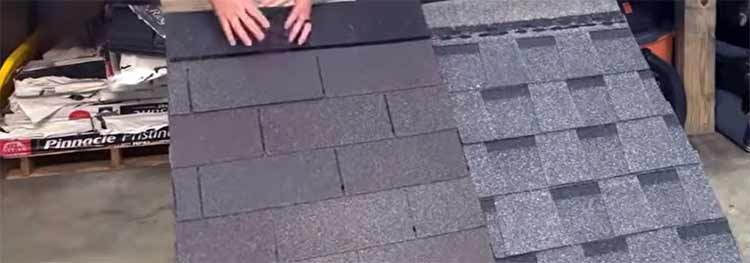
- Construction method. Architectural shingles fuse two or more layers under heat and pressure so the finished product is both thicker and more rigid. 3-tab shingles start as a single continuous mat that is simply cut and coated. The laminated approach gives architectural products their strength; the single-layer approach keeps 3-tab products light and inexpensive.
- Visual depth. Stand on the sidewalk and look up. Architectural roofs show ridges, valleys, and color shifts that catch light differently throughout the day. 3-tab roofs present a flat grid of identical rectangles that can look dated once newer homes in the area switch to dimensional styles.
- Resistance to wind uplift. The extra weight and interlocking edges of architectural shingles let them handle sustained winds that would lift the lighter 3-tab edges. In coastal or prairie regions this difference shows up after the first major storm season.
- Expected service life. I have measured architectural roofs that still shed water cleanly after thirty years. The same climate usually forces 3-tab replacement closer to the twenty-year mark. The gap widens in areas with freeze-thaw cycles or intense sun.
- Warranty length and coverage. Manufacturers stand behind architectural products with longer limited warranties, sometimes covering the entire life of the home under certain conditions. 3-tab warranties are shorter and often exclude more types of damage.
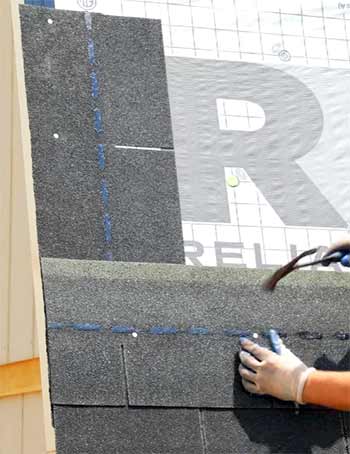
- Installation complexity. Architectural shingles demand careful alignment of the irregular tabs and thicker edges. 3-tab shingles follow a simple straight-line pattern that most crews finish faster. The time difference appears on the final invoice.
- Structural demand. The heavier architectural bundles can require a structural review on older homes or those with long unsupported spans. 3-tab products rarely trigger that extra step.
Also Read: A Homeowner’s Experience With Atlas Pinnacle Pristine Shingles.
Key Features of Architectural Shingles
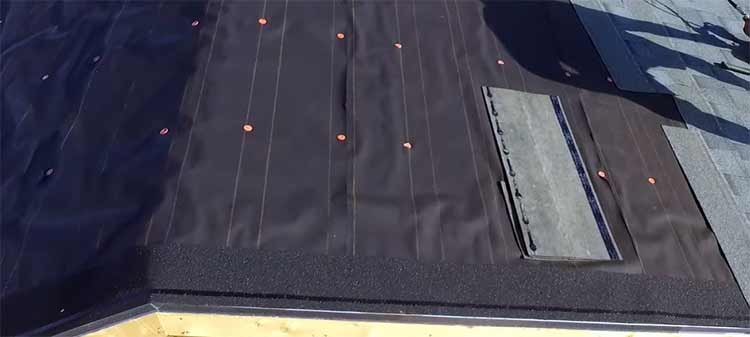
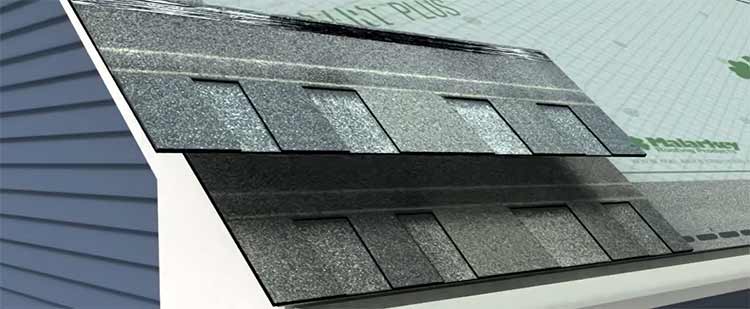
- Multi-layer laminated design that stacks asphalt and fiberglass mats together. This creates a thicker shingle that sits higher on the roof deck and resists the curling and buckling I often see on thinner products after years of sun and temperature swings. The extra material also helps the shingle hold its shape when ice dams form or when summer heat softens the asphalt.
- Dimensional profile that gives each shingle an irregular, layered edge. Instead of a flat plane you get shadow lines and depth that make the entire roof look more substantial from the street. Homeowners who want curb appeal without switching to real slate or cedar usually notice this difference the moment the job is finished.
- Higher weight per square that adds stability. The extra mass helps the shingles stay put during strong gusts and reduces the chance of wind-driven rain working underneath the edges. On older homes I always recommend checking the framing first because the added load is real.
- Granule adhesion that lasts longer under foot traffic and weather. The denser surface keeps the protective ceramic granules locked in place, which means the underlying asphalt stays shielded from ultraviolet rays for more seasons. I have walked roofs where the granules on architectural products still look sharp after fifteen years while neighboring 3-tab roofs show bare spots.
- Flexible installation patterns that allow staggered or random layouts. Contractors can create custom visual effects by mixing color blends or adjusting exposure, something the rigid three-tab pattern never allows. That flexibility shows up clearly on complex roofs with hips, valleys, and dormers.
- Available impact ratings that meet insurance requirements in hail-prone regions. Class 4 versions can lower premiums for some owners, and the thicker mat absorbs the force of falling ice or branches better than a single-layer sheet.
Pros of Architectural Shingles
- Longer real-world lifespan that spreads the cost of the roof over more years. When I calculate total ownership expense, the higher upfront price often becomes the cheaper option after two decades because you avoid an early tear-off and replacement. I have seen architectural roofs still performing well past the thirty-year mark in moderate climates, which means fewer disruptions and less money spent on temporary repairs along the way.
- Stronger protection against wind, hail, and ice. The multi-layer build and higher wind ratings give me confidence that the roof will stay intact through storms that strip thinner products. In hail country the Class 4 options further reduce the chance of punctures that lead to leaks. The thicker mat also handles the repeated freeze-thaw cycles better, so ice dams are less likely to force water underneath the edges during a hard winter.
- Noticeable boost in curb appeal and potential resale value. Buyers walking up to a house respond to the dimensional texture the same way they respond to fresh paint or new windows. Appraisers and real-estate agents routinely note the upgrade. The layered look photographs better for listings and tends to make the entire exterior feel more finished without any other changes.
- Better temperature performance. The thicker mass absorbs heat more slowly and releases it more evenly, which can reduce the expansion and contraction that cracks thinner shingles. I see fewer thermal splits on architectural roofs in both hot and cold climates. That stability also helps the granules stay locked in place longer, keeping the asphalt protected from ultraviolet damage season after season.
- Wider color and style selection. Manufacturers offer dozens of blends that create custom looks without special ordering. Matching existing trim or neighboring homes becomes easier. You can even mix subtle color variations across the roof to create depth that a uniform 3-tab product simply cannot match.
- Insurance advantages in some markets. Higher impact ratings and longer warranties can qualify owners for discounts that partially offset the material cost over time. In regions where hail or high winds are common, those savings can add up enough to make the extra investment feel more practical.
Cons of Architectural Shingles
- Higher material and labor cost that can stretch a tight budget. The price gap of 20 to 30 percent is real, and on a large roof it can add thousands of dollars before the first nail is driven. Even when the long-term value is clear, the immediate cash outlay still stops some homeowners from choosing this option.
- Extra weight that may require reinforcement. Older homes with undersized rafters sometimes need sistering or additional bracing before the heavier shingles can go on. That structural work adds both time and expense. I always recommend having a professional check the framing first so there are no surprises once the old roof comes off.
- More demanding installation conditions. Extreme heat softens the thicker asphalt and makes the shingles hard to handle; heavy rain or high wind can damage the laminated edges before they are nailed. Crews must wait for better weather windows. The added care required during placement also means the job can take a day or two longer than a standard 3-tab install.
- Still an asphalt product with environmental drawbacks. The petroleum base and eventual landfill volume remain concerns even though recycling programs exist in some areas. Owners focused on green materials often look past architectural options for metal or other longer-lasting alternatives. The manufacturing process itself carries a larger carbon footprint than some newer roofing technologies.
- Potential for granule loss under severe foot traffic or abrasive storms. While better than 3-tab, the surface can still wear if workers walk the roof repeatedly or if nearby trees drop abrasive debris. Once the protective granules thin out, the underlying asphalt becomes more vulnerable to ultraviolet damage and premature aging.
Also Read: A Homeowner’s Experience With IKO Dynasty Shingles.
Key Features of 3-Tab Shingles
- Single-layer asphalt sheet cut into three equal tabs. The design is simple and has been the industry standard for decades. Each strip covers a consistent area, which makes estimating and installing straightforward for crews who work fast.
- Uniform flat surface that creates clean horizontal lines across the roof. If you prefer a traditional, no-frills look or need to match an older neighborhood aesthetic, this even pattern delivers exactly that. There are no random shadows or layered edges to break up the plane.
- Lighter weight that places less stress on the roof structure. On homes with older rafters or limited load capacity this can be the deciding factor. The reduced mass also makes the bundles easier to carry up ladders and across the roof deck.
- Lower material cost per square that keeps the overall project budget smaller. For a typical 2,000-square-foot roof the savings can reach several thousand dollars before labor is even calculated. That price difference still matters to many owners who plan to sell within ten years.
- Straightforward installation that requires fewer specialized techniques. The identical tabs line up quickly, and most experienced crews can finish a job in less time than they would need for laminated products. Faster completion means lower labor bills and less disruption to daily life.
- Standard granule coverage that provides basic ultraviolet protection. While the coating is thinner than on architectural versions, it still shields the asphalt long enough for the expected service life of the product when the roof is properly maintained.
Pros of 3-Tab Shingles
- Lowest upfront cost among asphalt options. For homeowners who need a functional roof quickly and plan to move within a decade, the savings free up money for other repairs or improvements. The lower material price often keeps the entire project within reach when budgets are limited or when the house will not be a long-term investment.
- Lighter load that fits most existing structures without extra engineering. I rarely recommend a structural inspection when the plan is 3-tab, which keeps the project simple. The reduced weight also makes the bundles easier for crews to carry and position, which can shave a little time off the install schedule.
- Faster installation that shortens the time the house is exposed. Crews can cover more squares per day, which reduces labor hours and the risk of weather interruption. The uniform shape lets installers work in a steady rhythm without the constant adjustments required by irregular architectural tabs.
- Familiar appearance that matches many older neighborhoods. If the goal is continuity rather than a style upgrade, the flat three-tab pattern blends in without drawing attention. In historic districts or streets filled with similar roofs, this consistency can actually be an advantage.
- Adequate performance in mild climates. In regions without high winds, heavy hail, or extreme temperature swings the shorter lifespan is less of a drawback. When weather stress stays moderate, a well-installed 3-tab roof can still deliver reliable protection for its expected service life.
Cons of 3-Tab Shingles
- Shorter service life that forces earlier replacement. The single-layer construction simply wears out sooner under the same conditions that leave architectural shingles intact. Once the granules thin and the asphalt begins to dry out, leaks and curled edges appear faster, pushing the next full roof job ahead of schedule.
- Lower wind ratings that leave the edges vulnerable. I have inspected roofs after moderate storms where entire rows of 3-tab shingles lifted while neighboring architectural roofs stayed secure. The lighter weight and simpler tab design give the wind more surface area to catch and peel.
- Flat, dated look that can hurt curb appeal. Once buyers compare the two styles side by side, the dimensional product almost always wins preference. The uniform grid can make a house feel older even when the rest of the exterior is well maintained.
- Limited impact resistance. Standard 3-tab products rarely carry Class 3 or 4 ratings, so hail claims and insurance discounts are harder to obtain. In storm-prone areas this gap becomes more noticeable after the first major weather event.
- Declining availability as manufacturers shift production. Finding matching colors for repairs is already becoming harder, and full-roof supplies continue to shrink. As more companies focus on laminated products, 3-tab options grow scarcer and sometimes more expensive simply because fewer plants still produce them.
Also Read: A Homeowner’s Experience With Certainteed Roof Shingles.
Frequently Asked Questions (FAQ)
Look for uniform vertical cut lines that create three identical tabs on each strip; that pattern signals 3-tab. Architectural shingles show irregular layered edges and a thicker, multi-level surface with no repeating tab lines.
They cost more up front, weigh more (sometimes requiring structural checks), and need careful weather windows for installation. They remain an asphalt product with the usual environmental concerns.
Manufacturers and homeowners favor longer-lasting, better-looking products. Shorter lifespan, weaker wind performance, and dated appearance have reduced demand, so production continues to drop.
Final Thoughts
When I step back and look at both options side by side, the decision usually comes down to how long you plan to stay in the house, how severe the local weather is, and how much the finished appearance matters to you.
Architectural shingles deliver stronger protection and a more polished look for owners who expect the roof to last decades. 3-tab shingles still serve well when budget and speed take priority.
You now have the detailed comparison, so you can match the product to your actual needs rather than settling for whatever the contractor suggests first.