
When I compare Amana vs. Carrier, I’m really comparing two buying styles: practical value versus premium comfort.
You may want a dependable HVAC system that keeps costs under control, or you may want advanced technology, quieter operation, and tighter indoor comfort.
In this article, I’ll help you compare both brands from a real homeowner’s angle: price, features, efficiency, reliability, warranty, pros, cons, and long-term value.
| Category | Amana | Carrier |
| Best for | Value-focused homeowners | Premium comfort seekers |
| Brand style | Practical, warranty-focused, budget-friendly | High-end, technology-driven, widely recognized |
| Product range | ACs, heat pumps, furnaces, packaged units, indoor air products | ACs, heat pumps, furnaces, ductless systems, indoor air products, controls |
| Efficiency | Good to high, depending on model | Strong range, especially premium models |
| Comfort control | Solid and simple | More advanced, especially variable-speed systems |
| Noise level | Quiet in better models | Often quieter in upper-tier models |
| Warranty appeal | One of its biggest strengths | Good, but varies by model and registration |
| Price | Usually more affordable | Usually more expensive |
| Best fit | You want dependable comfort and strong value | You want refined comfort and advanced features |
Key Differences Between Amana and Carrier
- Brand Identity
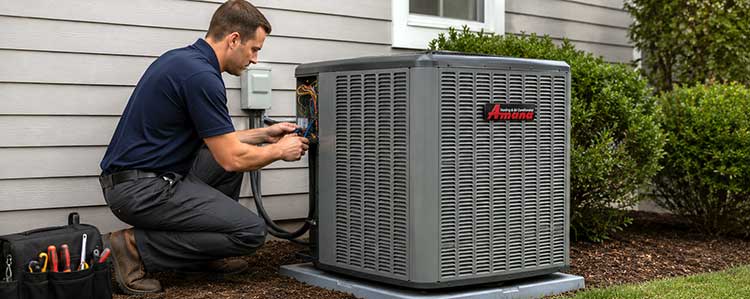
Amana is practical, value-focused, and warranty-driven. I see it as a brand that speaks to homeowners who want dependable heating and cooling without paying top-tier prices.
Carrier has a more premium identity. It is often chosen by homeowners who want advanced technology, strong brand recognition, and a more polished comfort experience.
- Price And Value
Amana is usually easier to justify if your budget is tight. If your old AC or heat pump fails and you need a sensible replacement, Amana can give you solid performance without pushing you into luxury pricing.
Carrier usually costs more, especially in its premium lines. That higher price can make sense if you want quieter operation, better humidity control, variable-speed performance, or a more advanced control system. I would only pay extra for Carrier if the added features clearly improve your comfort or long-term ownership experience.
- Warranty Confidence
Amana’s warranty story is one of its biggest advantages. The brand often appeals to buyers who worry about expensive repairs after installation.
Carrier also offers warranty coverage, but the exact value depends on the model, registration, installation, and ownership terms. Carrier’s stronger pitch is usually comfort technology and brand reputation, while Amana’s stronger pitch is value and protection.
- Comfort Technology
Carrier tends to win at the top end. Its premium systems can offer smoother operation, better humidity handling, and more precise temperature control. If you hate hot and cold spots, sticky indoor air, or loud cycling, Carrier deserves serious attention.
Amana still offers comfortable systems, especially in its better models. But its main appeal is dependable comfort at a more approachable price, not luxury-level refinement.
- Dealer And Installation Experience
This part matters more than the logo. A poorly installed Carrier can disappoint you. A well-installed Amana can perform beautifully.
With Carrier, you may find a larger dealer network in many areas. With Amana, you may find competitive local contractors who focus on value. I would compare installation quality, labor warranty, ductwork evaluation, load calculation, and service reputation before choosing either brand.
- Efficiency Range
Both brands offer efficient systems. Carrier usually feels stronger in the premium efficiency and variable-speed categories. Amana gives you good high-efficiency choices too, but its sweet spot is often the middle-to-upper value range.
Do not buy based on efficiency ratings alone. Your real savings depend on climate, utility rates, insulation, ductwork, thermostat habits, and correct sizing.
Key Features of Amana
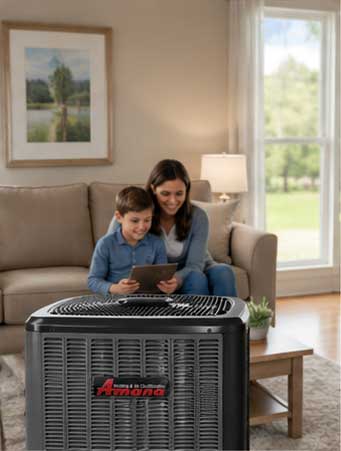
- Strong warranty appeal: Amana understands homeowner anxiety. HVAC systems are expensive, and nobody wants to buy a new unit only to worry about major repairs a few years later. That is why Amana’s warranty positioning matters. It gives buyers confidence, especially when comparing against brands with higher upfront prices. You still need to read the terms carefully, because registration, labor, maintenance, and installation details can affect coverage.
- Practical product lineup: Amana offers the core products most homeowners need: central air conditioners, heat pumps, gas furnaces, packaged systems, and indoor air quality accessories. You may not get the same premium-tech branding Carrier uses, but Amana covers the essentials well. If you are replacing an aging system and want something dependable, Amana can be a very sensible option.
- Value-focused comfort: Amana should not be dismissed as simply a cheap brand. A better way to describe it is value-focused. You can get good heating and cooling performance without stretching your budget too far. This makes Amana especially appealing for moderate climates, rental properties, budget-conscious homeowners, and anyone who wants a practical replacement system.
- Good efficiency options: Amana has efficient models that can reduce energy use compared with old equipment. That can matter if you live somewhere with long summers, cold winters, or high utility costs. Still, I would not chase the highest rating blindly. Ask your contractor whether the efficiency upgrade makes financial sense for your home.
- Simple ownership experience: Some homeowners love advanced controls. Others just want the thermostat to work. Amana can be a good fit if you prefer simple operation and fewer complicated features. That simplicity can make ownership feel easier. Fewer premium components may also mean fewer specialized repair concerns later.
Amana Pros
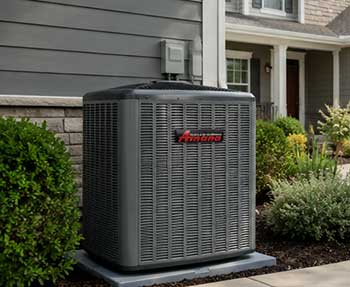
- Better Value For Many Homeowners: Amana often makes sense when you want dependable comfort without premium pricing. I like it for homeowners who want a smart balance of cost, reliability, and warranty appeal. You may not get Carrier’s most advanced comfort controls, but you can still get a system that performs well when installed correctly.
- Warranty Coverage Is A Major Selling Point: Amana’s warranty focus gives it a clear advantage in value conversations. If you worry about major component failures, this can be reassuring. Just make sure you understand what is covered, what is excluded, and whether labor is included by your contractor.
- Good Choice For Budget-Conscious Replacements: When an old HVAC system fails, many homeowners are not shopping for luxury. They need reliable heating or cooling at a price they can handle. Amana fits that situation well. It can be a practical replacement brand when paired with a skilled installer.
- Simple And Familiar Operation: Not everyone wants an HVAC system loaded with advanced controls. Amana’s straightforward approach can be a benefit if you want fewer learning curves and fewer compatibility concerns.
- Solid Middle-Ground Efficiency: Amana gives you options above basic equipment without forcing you into premium pricing. For many homes, that middle ground is where the best value lives.
Amana Cons
- Less Premium Refinement Than Carrier: Amana may not feel as smooth or advanced as Carrier’s best systems. If you want very quiet operation, variable-speed performance, and strong humidity control, Carrier may be more satisfying.
- Dealer Experience Can Vary: Like any HVAC brand, Amana depends heavily on the contractor. Poor airflow, bad sizing, weak ductwork, or sloppy installation can ruin performance. I would rather have a well-installed Amana than a poorly installed Carrier.
- Less Prestige: Carrier has stronger premium recognition. Amana is respected, but it may not carry the same high-end perception. That may matter if you care about resale impression or brand image.
- Advanced Controls May Be Less Compelling: Amana works well for straightforward comfort, but Carrier has a stronger premium control ecosystem. If your home has zoning needs, humidity problems, or uneven rooms, Carrier may offer better solutions.
Key Features of Carrier
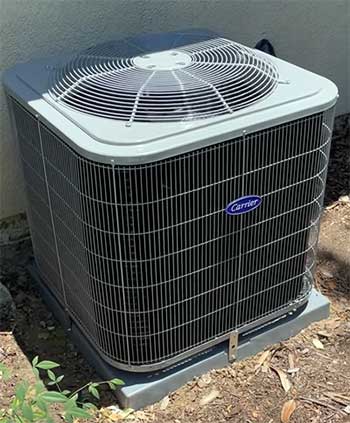
- Premium System Options: Carrier’s higher-end systems are designed for homeowners who care about comfort quality, not just basic heating and cooling. If you are sensitive to indoor humidity, uneven temperatures, or equipment noise, Carrier’s premium models can be very appealing.
- Advanced Comfort Control: Carrier’s best systems can run in more flexible stages rather than simply turning fully on and off. That can help maintain steadier temperatures and better humidity control. For me, this is Carrier’s biggest real-life advantage. Premium comfort is about how your home feels throughout the day, not just whether the thermostat eventually reaches the set temperature.
- Smart Thermostat Compatibility: Carrier’s advanced controls can help manage scheduling, humidity, system communication, and comfort settings. If you like smart-home features and system feedback, Carrier may feel more modern. The tradeoff is complexity. Advanced systems may require more knowledgeable technicians and could involve higher repair costs.
- Broad Product Ecosystem: Carrier offers air conditioners, heat pumps, furnaces, ductless systems, indoor air quality products, and controls. That makes it easier to build a matched comfort system under one brand. A matched system can be useful if you want components designed to work together smoothly.
- Strong Brand Recognition: Carrier is one of the most recognized HVAC names. That can help with homeowner confidence, dealer availability, and resale perception. Still, a famous name does not guarantee a great result. Installation quality and proper sizing remain critical.
Carrier Pros
- Excellent Premium Comfort Potential: Carrier’s upper-end systems can deliver steady temperatures, quieter operation, and better humidity control. If comfort is your top priority, Carrier is hard to ignore. This is where I would lean Carrier: larger homes, humid climates, comfort-sensitive households, and long-term homeowners.
- Strong Brand Reputation: Carrier has a trusted name in HVAC. That reputation can make a major purchase feel less risky. However, I would still evaluate the installer carefully. Ask about sizing, ductwork, model selection, and labor warranty.
- Broad System Choices: Carrier gives you options across basic, midrange, and premium categories. You can choose a simpler unit or step up to advanced comfort equipment. That flexibility helps because every home does not need the same system.
- Advanced Controls And Smart Comfort: Carrier’s premium controls can make the system feel more refined. Scheduling, humidity settings, system communication, and comfort adjustments can be easier. If you enjoy smart-home features, Carrier has the edge.
- Strong Option For Heat Pumps: Carrier has a strong heat pump lineup, which matters as more homeowners consider electric heating and cooling. If you are replacing both heating and cooling equipment, Carrier heat pumps are worth pricing.
Also Read: My Experience With Bryant Heat Pump.
Carrier Cons
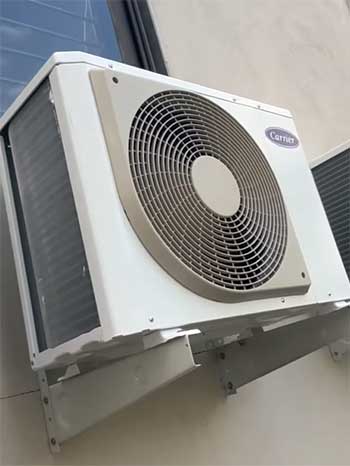
- Higher Upfront Cost: Carrier can get expensive, especially with premium equipment and advanced controls. The installed price may be much higher than Amana. I would choose Carrier when the extra comfort and technology solve a real problem, not just because the name is familiar.
- Repairs May Cost More: Advanced systems can include more specialized parts. Variable-speed components, communicating controls, and premium boards may be more expensive to repair. This does not mean Carrier is a bad choice. It means you should ask about labor coverage and technician experience.
- Not Every Carrier Model Is Premium: A basic Carrier system is not the same as a top-tier Carrier system. If someone says Carrier is better, ask which model they mean. Model level matters a lot.
- Warranty May Feel Less Aggressive Than Amana’s Value Pitch: Carrier has good warranty options, but Amana often feels stronger when warranty protection is the main concern. If warranty confidence is your top priority, Amana may be more appealing.
Which Brand Is Better for Air Conditioners?
For central air conditioners, I would choose Amana if I wanted reliable cooling at a more affordable installed price. I would choose Carrier if I wanted quieter operation, stronger humidity control, and more advanced comfort.
If you live in a mild climate and only run AC part of the year, Amana may be the more practical choice. If you live somewhere hot and humid, Carrier’s premium models may justify the extra cost.
Which Brand Is Better for Heat Pumps?
For heat pumps, Carrier has an advantage in premium performance and advanced comfort. If you want a more refined year-round system, Carrier deserves attention.
Amana still makes sense if you want solid heat pump performance with better value. In moderate climates, an Amana heat pump can be a smart buy.
Your local climate matters. Ask your contractor how the system performs in your winter temperatures and whether backup heat is needed.
Which Brand Is More Reliable?
Reliability depends heavily on installation. Oversized equipment, poor ductwork, weak airflow, bad refrigerant charge, and poor maintenance can hurt any brand.
Both Amana and Carrier can be reliable when installed well. Amana may feel safer for value and warranty-focused buyers. Carrier may feel stronger for premium comfort when installed by an experienced dealer.
Which Brand Gives Better Long-Term Value?
Amana often wins for homeowners who want lower upfront cost and strong warranty appeal. It is a smart choice when budget matters and you still want dependable comfort.
Carrier wins when premium features improve daily life. If your current system leaves rooms uneven, humidity high, or noise annoying, Carrier’s better models may be worth the investment.
The worst move is buying more system than your home needs. The second worst move is choosing the cheapest quote from a weak installer.
Also Read: My Experience With Ducane Air Conditioner.
Frequently Asked Questions (FAQ)
No. Amana and Carrier are different HVAC brands with different product lineups, pricing, warranties, and comfort technologies.
Carrier, Trane, and Lennox are often viewed as top AC brands, though installation quality matters just as much as the brand.
The $5000 rule says to multiply repair cost by system age. If the result is over $5,000, replacement may make more sense.
Carrier, Trane, Lennox, and Mitsubishi are often considered reliable, but proper sizing and installation matter most.
Final Verdict
If you want my honest take, Amana is the smarter choice for many budget-conscious homeowners, while Carrier is better for homeowners who want premium comfort and advanced performance.
Choose Amana if you want value, warranty confidence, and dependable heating and cooling without stretching your budget. Choose Carrier if you want quieter operation, stronger comfort control, smart features, and a more refined ownership experience.
In the end, I would not choose based on brand alone. I would choose based on your home, your climate, your quote, your contractor, and your comfort expectations. That is the real reason this comparison matters: it helps you choose the HVAC system that actually makes sense for you.