
As someone who’s spent countless evenings lounging around, I’ve always been drawn to furniture that promises ultimate comfort without sacrificing style. In this article, I compare Yogibo and Lovesac, two popular brands known for their innovative bean bags and modular seating.
My main intent is to break down their features, pros, cons, and direct matchups to help you figure out which might suit your home and lifestyle better. Whether you’re after a quick nap spot or a family hangout, I’ll share my thoughts from a user’s perspective.
| Feature | Yogibo | Lovesac |
| Main Products | Bean bags, loungers, body pillows | Sacs (bean bags), Sactionals (modular sofas) |
| Filling Material | High-density beads | Durafoam (closed-cell memory foam) |
| Cover Material | Stretchy, soft fabric blends | Machine-washable, durable fabrics |
| Price Range | $100-$400 per item | $300-$1,000+ per item |
| Durability | Good, with some flattening over time | Excellent, retains shape longer |
| Customization | Limited colors and sizes | High, with modular pieces |
| Warranty | 1-year limited | Lifetime on frames, 3-year on fills |
| Weight | Lightweight, easy to move | Heavier due to foam |
| Comfort Style | Body-conforming, ergonomic | Supportive, like a giant pillow |
Head-to-Head Comparison of Yogibo And Lovesac
Now, let’s pit them against each other in key areas. I’ve used both, so these insights come from real scenarios, weighing how they perform in everyday life.
- Comfort and Support
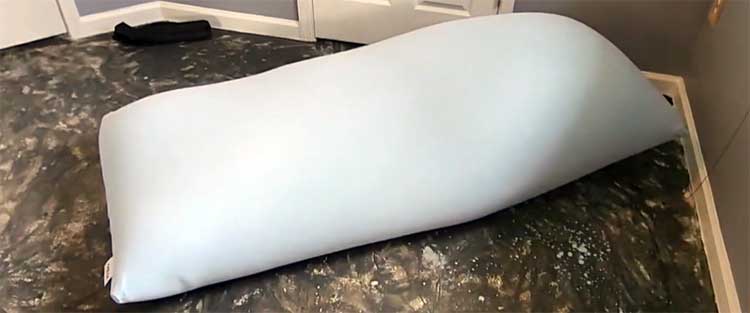
Yogibo wins for that instant hug feel, adapting quickly to your posture. It’s like a personal cocoon, ideal for casual lounging where you want to melt in. The beads provide a fluid response to movement, which I enjoyed during fidgety moments.
Lovesac, though, provides firmer support that lasts longer, better for extended use or if you need back relief. Its memory foam maintains structure, preventing that sinking-too-deep sensation.
In my experience, if you’re prone to shifting positions a lot, Yogibo’s flexibility shines, but Lovesac’s consistency prevents fatigue over hours, making it superior for marathon TV sessions or work-from-home setups.
- Price and Value
Yogibo is more accessible for starters, with pieces under $200 offering solid comfort right out of the box. It’s a low-risk way to try bean bag living, and I’ve gotten great mileage from mine without regretting the spend.
Lovesac justifies its cost with durability and modularity, but you pay upfront—think of it as buying a car versus a bike. The value emerges over years, as replacements aren’t needed, potentially saving money.
I see Yogibo as a fun entry point for temporary or budget-conscious setups, while Lovesac is an investment that could outlast multiple Yogibo pieces in high-use homes.
- Durability and Maintenance
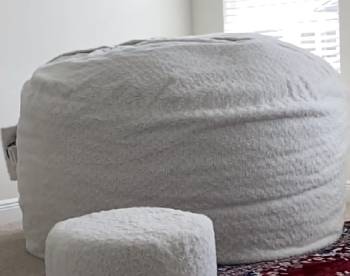
Lovesac edges out here with its robust foam and longer warranties.
I’ve washed both covers, but Lovesac’s hold up better to repeated cycles, showing no fading or shrinkage.
Yogibo requires occasional refluffing to combat bead compression, which isn’t a Lovesac issue at all.
For busy homes with kids or pets, Lovesac’s resilience makes it a smarter pick, as it withstands roughhousing without losing shape.
Maintenance-wise, both are machine-washable, but Lovesac’s materials seem more forgiving to stains, based on my spills and cleanups.
- Versatility and Customization
Lovesac dominates with its build-your-own approach. You can create sofas, loveseats, or even beds by adding components like arms or ottomans. This scalability allowed me to start small and expand as my space grew.
Yogibo sticks to standalone items, which suit minimalists but limit expansion options. When I wanted to upgrade my setup, Lovesac’s pieces integrated seamlessly, unlike Yogibo’s fixed designs that required buying entirely new units.
For renters or those who relocate often, Lovesac’s modularity offers future-proofing.
- Portability and Storage
Yogibo is lighter and easier to stash away. I can deflate it slightly for storage, perfect for small spaces or seasonal use. Its compact nature meant I could hide it in a closet during parties. Lovesac’s weight makes it more stationary, like traditional furniture, which suits permanent placements but not frequent moves.
If you move often or have limited room, Yogibo’s mobility is a clear advantage, enabling quick transitions between indoor and outdoor use without strain.
- Style and Aesthetics
Both look modern, but Lovesac feels more upscale with premium fabrics that mimic high-end upholstery. I integrated mine into a formal living area without it screaming “bean bag.” Yogibo’s vibrant colors pop in fun, casual rooms, adding energy to kids’ play areas or dorms.
Depending on your vibe, I lean toward Lovesac for elegance that impresses guests, but Yogibo for playfulness that invites relaxed vibes. Lovesac’s options include weather-resistant covers for patios, expanding style to outdoor aesthetics.
- Eco and Health Considerations
Lovesac incorporates recycled elements, and its foam is CertiPUR-US certified, free from harmful chemicals, which reassures me about indoor air quality. Yogibo uses safe materials too, with hypoallergenic covers, but Lovesac emphasizes sustainability more through modular repairs.
For health-conscious users like me, both are solid choices, but Lovesac’s certifications add extra peace of mind, especially for allergy sufferers. Yogibo’s breathability helps with ventilation, reducing mold risks in humid areas.
- Size and Capacity
Lovesac’s BigOne Sac fits multiple people easily, great for groups where everyone piles on. During family movie nights, it accommodated us all without crowding. Yogibo’s Max is cozy but smaller, better for intimate settings like solo reading or couples.
If hosting is your thing, Lovesac accommodates better with room to spare; for solo relaxation or tight spaces, Yogibo suffices without overwhelming the room, keeping things personal and contained.
- Customer Service and Returns
Lovesac offers robust support with easy returns and part replacements under warranty. I once needed a new cover, and their team handled it swiftly. Yogibo’s service is friendly but limited by the shorter warranty, meaning post-year issues rely on self-fixes. In direct comparison, Lovesac’s lifetime aspects provide better long-term assurance.
- Noise and Sensory Experience
Yogibo’s beads create subtle sounds that some find ASMR-like, but others distracting. Lovesac is silent, offering a quieter sit. For sensory-sensitive users, Lovesac wins; for those who enjoy tactile feedback, Yogibo adds an element of play.
Pros of Yogibo
I’ve tried out a few Yogibo pieces, and they stand out for how they adapt to my body. Let’s look at what makes them shine, drawing from my own time using them in different settings.
- Comfort That Hugs You
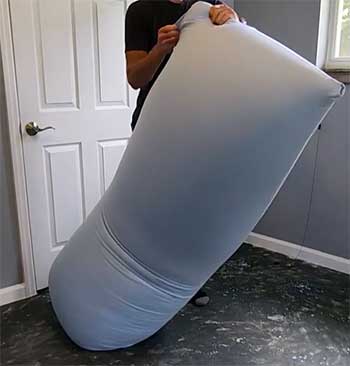
One thing I love about Yogibo is the way their bean bags mold to your shape.
The high-density beads inside shift around just enough to cradle you, making it feel like a custom fit every time I sit down.
If you have back issues like I do sometimes, their ergonomic designs help align your spine without feeling rigid.
I recall sinking into one after a long day at work, and it instantly relieved the tension in my lower back, almost like a gentle massage.
This adaptability extends to various positions—whether I’m sitting upright reading a book or lying down for a nap, it adjusts seamlessly without any awkward lumps.
- Variety for Every Space
Yogibo offers a range of options, from small pods for kids to larger loungers that can double as beds. I remember using their Max bean bag during a movie night, and it comfortably fit me and a friend without anyone sliding off.
Their body pillows are great for side sleepers too, providing that extra support for hips and knees. In a compact apartment, I appreciated how their Roll bean bag could serve as a footrest one moment and a makeshift chair the next.
This flexibility means you don’t need to commit to one function; it’s like having multiple pieces in one, which saved me space when I was living in a studio.
- Affordable Entry Point
Compared to some high-end brands, Yogibo keeps prices reasonable. You can grab a basic bean bag for around $150, which feels like a steal for the quality. I’ve found their fabrics soft and breathable, perfect for warmer days when you don’t want to stick to your seat.
When I first bought one on a whim, I was surprised at how much value it packed—durable enough for daily use yet priced like an impulse purchase. This makes it accessible for students or young families who want comfort without breaking the bank, and I’ve recommended it to friends starting out in their first homes.
- Easy Maintenance
Most Yogibo covers zip off and toss into the washer. After spilling coffee on mine once, I appreciated how quick it was to clean up. No lingering stains or odors, which keeps things fresh for daily use. The fabrics resist pilling too, so even after multiple washes, it looks new.
I once had a pet incident with my dog jumping on it, and a simple cycle in the machine had it spotless again. This hassle-free care is a big plus for busy people who don’t have time for professional cleaning services.
- Portability Perks
These things are light! I can drag a Yogibo from room to room without breaking a sweat. That’s handy if you’re like me and rearrange furniture often to chase the sunlight or set up for guests. Weighing in at just a few pounds, it’s easy to store under a bed or in a closet when not in use.
During a move last year, I tossed it in the back of my car without any issues, unlike heavier furniture that required extra help. This mobility encourages spontaneous use, like taking it outside for a picnic or to the balcony for stargazing.
- Fun Color Choices
Yogibo’s vibrant palette adds a pop to any room. From bright reds to calming blues, you can match your decor easily. I chose a teal one that brightened up my neutral living space, and it became a conversation starter at gatherings.
This aesthetic appeal goes beyond function, making it feel like a design element rather than just seating.
Cons of Yogibo
No product’s perfect, and Yogibo has its drawbacks that I’ve noticed over time, especially when comparing to more robust options.
- Potential for Flattening
The beads can compress after heavy use. I’ve had to fluff mine up occasionally, which isn’t a big deal but can be annoying if you’re not in the mood. It doesn’t happen right away, but after months, you might notice less loft. In my case, after about six months of daily lounging, it required a good shake every week to restore that plush feel.
This maintenance isn’t intensive, but it adds a step that some might overlook, leading to a less satisfying experience over time.
- Limited Customization
While they have colors, you can’t mix and match parts like some competitors. If you want a specific setup, you might end up buying multiple pieces, which adds up.
I wished for more modular options when furnishing a small apartment, as piecing together separate bags didn’t create the cohesive look I wanted. This rigidity means you’re locked into predefined shapes, which might not evolve with your changing needs, like adding an armrest or extending length.
- Shorter Warranty
Only a year of coverage means you’re on your own after that. I’ve heard stories of seams splitting, and without extended protection, repairs could cost extra. It’s something to consider if you plan on rough use, such as with active kids or pets.
When a zipper on mine started sticking just outside the warranty period, I had to fix it myself, which was frustrating given the initial investment.
- Noise Factor
Those beads make a slight crunching sound when you move. It’s not loud, but in a quiet room, it stands out. I got used to it, but if you’re sensitive to sounds, it might bother you during relaxation time.
During late-night reading sessions, the rustling distracted me initially, though I adapted by playing soft music in the background.
- Size Limitations
Their largest bags aren’t as massive as some alternatives. If you’re tall like me, you might find the edges a bit short for full stretching out. It’s cozy, but not always expansive enough for two adults to share comfortably without overlapping.
In group settings, this meant someone often ended up on the floor, which diminished the communal appeal.
- Heat Retention in Fabrics
Some fabrics can trap heat, making it less ideal for hot climates. I noticed this during summer months, where prolonged sitting led to a bit of discomfort.
While breathable, it’s not as ventilated as foam-based options, so ventilation becomes a factor in warmer environments.
Pros of Lovesac
Switching gears to Lovesac, I’ve lounged on their Sacs and Sactionals, and they bring a premium vibe that’s hard to ignore, with features that elevate everyday relaxation.
- Unmatched Durability
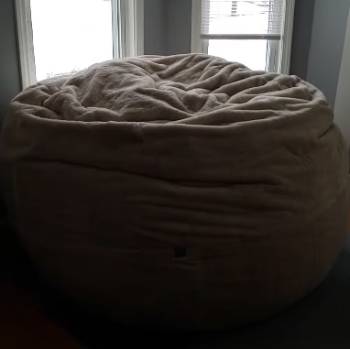
The Durafoam filling is a game-changer.
It bounces back without much effort, and I’ve seen pieces last years without sagging.
Their lifetime warranty on frames gives me peace of mind that this is built to endure family life or frequent parties.
After two years with mine, it still looks and feels brand new, even after kids jumping on it.
This longevity means fewer replacements, which is eco-friendly and cost-effective in the long run.
- Modular Magic
Lovesac’s Sactionals let you build your dream couch. I configured one with sides and backs, turning it into a sectional that fits my living room perfectly. You can add or remove parts as your needs change, which is brilliant for growing households.
When I had guests over, I easily rearranged it into a larger setup, and later scaled it back for solo use. This adaptability shines in dynamic spaces, like home offices that double as guest rooms.
- Luxurious Comfort
Sinking into a Lovesac feels like being enveloped in a cloud. The memory foam supports without bottoming out, and it’s great for long sessions of reading or gaming. I once spent an entire afternoon on one without any aches, thanks to its even weight distribution.
It’s particularly helpful for joint pain, as the foam contours gently but firmly, providing therapeutic-like relief.
- Stylish Options
They offer tons of fabrics and colors, from velvet to outdoor materials. It elevates the look beyond typical bean bags, making it feel like real furniture. My friends always comment on how sleek it appears, blending seamlessly with my modern decor.
This versatility in style means it can transition from casual to formal settings without looking out of place.
- Eco-Friendly Touches
Lovesac uses recycled materials in some fills, which appeals to me as someone who tries to shop consciously. Their covers are durable yet soft, and the whole setup promotes longevity over disposability.
Knowing that parts are replaceable reduces waste, and I’ve swapped covers to refresh the look without buying new, aligning with sustainable living.
- Spacious Designs
Their Sacs come in sizes that accommodate groups effortlessly. The SuperSac, for instance, swallowed up my entire family during game nights, fostering togetherness. This scale makes it ideal for entertaining, where everyone gets a comfy spot.
Cons of Lovesac
Even with all that polish, Lovesac isn’t without flaws that I’ve encountered, particularly in practicality.
- High Price Tag: These aren’t budget buys. A basic Sac starts around $500, and Sactionals can run into thousands. I hesitated before purchasing because it felt like a big investment, especially if you’re just testing the waters. For those on a tight budget, this entry barrier might steer them away, even though the quality justifies it over time.
- Heavier Than Expected: The foam makes them bulky. Moving a full Sac upstairs was a workout for me and a buddy. If you live alone or in a multi-level home, this could be a hassle. Once placed, it’s not something you shift casually, which limited my spontaneous rearrangements.
- Assembly Required: Setting up Sactionals takes time. I followed instructions, but connecting pieces precisely wasn’t instant. For impatient folks, it might frustrate more than excite, especially if you’re not handy. The process involved tools and multiple steps, turning what could be quick into an afternoon project.
- Warmth Build-Up: In hot weather, the foam retains heat. I’ve felt a bit sweaty after prolonged sitting, unlike lighter bead-filled options. Ventilation could be better for summer use, so in tropical areas, it might require additional cooling like fans.
- Overwhelming Choices: With so many configurations, decision paralysis hits. I spent hours online picking fabrics, and if you’re not detail-oriented, it might overwhelm rather than empower. The sheer volume of options, while a pro, can complicate the buying process for indecisive shoppers.
- Potential for Dust Collection: The textured fabrics can attract dust more than smoother ones. I found myself vacuuming mine more often to keep it pristine, which adds to maintenance in dusty environments.
Also Read: Comparison of Big Joe Plush And Lenox Bean Bag Chairs.
Frequently Asked Questions (FAQ)
It depends on your needs. Yogibo excels in affordability and portability, while Lovesac offers superior durability and modularity. I prefer Lovesac for long-term use.
Brands like Yogibo and Moon Pod challenge Lovesac in the premium comfort seating market, focusing on similar innovative designs.
Yogibo’s cost reflects high-quality beads, stretchy fabrics, and ergonomic engineering that provide lasting comfort, though it’s more affordable than some rivals.
Yes, Yogibo is reliable for comfortable, adaptable furniture with positive user feedback on ease and support.
Final Thoughts
In wrapping this up, I’ve shared my experiences with Yogibo and Lovesac to guide you through their strengths and shortcomings. Both bring joy to lounging, but your choice boils down to budget, space, and how you use them.
If you’re seeking quick, light comfort, go Yogibo; for enduring, customizable luxury, Lovesac might be your match. You deserve a spot that feels just right—think about what relaxes you most, and you’ll land on the winner.