
I’ve tried plenty of seating options over the years, but nothing quite matches the sheer comfort and versatility of a Yogibo bean bag. If you’re tired of stiff chairs or lumpy couches that leave you sore, this is the upgrade you need.
It’s like wrapping yourself in a hug that adapts to whatever you’re doing—lounging, gaming, or even napping. Trust me, once you sink into one, you’ll wonder how you lived without it.
Go ahead and pick one up; your back and your downtime will thank you.
My Experience With Yogibo Bean Bag
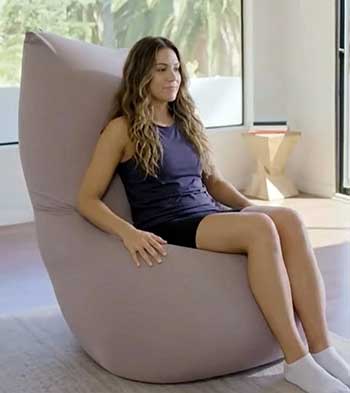
Let me take you through my personal journey with the Yogibo bean bag.
It all started when I was redecorating my living room last year.
I wanted something fun, comfortable, and not too formal for those lazy weekends.
After hearing friends rave about it, I decided to order the Yogibo Max online.
When it arrived, I was surprised by how compact the package was—it came vacuum-sealed, so I had to let it expand for a bit.
Once it puffed up, I couldn’t wait to try it out.
I plopped down, and wow, it molded right to my body. No more shifting around to find a sweet spot; it just conformed perfectly.
In the first few days, I used it mostly as a chair while watching movies. You know how regular chairs make your legs go numb after an hour? Not with this. The beads inside shift smoothly, supporting my back and letting me lean any way I wanted.
I even pulled it into my home office for work calls. Sitting cross-legged or reclining slightly made those long Zoom meetings way more bearable. My posture improved without me even trying, because it encouraged a natural alignment.
One weekend, I had friends over for a game night. We rearranged it into a couch shape—it’s so easy, you just flip and fold it. Three of us fit comfortably, laughing and playing board games without anyone feeling squished.
The kids loved it too; they turned it into a fort and jumped on it like it was indestructible. I was worried about spills, but the cover wiped clean easily. That night, I stretched it out flat as a bed for an impromptu sleepover. It wasn’t as firm as a mattress, but for crashing after a late night, it was surprisingly restful. I woke up without the usual aches.
Over the months, it’s become my go-to spot for reading. I prop it against the wall, sink in with a book, and hours fly by. The fabric is soft against my skin, and it doesn’t get too hot even in summer. I’ve taken it outside to the patio for some fresh air lounging, and it holds up well.
Sure, it’s a bit heavy to move around alone—about 19 pounds for the Max—but that’s because of all those supportive beads. I’ve noticed it flattening a tad after heavy use, but a quick fluff brings it back. Overall, this thing has transformed how I relax at home.
You might think it’s just a bean bag, but it’s more like a lifestyle shift. If you’re skeptical, give it a shot; I bet you’ll end up as hooked as I am.
Pros of Yogibo Bean Bag
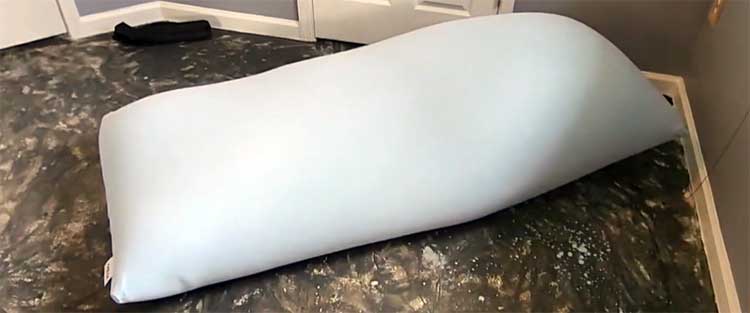
- Unmatched Comfort and Body Conformity: You sink into a Yogibo, and it feels like it’s custom-made for you. The special beads inside move fluidly, hugging every curve without any hard spots. I remember the first time I sat in mine; it was like floating on a cloud. Unlike traditional furniture that forces you into one position, this adapts instantly. Whether you’re tall or short, it supports your spine, neck, and legs perfectly. I’ve spent entire afternoons in it without a single twinge of discomfort. And for those with back issues, like me after long desk days, it’s a game-changer. The way it relieves pressure points means you can lounge for hours without shifting around. Imagine coming home exhausted, dropping into it, and feeling instant relief—that’s the magic here.
- Versatility in Shapes and Uses: This isn’t just a seat; it’s a transformer. You can shape it into a chair for solo chilling, a couch for movie nights with your partner, or even a bed for guests. I’ve used mine as a recliner while working on my laptop, and it beats any office chair. Flip it upright for reading, or lay it flat for napping. It’s perfect for small spaces too— no need for multiple pieces of furniture. In my apartment, it saves room and adds fun. Kids turn it into play structures, and it’s sturdy enough for that. You could even use it outdoors on a deck, though I’d keep it shaded. The possibilities make it worth every penny, especially if you hate cluttered rooms.
- Durable Materials and Build Quality: Built to last, the Yogibo uses high-quality stretchy fabric that’s soft yet tough. The covers resist tears and stains better than you’d expect. Mine has survived spills from coffee to kid’s juice without permanent marks. The inner beads are designed not to clump or break down quickly. I’ve had mine for over a year, and it still feels fresh after regular use. Compared to cheaper options that sag after months, this holds its shape well. Plus, the zippers are heavy-duty, making cover changes smooth. If you treat it right, it’ll be a staple in your home for years, outlasting trends in seating.
- Easy Portability and Lightweight Design: At around 19 pounds for larger models, it’s lighter than bulky sofas, so you can drag it from room to room without breaking a sweat. I move mine between the living room and bedroom effortlessly. It’s great for apartments or if you rearrange often. No assembly needed—just unpack and enjoy. The compact shipping means it’s easy to store if you ever need to. For families, this mobility is key; you can take it to the basement for game time or upstairs for bedtime stories.
- Pet-Friendly and Family-Safe Features: If you have furry friends, you’ll love how claws don’t snag the fabric easily. My cat kneads on it without damage, and it’s held up. The materials are non-toxic, so safe for kids too. No sharp edges or hard parts to worry about. It’s like a cozy nest for everyone in the house.
The pros really stack up, making the Yogibo a standout choice. I’ve analyzed countless seating options, and this one’s comfort-to-value ratio is hard to beat. You get premium relaxation without the hassle.
Also Read: Comparison of Big Joe Plush And Lenox Bean Bag Chairs.
Cons of Yogibo Bean Bag
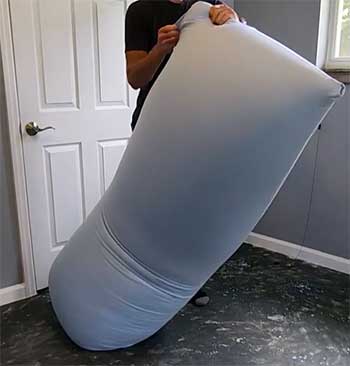
- Higher Price Point Compared to Basic Alternatives: Let’s be real—you’re paying a premium here. Models like the Max run around $200 to $300, which might sting if you’re used to $50 bean bags from big-box stores. I hesitated at first, thinking, “Is this worth it?” But after using it, I see the value in the quality. Still, if your budget is tight, it could feel extravagant. You might compare it to investing in a good mattress; it pays off over time, but the upfront cost is noticeable.
- Potential for Flattening Over Time: With heavy use, the beads can compress a bit, making it less lofty. Mine started feeling flatter after six months of daily lounging. It’s not a deal-breaker—you can fluff it or add refill beads—but it requires occasional effort. If you have multiple people jumping on it, this happens faster. I’ve learned to rotate positions to even out wear, but it’s something to consider if you want zero-maintenance furniture.
- Limited Color and Style Options in Some Lines: While they offer fun colors, the selection isn’t endless. If you’re picky about matching your decor, you might not find the exact shade. I went with a neutral, but wished for more patterns. It’s more playful than elegant, so it might not fit ultra-modern setups.
- Bulkiness in Small Spaces When Not in Use: Though portable, larger models take up floor space. In my tiny apartment, storing it upright helps, but it’s not as discreet as foldable chairs. If space is at a premium, think twice.
- Not Ideal for Very Hot Climates Without Care: The fabric can trap heat if you’re in a warm room. I notice it more in summer, but ventilating helps. It’s breathable, but not as cool as mesh options.
Overall, these drawbacks are minor in my book, but they’re worth weighing based on your needs.
Maintenance Tips For Yogibo Bean Bag
Maintaining your Yogibo keeps it fresh and functional for the long haul. I’ve figured out the best ways through trial and error, so here’s what works.
- Regular Cover Cleaning: Start by unzipping the outer cover—it’s simple and secure. Wash it in cold water with mild detergent, alone or with similar colors to avoid bleeding. I do this every few months or after spills. Tumble dry on low heat, or air dry to preserve elasticity. Turn it inside out before putting it back on; this prevents snags. Avoid bleach or high heat, as they can weaken the fabric. This routine keeps it looking new and smelling fresh.
- Fluffing and Refilling Beads: To combat flattening, shake and knead the bag weekly. Stand it up and let gravity redistribute the beads. If it’s still saggy, add refill beads from Yogibo—they’re affordable and easy to pour in via the inner zipper. I did this once, and it revived mine completely. Store extras in a cool, dry place. This extends its life significantly.
- Spot Cleaning for Stains: For quick messes, blot with a damp cloth and mild soap. Don’t rub harshly. For tougher spots like pet accidents, use enzyme cleaners safe for fabrics. I tested this after a coffee spill; it vanished without residue. Always test in a hidden area first.
- Protecting from Pets and Kids: Vacuum lightly to remove fur or crumbs. Use a lint roller for hair. If claws are an issue, trim them regularly. For kids’ play, supervise to avoid over-stretching. I’ve found placing a throw blanket on top during rough use helps.
- Storage and Seasonal Care: When not using, store upright in a dry spot away from direct sun to prevent fading. In humid areas, use silica packs inside to absorb moisture. Rotate it periodically for even wear.
These steps are straightforward and keep your Yogibo performing like day one. You’ll save money long-term by avoiding replacements.
Comparison of Yogibo Bean Bag With Other Brands
When stacking Yogibo against competitors, I look at comfort, durability, and value from a user’s standpoint. I’ve researched and tried a few, so let’s break it down.
- Yogibo Vs. Lovesac
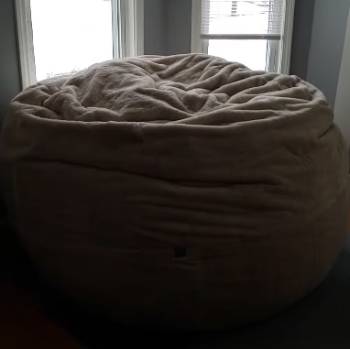
Lovesac uses shredded foam instead of beads, giving a firmer, more structured feel.
You might prefer that if you want something closer to a traditional couch—it’s great for upright sitting without sinking too deep.
However, Lovesac pieces are heavier and pricier, often starting at $500 plus.
I find Yogibo’s bead filling more adaptive for casual lounging; it molds quicker and feels lighter to move.
Lovesac’s modular system lets you build sectionals, which Yogibo doesn’t match in scalability. But for solo or small-group use, Yogibo wins on affordability and ease.
Durability-wise, Lovesac might edge out with its foam not compressing as fast, but Yogibo’s washable covers make upkeep simpler. If you’re after longevity in high-traffic homes, Lovesac could be better, though I stick with Yogibo for its playful vibe.
- Yogibo Vs. Moon Pod
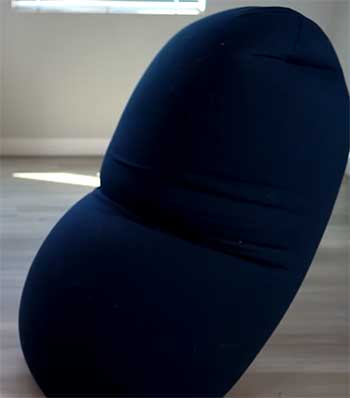
Moon Pod aims for a zero-gravity experience with high-density beads, focusing on stress relief.
It’s smaller and more therapeutic, like a personal cocoon.
You get a firmer support that helps with posture, unlike Yogibo’s softer hug.
Prices are similar, around $300, but Moon Pod lacks versatility—it’s mainly for sitting or reclining, not converting to a bed.
I appreciate Yogibo’s multi-functionality for everyday life. Moon Pod’s cover isn’t machine-washable, just spot-clean, which is a hassle compared to Yogibo.
On durability, both last well, but Yogibo feels more family-oriented. If relaxation is your priority over adaptability, Moon Pod shines; otherwise, Yogibo’s broader uses make it my pick.
- Yogibo Vs. Big Joe
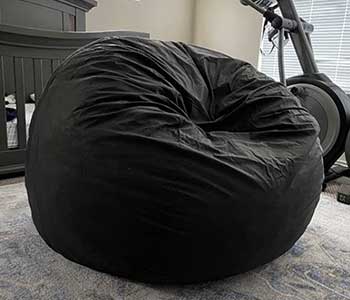
Big Joe offers budget-friendly options, often under $100, with similar bead filling. It’s a solid entry point if you’re testing the waters.
However, the quality shows—fabrics feel cheaper, and they flatten quicker than Yogibo.
I tried a Big Joe once; it was comfy initially but lost shape fast.
Yogibo’s premium materials justify the higher cost for long-term use.
Big Joe has fun shapes too, like loungers, but lacks the seamless conformity.
For families on a budget, Big Joe works, but if you want something that endures daily wear, Yogibo is superior.
- Yogibo Vs. CordaRoy’s
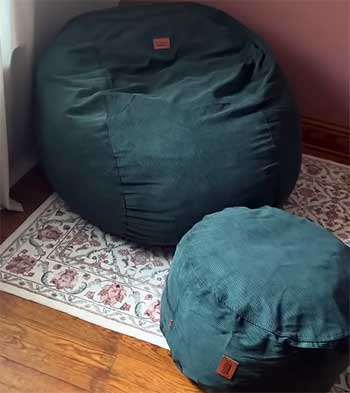
CordaRoy’s stands out with convertible designs that turn into full beds with foam inserts.
It’s practical for guests, and the lifetime warranty beats Yogibo’s one-year.
Prices are comparable, but CordaRoy’s feels more structured.
I like how Yogibo’s beads provide that sink-in bliss, while CordaRoy’s is firmer.
Washing is similar, but CordaRoy’s inner foam can be trickier to handle.
If sleep functionality is key, go CordaRoy’s; for versatile lounging, Yogibo edges it out.
In the end, Yogibo holds its own by balancing comfort and fun without overcomplicating things. Your choice depends on priorities, but I’ve found it the most enjoyable overall.
Frequently Asked Questions (FAQ)
Absolutely, they’re fantastic for comfort and versatility. From my experience, they provide excellent support without pressure points, making them ideal for relaxing, working, or playing. Users rave about the body-conforming beads and durable covers. If you value adaptable seating that’s easy to maintain, yes, they’re a great choice.
It depends on what you need. Yogibo excels in lightweight, moldable comfort with beads, perfect for casual use and easier on the wallet. LoveSac offers firmer foam for structured seating and modularity, but it’s heavier and costlier. I prefer Yogibo for everyday lounging, but LoveSac suits those wanting long-term durability in larger setups.
With proper care, they can last several years—often 3 to 5 or more. The beads may compress over time, but fluffing and refills keep them going. My own has held up well past a year with daily use. Factors like frequency of use and maintenance play a big role.
No, it originated in the US in 2009, but was acquired by a Japanese distributor in 2021. Now it’s Japanese-owned, blending American innovation with global appeal.
Wrapping Up: Make The Yogibo Yours Today
After all this, I stand by my initial excitement—the Yogibo bean bag is a must-have for anyone seeking ultimate comfort. It’s transformed my space into a haven of relaxation.
Don’t wait; treat yourself to one and experience the difference. You deserve that perfect spot to unwind.