
I have spent countless hours in my kitchen experimenting with homemade breads, pastries, and baked goods, always chasing that perfect fresh flour experience.
After trying both the WonderMill and MockMill over time, I decided to share my honest comparison to help you figure out which one fits your baking life better.
In this article, I walk you through everything from daily use to long-term performance so you can choose the right tool for creating nutritious, flavorful flour at home.
| Feature | WonderMill | MockMill (100/200 models) |
| Grinding Mechanism | High-speed impact (stainless steel blades) | Stone (corundum-ceramic) |
| Motor Power | 1250W (1.75 HP peak) | 360W (100) / 600W (200) |
| Milling Speed | Very fast (~100 lbs/hour capacity) | 100g/min (100) / 200g/min (200) |
| Hopper Capacity | 8 cups | ~2-2.8 lbs wheat |
| Flour Output | Up to 12 cups per batch | Direct into bowl, continuous |
| Noise Level | Moderate to louder | Quieter, more pleasant |
| Texture Control | Fine to medium | Very fine to coarse, highly adjustable |
| Versatility | Excellent for dry grains, some limits on oily | Great for grains, good for finer control |
| Build & Aesthetics | Compact, functional plastic/metal | Sleek, modern with wood/plastic options |
| Price Range (approx.) | More affordable | Mid to higher |
| Warranty | Lifetime on many parts | 6-12 years depending on model/use |
| Best For | Quick large batches, occasional use | Regular baking, quality-focused users |
Key Differences Between WonderMill And MockMill
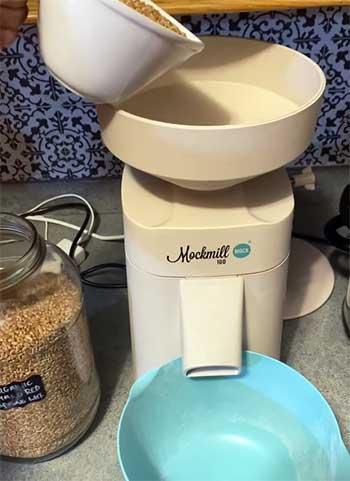
- Grinding Technology Sets Them Apart: The WonderMill uses a high-speed impact system with stainless steel milling heads that smash grains quickly into flour. This approach shines when I need volume fast without much waiting. The MockMill relies on traditional stone grinding with corundum-ceramic stones that slowly crush the grains, preserving more of the natural qualities in my opinion and giving superior control over coarseness.
- Speed and Efficiency in Real Use: I can mill a large batch in minutes with the WonderMill, which handles up to 100 pounds per hour in ideal conditions. It feels like a workhorse for busy weekends. The MockMill takes longer per batch but feels steadier, especially the 200 model, which doubles the output of the 100. I never rush it and enjoy the process more.
- Noise During Operation: The WonderMill runs noticeably louder, like a powerful blender on high. I wear ear protection or mill when the house is empty. The MockMill operates much quieter, almost conversation-friendly, which makes it better for everyday kitchen use without disturbing family.
- Flour Temperature and Nutrient Retention: Impact milling in the WonderMill generates more heat, though the manufacturer designs it to minimize overheating. Stone milling in the MockMill keeps things cooler overall, which many bakers, including me at times, believe helps retain enzymes and nutrients better in the final flour.
- Ease of Cleanup and Maintenance: The WonderMill features a self-cleaning design with minimal residue if I run a small amount of grain through at the end. The MockMill requires almost no cleaning between uses because the stones handle residue well, and flour drops directly into my bowl—super convenient.
- Build Quality and Longevity: Both feel durable, but the WonderMill’s powerful motor gives it an edge for heavy, repeated use without strain. The MockMill’s German engineering and stone construction make it feel premium and built for precision over years of home baking.
- Aesthetics and Kitchen Fit: The WonderMill looks practical and stores easily due to its compact size. The MockMill often wins compliments with its sleek design, especially wooden versions that blend into my counter like a nice appliance rather than industrial gear.
Key Features of the WonderMill
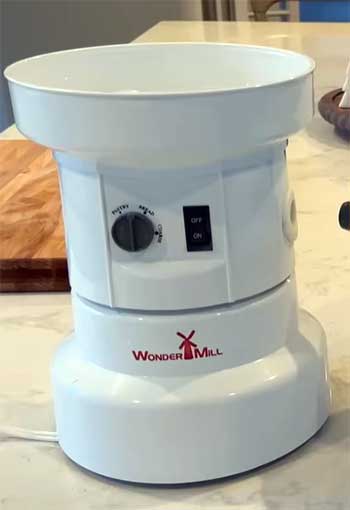
- Powerful Motor for Fast Results: With its 1250-watt motor, this mill powers through hard wheat, rice, beans, and more without bogging down. I have milled large quantities for holiday baking without issues.
- Large Hopper and Batch Capacity: The 8-cup hopper lets me load plenty at once, and the detachable canister holds up to 12 cups of finished flour. Perfect when I batch-prep for the week.
- Simple Operation: Just switch it on, adjust the texture knob, pour in grains, and go. No complicated settings—great for beginners or quick tasks.
- Clean and Dust-Free Design: It minimizes flour dust in the air compared to older models, keeping my kitchen tidy even after big sessions.
- Versatile for Many Grains: Handles wheat, corn, quinoa, and other dry items well, making it a go-to for gluten-free mixes and specialty flours.
- Affordable Entry into Home Milling: Often priced lower, it delivers solid value if you want speed without breaking the bank.
- Lifetime Durability Promise: Many users report years of reliable service, backed by strong warranty coverage on key components.
- Compact Storage: Lightweight at around 8-10 pounds and designed to fit in cabinets easily when not in use.
I appreciate how the WonderMill gets the job done efficiently when life gets busy and I still want fresh flour for pancakes or bread.
Pros of the WonderMill
- Blazing speed saves time on big batches: This mill lets me whip up enough flour for several recipes in one short session, which is fantastic when I am prepping for family gatherings or weekend baking marathons and do not want to spend all day milling.
- Powerful enough for tough grains and consistent performance: It tackles hard red wheat, dried corn, and even some legumes without slowing down, giving me reliable results every single time I fire it up, even after months of regular use.
- Great value for the capabilities, especially if budget matters: You get serious power and capacity at a more accessible price point, making it easier to justify adding a grain mill to your kitchen without a huge investment.
- Easy self-cleaning reduces maintenance hassle: A quick run of rice or wheat at the end clears most residue, so I spend minimal time wiping things down and more time actually enjoying my fresh bakes.
- Compact and lightweight for smaller kitchens or storage needs: It tucks away neatly in a cabinet and does not take up permanent counter space, which is ideal if your kitchen setup is on the cozy side like mine.
- Handles a wide variety of dry ingredients reliably: From basic wheat to specialty gluten-free grains, it performs well across the board and lets me experiment freely with different flours.
- Proven track record with many long-term users reporting minimal issues: I have seen it hold up through years of use in real homes, which builds confidence that it will last through my own baking adventures.
- Straightforward design means less learning curve for new users: Plug it in, turn the dial, and you are milling—perfect when I want to keep things simple on busy days.
- High output capacity supports larger family baking or meal prepping: The ability to produce big volumes quickly means I can stock up on fresh flour for the whole week ahead.
- Effective dust control keeps counters cleaner than expected: Less flour flying around the kitchen compared to what I feared, so cleanup stays manageable even during bigger projects.
In my experience, these strengths make it ideal when I need efficiency without compromising too much on quality.
Cons of the WonderMill

- Louder operation can be off-putting if you value a peaceful kitchen: The sound level is noticeable and can fill the room, so I often wait until the kids are out or use ear protection to avoid the distraction.
- Higher heat from impact milling might affect sensitive nutrients slightly: While it is designed well, the process does warm the flour more than stone methods, which I sometimes wonder about for maximum nutrient retention in delicate recipes.
- Flour texture, while fine, lacks the nuanced feel some stone-milled versions provide for artisan breads: It produces good results but does not quite match the complex mouthfeel and structure I get in sourdoughs from stone-ground flour.
- Less aesthetic appeal compared to sleeker models: It looks more like a practical tool than a kitchen showpiece, so I tend to store it away rather than leave it on display.
- Potential for more static or minor dust in extended runs: During very long milling sessions, I notice a bit more static cling and stray particles that require extra attention to manage.
- Limited coarseness control versus stone mills: You can adjust it but not with the same precision for everything from pastry-fine to cracked wheat textures.
- Can feel bulkier in very tight counter spaces despite compact claims: It takes a bit more room during actual use than some smaller options.
- Not as quiet or relaxing to run during daily use: The noise makes it less suitable for quick everyday milling when I want a calm atmosphere.
- Some users prefer the cooler milling of stones for optimal freshness: This is a common point I hear from fellow bakers who notice differences in final baked good quality over time.
These drawbacks never stopped me from using it, but they influenced when I reach for it versus the alternative.
Key Features of the MockMill
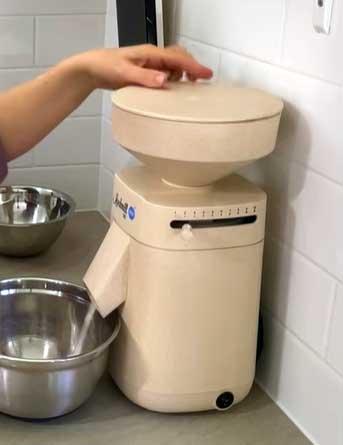
- Precision Stone Grinding: The corundum-ceramic stones produce beautifully consistent flour from very fine pastry textures to coarser meals, giving my sourdough incredible structure and flavor.
- Adjustable Fineness Dial: A simple knob lets me dial in exactly what I need—super fine for cakes or cracked for cereals—without guesswork.
- Quiet and Pleasant Operation: Low noise makes it enjoyable to use even during family time or early mornings.
- Direct Flour Output: Mills straight into a bowl placed underneath—no extra canisters or transfers needed, reducing mess.
- Stylish Design Options: Available in plastic for practicality or wood for a premium look that elevates my kitchen.
- Solid Hopper Capacity: Holds enough grain for multiple loaves without constant refills.
- Durable German Engineering: Built with quality components that feel substantial and perform consistently over time.
- Flexible Models: Choose the 100 for standard home use or the 200 for faster output if you bake frequently.
The MockMill turned my baking into a more mindful ritual, where I savor the process and the superior end results in taste and texture.
Pros of the MockMill
- Exceptional flour quality with better taste, texture, and baking performance: The stone-ground flour creates breads with superior rise, crumb, and flavor that my family notices immediately in everything from daily loaves to special pastries.
- Significantly quieter, making milling sessions enjoyable rather than noisy chores: I can run it while chatting with others or listening to music, which turns flour preparation into a pleasant part of my routine instead of a loud task.
- Highly adjustable settings give full creative control over every batch: The easy dial lets me switch seamlessly between super-fine cake flour one day and hearty cracked grains the next, supporting all my recipe experiments.
- Minimal cleanup—often just a quick wipe or none at all: The design keeps things tidy with flour going straight into my bowl, saving me time and effort after each use.
- Attractive design that looks good on the counter: Especially the wood-trimmed versions add a nice touch to my kitchen and make me happy to leave it out ready for action.
- Cooler milling process that many feel preserves more nutrients and flavor: I appreciate knowing the grains stay gentler during processing, which seems to translate into fresher-tasting results in my baked goods.
- Reliable German build quality built for longevity: It feels solid and performs consistently batch after batch, giving me confidence it will serve me well for many years ahead.
- Direct milling into bowls simplifies workflow: No extra steps transferring flour means I stay efficient and focused on the fun parts of baking.
- Versatile for different recipes from fine to coarse: This flexibility opens up creative possibilities I did not have before with other tools.
- Positive user feedback on consistency and ease over years: Many bakers I connect with report the same satisfaction with its dependable performance and user-friendly nature.
I love how it elevates everyday baking into something special.
Cons of the MockMill
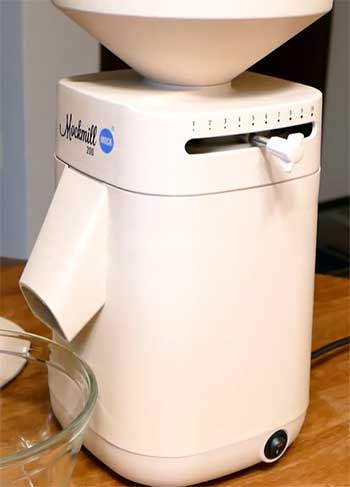
- Slower milling speed requires more patience for large quantities: It takes longer to produce big batches, so I plan ahead when I need flour for multiple projects or big family events.
- Higher price point, especially for wood or faster models: You pay more upfront for the premium features, which might make it a bigger decision depending on your budget.
- Smaller batch handling compared to high-capacity impact mills: The hopper size means more refills during very large sessions, which can slow things down.
- May need occasional stone cleaning or recalibration for optimal fineness: Every so often I give the stones a bit of attention to keep everything performing at its best.
- Not as powerful for the absolute heaviest or continuous industrial-like use: It excels at home scale but may not suit someone pushing extreme volumes regularly.
- Flour output can feel slower when rushing multiple recipes: On hectic days, the pace reminds me to slow down and enjoy the process rather than hurry.
- Learning curve to perfect the finest settings initially: It took me a few tries to dial in exactly what I wanted for delicate pastries, though it becomes intuitive quickly.
- Heavier or bulkier in some configurations: Certain models take up a bit more space and weigh more than the lightest options.
- Warranty varies by model and use type: It is solid but requires checking specifics based on how intensively you plan to use it.
- Less ideal if ultra-fast production is your top priority: If speed is everything, this might not be the first choice compared to impact-style mills.
Even with these, I often prefer it for quality-focused baking days.
Which One Should You Choose?
If you bake occasionally and want speed and value, the WonderMill delivers practical results without fuss.
For those who mill regularly and prioritize superior texture, quieter operation, and that artisanal edge, the MockMill stands out. I use both depending on the day—speed for volume, stones for quality.
Consider your space, budget, baking frequency, and what matters most in the final loaf. You cannot go wrong with either, but matching it to your lifestyle makes all the difference.
Also Read: Is The Shardor Coffee Grinder Worth It?
Frequently Asked Questions (FAQ)
Yes, especially if you value speed, power, and affordability for regular or larger batches. It performs reliably and produces good fresh flour quickly.
Absolutely. Known for quality German engineering, excellent flour results, and durable construction that bakers praise for years of use.
It depends on needs, but the MockMill often tops lists for home bakers seeking premium stone-ground quality, while the WonderMill excels for high-volume efficiency.
The MockMill generally edges out for finer control, quieter operation, and aesthetics, though the Nutrimill Harvest offers strong stone milling performance at a competitive price. Test based on your priorities.
Final Thoughts
As I wrap this up, I encourage you to think about your own kitchen routines and baking goals. If you are like me, someone who loves the satisfaction of turning whole grains into fresh flour, investing in one of these mills will transform your cooking.
Give the WonderMill a try for its no-nonsense power or go with the MockMill for that refined touch—you will thank yourself every time you pull a warm loaf from the oven. What are you waiting for? Start milling and enjoy the difference in every bite.