
I’ve chugged my fair share of electrolyte mixes over the years, especially after tough workouts or when that post-travel fog hits hard.
Liquid IV stands out in my cupboard, but every time I tear open another stick, I catch myself wondering the same thing you probably do: why does this stuff cost so much?
In this article, I break down the real reasons behind the price tag from my own analytical lens after digging into the details.
You’ll see exactly where your money goes, whether the premium makes sense for you, and how it stacks up in everyday use. By the end, you’ll have a clear picture to decide if it’s worth it for your routine.
The Key Reasons Behind Liquid IV’s Price Tag
- Proprietary Hydration Technology That Goes Beyond Basic Electrolytes
- Premium Ingredients and Formulation Choices
- Heavy Investment in Research, Testing, and Clinical Claims
- Convenient Single-Serve Packaging and Production Costs
- Branding, Marketing, and Customer Acquisition Expenses
- Supply Chain, Manufacturing Scale, and Quality Controls
- Business Model, Margins, and Strategic Positioning
- Additional Value Through Impact Programs and Product Expansion
- Extensive Flavor Development and Sensory Testing
- Regulatory Compliance, Certifications, and Ongoing Quality Oversight
Convenient Single-Serve Packaging and Production Costs

Those individual stick packets changed how I stay hydrated on the go.
I can throw a few in my backpack for a hike, keep some in my car for unexpected long days, or grab one at the office without any fuss.
That convenience comes at a real cost though.
Producing, filling, and sealing thousands upon thousands of these single-serve pouches requires specialized machinery and materials that stand up to moisture, handling, and shelf life demands.
I have tried bulk tubs from other brands, and while they save money upfront, I end up wasting product when it clumps or I forget to seal it properly.
With Liquid IV, every packet delivers a fresh, precise dose that mixes cleanly in seconds.
The packaging itself uses food-grade laminates and printing processes that maintain the vibrant branding and instructions clearly. All of that adds up in the manufacturing line—higher per-unit expenses compared to simple jars or bags that competitors often use.
From my experience, this setup supports an active lifestyle without extra hassle. You pay for reliability that fits seamlessly into busy schedules, whether you are a parent chasing kids, a shift worker, or someone logging serious miles on the trail. The production scale helps bring costs down somewhat, but the emphasis on portability and single-use freshness keeps the price elevated versus no-frills alternatives.
Also Read: Is Waterboy Hydration Worth It?
Branding, Marketing, and Customer Acquisition Expenses
Liquid IV grew into a recognizable name through consistent visibility in fitness communities, events, and online spaces.
I first learned about it from recommendations by people whose routines I trusted, and that kind of organic reach stems from deliberate efforts behind the scenes. Sponsorships at marathons, partnerships with athletes, and targeted campaigns to reach health-conscious buyers require substantial budgets.
Every ad you see, every sample handed out at expos, and every collaboration adds to the total spend. The company built trust by showing up where people like us look for solutions—gym influencers, wellness podcasts, and retail displays in places that cater to premium shoppers.
Maintaining that presence year after year means ongoing investment, especially as competition in the hydration space heats up.
I appreciate how the branding feels authentic rather than pushy. It positions Liquid IV as a thoughtful choice for performance and recovery, not just another powder. Those marketing dollars translate into stronger customer loyalty, which you and I help sustain through purchases.
In a crowded market, standing out costs money, and that reality shows up in the final price. For me, the result is a product I reach for confidently because the name carries weight earned through smart outreach.
Supply Chain, Manufacturing Scale, and Quality Controls
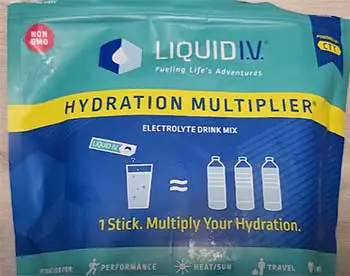
Sourcing ingredients from reliable suppliers while maintaining strict standards takes coordination across borders and partners.
I have seen how supply disruptions affect other products, but Liquid IV seems to deliver consistency even during challenging times.
That stability comes from investments in relationships with growers, testing labs, and manufacturing facilities equipped for high-volume runs without compromising safety.
Each batch undergoes multiple checkpoints for purity, potency, and dissolution performance.
Scaling up production to meet demand involved facility upgrades and automation that demand capital.
These steps protect against variability you might encounter with cheaper imports that cut corners on oversight.
In my own use, knowing the product performs the same way every time builds confidence. Whether I mix it after an intense lifting session or use it to bounce back from a night of poor sleep, the reliability matters.
The supply chain investments reduce risks like inconsistent flavors or reduced effectiveness that could frustrate regular users. You pay for that dependability, which feels worthwhile when hydration directly impacts how you feel and perform day to day.
Business Model, Margins, and Strategic Positioning
Companies set prices to stay viable while funding future improvements. Liquid IV operates as a premium player in the functional beverage category, targeting people willing to invest in better daily habits.
The per-serving cost reflects not only production but also the need for healthy margins that support expansion, innovation, and returns for everyone involved in bringing it to market.
I like their subscribe-and-save model because it lowers the effective price for steady users like me. Bundles and multi-flavor packs also help stretch the value.
Still, the core positioning avoids competing solely on price. Instead, they emphasize results and convenience, which justifies charging more than generic electrolyte replacements.
Analyzing the numbers coldly, this approach sustains the brand long-term. If they slashed prices too aggressively, the quality and development pace might suffer.
For you, this means paying for a thoughtfully positioned product rather than the absolute cheapest option. In my routine, the strategic focus on premium hydration delivers enough upside that I continue choosing it for key days when I need peak performance.
Also Read: Are SALTT Electrolytes Worth It?
Additional Value Through Impact Programs and Product Expansion
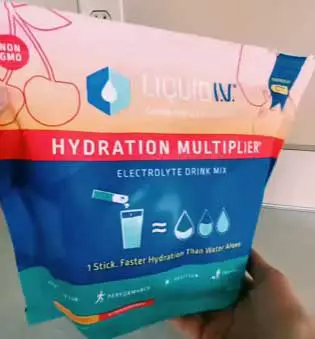
Part of what Liquid IV does with revenue supports hydration access in areas that need it most through donations and clean water projects.
I value knowing purchases contribute to broader good, even if it represents a smaller slice of the overall cost structure.
That mission-driven side adds operational layers, from tracking impact to partnering with organizations.
At the same time, the brand keeps rolling out new options—sugar-free varieties, energy-focused formulas, and seasonal flavors.
Each launch involves formulation work, testing consumer preferences, and production adjustments.
I have tried several flavors, and the variety keeps things interesting without sacrificing the core hydration benefits.
This ongoing evolution means you get more choices tailored to different needs, from daily maintenance to specific recovery scenarios.
The costs of innovation and impact initiatives get shared across the customer base, which explains part of why the product sits at a higher price point. For me, it creates a sense of alignment with a company thinking beyond just profit.
Extensive Flavor Development and Sensory Testing
One thing that keeps me loyal is how good Liquid IV tastes without any chemical aftertaste or artificial vibe.
Achieving that balance requires extensive work in flavor labs, testing combinations with real people, and refining recipes so they work with the hydration technology. Natural flavors and sweeteners cost more than basic artificial ones, and the iterative tasting panels add time and expense.
I remember early trials with other brands where the flavor was either too sweet or faded quickly. Liquid IV invested in profiles like lemon lime or acai berry that actually taste refreshing and mix evenly every time.
Sensory experts evaluate mouthfeel, aroma, and how the drink performs when cold or at room temperature. All of this development ensures broad appeal and repeat purchases.
From a user perspective, great taste removes a common barrier to staying hydrated. You look forward to drinking it rather than forcing it down.
That experience comes from dedicated resources poured into flavor science, which cheaper products rarely match. The effort shows in every packet and contributes meaningfully to the overall pricing.
Regulatory Compliance, Certifications, and Ongoing Quality Oversight
Meeting food and supplement regulations across different markets involves documentation, audits, and continuous monitoring.
Liquid IV maintains non-GMO status, allergen controls, and other certifications that require dedicated teams and external verifications. These steps protect consumers and allow the product to reach wider retail channels.
I feel safer consuming something with transparent compliance rather than risking unknowns from less-regulated options.
Ongoing oversight includes stability testing for vitamins over shelf life and updates to formulas as guidelines evolve. Expanding into new countries or retail partners often means additional certifications, each carrying associated costs.
For everyday users like you and me, this translates to peace of mind. The product meets high bars for safety and labeling accuracy, which builds long-term trust.
While it adds to expenses, the result is a dependable item I can incorporate without second-guessing. In a market full of choices, strong compliance helps justify the premium positioning.
As someone who’s tracked my own hydration habits, I can say the premium adds up, but so do the benefits when it fits my needs.
Also Read: Is Key Nutrients Electrolyte Powder Worth It?
Frequently Asked Questions (FAQ)
Its Cellular Transport Technology uses a specific electrolyte-glucose ratio to hydrate faster and more efficiently than water alone, plus added vitamins in a convenient, great-tasting format.
It depends on your needs. For athletes, travelers, or heavy sweaters who notice better recovery, yes. For casual daily use, cheaper options might suffice.
The original claim suggested one serving hydrates like three bottles, but it was adjusted. It provides faster and more effective hydration than plain water, often feeling equivalent in impact.
It commands a premium due to tech, ingredients, and branding. Many users find the value strong, but it’s higher than basic electrolytes, making it feel expensive for some budgets.
Wrapping It Up: Should You Invest in Liquid IV?
I’ve laid out the reasons why Liquid IV carries that higher price, and now it’s your turn to weigh them against your own lifestyle.
If you push your body hard, deal with dehydration triggers often, or simply value the convenience and faster results, you might find it pays for itself in better performance and fewer wasted days feeling off.
On the flip side, if you’re on a tight budget or your needs are lighter, plenty of solid alternatives exist at lower costs.
Experiment for yourself—start with a smaller pack and track how you feel. I did, and it became a staple for me on demanding days. Ultimately, you get what you pay for in efficiency, quality, and experience, but only you can decide if that fits your routine and wallet.