
I have spent the last several months rotating through cans of Waterloo and LaCroix as I cut back on everything from soda to overly sweet juices.
If you are looking for a zero-calorie bubbly option that still feels like a treat, these two brands come up constantly in stores and conversations.
My goal here is to give you a clear, side-by-side picture of how they taste, bubble, and fit into everyday routines so you can decide which one belongs in your fridge.
| Category | Waterloo | LaCroix |
| Ingredients | Purified carbonated water + Non-GMO natural flavors | Carbonated water + natural essences |
| Calories per 12 oz can | 0 | 0 |
| Sugar | 0 g | 0 g |
| Sodium | 0 mg | 0 mg |
| Sweeteners | None | None |
| Carbonation | Medium-high, lively and smooth | Medium, crisp with occasional harsh notes |
| Flavor Intensity | Bold, vibrant, true-to-name fruit notes | Subtle, light essence that can feel muted |
| Key Certifications | Non-GMO Project Verified, Whole30 Approved, Vegan, Gluten-Free, Kosher | Naturally essenced, Non-GMO claims |
| Water Source | Multi-step filtered purified water | Filtered and sourced across U.S. locations |
| Best For | People who want stronger flavor and solid bubbles | Fans of classic, understated sparkling water |
| Standout Flavors | Grape, Pineapple Coconut, Black Cherry, Summer Berry | Pamplemousse, Limoncello, Coconut, Key Lime |
Key Differences Between Waterloo and LaCroix
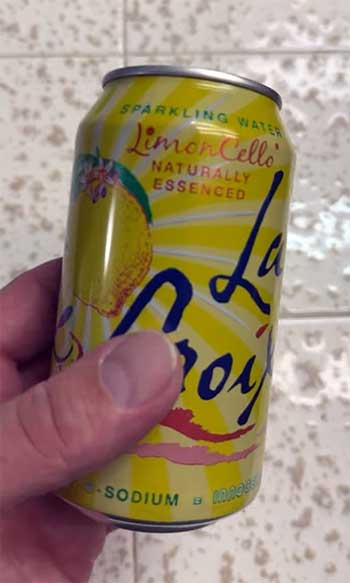
- Flavor delivery and boldness Waterloo builds layered flavor using extracts, oils, and essences from the named fruit paired with complementary notes. This creates a fuller, juicier impression that actually tastes like the fruit on the label. LaCroix relies on lighter natural essences that sit more gently on the palate. Many people notice Waterloo feels more present from the first sip through the finish, while LaCroix can come across as delicate or sometimes barely there, especially in flavors like plain lime or lemon.
- Carbonation character Waterloo uses a process that produces medium-to-high bubbles with good staying power and a clean, smooth mouthfeel. The fizz feels lively without burning the throat. LaCroix tends toward medium carbonation that can start crisp but sometimes ends with a sharper or slightly metallic edge for sensitive drinkers. If you enjoy a satisfying burp and bubbles that last through the whole can, Waterloo usually wins that round in direct comparisons.
- Aftertaste and cleanliness Both brands avoid sugar, artificial sweeteners, and added sodium, yet the flavor construction leads to different finishes. Waterloo’s natural flavors integrate smoothly and leave a pleasant fruit echo without lingering weirdness. LaCroix can occasionally leave a faint essence or carbonation aftertaste that some describe as toothpaste-like or flat. This difference becomes obvious when you drink them back-to-back on a hot day or after a workout.
- Certification and sourcing emphasis Waterloo highlights its Non-GMO Project Verified natural flavors, Whole30 approval, vegan status, and gluten-free certification on packaging and materials. The company stresses multi-step filtration of locally sourced water. LaCroix focuses on “naturally essenced” and zero-calorie innocence but does not carry the same breadth of third-party certifications in the same prominent way. For shoppers who scan labels for those specific badges, Waterloo makes the choice easier.
- Flavor range and creativity Waterloo offers core flavors plus frequent limited drops, including bold options like Grape and Pineapple Coconut alongside dessert-inspired collabs. LaCroix maintains a large rotating lineup of classics with some newer blends like Pineapple Coconut or Mojito. Waterloo tends to push more adventurous or nostalgic profiles, while LaCroix stays closer to familiar fruit territory.
Key Features of Waterloo Sparkling Water

- Purified water foundation Every can starts with water that goes through multi-step filtration to remove impurities before carbonation. This clean base lets the natural flavors shine without any off-notes from the water itself. You taste the intended fruit rather than any mineral or chlorine hint.
- Non-GMO Project Verified natural flavors The brand uses only verified natural flavors derived from vegan sources. These are extracts, oils, and essences carefully paired to build depth without any sugar or juice. The result is flavor that feels crafted rather than sprayed on.
- Whole30 Approved status This certification matters if you follow Whole30 or similar elimination-style eating. Waterloo meets the strict guidelines, making it a reliable choice during resets when many other beverages get ruled out.
- Zero of the usual suspects No calories, no sugar, no artificial sweeteners, no sodium, no caffeine, and no major allergens. It also avoids citric acid in the way some competitors use it. The drink stays simple and supports clean routines without hidden additives.
- Lively yet smooth carbonation The bubbles sit in a sweet spot—assertive enough to feel refreshing and celebratory but not so aggressive that they overwhelm the flavor or cause throat burn. This balance makes it easy to drink several cans throughout the day.
- Wide and creative flavor lineup Core options include Grape, Black Cherry, Peach, Lemon-Lime, and Summer Berry. Limited releases bring things like Pineapple Coconut or nostalgic dessert profiles. The variety keeps things interesting if you get bored easily with the same two or three tastes.
Also Read: Is Hydroxycut Drink Mix Worth It?
Pros of Waterloo Sparkling Water
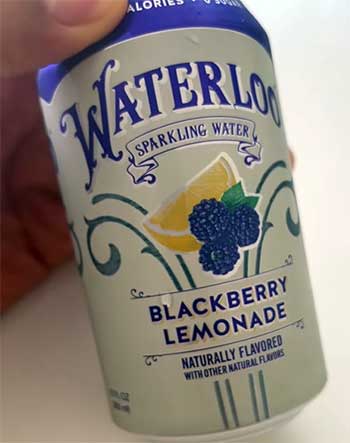
- Stronger, more satisfying flavor that actually tastes like the fruit When you open a can of Waterloo Grape or Pineapple Coconut, the aroma and taste come through clearly from the first sip. This makes it feel more like a flavored beverage than lightly scented water. People who previously found sparkling water boring often switch to Waterloo because the taste reward is higher.
- Better carbonation balance for all-day sipping The medium-high fizz stays lively without turning harsh. You get refreshing bubbles that encourage you to keep drinking, which helps with hydration goals. The smooth finish means you can enjoy multiple cans without palate fatigue.
- Helpful certifications for clean-eating lifestyles Whole30 approval and Non-GMO Project Verified status give peace of mind. If you track these details for health or dietary reasons, Waterloo removes the guesswork and label-checking stress.
- Creative and bold flavor options keep things exciting Limited releases and unique combinations like Summer Berry or dessert-inspired drops prevent boredom. You can rotate flavors seasonally or try something new without leaving the brand.
- Clean aftertaste that pairs well with meals The flavors integrate nicely with food rather than clashing. A can of Waterloo Black Cherry or Peach works as a nice accompaniment to lunch or dinner without competing with savory dishes.
- Supports active routines without breaking any rules Zero everything questionable plus solid refreshment makes it easy to keep in a gym bag or desk drawer. It replaces sugary sports drinks or sodas while still feeling like a small reward.
Cons of Waterloo Sparkling Water
- Availability can be spotty in some regions While growing, Waterloo does not have the same nationwide saturation as older brands. You might need to check multiple stores or order online if your local supermarket does not stock it consistently.
- Flavor intensity may overwhelm people who prefer subtle tastes If you like your sparkling water barely flavored, Waterloo’s bolder profile can feel too much at first. Some drinkers need a few tries to adjust to the stronger fruit presence.
- Newer brand means fewer long-term user anecdotes Founded in 2017, it lacks the decades of household familiarity that LaCroix enjoys. Some shoppers hesitate simply because they have not seen it as long on shelves.
- Limited-time flavors can create FOMO or disappointment Popular collabs sell out or disappear, leaving fans waiting for returns. This can frustrate people who fall in love with a seasonal option.
Key Features of LaCroix Sparkling Water
- Minimalist ingredient list The cans list only carbonated water and natural essences. This stripped-down approach appeals to people who want the absolute fewest additions possible while still getting flavor.
- Longstanding brand familiarity LaCroix has been around for decades and sits in almost every grocery store cooler. The consistent availability and recognizable branding make it the default choice when you need something quickly.
- Subtle essence approach The flavors come from natural fruit essences rather than heavy extracts. This creates a lighter, airier profile that some people prefer because it never feels overpowering or artificial.
- Zero calorie and sodium profile Identical to Waterloo on paper—nothing caloric or salty. It serves the same role as a guilt-free swap for soda or juice.
- Broad classic flavor selection Options like Pamplemousse, Coconut, Key Lime, Limoncello, and various berry blends have loyal fans. The range covers everyday favorites without venturing too far into experimental territory.
- Light carbonation that suits sensitive palates The bubbles tend to feel gentler and less persistent. This can be a plus if strong fizz bothers your stomach or if you simply enjoy a softer sparkling experience.
Also Read: Is Harmonia Cortisol Cocktail Worth It?
Pros of LaCroix Sparkling Water
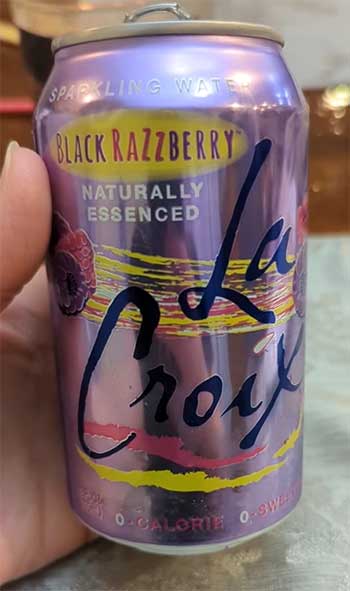
- Extremely subtle flavor that never overpowers The light essence approach works beautifully if you want just a hint of fruit without commitment. It feels clean and airy, almost like sparkling water with a memory of fruit.
- Widely available almost everywhere You can find LaCroix in gas stations, big-box stores, and small markets across the country. This reliability makes it the easy default when traveling or in a pinch.
- Gentler carbonation suits sensitive stomachs The softer bubbles reduce the chance of bloating or throat irritation for some people. It serves as a good entry point for those new to sparkling water.
- Huge variety of classic and rotating flavors Long-time fans have their go-tos like Pamplemousse or Coconut, while new limited options keep the lineup fresh. There is usually something for every mood.
- Iconic branding and cultural familiarity Many people already know and trust the brand. It carries a certain “I’m making a healthy choice” vibe that feels established rather than trendy.
Cons of LaCroix Sparkling Water
- Flavor can feel too light or inconsistent Several people report that certain flavors taste more like the can than the fruit. The subtlety that some love becomes a drawback when you want actual taste payoff.
- Carbonation sometimes comes across harsh or metallic The bubbles can start strong but finish with an edge that lingers. This turns off drinkers who prefer a smoother, creamier mouthfeel throughout the can.
- Fewer standout certifications on display While clean, it does not carry the same collection of third-party badges that appeal to strict Whole30 or Non-GMO shoppers. Label readers may need to dig deeper for reassurance.
- Can taste flat or one-note after repeated use Once you get used to bolder options, LaCroix’s lighter profile sometimes feels like it is missing something. Regular drinkers occasionally rotate away for more intensity.
Health and Hydration Perspective
Both brands deliver the same basic nutritional profile: zero calories, zero sugar, zero sodium, and no artificial sweeteners.
They function as excellent swaps for soda or juice when you want bubbles without the downsides. Waterloo edges ahead for some because of its explicit certifications and purified water emphasis, but the practical health difference remains tiny.
On hydration, both count toward your daily fluid intake since they are mostly water with a bit of carbonation and trace flavor.
Plain still water hydrates most efficiently for some people because it lacks any fizz that can occasionally cause temporary bloating. Still, if sparkling water helps you drink more throughout the day than plain water would, either brand supports better hydration habits than sugary alternatives.
Also Read: Is More Labs Morning Recovery Worth It?
Frequently Asked Questions (FAQ)
Both are equally healthy from a nutrition standpoint. They contain zero calories, sugar, and artificial additives. Waterloo carries more visible third-party certifications, but the core health impact is the same.
Yes. It offers bold flavor, solid carbonation, and clean ingredients that many people prefer over milder options. It works well as a daily refresher or soda replacement.
No. Waterloo is an independent brand. It has partnered with Guy Fieri for limited-edition flavors, but the company itself is not owned or operated by him.
It hydrates very similarly because it is primarily purified water with carbonation and natural flavors. Some people find plain water slightly more efficient, but Waterloo still contributes meaningfully to daily fluid needs and often encourages higher intake due to better taste.
Final Thoughts
After comparing these two side by side in my own routine, I think you will find that Waterloo tends to win when you want bolder taste and lively bubbles, while LaCroix remains a solid, widely available choice for lighter refreshment.
The best move is to grab a variety pack of each and test them against your own preferences. Your taste buds will tell you quickly which one earns a regular spot in your rotation.