
I have spent countless mornings whipping up smoothies, afternoons making hot soups from scratch, and evenings experimenting with nut butters and frozen desserts.
When it comes to high-end blenders, the big question I kept hearing from friends and family is which one to pick between Vitamix and Blendtec. I decided to put both through real-life tests in my own kitchen to figure out what works best for everyday users like us.
In this article, I share my personal experiences, break down the strengths and weaknesses, and help you decide which blender fits your needs so you can blend confidently without regrets.
| Feature | Vitamix (e.g., 5200 or Ascent models) | Blendtec (e.g., Designer or Professional series) |
| Motor Power | 2-2.2 peak HP | Up to 3.8 peak HP |
| Controls | Variable speed dial + switch | Touchscreen presets + slider |
| Tamper Included | Yes | No (jar design compensates) |
| Jar Design | Tall, narrow with spout | Squarish WildSide, lower profile |
| Noise Level | Quieter overall | Louder, but some models have enclosures |
| Self-Cleaning | Yes | Yes |
| Warranty | 7-10 years | 8-10 years |
| Price Range (approx.) | Higher | Often slightly lower |
| Best For | Precision control, versatility | Convenience, speed on presets |
Key Differences Between Vitamix And Blendtec
I noticed these stand out most when switching between them:
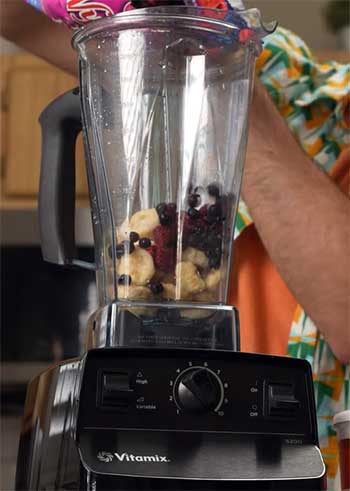
- Blade and Jar Design: Vitamix uses laser-cut stainless steel blades with a classic shape that creates a strong vortex. The tall container works great with the included tamper to push ingredients down. I found that this setup prevents air pockets from forming during thick blends, giving me consistently smooth results even when I add heaps of kale or frozen bananas. Blendtec relies on a unique square WildSide jar and blunt blades that pull everything in without needing a tamper as often. The square shape creates multiple collision points that break down ingredients efficiently, which I appreciated when making large family batches of salsa or dips, though I sometimes had to stop and scrape the sides for ultra-thick mixtures.
- Control Styles: I love twisting the Vitamix dial for exact speeds, from gentle chopping to full power. It gives me confidence with delicate recipes like emulsifying homemade mayonnaise or gradually incorporating hot liquids for soups. Blendtec’s touchscreen and presets let me start a cycle and walk away, which I appreciate when multitasking with kids or work calls. The slider on newer models feels modern and responsive, allowing quick adjustments if I want to override a preset.
- Build and Size: Vitamix models often have a taller base that may not slide under cabinets easily, which forced me to rearrange my counter space initially. Blendtec tends to have a lower profile, making storage simpler in my smaller kitchen. Both feel sturdy with solid bases that stay put during heavy loads, but Vitamix components seem built for decades of heavy use with metal drive systems that hold up better over time in my experience.
- Performance on Tough Tasks: For smoothies with frozen berries and greens, both deliver creamy results, but Vitamix often gets there faster with the tamper. I could layer ingredients and adjust speeds on the fly for perfect texture. Blendtec crushes ice exceptionally well and handles hot soups with its preset that lets it heat through friction, reaching near-boiling temperatures quickly without a stove.
- Cleaning and Maintenance: Self-cleaning works amazingly on both—just add soap and water, run a cycle. Vitamix blades are sharper and might need more careful handling to avoid nicks, while Blendtec’s blunt design feels safer for daily scrubbing and less prone to dulling from frequent use on hard items.
- Noise and Durability: I prefer Vitamix for quieter operation during early mornings when the house is still sleeping. Blendtec can roar louder, though enclosed models improve this noticeably. Long-term, both last years with proper care, but Vitamix has a reputation for holding value better on the resale market, which mattered when I considered upgrading later.
Also Read: Differences Between Vitamix 5200 And 7500 Blenders.
Key Features of Vitamix Blenders
Vitamix stands out for thoughtful engineering that supports creative cooking. Here is what I use regularly and why each matters in real life:
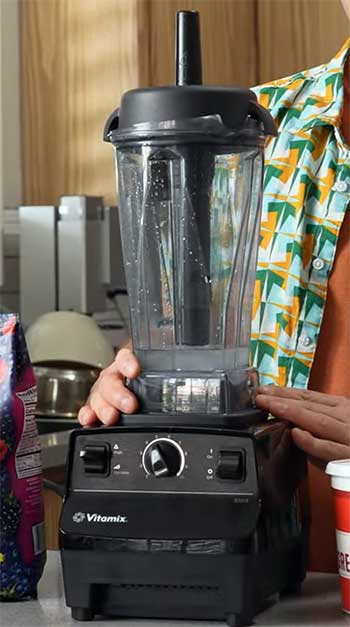
- Powerful motors that handle everything from dry grains to steaming soups without strain: The 2+ horsepower motor powers through frozen fruit, tough vegetables, and even whole grains for fresh flours. I have ground wheat berries into flour and made steaming hot soup in under 10 minutes using friction heat alone, which keeps nutrients intact and saves me from extra pots and pans.
- Variable speed control plus pulse function for perfect textures every time: This is my favorite part because I can start slow to chop onions for salsa without pureeing them into mush, then ramp up for silky smoothies. The pulse lets me control bursts for chunky guacamole or pesto that retains some bite.
- Included tamper that prevents air pockets and speeds up thick blends dramatically: No more stopping to scrape down sides constantly. I push down nut butters or thick protein shakes, and it creates the perfect vortex every time, cutting blending time in half for dense recipes.
- Laser-cut stainless steel blades designed for consistent performance over years: These stay sharp through daily use on ice and frozen items. I have had my Vitamix for years and the blades still perform like new, unlike cheaper blenders that dull quickly.
- Self-cleaning cycle that takes under a minute: Drop in warm water and a drop of soap, run the cycle, and it is spotless. This convenience means I actually use it multiple times a day without dreading cleanup.
- Multiple container sizes available, including low-profile options: I use the standard 64-oz for family meals and smaller ones for single servings or travel cups. This flexibility fits every situation from batch cooking to personal smoothies.
- Excellent heat generation for hot soups directly in the jar: Friction heats soups to serving temperature safely. I toss in raw veggies, broth, and spices, blend, and serve fresh soup in minutes, perfect for weeknight dinners.
- Wide range of accessories like grain mills or smaller personal cups: I expanded my setup with a dry grains container for fresh flours and spices, which opened up new baking possibilities without extra appliances.
- Solid warranty backing the build quality: The 7-10 year warranty gives peace of mind. I have never needed to use it, but knowing the company stands behind the product builds trust.
- American assembly with high standards that I trust for longevity: Every use reinforces that this is a machine built to last, encouraging me to experiment more boldly in the kitchen.
Pros of Vitamix Blenders
I have come to appreciate these advantages after extensive use, and each one has proven its value repeatedly in my kitchen:
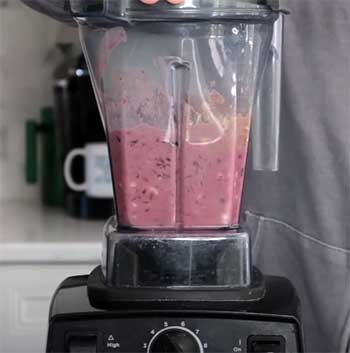
- Superior precision with the variable dial allows fine-tuning for any recipe, from chunky salsas to velvety sauces: I can achieve restaurant-quality textures that presets alone sometimes miss. This control turned me into a better cook by letting me experiment confidently.
- The tamper makes handling dense mixtures effortless, saving time and reducing frustration: Thick nut butters, frozen yogurt bases, or chia puddings blend smoothly without constant interruptions. It has saved me countless minutes over the years.
- Quieter operation compared to many competitors, which matters in open kitchens or early mornings: I can blend while the household sleeps without waking anyone, a small but meaningful daily win.
- Exceptional build quality that feels premium and lasts through heavy daily use: The solid construction inspires confidence. Mine has survived thousands of cycles and still performs flawlessly.
- Better vortex action for incorporating all ingredients evenly without constant stopping: Greens disappear completely into smoothies, and everything mixes thoroughly on the first try more often than not.
- Versatile across hot and cold tasks, including reliable soup heating: One machine handles everything, reducing clutter and making healthy eating more approachable year-round.
- Strong resale value if you ever upgrade or move: I have seen used models hold their price well, protecting the investment.
- Community of users sharing thousands of recipes tailored specifically to its strengths: Online resources and cookbooks make it easy to expand my repertoire with proven ideas.
- Consistent performance on nut butters and thick spreads thanks to manual control: I create creamy almond or peanut butter that stores for weeks, far better than store-bought versions.
- Excellent customer service reputation with long warranties: Any issues get resolved quickly, adding to the overall ownership satisfaction.
These pros make Vitamix feel like a true kitchen investment that grows with my cooking skills. I find myself reaching for it when I want creative control or when preparing special meals.
Also Read: Differences Between Vitamix E310 And E320 Blenders.
Cons of Vitamix Blenders
No blender is perfect, and these are the drawbacks I have noticed in daily practice:
- Higher price point that can feel steep at first, though it pays off over time: The initial cost made me hesitate, but after years of reliable service, I see it as money well spent on health and convenience.
- Taller design that may not fit under standard cabinets without removing the base: This required some adjustment in my setup, but low-profile options helped mitigate it.
- Requires more hands-on involvement with the tamper and speed adjustments: It is not as fully automated, so you stay engaged during the process, which I like but others might find less convenient.
- Blades can be trickier to clean thoroughly due to their sharpness: Extra care is needed, though the self-clean cycle handles most of it.
- Heavier overall weight compared to some Blendtec models: Moving it around takes a bit more effort, especially when full.
- Fewer built-in presets on base models, meaning more learning curve initially: I had to practice a bit to master timing, but it became second nature quickly.
- Potential for minor dripping from the spout if not careful when pouring: A small habit of wiping the spout fixes this easily.
- Larger footprint on the counter for some configurations: It takes space, so planning your kitchen layout helps.
I manage these by planning storage and embracing the manual style, but they are worth considering if convenience is your top priority.
Key Features of Blendtec Blenders
Blendtec brings smart automation and raw power that simplifies routines. These features make it shine for me on busy days:
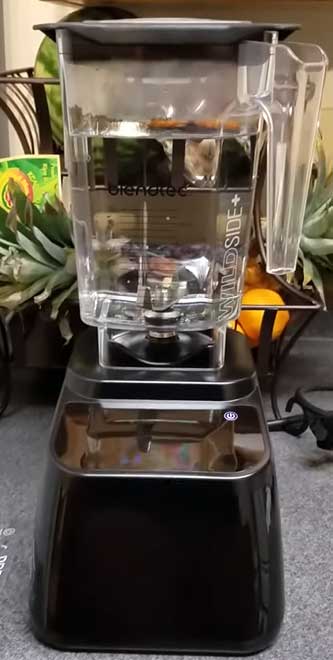
- High horsepower motors that tackle tough ingredients quickly: With up to 3.8 peak HP, it powers through entire frozen fruit bags or large ice quantities in seconds. This speed is a lifesaver when I am rushing to make breakfast for the family or prepping snacks for the week.
- Pre-programmed cycles for smoothies, soups, ice cream, and more—set it and forget it: I love loading ingredients, hitting the smoothie button, and walking away to pack lunches. It automatically adjusts speeds for optimal results, taking the guesswork out of consistent textures.
- Intuitive touchscreen interfaces with speed sliders on premium models: The controls are easy to wipe clean and responsive. I can fine-tune on the fly if needed, and the digital display shows progress clearly, which is great for following recipes precisely.
- Unique jar shapes that create efficient blending without extra tools: The square WildSide jar creates turbulence that pulls ingredients down naturally. I rarely need to intervene, making it ideal for quick morning routines.
- Lower overall height for better cabinet fit: This was a game-changer in my kitchen with limited storage. It tucks away neatly, freeing up precious counter space compared to taller alternatives.
- Strong ice-crushing ability right out of the box: Margaritas, slushies, or protein shakes with ice come out perfectly crushed every time. No more chunks ruining the drink experience.
- Self-cleaning that works reliably every time: Same easy process as Vitamix, but the jar shape seems to rinse even cleaner with less residue left behind.
- Modern, sleek designs that look great on the counter: The stainless steel and clean lines make it a stylish addition rather than an eyesore, which motivates me to leave it out and use it more often.
- Solid warranties and good customer support: Coverage matches or exceeds expectations, and I found support responsive when I had setup questions.
- Capability to make batters, flours, and even dough in some setups: I have successfully made pancake batter and quick bread mixes directly in the jar, streamlining baking prep significantly.
When I want a quick lunch smoothie or hot soup without babysitting, Blendtec delivers consistently. The presets remove guesswork, which I appreciate when teaching kids to blend safely or when hosting guests.
Also Read: Differences Between Vitamix E310 And 5200 Blenders.
Pros of Blendtec Blenders
Blendtec wins me over in these areas, each contributing to smoother daily routines:
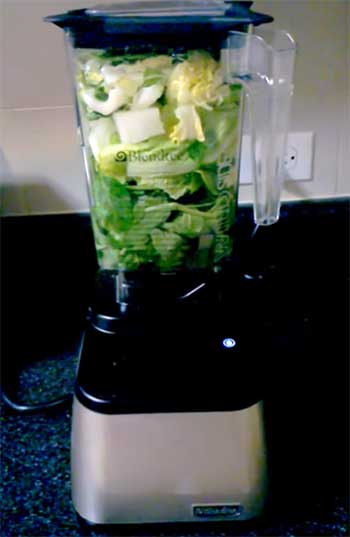
- Faster blending on many tasks thanks to powerful motors and efficient jar design: It powers through tough jobs quicker, which is perfect for hectic weekdays when every minute counts.
- Convenient presets simplify life for beginners or rushed mornings: One-touch operation means even my kids can make smoothies safely and consistently.
- Lower profile jars that store easily and fit my space better: This practical advantage keeps my counters less cluttered and the blender accessible.
- Often more affordable entry into high-end blending: You get impressive performance without the highest price tag, making it attractive for many households.
- Excellent ice and frozen fruit performance without extra tools: No fuss with ice crushing or frozen ingredients, delivering perfect textures for drinks and desserts.
- Modern touchscreen controls that feel futuristic and easy to wipe clean: The interface looks clean and operates smoothly, enhancing the overall user experience.
- Reliable self-cleaning with minimal effort: Quick cleanup encourages frequent use without the dread of manual washing.
- Good at handling larger batches in the unique square jar: Ideal for meal prep or entertaining, as it processes bigger volumes efficiently.
- Fun “Will It Blend?” heritage that shows durability: It builds confidence knowing the machine can handle extreme tests.
- Quiet enclosed models available for noise-sensitive homes: These options make it more family-friendly during all hours.
I enjoy these when hosting or prepping quick family meals. The set-and-forget aspect reduces stress in a hectic schedule.
Cons of Blendtec Blenders
Here is what gives me pause sometimes after direct comparisons:
- Louder operation on standard models, which can startle during quiet times: It can be disruptive in small apartments or early mornings without the enclosed version.
- Less precise control without a tamper for very thick recipes: Some dense mixtures require more manual intervention or multiple cycles.
- Jar design can lead to occasional drips or harder pouring compared to spouted alternatives: I learned to pour slowly or use a spatula to avoid messes.
- Presets might not suit every custom recipe, requiring manual tweaks: Flexibility exists but sometimes needs extra attention.
- Potentially shorter perceived lifespan in some user reports, though many last years: I have had good longevity, but awareness helps with care.
- Blades and jars can feel less refined for ultra-fine textures in my tests: Results are great but occasionally not quite as silky as Vitamix on certain tasks.
- Limited accessory ecosystem compared to the other brand: Fewer specialized add-ons available.
- Touch interfaces might wear over very long-term heavy use: Buttons hold up well but could show signs eventually.
- Less emphasis on low-speed versatility for chopping or folding: It excels at high-power tasks but is less nuanced at gentler speeds.
These do not ruin the experience for me, but they influence when I choose one over the other.
Which One Should You Choose?
After testing both extensively, I lean toward Vitamix for most home cooks who want versatility and control. It handles a wider range of tasks with confidence and feels built to last a lifetime.
However, if you value presets, easier storage, and slightly lower cost, Blendtec serves you well, especially for smoothies and simple recipes. Consider your counter space, budget, and how hands-on you like to be.
I keep both now for different scenarios and recommend trying them in stores if possible.
Also Read: Differences Between Vitamix A3500 And 5200 Blenders.
Frequently Asked Questions (FAQ)
No, Starbucks primarily uses Vitamix blenders, including custom models for their drinks.
For most users, Vitamix remains a top choice, though some prefer alternatives like certain Breville or high-end models depending on specific needs. Nothing universally surpasses it for versatility.
Blendtec continues operating successfully with new models and ownership changes, still producing quality blenders known for innovation.
Vitamix models, particularly the 5200, frequently top independent tests and user ratings for performance and durability.
Final Thoughts
In the end, I encourage you to think about your daily blending habits and what features will make your life easier. Both Vitamix and Blendtec represent excellent investments that elevate your kitchen game.
I hope my experiences help you pick the right one and start creating delicious, nutritious blends right away. You will wonder how you lived without it once it arrives on your counter.