
As someone who’s spent countless hours in the kitchen blending everything from morning smoothies to hearty soups, I’m here to break down the Vitamix A2300 versus A3500.
My main goal with this article is to help you figure out which one fits your needs better, whether you’re a budget-conscious beginner or a tech-loving pro. I’ll share my thoughts on features, performance, and value to guide your decision.
| Feature | Vitamix A2300 | Vitamix A3500 |
| Motor Power | 2.2 peak HP | 2.2 peak HP |
| Container | 64 oz low-profile, dishwasher-safe | 64 oz low-profile, dishwasher-safe |
| Controls | Physical switches for pulse and start/stop, analog speed dial | Touchscreen for programs, pulse, start/stop; digital speed knob with display |
| Built-in Programs | None | 5 (Smoothies, Hot Soups, Dips & Spreads, Frozen Desserts, Self-Cleaning) |
| Timer | Digital count-up | Programmable countdown with auto shutoff, plus count-up |
| Connectivity | NFC Self-Detect for containers, Bluetooth for app | NFC Self-Detect for containers, Bluetooth for app |
| Base Material | Plastic (colors: black, white, red, slate) | Metal options (brushed stainless, black stainless, copper, graphite) |
| Noise Level | Louder due to plastic base | Quieter with metal base |
| Warranty | 10 years | 10 years |
| Price (New) | Around $500 | Around $650 |
| Dimensions | 11 x 8 x 17 inches | 11 x 8 x 17 inches |
| Weight | 11 lbs | 15 lbs (due to metal) |
Performance Comparison of Vitamix A2300 And A3500
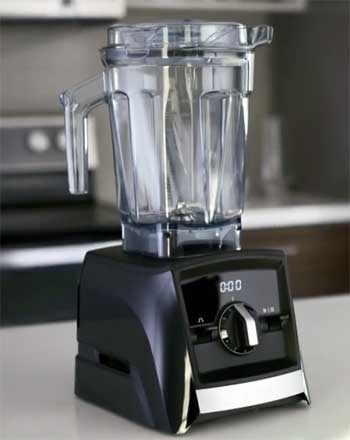
Let’s talk about what matters most: how these blenders perform in action.
Both have the same 2.2 HP motor, so power-wise, they’re equals.
I’ve tested similar setups, and they both pulverize ice into snow for cocktails or grind nuts into creamy butter without straining.
For smoothies, the A2300 requires manual ramping from low to high speed, watching the timer to hit that perfect 45-60 seconds.
It’s satisfying if you enjoy controlling the process, like adjusting for chunkier textures.
The A3500’s smoothie program does this automatically—ramp up, pulse if needed, and shut off. I remember making a berry blend; with the A3500, I loaded ingredients, selected the program, and chopped veggies nearby while it worked.
Hot soups highlight differences too. Both heat via friction, but the A2300 needs you to blend on high for about 6 minutes, monitoring to avoid overdoing it. The A3500’s hot soup program runs precisely 5:45 minutes, building heat safely with auto shutoff.
It’s a game-changer for safety, especially if you’re juggling kids or calls.
Frozen desserts? The A2300 handles them well with pulse and speed tweaks, but you time it yourself. The A3500’s program cycles speeds for creamy results without melting. Dips and spreads follow suit—the A3500 automates for consistent hummus or pesto.
Noise is another angle. The A2300’s plastic base lets more sound escape, hitting around 90-95 decibels on high, like a loud vacuum. The A3500’s metal dampens it to 85-90 dB, noticeable in open kitchens. If you blend early, this could sway you.
Cleanup is a breeze for both, thanks to dishwasher-safe parts. The self-cleaning program on the A3500 adds soap and water, runs, and rinses—done. On the A2300, you do the same manually, but it’s quick.
In terms of durability, the 10-year warranty backs both. I’ve heard from users that Ascent models hold up well, with rare issues fixed promptly by Vitamix support. The Self-Detect prevents misuse, like running too long in small containers.
What Makes The Vitamix Ascent Series Stand Out?
I’ve always appreciated how Vitamix blenders like the A2300 and A3500 come from the Ascent series, which brings smart tech into everyday blending. These machines aren’t just about raw power; they adapt to what you’re doing.
For instance, the Self-Detect technology uses NFC to recognize the container size and adjust settings automatically, so you don’t over-blend a small batch of pesto in a big jar. It’s like having a blender that thinks ahead for you.
Bluetooth connectivity lets you pair with the Vitamix app, opening up recipes and custom programs. I find this handy when experimenting with new ideas, like turning leftover veggies into a quick dip.
Both models share this foundation, but the differences shine in how they handle daily tasks. If you’re like me and value reliability, the 10-year warranty covers everything, including shipping, which gives peace of mind.
The containers are a big upgrade too—dishwasher-safe and with clear lids that snap securely to prevent spills. I’ve had older blenders where lids would pop off mid-blend, creating a mess, but these stay put.
You can add optional smaller containers, like 20-oz or 8-oz for personal servings, though they’re sealed and best for liquids since there’s no tamper access.
Key Features of The Vitamix A2300
When I think about the A2300, it’s the straightforward workhorse that gets the job done without extras. Here’s what stands out:
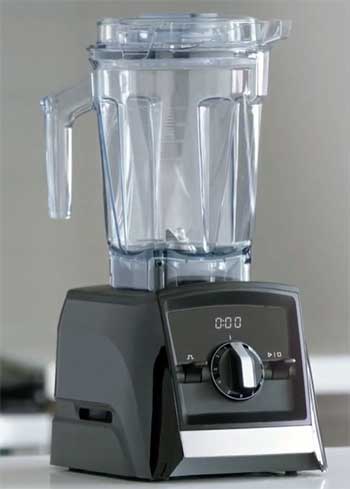
- Powerful 2.2 HP motor: This beast handles tough ingredients like ice or nuts effortlessly, turning them into smooth textures in seconds, much like its pricier siblings.
- Variable 10-speed control with analog dial: You twist the knob to adjust speeds on the fly, giving that tactile feel for precise control during blends, ideal if you prefer hands-on adjustments.
- Pulse feature via physical switch: Great for chopping veggies or creating chunky salsas without over-processing, and it’s quick to toggle.
- Digital count-up timer: Tracks how long you’ve been blending, helping you replicate recipes consistently, though you have to stop it manually.
- Self-Detect NFC technology: Automatically recognizes container sizes and caps blend time to avoid overheating, making it safer for various batch sizes.
- Bluetooth app integration: Lets you access hundreds of recipes and send custom programs to the blender, essentially adding presets if you don’t mind using your phone.
- 64-oz low-profile container: Fits under most cabinets and is perfect for family-sized batches, with a design that promotes better vortex for efficient blending.
I like how the A2300 keeps things simple. If you’re starting out or don’t need bells and whistles, it’s reliable for daily use, like whipping up a green smoothie before work.
Pros of The Vitamix A2300
From my perspective, the A2300 shines in affordability and basics. Let me list out the upsides with some thoughts:
- Budget-friendly price point: At around $500, it’s easier on the wallet compared to higher-end models, allowing you to invest in quality without breaking the bank, especially if you’re new to high-performance blending.
- Same blending power as premium models: The motor performs identically, so you get professional results for smoothies, soups, or nut butters, proving you don’t need extras for core tasks.
- Simple, durable controls: Physical switches and dial feel sturdy and intuitive, less prone to wear from fingerprints or accidental touches, which appeals to users who want longevity.
- Color variety in plastic base: Options like red or slate let you match your kitchen decor, adding a personal touch without extra cost.
- App compensates for lack of presets: With Bluetooth, you can mimic programs via your phone, giving flexibility for recipes without built-in buttons.
- Lightweight design: At 11 pounds, it’s easier to move around or store, handy if your counter space is limited.
These pros make the A2300 a smart pick for practical folks who blend regularly but skip the fancy stuff.
Cons of The Vitamix A2300
No blender is perfect, and the A2300 has drawbacks I’ve noticed:
- No built-in program settings: You handle everything manually, which means more attention during blends like hot soups, potentially leading to inconsistent results if you’re distracted.
- Louder operation: The plastic base doesn’t muffle noise as well, so it can be disruptive in quiet kitchens, especially at high speeds.
- Basic timer without auto shutoff: The count-up feature is useful, but forgetting to stop it could overwork the motor, though safety features help.
- Less premium look and feel: Plastic finishes might not impress in a high-end kitchen setup, feeling more utilitarian than luxurious.
- Reliance on app for advanced features: If you forget your phone or prefer standalone operation, you miss out on easy presets, making it less convenient for quick tasks.
Overall, these cons are minor if you’re okay with hands-on control, but they might nudge you toward the A3500 for ease.
Also Read: Comparison of Vitamix E310 And A3500 Blenders.
Key Features of The Vitamix A3500
The A3500 feels like the upgraded version, with touches that make blending more effortless. Here’s the rundown:
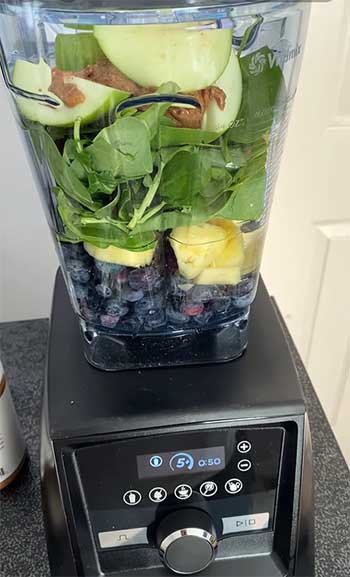
- 2.2 HP motor with identical power: Crushes anything from fibrous kale to frozen fruits smoothly, ensuring top-tier performance every time.
- Touchscreen interface: Sleek controls for starting, pulsing, and selecting programs, with a modern vibe that’s easy to wipe clean.
- Digital speed knob with display: Shows exact speed and allows half-step adjustments, resetting to low for safety, which prevents accidental high-speed starts.
- Five built-in programs: Automates common tasks like smoothies or self-cleaning, walking away while it handles timing and speed changes.
- Programmable countdown timer: Set exact times for recipes, with auto shutoff to prevent over-blending, perfect for multitasking in the kitchen.
- Self-Detect and Bluetooth: Same smart container recognition and app access, but enhanced by onboard programs for standalone use.
- Metal base finishes: Options like brushed stainless add durability and quietness, elevating the aesthetic for visible counter placement.
- 64-oz container with clear lid: Promotes better blending vortex and security, dishwasher-safe for quick cleanup.
In my view, the A3500 caters to those who want convenience, like setting a soup program and focusing on other meal prep.
Pros of The Vitamix A3500
This model wins me over with its user-friendly extras. Here’s why:
- Convenient preset programs: Five options automate blending, saving time on routines like frozen desserts, ideal for busy mornings when you just hit a button.
- Quieter blending experience: Metal base reduces noise, making it more apartment-friendly or suitable for early blends without waking the house.
- Advanced timer with auto shutoff: Countdown feature ensures precision, like stopping exactly at 5 minutes for hot soup, reducing guesswork.
- Premium build and finishes: Metal options feel luxurious and sturdy, enhancing kitchen appeal while muffling vibrations.
- Touchscreen for modern control: Intuitive interface responds quickly, with no physical wear, appealing to tech enthusiasts.
- Standalone functionality: Less need for the app since programs are built-in, offering true walk-away blending.
These advantages make the A3500 feel worth the splurge if you blend often and value efficiency.
Also Read: Comparison of Vitamix Explorian And 5200 Blenders.
Cons of The Vitamix A3500
Even with its perks, the A3500 isn’t flawless:
- Higher price tag: At $650, it’s a bigger investment, which might not justify the extras if you rarely use programs or prefer manual control.
- Heavier due to metal base: 15 pounds makes it less portable, a minor issue if it stays put but noticeable when storing.
- Touchscreen learning curve: Some users might prefer physical buttons, as screens can be finicky with wet hands or require precise taps.
- Overkill for basic users: If you stick to simple blends, the programs and timer might go unused, making it feel extravagant.
- Limited color options in metal: While premium, choices like copper might not match every decor, unlike the A2300’s variety.
These downsides boil down to whether the features align with your habits—if not, the extra cost could sting.
Key Differences Between Vitamix A2300 And A3500 Blenders
- Ease of Use and Daily Integration
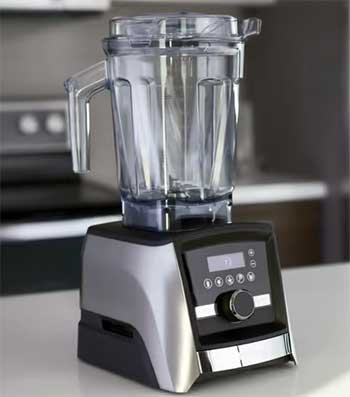
Ease matters when you’re using it every day.
The A2300’s physical controls feel familiar, like an old-school appliance. Twist the dial, flip the switch—simple.
It’s great for quick pulses when chopping onions or herbs. But for longer blends, you stay engaged, which some find therapeutic, others tedious.
The A3500’s touchscreen brings a smartphone-like experience.
Tap a program, set a timer, and go. The digital knob clicks in increments, showing speed clearly, which helps beginners avoid mistakes.
Resetting to speed 1 prevents splatters from starting too high—smart touch.
App integration levels the field. On the A2300, I use the Vitamix Perfect Blend app for recipes like almond milk, sending a program that mimics presets. It vibrates or notifies when done. The A3500 uses the app too, but built-ins mean less phone dependency. If you’re app-averse, the A3500 wins.
Container compatibility expands options. Both work with 48-oz, 20-oz, or 8-oz add-ons. The small ones are ideal for single-serve nut butters or dressings, but sealed design limits thick blends—no tamper. For families, the 64-oz jar shines, blending large batches efficiently.
Storage-wise, low-profile fits under cabinets. The A2300’s lighter weight makes it easier to pull out. Cord length is 4 feet on both, so plan your outlet placement.
- Value for Money: Which One Gives More Bang for Your Buck
Analyzing value, the A2300 offers core Vitamix excellence at a lower price. If your budget tops at $500, it’s a no-brainer—same motor, same results. Reconditioned units drop to $400, with full warranty. I’ve seen users save here and splurge on accessories like a dry grains container for flours.
The A3500 justifies $150 more if programs and quietness matter. For frequent users, time saved adds up. Think: busy parents hitting “frozen dessert” for quick treats, or hosts prepping dips hands-free. Premium finishes elevate it as a countertop statement.
Compare to competitors—cheaper blenders like Ninja might cost less but lack longevity or finesse. Vitamix’s build means fewer replacements. If you blend weekly, ROI is high; daily, even better.
Consider your routine. Casual smoothie maker? A2300. Aspiring chef experimenting often? A3500. Either way, you’re getting a machine that lasts.
- Accessories and Expandability
Both models expand with accessories, enhancing versatility. The food processor attachment turns your blender into a chopper, slicer, or dough mixer—compatible via Self-Detect. I’ve used similar for shredding cheese or kneading bread dough, saving space on extra gadgets.
Dry container for grains, personal adapter for small blends—these work across Ascent. Vacuum blending kits reduce oxidation for brighter juices. Budget for these if needed; they start at $100-200.
Maintenance is low: wipe base, dishwasher container. Avoid submerging the base. With care, these last decades.
Also Read: Comparison of Kenmore Pro And Vitamix Blenders.
Frequently Asked Questions (FAQ)
It depends on your needs, but the A3500 tops for features; A2300 for value.
Yes, if you want presets and quiet operation; otherwise, save with the A2300.
The A3300 adds a touchscreen and countdown timer but no programs, sitting between A2300 and A3500 in features and price.
The a2500i includes three built-in programs (smoothies, hot soups, frozen desserts) versus none on the a2300i; otherwise, they’re similar with international “i” denoting region-specific models.
Wrapping It Up: My Final Thoughts For You
Looking back, I’ve shared my analysis on the Vitamix A2300 and A3500, from their shared power to the nuances that set them apart. As I see it, the choice comes down to how you blend—manually with control or automated for convenience.
You might lean toward the A2300 if saving money matters most, or the A3500 if seamless features enhance your kitchen life. Whatever you pick, you’ll have a reliable partner for healthier meals. Thanks for reading; I hope this helps you decide.