
As someone who’s spent countless mornings whipping up smoothies and soups in my kitchen, I wanted to share my thoughts on two standout blenders from Vitamix: the 5200 and the 7500.
My goal here is to break down their differences, highlight what each does well, and help you figure out which one fits your needs. Whether you’re blending for one or feeding a crowd, I’ll walk through features, performance, and real-world use to make your choice clearer.
| Feature | Vitamix 5200 | Vitamix 7500 |
| Motor Power | 2 horsepower | 2.2 horsepower |
| Container Size | 64 oz tall, narrow | 64 oz low-profile, wide |
| Noise Level | Louder operation | 40% quieter with dampening |
| Controls | Variable speed dial, high/low switch | Variable speed dial, pulse switch |
| Warranty | 7 years | 10 years |
| Dimensions | Taller (20.5 inches) | Shorter (17.25 inches) |
| Price Range | Typically $400-$500 | Typically $500-$600 |
| Best For | Small batches, fibrous ingredients | Large batches, easier storage |
In-depth Differences Between Vitamix 5200 And 7500 Blenders
- Performance in Everyday Use
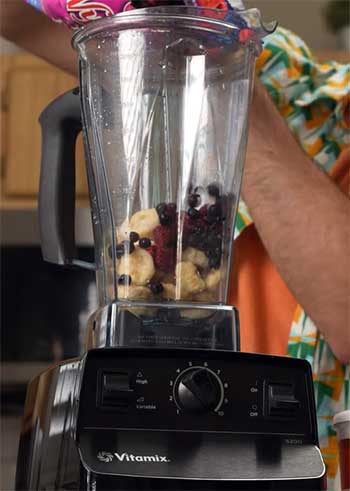
Let me tell you about how these blenders hold up in real scenarios.
Mornings often start with a green smoothie—kale, banana, almond milk.
With the 5200, the narrow jar pulls everything down quickly, resulting in a velvety drink in under a minute.
The 7500 takes a bit longer for the same small batch because of the wider base, but it shines when I double the recipe for my partner and me.
No chunks, just smooth perfection.
For soups, both heat ingredients through blade friction, but I’ve found the 7500’s pulse helps incorporate add-ins like croutons without over-blending.
Last winter, I made a butternut squash soup in the 5200 that came out piping hot and creamy.
The 7500 did the same, but quieter, which was nice during a family gathering.
Ice crushing? Both excel, turning cubes into snow for margaritas. The 5200 requires starting low and going high, while the 7500’s pulse makes it effortless. Nut butters are another test—almonds to creamy spread.
The 5200’s design handles this well with minimal oil, but the 7500’s power edges it out for speed.
One thing I noticed is cleanup. Both self-clean in 30 seconds, but the 7500’s wider mouth makes rinsing easier. If you’re blending sticky stuff like peanut butter, that matters.
- Build Quality and Longevity
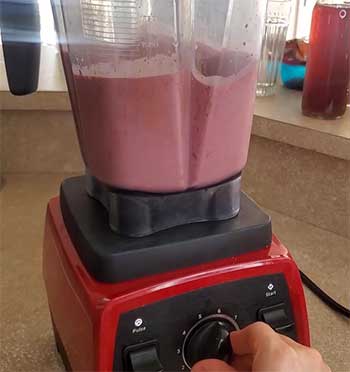
Durability is why I stick with Vitamix.
The 5200’s plastic jar is BPA-free and tough—mine’s dropped once without cracking.
The motor base is solid, with vents to prevent overheating during long blends.
I’ve run it for 10 minutes straight making hot chocolate without issues.
The 7500 builds on that with a more robust feel.
Its noise reduction comes from better insulation, and the longer warranty reflects confidence in its lifespan. Friends have told me their 7500s are going strong after five years of heavy use.
Both models avoid common pitfalls like blade dulling. Unlike cheaper blenders, these use hammermill-style blades that pulverize rather than slice, staying effective forever.
- Value For Money
Thinking about cost, the 5200 often wins for budget-conscious folks like me when I started. It’s frequently on sale, and its performance rivals pricier options. If you’re blending occasionally, it’s plenty.
The 7500 justifies its premium with quality-of-life features. The quiet operation alone sold me for daily use. Plus, the extended warranty means less worry about repairs.
Consider your frequency: Casual users might prefer the 5200; enthusiasts, the 7500.
Key Features of The Vitamix 5200
When I first unboxed my 5200, I was impressed by its straightforward setup. It’s all about simplicity with this model, and that’s part of its charm. Over the years, I’ve come to rely on these elements for consistent results, whether I’m prepping breakfast or experimenting with new dips.
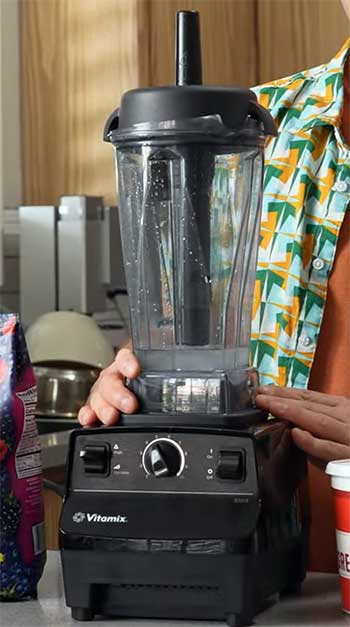
- Variable Speed Control: This dial lets me start slow to chop ingredients before ramping up to high for smooth blends. It’s great for controlling texture, like when I make chunky salsa versus creamy hummus. I’ve found that this flexibility allows for creative freedom, such as pulsing nuts for a coarse topping or fully emulsifying oils for homemade mayo, making it a versatile tool for both novice and experienced users.
- High/Low Switch: A basic toggle that gives me quick access to power levels. I use the low setting for gentle mixing, such as folding in herbs without over-processing. This switch is particularly useful when dealing with delicate ingredients like fresh berries, preventing them from turning into mush too quickly, and it’s simple enough that anyone in the household can operate it without confusion.
- Tall Container Design: The narrow jar creates a vortex that pulls food down to the blades efficiently. I’ve found it excels at small batches, like a single-serve green smoothie in the morning. Additionally, this design minimizes splashing during high-speed blending, which is a lifesaver when working with liquids, and it helps achieve that ultra-smooth consistency even with fibrous veggies like celery or kale stems.
- Durable Blades: Made from hardened stainless steel, they stay sharp and handle ice crushing without dulling over time. After years of use, mine still performs like new. These blades are engineered to create friction heat, allowing me to make hot soups directly in the blender, and their robustness means I can tackle hard items like coffee beans or spices without worrying about wear and tear.
- Self-Cleaning Function: Just add water and soap, blend on high, and rinse. It saves me so much scrubbing time after messy recipes. This feature is especially convenient after blending sticky substances like nut butters or thick batters, as it reaches every corner of the jar, ensuring hygiene without the need for disassembly or special tools.
These features make the 5200 feel reliable, like an old friend in the kitchen. I appreciate how it doesn’t overwhelm with bells and whistles—it’s focused on getting the job done, and in my daily routine, that reliability translates to less frustration and more enjoyment in cooking.
Pros of The Vitamix 5200
As a daily user, I’ve come to love several aspects of the 5200 that keep me coming back to it.
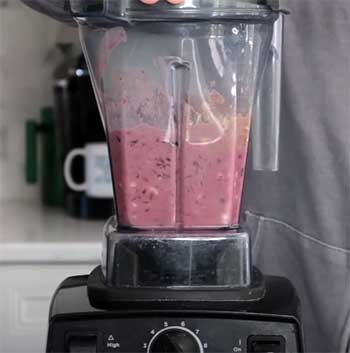
- Excellent for Small Batches: The tapered jar means even a cup of nuts or veggies blends smoothly without splashing or needing constant tamping. I often make personal protein shakes, and it handles them flawlessly.
- Affordable Entry Point: Compared to newer models, it’s often cheaper, making it accessible if you’re new to high-end blenders. I got mine on sale and felt like I scored a deal.
- Proven Durability: With a solid build, it withstands heavy use. Mine has survived daily grinding for nut milks without any issues.
- Versatile Performance: From hot soups to frozen desserts, it heats ingredients through friction alone. I once made a steaming tomato soup straight from raw veggies.
- Easy to Use Interface: No complicated buttons—just a dial and switch. It’s intuitive, especially if you’re not tech-savvy like some of my friends.
Overall, these strengths make the 5200 a go-to for anyone who values simplicity and consistent results.
Cons of The Vitamix 5200
That said, no blender is perfect, and I’ve run into a few drawbacks with the 5200 over the years.
- Louder Operation: It can get noisy, especially on high speed. I usually warn guests when I’m blending early in the morning.
- Taller Profile: At over 20 inches, it might not fit under low cabinets. I had to rearrange my kitchen storage because of this.
- No Pulse Feature: Without a dedicated pulse, chopping can be trickier. I sometimes have to manually turn it on and off for short bursts.
- Shorter Warranty: Only 7 years compared to some models. Though mine’s lasted longer, it’s something to consider for peace of mind.
- Less Efficient for Large Batches: The narrow jar requires more tamping when full. I’ve noticed this when prepping for parties.
These aren’t deal-breakers for me, but they might sway you toward the 7500 if noise or storage is a priority.
Key Features of The Vitamix 7500
Switching to the 7500 felt like an upgrade in some ways. It’s part of the next-generation series, with refinements that address common complaints about older models. I’ve integrated it into my routine for tasks where its enhancements really stand out.
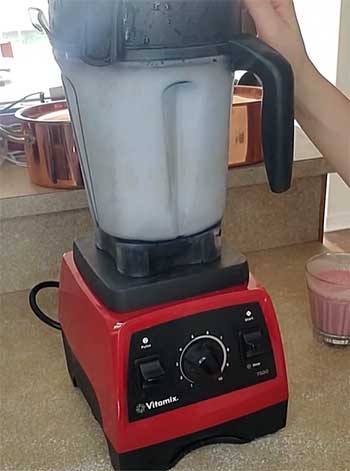
- Pulse Switch: This addition lets me chop ingredients in short bursts without committing to a full blend. It’s handy for making salsa with visible chunks. The pulse function provides better control over texture, ideal for recipes like guacamole or fruit compotes, where you want to preserve some bite rather than pureeing everything smooth.
- Noise Dampening: Built-in technology reduces sound by about 40%. I can have conversations while it’s running, unlike with the 5200. This makes it more family-friendly, especially in households with young children or during evening meal prep when quiet is appreciated.
- Low-Profile Container: Wider and shorter, it stores easily and handles large batches better. I love how it fits under my counters without issue. The design also promotes even blending for bulk items, reducing the need for intervention and making it suitable for entertaining or batch cooking.
- Slightly More Powerful Motor: The 2.2 HP gives a tiny edge on speed. I’ve timed it blending fibrous kale faster than the 5200. This extra power is noticeable with dense mixtures, like thick doughs or frozen treats, ensuring quicker results without straining the machine.
- Modern Design: Sleeker look with a more stable base. It feels premium on my countertop. The aesthetics blend well with contemporary kitchen decor, and the weighted base prevents tipping during vigorous blending, adding a layer of safety.
These updates make the 7500 feel more polished for modern kitchens. It’s like Vitamix listened to user feedback and refined the basics, resulting in a machine that’s both functional and user-centric.
Pros of The Vitamix 7500
After using the 7500 for months, I’ve pinpointed what sets it apart positively.
- Quieter Blending Experience: The reduced noise is a game-changer for shared living spaces. I blend smoothies without waking the house.
- Easier Storage: Its compact height means it tucks away neatly. Perfect if your kitchen is short on space like mine was initially.
- Pulse for Precision: Great for recipes needing controlled chopping, like pico de gallo. It adds versatility I missed on the 5200.
- Longer Warranty: 10 years of coverage gives extra confidence. I feel more secure investing in it.
- Better for Big Batches: The wide jar vortexes large amounts efficiently. Ideal for meal prepping soups for the week.
These benefits make it appealing if you want a refined blending routine.
Cons of The Vitamix 7500
Even with its improvements, the 7500 has some shortcomings I’ve encountered.
- Higher Price Tag: It costs more upfront. If budget is tight, the 5200 offers similar power for less.
- Less Effective for Small Batches: The wider jar can struggle with tiny amounts, sometimes requiring extra liquid or tamping. My single smoothies aren’t as seamless.
- Heavier Base: Slightly bulkier feel when moving it around. Not a huge issue, but noticeable compared to the 5200.
- No Timer or Presets: Still manual like the 5200, so if you want automation, look elsewhere in the Vitamix lineup.
- Potential Overkill for Basics: If you just need simple blending, the extras might not justify the cost. I sometimes default to my 5200 for quick tasks.
Weighing these helps decide if the upgrades align with your habits.
Who Should Choose the 5200?
If your kitchen routine involves quick, small blends, the 5200 is ideal. Solo cooks or those with limited space for tall appliances will appreciate it. It’s also great for beginners wanting reliability without extras.
Who Should Choose the 7500?
Go for the 7500 if noise bothers you or you blend for groups often. Its design suits modern kitchens, and the pulse adds control for recipes.
Also Read: Differences Between Brandless And Vitamix Blenders.
Frequently Asked Questions (FAQ)
It depends on needs—the 5200 excels in small batches and affordability, while the 7500 offers quieter operation and pulse for versatility.
Many consider the 5200 the top choice for its balance of power, simplicity, and value, though Ascent series models add smart features.
Its tapered jar creates superior vortex for smooth blends, durable build lasts years, and it’s versatile for soups to smoothies at a reasonable price.
The Vitamix 7500 was introduced in 2012.
Wrapping It Up
I’ve shared my experiences with the Vitamix 5200 and 7500, from their features to how they perform in my kitchen. You might find the 5200’s straightforward power suits your style if you’re after reliability on a budget.
Or perhaps the 7500’s quieter, more refined approach will make your blending sessions more enjoyable. Whichever you choose, I believe it’ll transform how you prepare meals. Think about what matters most to you—noise, batch size, or cost—and you’ll pick the right one.