
I’ve spent years keeping my dogs healthy and happy, and one topic that always comes up in conversations with fellow pet parents is heartworm prevention.
When my vet first mentioned options like Tri-Heart Plus and Heartgard Plus, I felt overwhelmed—both promise to shield my furry friend from a serious threat, but which one actually fits best?
In this article, I share my hands-on experience comparing these two popular monthly chewables. You’ll discover their similarities, real differences in cost and feel, detailed pros and cons, and practical insights to help you decide what works for your dog.
My goal is simple: give you clear, straightforward info so you can protect your pup with confidence without wasting money or worrying unnecessarily.
| Feature | Tri-Heart Plus | Heartgard Plus |
| Active Ingredients | Ivermectin + Pyrantel Pamoate | Ivermectin + Pyrantel Pamoate |
| Protects Against | Heartworms, roundworms, hookworms | Heartworms, roundworms, hookworms |
| Form | Beef-flavored chewable tablet | Real-beef flavored soft chew |
| Starting Age | 6 weeks, no minimum weight | 6 weeks, no minimum weight |
| Dosing | Once monthly, weight-based (blue/green/brown) | Once monthly, weight-based |
| Taste/Acceptance | Good, dogs often eat willingly | Often preferred as #1 dog-preferred chew |
| Price Point | Typically 20% less expensive | Premium pricing |
| Manufacturer | Merck (generic equivalent) | Boehringer Ingelheim (original brand) |
| Safety Profile | Same wide margin; rare side effects | Same wide margin; rare side effects |
Right after the intro, that table gives you the big picture at a glance. Now let’s break everything down so you can see how these products play out in real life with your dog.
Key Differences Between Tri-Heart Plus And Heartgard Plus
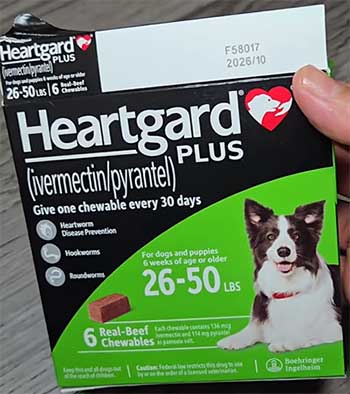
- Brand versus generic positioning: Heartgard Plus is the original innovator, while Tri-Heart Plus serves as a direct generic equivalent from a reputable manufacturer, delivering the same active molecules at the same strengths.
- Texture and palatability experience: Heartgard offers a softer, real-beef chew that many dogs prefer, whereas Tri-Heart provides a standard chewable tablet that still tastes beefy but may require more coaxing for picky eaters.
- Cost over time: Tri-Heart typically runs about 20% cheaper per dose, which can mean significant yearly savings—money I redirect toward toys or extra vet check-ups for my dogs.
- Packaging and availability: Both come in color-coded options by weight, but Heartgard emphasizes its premium branding and taste-test results, while Tri-Heart focuses on value and accessibility through vets.
- Manufacturer background: One comes from the company that developed the formula; the other from Merck, which maintains high standards for the generic version.
- Dog acceptance in practice: Some dogs show no preference, but others clearly favor the softer texture of Heartgard, potentially reducing missed doses in households with finicky pups.
- Perceived trust level: Heartgard benefits from decades of marketing and vet endorsements as the gold standard, even though clinical effectiveness remains identical.
In my experience, these differences boil down more to lifestyle fit than medical superiority. If your dog devours anything beef-flavored, either works great. But if budget stretches thin with multiple pets, the savings from Tri-Heart make a real difference without sacrificing protection.
- Efficacy against larvae: Both eliminate heartworm larvae within the monthly window, preventing development into dangerous adults.
- Intestinal parasite coverage: Identical control over roundworms and hookworms, helping prevent issues like vomiting or poor nutrient absorption.
- Administration ease: Monthly oral chew, but Heartgard’s softer form often wins for dogs that resist tablets.
- Long-term reliability: No meaningful difference in preventing infection when given consistently; both require yearly heartworm testing.
- Suitability for sensitive dogs: Same precautions apply—consult your vet for breeds prone to ivermectin sensitivity.
Key Features of Tri-Heart Plus

- Same proven formula as the brand leader: It uses identical amounts of ivermectin and pyrantel pamoate, so effectiveness matches what vets have trusted for years.
- Beef-flavored chewable tablets: Comes in three color-coded sizes (blue for up to 25 lbs, green for 26-50 lbs, brown for 51-100 lbs) making dosing straightforward based on your dog’s weight.
- Treats and controls roundworms and hookworms: Beyond heartworm prevention, it handles common intestinal parasites that can cause diarrhea or weight loss in your pup.
- Wide safety margin: Safe for pregnant or nursing dogs, breeding animals, and puppies from six weeks, with rare side effects when used at the recommended dose.
- Affordable protection: Often costs about 20% less, which adds up nicely over a full year of monthly doses without compromising core protection.
- Easy monthly routine: Give one chew on the same day each month; many dogs eat it like a treat, though you can hide it in food if needed.
- Prescription-only: Requires a vet visit and heartworm test first, ensuring your dog stays safe and the product fits their health profile.
When I first tried Tri-Heart Plus for my medium-sized dog, the green chew went down without fuss. The convenience of knowing it matches the established formula while saving money felt like a smart win for my budget-conscious household.
Pros And Cons of Tri-Heart Plus
Pros
- Delivers the exact same active ingredients and dosages as the leading brand, so you get equivalent protection against heartworms, roundworms, and hookworms.
- Costs noticeably less—often 20% savings—which helps when you’re managing expenses for food, grooming, and unexpected vet bills.
- Beef-flavored chewables that most dogs accept readily, fitting easily into a monthly routine without drama.
- Manufactured by a trusted company (Merck) with strict quality controls matching pharmaceutical standards.
- Safe for a wide range of dogs, including puppies from six weeks and pregnant females, giving flexibility as your family grows.
- Simplifies parasite management by handling both heart and intestinal threats in one convenient dose.
- Allows you to maintain year-round prevention without breaking the bank, which I appreciate during slower months.
- Backed by the same clinical data on efficacy since it mirrors the original formula precisely.
- Easy weight-based options (color-coded) reduce guessing and ensure accurate dosing every time.
- Many vets recommend it as the top generic choice, combining reliability with affordability.
Cons
- Chewable tablet texture may feel less appealing than softer options for very picky dogs, occasionally requiring hiding in food.
- Lacks the extensive brand marketing and “preferred by dogs” claims that the original enjoys, so some owners worry unnecessarily about quality.
- Still requires a prescription and heartworm test, adding a small upfront step before starting.
- Rare side effects like vomiting or lethargy can occur (same as any ivermectin product), though they happen in a tiny percentage of dogs.
- Not as widely advertised, so availability might depend more on your specific vet’s stock.
- In multi-dog homes, the savings help, but you still need consistent monthly compliance to avoid gaps in protection.
- Some pet parents perceive generics as “lesser” even when data shows otherwise, creating unnecessary hesitation.
I found the pros outweigh the cons heavily when my budget felt tight one year. The savings let me stock up responsibly while keeping my dog fully covered.
Key Features of Heartgard Plus
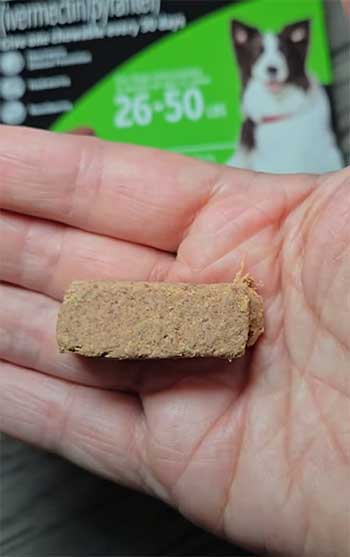
- Original brand with long track record: Over 30 years of use and billions of doses given, building strong trust among vets and pet owners like me.
- Real-beef soft chew: Often ranks as the #1 preferred by dogs in taste tests, which means fewer struggles at dosing time—my picky eater actually seems to look forward to it.
- Comprehensive parasite control: Prevents heartworm disease while treating and controlling roundworms (Toxocara canis, Toxascaris leonina) and hookworms (including Ancylostoma caninum and others).
- Consistent monthly dosing: Same schedule and weight-based options, starting safely from six weeks with no minimum weight.
- Proven palatability: The soft texture and genuine beef flavor help ensure your dog consumes the full dose, reducing the chance of missed protection.
- Broad safety for various dogs: Suitable for puppies, adults, pregnant bitches, and collie breeds when dosed correctly (though MDR1-sensitive dogs need vet guidance).
- Vet-favored reputation: Frequently appears on “recommended” lists because of reliability, quality control, and extensive field testing.
I remember switching briefly to Heartgard Plus during a period when my vet had samples available. The soft chew felt premium, and my dog gobbled it up like dessert, which made the routine enjoyable rather than a chore.
Pros And Cons of Heartgard Plus
Pros
- Long-established reputation with over 30 years and billions of doses, building confidence that you’re choosing a thoroughly tested option.
- Real-beef soft chew that frequently ranks as the most preferred by dogs, making dosing smoother and reducing the risk of spitting it out.
- Identical proven effectiveness against heartworm larvae plus treatment for roundworms and hookworms.
- Premium quality control and palatability focus mean higher acceptance rates in households with selective eaters.
- Trusted by many veterinarians as a go-to recommendation, often backed by their direct experience with patient outcomes.
- Safe profile for puppies six weeks and older, pregnant dogs, and various breeds when properly dosed.
- Soft texture feels more like a treat, turning prevention time into a positive moment rather than a battle.
- Comprehensive monthly protection supports year-round use, aligning with expert advice on consistent coverage.
- Strong emphasis on real-beef flavor without artificial additives that might turn dogs away.
- Peace of mind from choosing the original brand that set the standard for this class of preventives.
Cons
- Higher price point compared to the generic equivalent, which adds up over 12 months or for multiple dogs.
- Same rare potential for digestive upset or neurological signs if your dog has sensitivities, requiring vet monitoring.
- Requires prescription and negative heartworm test first, just like the alternative.
- For cost-sensitive owners, the premium may feel unnecessary when the generic offers matching active ingredients.
- Soft chews can occasionally be messy or sticky in warm weather during administration.
- Brand loyalty sometimes leads to overlooking equally effective, more affordable choices.
- Still demands strict monthly timing—missing doses leaves your dog vulnerable regardless of which product you pick.
When I used Heartgard Plus, the ease of acceptance made it worth the extra cost during a phase when my dog was extra picky. But I switched back when savings mattered more, and never noticed a difference in health.
Understanding Heartworm Prevention And Why It Matters?

Heartworm disease sounds scary because it is.
A single mosquito bite can transmit larvae that grow into worms living in your dog’s heart and lungs, potentially causing coughing, fatigue, and even fatal organ damage if left untreated.
I learned this the hard way when a friend’s dog skipped prevention one summer and faced expensive treatment later.
Both Tri-Heart Plus and Heartgard Plus work by killing those larvae before they mature, giving you peace of mind month after month.
I give these preventives year-round because mosquitoes don’t take vacations, and neither should protection.
Starting at six weeks old with no minimum weight requirement makes both suitable for puppies as well as adult dogs of all sizes.
The key active ingredients—ivermectin for heartworms and pyrantel pamoate for intestinal parasites—target the tissue stage of larvae effectively when given consistently on the same day each month.
Which One Should You Choose For Your Dog?
From my analytical view, both Tri-Heart Plus and Heartgard Plus deliver reliable protection because they share the same core formula. The decision often comes down to your dog’s taste preferences, your budget, and how important the softer chew texture feels in your daily routine.
I recommend discussing both with your vet—they know your dog’s history and can factor in any sensitivities. If cost is a big factor and your dog eats the chewable happily, Tri-Heart Plus offers excellent value.
If palatability is key and you’re willing to invest a bit more for the brand that dogs seem to love most, Heartgard Plus shines. Either way, consistency matters far more than the label. Test your dog’s response, monitor for any mild tummy issues in the first few doses, and stick with what keeps protection seamless.
Remember, no preventive is 100% foolproof if doses get missed, so pair your choice with annual testing and mosquito control where possible. I’ve seen both work beautifully in my own pack over the years, and the real winner is any option that you actually give every month.
Also Read: Is Carna4 Dog Food Worth It?
Frequently Asked Questions (FAQ)
Yes, they contain the same active ingredients (ivermectin and pyrantel pamoate) at the same strengths and provide equivalent protection.
Not necessarily—Heartgard often wins on taste and brand trust, but Tri-Heart matches it in effectiveness at a lower cost for many dogs.
Yes, it’s a reputable generic from Merck with the same formula as the original, making it a solid, vet-recommended choice.
Heartgard Plus frequently tops vet recommendations due to its long history and palatability, though many also endorse the equally effective Tri-Heart Plus as a cost-effective alternative.
Final Thoughts
Choosing the right heartworm prevention ultimately comes down to what fits your dog’s personality and your family’s needs. I’ve walked this path with my own pups, weighing cost against convenience and never regretting the time spent comparing options like Tri-Heart Plus versus Heartgard Plus.
You now have a clear picture of their features, differences, and real-world pros and cons. Talk to your vet, observe how your dog responds to each chew, and commit to that monthly routine—your loyal companion deserves the best shield against heartworms.
If you’re ready to protect your dog smarter and more affordably, consider starting with the one that balances effectiveness and budget for your unique situation. Your pup will thank you with wagging tails and healthy years ahead.