
When I compare Trane and Daikin, I’m really looking at one practical question: which brand gives you better comfort, reliability, efficiency, and value for the way you actually live?
Both are premium HVAC names, but they feel different in real homes. Trane leans hard into rugged durability and dealer-backed confidence, while Daikin often wins attention with inverter technology, compact designs, and strong global HVAC presence.
Daikin and Trane both offer ENERGY STAR-qualified heat pump options, and ENERGY STAR notes certified heat pumps can lower energy use compared with standard models.
| Category | Trane | Daikin |
| Best For | Homeowners who want tough, proven equipment and strong dealer support | Homeowners who want inverter-driven comfort, quiet operation, and flexible system options |
| Brand Personality | Rugged, premium, contractor-trusted | Innovative, efficient, globally scaled |
| Comfort Style | Strong temperature control, especially with variable-speed systems | Smooth, steady comfort through inverter technology |
| Efficiency Strength | High-end variable-speed heat pumps and air conditioners | Inverter heat pumps, Daikin Fit systems, ducted and ductless flexibility |
| Noise Level | Quiet on premium models, but some traditional units can be noticeable | Often very quiet, especially side-discharge and inverter models |
| Installation Fit | Great for traditional central HVAC replacements | Strong for tight spaces, retrofits, heat pumps, and ductless setups |
| Price Feel | Usually premium | Mid-to-premium, depending on model and installer |
| Repair Experience | Parts and service are usually familiar to many contractors | Excellent when supported by a strong local Daikin dealer |
| Main Weakness | Higher upfront cost | Dealer quality varies heavily by area |
| My Take | Best if you value long-term toughness | Best if you value efficiency, quiet comfort, and modern design |
Key Differences Between Trane and Daikin
- Durability And Build Quality
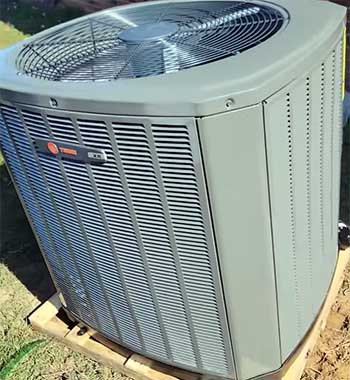
Trane’s biggest selling point is durability.
I usually think of Trane as the brand for homeowners who want a system that can take abuse: long run times, harsh summers, rough weather, and years of use.
Its premium equipment often includes variable-speed technology, strong cabinet construction, and brand-specific components designed for long service life.
Daikin is not weak by any means, but its strength is less about brute-force toughness and more about refined engineering.
Daikin’s inverter systems are designed to adjust output instead of simply turning fully on or fully off. That means less stress from constant cycling, steadier indoor temperatures, and often quieter operation.
- Comfort Control
Trane is excellent when paired with the right thermostat, air handler, and variable-speed outdoor unit. Its higher-end systems can maintain comfort more evenly than basic single-stage equipment. Trane’s XV18 variable-speed heat pump, for example, is positioned around efficient, cost-conscious operation and variable-speed comfort.
Daikin often shines in comfort consistency. Many Daikin systems use inverter-driven compressors that ramp up and down based on demand. I like this because your home does not feel like a freezer for ten minutes and then stuffy twenty minutes later. It is more of a steady glide.
- Efficiency Approach
Trane achieves efficiency through advanced compressors, matched systems, communicating controls, and premium engineering. Its best systems can be very efficient, but you usually pay for that jump.
Daikin’s efficiency story is tied strongly to inverter technology. The Daikin Fit line, for example, is known for compact side-discharge design and variable-speed operation, and some Daikin Fit heat pump specifications include inverter compressors, compatibility with Daikin One+ controls, diagnostic features, and intelligent defrost functions.
- Space And Installation Flexibility
If your home already has a traditional split system setup, Trane is an easy fit. Many contractors know the equipment well, and Trane systems are commonly installed in standard central HVAC layouts.
Daikin has an advantage when space gets tricky. Its compact side-discharge units can work well where a bulky cube-style outdoor unit feels awkward. If you have a narrow side yard, patio area, townhouse, or modern retrofit project, Daikin may be easier to place.
- Dealer And Installer Experience
This is where I get blunt: the installer matters as much as the brand. A great Daikin system installed poorly can disappoint you. A mid-range Trane system installed perfectly can run beautifully for years.
Trane often benefits from a deep dealer network in many markets. Daikin also has strong dealers, but the experience can vary depending on your location. Before choosing either one, I would judge the contractor’s load calculation, warranty process, service reputation, and willingness to explain model differences.
Key Features of Trane
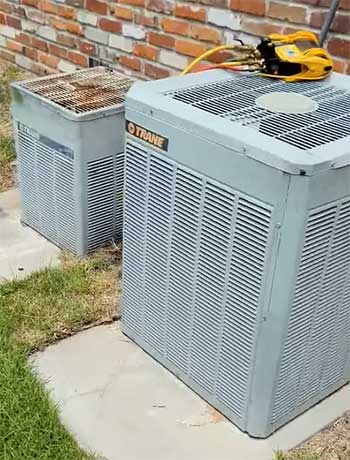
- Variable-speed systems: Trane’s premium variable-speed systems are built for homeowners who hate temperature swings. Instead of running at one loud, aggressive speed, these systems adjust output to match demand. That means better comfort, better humidity control, and potentially lower energy use when conditions are mild.
- TruComfort technology: Trane’s TruComfort systems are designed to make tiny adjustments in output. In real life, that can feel like a home that simply stays comfortable without calling attention to the HVAC system. I like this feature for people who are sensitive to hot and cold spots.
- Strong heat pump lineup: Trane offers high-end heat pumps for homeowners who want both heating and cooling from one system. Some premium Trane heat pump models are promoted with variable-speed performance and high efficiency ratings, while independent testing coverage has also highlighted Trane’s high-efficiency heat pump performance in cold-weather conditions.
- Smart thermostat compatibility: Trane’s connected controls can help you manage temperature, schedules, and system behavior. This is useful if you want more control without constantly walking to the thermostat.
- Contractor familiarity: A lot of HVAC technicians know Trane equipment well. That matters when you need maintenance, diagnostics, or repairs. A brand can have great engineering, but if nobody nearby services it confidently, you may regret the purchase.
Trane Pros
- Excellent Reputation For Reliability: Trane has built a strong identity around dependability. When I think about homeowners who want fewer surprises, Trane makes sense. It is not usually the cheapest quote, but it often feels like a safer long-term bet.
- Strong Performance In Demanding Climates: If your summers are brutal or your winters test your heat pump hard, Trane’s premium models are worth considering. The brand’s high-end systems are built for serious workloads.
- Good Dealer Support In Many Areas: Trane’s dealer network is a major advantage. If you have multiple reputable Trane dealers near you, getting quotes, maintenance, and warranty service may be easier.
- Premium Comfort Options: Trane’s variable-speed and communicating systems can deliver excellent comfort when properly installed. If you are replacing an old single-stage system, the difference can feel dramatic.
- Strong Resale Confidence: A well-installed Trane system can look good to future buyers. People recognize the brand, and that familiarity can help when selling a home.
Trane Cons
- Higher Upfront Cost: Trane can be expensive. If your budget is tight, you may find that a Daikin quote gives you more technology for the money, especially with inverter-based systems.
- Premium Repairs Can Cost More: High-end equipment often means more specialized parts. If a major component fails outside warranty, the bill may sting.
- Not Every Model Is Equally Special: Do not assume every Trane unit is top-tier. Entry-level Trane systems may still be solid, but the real magic usually appears in the higher-end variable-speed models.
- Installation Still Decides The Outcome: A bad installation can ruin Trane’s strengths. Poor duct design, wrong sizing, weak airflow, or lazy commissioning can make a premium system feel average.
Key Features of Daikin
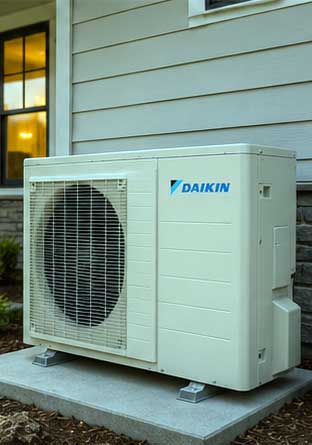
- Inverter-driven comfort: Daikin is one of the strongest names when it comes to inverter HVAC. Instead of short, hard cycles, inverter systems can run longer at lower speeds. I prefer this style of comfort because it feels calmer, quieter, and more controlled.
- Daikin Fit systems: Daikin Fit is one of Daikin’s standout residential product families. It is compact, side-discharge, and designed for efficient whole-home comfort. If your outdoor space is limited, this can be a major advantage over a large traditional condenser.
- Ducted and ductless options: Daikin gives you more flexibility if your home does not have ideal ductwork. You can look at ducted central systems, ductless mini-splits, multi-zone systems, and heat pumps. That makes Daikin especially attractive for additions, bonus rooms, older homes, garages, and spaces that never seem comfortable.
- Quiet operation: Daikin systems often focus on low sound levels, especially inverter and side-discharge models. If your outdoor unit sits near a bedroom, deck, neighbor’s window, or narrow walkway, quiet operation is not a luxury. It is sanity.
- Global HVAC strength: Daikin is one of the major global HVAC manufacturers, and several current market summaries place Daikin among the largest HVAC companies worldwide by revenue and market presence. That scale matters because it shows the brand is not a small niche player trying to prove itself.
Also Read: Complaints Against ClimateMaster Tranquility 27 Heat Pump.
Daikin Pros
- Excellent Inverter Technology: Daikin’s inverter systems are a major reason I would consider the brand. They are smooth, efficient, and comfortable when matched correctly to the home.
- Compact Outdoor Designs: Daikin Fit can be a great solution if your outdoor space is limited. I like this for modern homes, narrow lots, and homeowners who do not want a giant metal box dominating the side yard.
- Strong Comfort Consistency: Daikin systems can be very good at maintaining steady temperatures. If you care about comfort more than brand bragging rights, Daikin has real appeal.
- Flexible Product Range: Daikin has central systems, ductless systems, multi-zone systems, and heat pumps. That range gives you more ways to solve awkward comfort problems.
- Often Strong Value At The Premium Level: Daikin is not always cheap, but it can deliver impressive features for the price. In many quotes I would expect Daikin to compete well against premium Trane options.
Daikin Cons
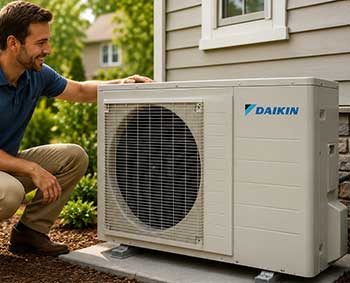
- Dealer Quality Can Vary: Daikin is only as good as the person designing and installing the system. In some areas, Trane may have a stronger contractor base.
- Brand Recognition May Be Lower In Some Markets: Even though Daikin is huge globally, some homeowners in North America recognize Trane more quickly. That does not make Daikin worse, but perception matters.
- Advanced Systems Need Proper Setup: Inverter systems are not “plug it in and hope.” They need correct sizing, controls, refrigerant charge, airflow, and commissioning.
- Parts Access Depends On Location: In some regions, Daikin parts are easy to get. In others, Trane may be more convenient. I would ask the contractor how quickly common replacement parts are available.
Which One Would I Choose?
If I wanted the toughest traditional premium HVAC system and had a great Trane dealer nearby, I would lean Trane. It is the brand I would choose if reliability reputation, contractor familiarity, and long-term confidence mattered most.
If I wanted quiet, modern, efficient comfort with flexible installation options, I would lean Daikin. It is the brand I would choose for inverter performance, compact outdoor placement, and whole-home comfort that feels less aggressive.
For you, the better pick depends on the quote in front of you. I would compare model numbers, efficiency ratings, warranty terms, labor warranty, installer reviews, ductwork recommendations, and whether the contractor performed a real load calculation.
Also Read: Differences Between Carrier Greenspeed And Infinity Heat Pumps.
Frequently Asked Questions (FAQ)
Trane is better for rugged reliability and dealer familiarity. Daikin is better for inverter comfort, quiet operation, and flexible system design.
Daikin ranks among the biggest global HVAC manufacturers and is widely considered a top-tier brand, especially for heat pumps and inverter technology.
Multiply the system’s age by the repair cost. If the number is over $5,000, replacement often makes more sense than repair.
There is no single winner for every home. Premium variable-speed systems from brands like Trane, Daikin, Carrier, Lennox, and Mitsubishi are often considered high quality.
Final Verdict
Trane and Daikin are both strong HVAC brands, but they win in different ways. Trane feels like the rugged, premium choice for homeowners who want proven strength and broad service confidence.
Daikin feels like the smarter modern comfort choice for homeowners who want inverter technology, quiet operation, and flexible installation.
If you want my practical answer, I would choose Trane for maximum durability confidence and Daikin for comfort technology and efficiency-minded value. Either way, you should not buy the brand alone. Buy the right system, from the right installer, sized correctly for your home.