
I have spent countless weekends pushing a lawn mower across my yard, dealing with uneven grass, hills, and that never-ending battle against thick patches.
After years of trying different models, I decided to compare Toro and Troy-Bilt head-to-head because both brands sit in the popular mid-range for homeowners like me.
My main intent here is to share my real-user experience so you can decide which one fits your lawn and budget without wasting money on the wrong choice. Whether you have a small flat yard or a larger property with slopes, this comparison breaks down performance, features, and everyday usability in plain terms.
| Feature | Toro | Troy-Bilt |
| Build Quality | Premium aluminum decks, durable construction | Solid steel decks, reliable for basic use |
| Cutting Performance | Excellent mulching, even cut, clean finish | Good mulching, consistent on flat areas |
| Self-Propelled Systems | Personal Pace Auto-Drive (adapts to your speed) | Variable speed or basic self-propel |
| Engine Options | Briggs & Stratton, powerful torque | Briggs & Stratton or similar, adequate power |
| Storage & Maintenance | SmartStow vertical storage, easy oil-free options | Foldable handles, straightforward upkeep |
| Price Range (walk-behind) | Higher, often $500–$900+ | More affordable, often $300–$600 |
| Best For | Medium to large yards, hills, frequent use | Small to medium yards, budget-conscious users |
| Overall Durability | Strong long-term reliability | Good for occasional mowing |
Key Differences Between Toro And Troy-Bilt Lawn Mowers

- Power and Engine Performance: I noticed Toro models often deliver smoother, more consistent power, especially when tackling thicker grass or wet conditions. Their engines pair well with advanced systems that prevent bogging down. Troy-Bilt engines handle everyday mowing fine, but I found they sometimes strain more on challenging terrain compared to Toro.
- Deck Construction and Cutting Quality: Toro frequently uses cast-aluminum decks that resist rust and improve airflow for better lifting and cutting. This results in a cleaner, more professional-looking lawn. Troy-Bilt relies on steel decks that hold up well initially but can show wear faster in humid areas. The cut feels even on both, yet Toro edges ahead in mulching efficiency.
- Self-Propelled Technology: Toro’s Personal Pace system stands out because it matches your walking speed automatically—no fiddling with levers constantly. I loved how it made mowing feel effortless on slopes. Troy-Bilt offers self-propel too, but the controls feel less intuitive and sometimes require more manual adjustment.
- Ease of Storage and Portability: Toro includes SmartStow features that let you store the mower upright, saving garage space. Troy-Bilt models have folding handles that help, but they don’t always collapse as neatly or feel as sturdy during transport.
- Maintenance Requirements: Both brands use reliable Briggs & Stratton engines, but Toro often includes no-oil-change designs or simpler access points. Troy-Bilt keeps things basic, which works if you enjoy routine tune-ups, but it can mean more frequent checks over time.
- Warranty and Longevity: Toro generally provides stronger confidence for extended use, with users reporting years of heavy service. Troy-Bilt warranties cover everyday homeowner needs, yet some owners mention earlier part replacements on budget models.
- Price Versus Value: Troy-Bilt wins on upfront cost, making it accessible for first-time buyers. Toro costs more but often delivers better value through durability and features that reduce frustration during mowing season.
- Terrain Handling: On hills and uneven ground, Toro’s all-wheel or rear-wheel drive options give better traction. Troy-Bilt performs adequately on flat lawns but can feel heavier or less stable when the ground gets tricky.
- Noise and Vibration Levels: Toro tends to run quieter and with less shake, thanks to better engineering. Troy-Bilt models are acceptable but transmit more vibration through the handle on longer sessions.
- Versatility in Cutting Modes: Both handle mulch, bag, and side discharge, but Toro’s Recycler system excels at fine mulching that returns nutrients without clumping. Troy-Bilt’s TriAction or similar setups work well yet sometimes leave more visible clippings.
Key Features of Toro Lawn Mowers
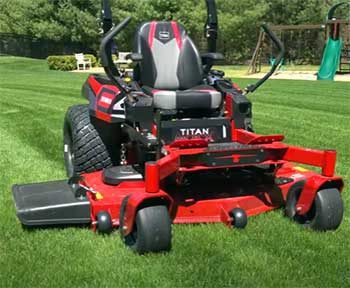
- Personal Pace self-propel that automatically senses your pace and adjusts speed smoothly, so you never fight the machine.
- SmartStow vertical storage that folds the mower upright for compact garage organization without oil leaks.
- Cast-aluminum decks that promote superior airflow, resulting in cleaner cuts and reduced rust over seasons.
- High-torque Briggs & Stratton engines paired with brushless motors in battery models for consistent power without bogging.
- Recycler cutting system that finely chops clippings and redistributes them evenly for healthier grass.
- All-wheel drive options on select models that tackle slopes and rough terrain with excellent traction.
- Easy height adjustments with single-lever controls that let you change settings quickly between passes.
- Battery-powered variants with long runtime, like 60V systems offering up to 50 minutes or more on a charge.
- Deck wash ports that make cleanup simple with a garden hose, preventing buildup of grass residue.
- Comfortable handles with vibration reduction that reduce fatigue during extended mowing sessions.
I remember the first time I used a Toro with Personal Pace—it felt like the mower was reading my mind, speeding up on straightaways and slowing for turns. That alone saved my back on a hot afternoon.
Also Read: Is Troy-Bilt Bronco Worth It?
Pros of Toro Lawn Mowers
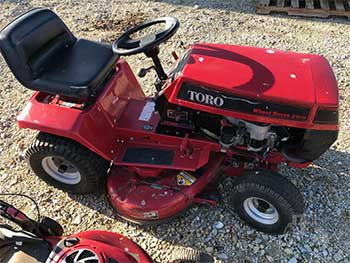
- Superior cutting and mulching performance that leaves a striped, professional finish even on thicker grass thanks to better airflow and blade design.
- Innovative features like auto-adapting self-propel make mowing feel less like work and more enjoyable on any terrain.
- Excellent build quality with rust-resistant aluminum materials that hold up through multiple seasons of heavy use without showing quick wear.
- Strong torque and power delivery that handles hills, wet grass, and overgrown areas without stalling or losing speed.
- Convenient storage solutions like vertical folding that free up space in small garages or sheds and prevent messy oil drips.
- Lower long-term maintenance in many models, with options that eliminate annual oil changes and simplify blade sharpening.
- Quiet operation compared to many competitors, reducing noise complaints from neighbors during weekend mowing.
- Versatile battery and gas options that suit different user preferences for power, convenience, and eco-friendliness.
- Reliable starting systems, including ReadyStart technology that eliminates priming and choking for quick starts every time.
- Better resale value due to brand reputation for durability and performance, helping you recover some cost if you upgrade later.
Cons of Toro Lawn Mowers
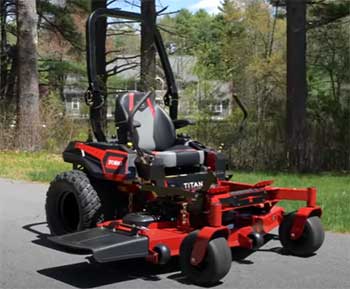
- Higher purchase price that can feel steep if you only mow a small yard a few times a month or have very basic needs.
- Some models feel heavier when fully assembled, making initial transport from the store or moving around the yard a bit more effort.
- Battery variants require charging time between uses, which can interrupt work if you forget to plug them in ahead of time.
- Premium features sometimes mean more complex controls that take a short learning curve for absolute beginners.
- Replacement parts can cost more than generic options, though they tend to last longer overall and reduce frequent repairs.
- Self-propelled systems add noticeable weight, which might tire out users who prefer the lightest possible push mower.
- Occasional reports of handle vibration on the highest power settings during very long sessions in tough conditions.
- Limited color options compared to some brands that offer more variety in aesthetics to match your style.
- Higher-end models push the budget for casual weekend warriors who don’t need all the advanced technology.
- Availability of certain specialized parts may require ordering rather than grabbing off the shelf at every local store.
Key Features of Troy-Bilt Lawn Mowers
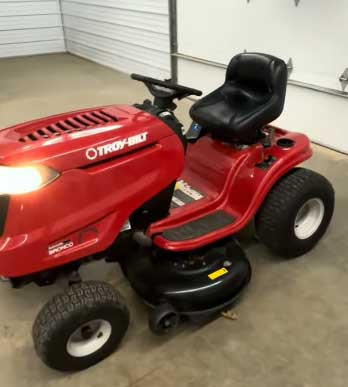
- TriAction or similar cutting systems that provide decent mulching, bagging, and discharge versatility for different lawn conditions.
- Affordable self-propelled options with variable speed controls that give basic power assistance without complicated setup.
- Steel deck construction that offers solid protection against impacts from rocks or roots during regular use.
- Easy-fold handles that collapse for storage without needing tools in most models, helping with tight spaces.
- Reliable Briggs & Stratton engines with ReadyStart or similar no-prime starting mechanisms for hassle-free operation.
- 3-in-1 cutting capabilities that adapt easily to different lawn conditions and disposal preferences.
- Comfortable mid-back seats on riding models with good leg room for longer mowing times on bigger properties.
- Hydrostatic or CVT transmissions on tractors that deliver smooth speed changes during operation.
- Deck sizes ranging from compact 21-inch to larger 42-inch+ for varied yard coverage needs.
- Accessible engine components that make oil checks and spark plug changes straightforward for DIY maintenance.
When I tested a Troy-Bilt push model, the simple controls felt refreshing—no overcomplicated gadgets, just reliable mowing that got the job done.
Also Read: Is Cub Cadet XT2 Mower Worth It?
Pros of Troy-Bilt Lawn Mowers
- Budget-friendly pricing that makes quality mowing accessible without stretching your finances too far.
- Solid everyday performance that delivers even cuts on standard suburban lawns with minimal effort.
- Wide availability at major retailers, so you can easily find replacement parts or quick service when needed.
- User-friendly designs with intuitive levers and handles that beginners master quickly without frustration.
- Good power for the price, especially on flat or lightly sloped properties where most homeowners mow.
- Variety of models including push, self-propelled, and riding options to match different yard sizes and needs.
- Decent mulching capability that returns nutrients and reduces bagging frequency on normal grass.
- Comfort features like padded seats on riders that reduce fatigue during bigger mowing jobs.
- Straightforward maintenance routines that most homeowners can handle themselves with basic tools.
- Reliable starting and operation that minimizes frustrating downtime on busy mowing days.
Cons of Troy-Bilt Lawn Mowers
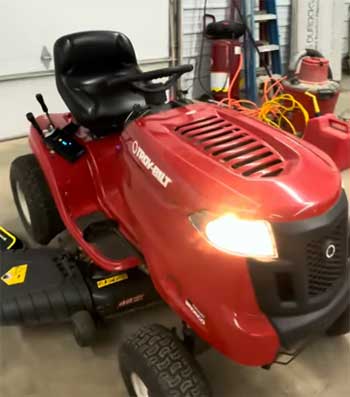
- Durability that may not match premium brands over many years of intense or frequent use on larger properties.
- Steel decks prone to rust in wet climates if not properly maintained after each season or washed regularly.
- Self-propel systems that feel less refined, sometimes requiring constant manual tweaks to maintain speed.
- Heavier push feel on non-powered models compared to lighter competitors, increasing physical effort.
- Vibration and noise levels that become noticeable during extended mowing sessions on rough ground.
- Limited advanced features like automatic speed adaptation or convenient vertical storage options.
- Potential for earlier part wear, such as belts or spindles, on high-use properties or hilly terrain.
- Cut quality that can leave slightly more visible clippings in thick or damp grass after mowing.
- Warranty coverage that feels adequate but often shorter than some higher-end options in the market.
- Less traction on steep hills, where the mower can slip or require extra physical effort from you.
My Personal Take on Choosing Between Them
After spending seasons with both, I lean toward Toro when my budget allows because the features genuinely make mowing faster and less tiring.
The Personal Pace system alone changed how I approach yard work—I finish quicker and with less sweat. Yet I understand why many choose Troy-Bilt: it delivers reliable results at a friendlier price point, especially if your lawn stays simple and you mow infrequently.
I recommend measuring your yard size, noting any slopes, and thinking about how often you want to maintain the machine. For small, flat lots, Troy-Bilt saves money without major sacrifices. For anything larger or more demanding, Toro’s extra investment pays off through comfort and longevity.
Test drive both at a local store if possible—push them around the display floor to feel the difference in handling.
In the end, you know your routine best. If you value innovation and a premium experience that reduces hassle over time, you will appreciate Toro more. If you want solid performance that respects your wallet without fancy extras, Troy-Bilt serves you well.
Either way, regular basic care like cleaning the deck and checking blades keeps both running strong for years.
Also Read: Is Ariens Edge 52 Zero-Turn Mower Worth It?
Frequently Asked Questions (FAQ)
Toro generally performs better in cutting quality, durability, and features for most users, while Troy-Bilt offers strong value for simpler needs and tighter budgets.
Popular choices include the Toro Super Recycler, Toro 60V Max models, Ego Power+ cordless options, Honda HRX series, and select John Deere or Cub Cadet riding mowers, depending on your yard size and power preference.
Yes, Troy-Bilt provides reliable, affordable mowers that handle everyday homeowner tasks well, making it a solid choice for budget-conscious users.
Yes, Toro consistently ranks among top performers thanks to innovative features, strong engines, and excellent long-term reliability.
Wrapping Up
After putting both Toro and Troy-Bilt through real yard tests over multiple seasons, I can tell you that your final pick comes down to what matters most in your daily life. Toro gives you smoother operation, smarter features, and longer-lasting performance that feels worth the extra cost when you have a bigger or tougher lawn.
Troy-Bilt, on the other hand, brings dependable results at a price that leaves room in your budget for other projects. You should consider your yard size, how much time you want to spend mowing, and how important comfort and convenience are to you.
Whichever one you choose, taking good care of it will make sure you enjoy a great-looking lawn for years to come. I hope this helps you feel confident about your decision—happy mowing!