
I have spent countless weekends pushing a lawn mower across my yard, dealing with uneven cuts, clogs, and that endless debate over which brand truly delivers.
After years of trial and error with different models, I decided to put Toro and Honda head to head based on my own experiences and what I have learned from real-world use.
My main intent here is to share an honest, side-by-side look at these two popular options so you can decide which one fits your lawn, your budget, and your mowing style without wasting time or money on the wrong choice.
Here is a quick comparison table to give you an at-a-glance view:
| Feature | Toro Lawn Mowers | Honda Lawn Mowers |
| Engine Options | Own engines, Briggs & Stratton, occasional Honda | Premium Honda engines (on older models) |
| Deck Material | Often cast aluminum or steel | NeXite plastic (durable, rust-proof) |
| Self-Propel System | Personal Pace (adapts to your walking speed) | Variable speed or hydrostatic |
| Cutting Technology | Recycler mulching system | Excellent mulching and bagging |
| Storage | SmartStow vertical folding | Foldable handles |
| Typical Price Range | More affordable, wider options | Often higher, especially premium models |
| Runtime/Maintenance | Gas models need fuel/oil; battery options available | Very fuel efficient; low emissions |
| Best For | Versatility, innovation, medium yards | Clean cuts, reliability on tough grass |
| Warranty | Usually 2-5 years depending on model | Often 3 years or more on engines |
Key Differences Between Toro And Honda Lawn Mowers
I have owned both types over the years, and the differences show up the moment you start the engine and take that first pass.
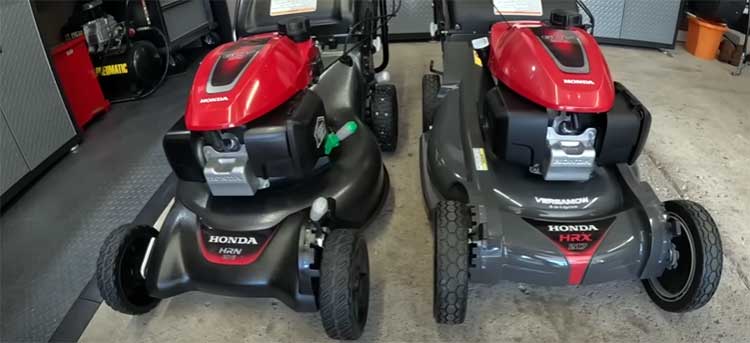
- Build and Durability: Toro models frequently feature cast-aluminum decks that resist rust and handle bumps well. I appreciate how solid they feel under my hands during longer mowing sessions. Honda, on the other hand, uses its signature NeXite deck material in many models. This composite plastic is surprisingly tough, lightweight, and comes with lifetime warranties against cracking in some cases. After hitting rocks or roots, I found Honda decks held up without dents, while Toro aluminum sometimes showed minor wear but never failed.
- Power Delivery and Engines: Toro offers a mix of its own reliable engines, Briggs & Stratton, and sometimes Honda-powered variants in select recyclers. The power feels consistent for everyday yards. Honda mowers, especially the HRX series I used, deliver incredibly smooth, fuel-efficient performance with their GCV or GXV engines. They rarely bog down in thick or wet grass, which saved me frustration on humid summer days. However, since Honda stopped producing new gas-powered lawn mowers, finding fresh stock has become trickier, pushing many toward Toro or battery alternatives.
- Self-Propel and Ease of Use: This is where Toro shines for me personally. The Personal Pace system senses how fast I walk and matches the mower speed automatically—no fiddling with levers constantly. It makes mowing slopes or uneven terrain feel effortless. Honda uses variable speed controls or thumb levers that work well, but they require more manual adjustment. I remember my arms feeling less tired after a Toro session compared to wrestling with older Honda drive systems on hilly spots.
- Mulching and Cut Quality: Both brands excel here, but in slightly different ways. Toro’s Recycler technology chops clippings into fine particles and redistributes them evenly, which helped my lawn look greener without extra fertilizer. Honda models often provide a slightly cleaner, more precise stripe and superior bagging when I needed to collect clippings for composting. In thick, overgrown areas, Honda edges out with less clumping, while Toro handles varied conditions with strong suction.
- Storage and Portability: Toro’s SmartStow feature lets me fold the mower upright and store it vertically, saving garage space on my crowded shelves. Honda handles fold down neatly too, but they do not offer quite the same space-saving vertical option. When loading into a truck or moving around tight sheds, Toro feels more maneuverable overall.
- Maintenance and Longevity: Toro mowers generally require standard gas engine care, with easy-access washout ports for cleaning under the deck. Many users report 8-10 years of solid service. Honda engines have a reputation for running forever with minimal issues, often lasting 15-20 years or more if maintained. The shift away from gas production means parts support continues, but new purchases lean toward remaining inventory or other brands.
- Noise and Environmental Impact: Toro battery models run much quieter and produce zero emissions during use, which I love for early morning cuts without disturbing neighbors. Gas versions from both are comparable in noise, but Honda historically emphasized lower emissions and better fuel efficiency.
- Innovation and Features: Toro pushes boundaries with battery-powered Super Recycler lines offering up to 50 minutes of runtime, brushless motors that adjust power automatically, and even all-wheel drive options. Honda focused on refined gas engineering but has begun exploring autonomous and battery concepts in limited ways.
Also Read: Comparison of Honda HRN And HRX Lawn Mowers.
Key Features of Toro Lawn Mowers
When I first switched to a Toro, several features immediately stood out and made my weekend routine smoother.
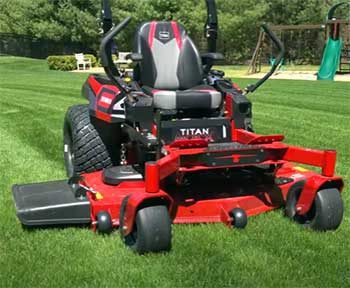
- Personal Pace self-propel system that automatically adjusts to my walking speed, reducing strain on hills or when I speed up to beat the rain.
- Recycler mulching deck that finely chops grass and returns nutrients to the soil, cutting down on bagging time and improving lawn health naturally.
- SmartStow vertical storage capability, which lets me tuck the mower away in a corner without taking up half the garage floor.
- Cast-aluminum decks on many models for rust resistance and better airflow, leading to cleaner cuts even in damp conditions.
- Quick Wash port for hosing out debris under the deck after each use, preventing buildup and extending blade life.
- Wide range of deck sizes from 21 to 30 inches, including high-wheel models for better maneuverability over uneven ground.
- Battery options in the 60V line with intelligent power management that ramps up only when needed, conserving energy on lighter passes.
- All-wheel drive variants that provide excellent traction on slopes without slipping or digging in.
- Electric start on select gas models, eliminating frustrating pull cords on chilly mornings.
- Variable speed controls combined with ergonomic handles that reduce vibration and fatigue during longer sessions.
These elements combine to create a user-friendly experience that feels modern and thoughtful, especially if you mow frequently or have a medium-sized yard.
Pros And Cons of Toro Lawn Mowers
I have logged hundreds of hours on Toro models, and here is my honest breakdown.
Pros:
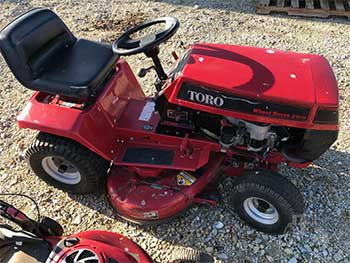
- Excellent value for the money with a broad selection that fits different budgets and yard sizes without sacrificing core performance.
- Innovative features like Personal Pace and SmartStow make daily use more convenient and storage simpler than many competitors.
- Strong mulching capability that leaves my lawn looking neat and healthy with minimal extra work.
- Reliable across varied conditions—thick grass, wet patches, or slopes—thanks to good suction and adaptable drive systems.
- Battery-powered options eliminate gas hassles, offering quiet operation and lower long-term maintenance.
- Durable construction that holds up season after season, with easy parts availability through widespread dealers.
- Comfortable ergonomics, including padded handles on higher models, which help during extended mowing times.
- Versatile lineup including commercial-grade heavy-duty versions for those who need extra toughness.
- Quick cleaning features and foldable designs that save time and space.
- Generally positive owner feedback on cut quality and ease of starting, even after years of use.
Cons:
- Some gas models can feel slightly louder than premium alternatives during heavy loads.
- Hopper or bagging capacity sometimes lags behind in very large yards, requiring more frequent empties.
- Warranty periods vary but often start at two years for consumer models, which is shorter than some premium brands.
- Occasional reports of needing blade sharpening more frequently in sandy or rocky soils.
- Entry-level models may use lighter components that wear faster under commercial-level abuse.
- Self-propel systems, while smart, can take a short learning curve if you are used to manual levers.
- Higher-end battery kits add upfront cost if you want extended runtime.
- Aluminum decks, though tough, can dent if you frequently run over hidden obstacles.
- Limited color or aesthetic options compared to some brands that emphasize style.
- Parts for older models might require shopping around, though Toro support is generally solid.
Overall, the pros far outweigh the cons for most homeowners I know, including myself, especially when convenience and innovation matter.
Also Read: Common Problems of Milwaukee Lawn Mower.
Key Features of Honda Lawn Mowers
Honda mowers left a strong impression on me with their refined engineering.
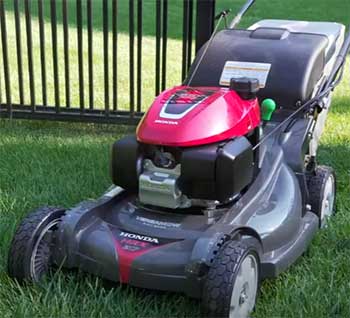
- Powerful yet efficient Honda engines that start easily and deliver consistent torque without bogging down easily.
- NeXite deck material that is lightweight, rust-proof, and backed by strong durability claims.
- Superior mulching and bagging performance that produces fine clippings or clean collection every time.
- Variable speed self-propel with intuitive controls that give precise command over pace.
- Excellent cut quality with even stripes and minimal scalping on uneven terrain.
- Low emission and fuel-efficient design that saves money at the pump over time.
- Ergonomic handles with good vibration dampening for comfortable operation.
- Twin-blade systems in some models for finer cuts and better airflow.
- Robust build that feels premium and lasts through many seasons with basic care.
- Electric start and blade brake options that enhance safety and convenience.
These features made Honda feel like a precision tool rather than just a mower.
Pros And Cons of Honda Lawn Mowers
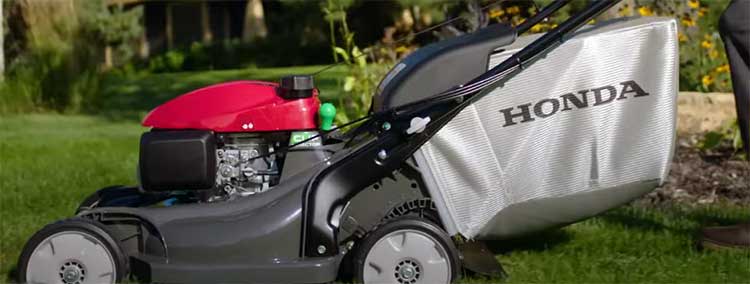
From my time using them, here is what stands out.
Pros:
- Outstanding reliability and engine longevity that often exceeds a decade with proper maintenance.
- Exceptional cut and mulching quality that leaves lawns looking professionally finished.
- Fuel efficiency and low emissions that align with environmentally conscious users.
- Smooth, powerful performance in tough conditions like tall or wet grass.
- Lightweight yet durable decks that are easy to maneuver without sacrificing strength.
- Strong resale value and widespread recognition for quality among long-time owners.
- Comfortable operation with thoughtful details like padded grips and easy adjustments.
- Proven track record in both residential and light commercial settings.
- Continued parts and service support even after production changes.
- Quiet and refined operation compared to many gas competitors.
Cons:
- Higher purchase price for comparable models, which can stretch budgets.
- Limited new gas model availability since production of gas-powered units stopped, making choices scarcer.
- Self-propel systems require more manual input than fully adaptive alternatives.
- Heavier focus on gas means fewer ready-to-go battery options in the traditional lineup.
- Bagging performance is great but can still clog in extremely thick conditions without careful speed management.
- Fewer innovative storage solutions like vertical folding on every model.
- Potential for higher repair costs if specialized Honda parts are needed later.
- Less emphasis on all-terrain traction features compared to some modern competitors.
- Transition to battery or autonomous designs is still evolving rather than fully mature for all users.
- Availability issues in certain regions due to the shift away from gas production.
Honda delivers premium performance where it counts, but market changes have shifted the landscape.
Which One Should You Choose?
After comparing them through real use on my own lawn, I lean toward Toro for most people today because of its innovation, affordability, and ongoing development in both gas and battery lines.
You might prefer Honda if you can still find a remaining gas model and value that classic reliability and cut quality above all else.
Consider your yard size, terrain, and whether you want to avoid gas maintenance entirely. Test drive both if possible at a local dealer—your hands and ears will tell you a lot in just a few minutes.
Also Read: My Experience With WORX Battery Lawn Mower.
Frequently Asked Questions (FAQ)
Many users and testers point to Toro or Honda as top contenders, with Toro often leading in current overall recommendations due to its balance of features and availability.
Yes, some Toro models, especially certain Super Recycler and commercial versions, come equipped with Honda engines for added reliability.
Honda ceased production of gas-powered lawn mowers due to stricter environmental regulations, shifting customer demand toward battery options, and a focus on more profitable product lines.
Absolutely—Toro consistently ranks among the best thanks to its durable builds, smart features, and strong performance across different yard conditions.
Final Thoughts
In the end, I hope sharing my experiences helps you avoid the mistakes I made early on and pick a mower that makes lawn care less of a chore and more of a satisfying routine.
You deserve equipment that matches how you actually use your yard, whether that means quick weekend touch-ups or full-season battles with thick growth. Take your time, measure your space, and choose what feels right for you.
Your lawn—and your weekends—will thank you.