
I decided to put both the Thuma Classic and the main Nectar platform options through real-world use because I needed a frame that would last, stay quiet, and look clean without turning assembly into a weekend project.
This article walks you through exactly how the two stack up on materials, build, daily feel, and long-term value so you can pick the one that matches your space, budget, and sleep style.
| Feature | Thuma | Nectar Bamboo Platform / Claremont-style |
| Material | Upcycled solid rubberwood | Solid bamboo or steel + wood/polyester |
| Assembly | Tool-free Japanese joinery (minutes) | Tool-free or minimal tools (15-30 min) |
| Weight Capacity | 1,500 lbs | 700-800 lbs |
| Under-bed Clearance | About 9 inches | 8-12 inches depending on model |
| Warranty | Lifetime | 2-3 years |
| Trial Period | 100 nights | 50-60 nights |
| Price Range (Queen) | $1,100–$2,000+ | $400–$800 |
| Noise Level | Near silent after settle-in | Quiet to moderately quiet |
| Headboard Options | Wood, PillowBoard, cushioned | Wood, upholstered, or none |
| Certifications | GREENGUARD Gold | Limited or none listed |
Key Differences Between Thuma And Nectar Bed Frame
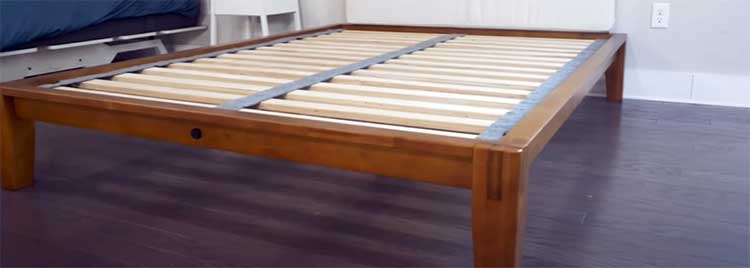
- Material Quality And Sourcing Thuma builds every rail and leg from solid upcycled rubberwood taken from rubber-tree plantations after latex harvest. The wood feels dense and smooth under hand, with a finish that develops a soft patina over time. No particle board, no veneer, no MDF. The slats carry a recycled-plastic felt lining that cushions contact points. Nectar’s bamboo platform version uses solid bamboo with the same interlocking joinery idea, which keeps weight down and cost lower. Other Nectar frames shift to steel rails wrapped in polyester fabric and wooden slats; the steel brings strength but the fabric and plastic leg tips feel less substantial once you run your fingers along the edges. Over months the Thuma wood stays consistent while the more budget Nectar pieces can show slight flex or surface wear sooner.
- Assembly Experience I set the Thuma up alone in under fifteen minutes. The four side rails lock into the legs through Japanese joinery notches; two hand-tightened screws secure the center support. The rolled slats drop in and stay put. Nectar’s bamboo model follows a similar interlocking path and takes roughly twenty minutes. The upholstered Claremont-style version needs an Allen key for a few bolts and a helper to hold the headboard steady. Both beat traditional metal frames that scatter screws across the floor, yet Thuma’s process feels more like sliding puzzle pieces than furniture assembly.
- Weight Capacity And Structural Feel Thuma rates at 1,500 pounds including mattress. I sat, stood, and leaned on every edge with zero wobble after the first night. Nectar tops out around 700–800 pounds. That covers most couples, but the frame transmits more movement when someone shifts position near the edge. The floating center supports on the bamboo version help, yet the overall rigidity never matches the solid-wood lock of the Thuma.
- Height And Storage Both sit low. Thuma leaves roughly nine inches of usable under-bed space—enough for flat storage bins. Nectar models range from eight to twelve inches depending on leg choice. Neither offers built-in drawers unless you buy separate storage pieces. If you want tall under-bed clearance for vacuum robots or large suitcases, neither is ideal without risers.
- Warranty And Trial Length Thuma backs the frame for life and gives one hundred nights to decide. Nectar offers two or three years and a shorter trial window. That difference matters if you plan to keep the bed through multiple moves.
- Aesthetic Range Thuma stays firmly minimalist: four wood stains and three headboard styles that still read as quiet Scandinavian-Japanese. Nectar spreads wider—from pure bamboo low-profile to button-tufted upholstered looks that lean mid-century. If your room already holds bold textiles or colorful walls, Nectar’s fabric options blend more easily.
Also Read: Is Zinus Bed Frame Worth Your Money?
Key features of Thuma
- Japanese joinery construction that eliminates almost every tool Each corner piece slides into the next and locks under its own tension. Once the rails seat, the frame becomes a single rigid unit. The only hardware is two hand-screws for the center beam.
- Upcycled rubberwood with GREENGUARD Gold certification The wood arrives free of the usual off-gassing chemicals. Cork pads on every leg protect hardwood or vinyl floors without stickers that peel later.
- Cushion-coated wooden slats that roll out in one piece The felt lining cuts noise and keeps the mattress from sliding. Fifteen or more slats distribute weight evenly so foam or hybrid mattresses never dip between supports.
- Modular headboard choices You can order a freestanding PillowBoard that sits against the wall, a solid-wood headboard that attaches with hand screws, or a cushioned version whose cover zips off for washing. The frame itself works fine without any headboard if you prefer a pure platform look.
- Lifetime structural warranty and one-hundred-night trial The company replaces broken rails or legs for as long as you own the bed. The trial period lets you live with the height and look before you commit fully.
- Low-profile silhouette that keeps the mattress at a natural sitting height Nine inches of clearance under the frame still allows storage while the overall bed stays easy to climb into even with a thick mattress on top.
Pros of Thuma
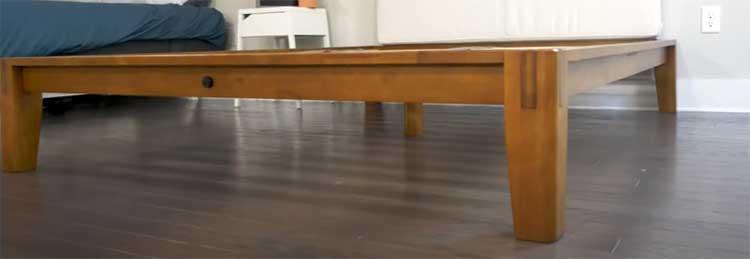
- Exceptional long-term sturdiness that never develops creaks After months of nightly use the joints stay tight. Guests can sit on the edge without the frame shifting or making noise. The solid-wood mass absorbs movement instead of amplifying it.
- Truly tool-free setup that takes less time than making the bed I timed the full process—including unboxing and rolling the slats—at under fifteen minutes. Disassembly for a move follows the same reverse sequence and fits back into the original boxes.
- Eco-conscious materials that meet strict chemical standards GREENGUARD Gold certification means the frame releases almost no volatile compounds into the bedroom air. The upcycled rubberwood and recycled felt reduce the demand for new timber.
- Design that ages gracefully rather than looking dated The clean lines and natural wood grain stay relevant as trends change. The finish softens slightly over years instead of wearing thin or yellowing.
- High weight rating that supports heavier couples or occasional extra guests Fifteen hundred pounds leaves a large safety margin. The center support beam and interlocking corners prevent the mid-frame sag common in lighter platforms.
- Quiet sleep surface even when partners change positions The felt-lined slats and solid joints eliminate the squeaks that wake light sleepers. Motion stays localized instead of traveling across the entire bed.
Cons of Thuma
- Premium price that pushes the total above many complete mattress-and-frame packages A queen with the preferred headboard often exceeds two thousand dollars before any mattress. Budget-conscious shoppers feel the stretch immediately.
- Low overall height that may feel too close to the floor for taller users Climbing out of bed requires more knee bend than a traditional high-profile frame. Adding a thick mattress helps, yet the visual proportion stays low.
- Limited under-bed storage without buying separate drawers Nine inches works for shallow bins but not for large suitcases or vacuum cleaners. The company sells matching drawers, which add both cost and assembly steps.
- Headboard options that sit against the wall rather than locking rigidly to the frame The PillowBoard relies on friction and wall pressure. Aggressive leaning can shift it slightly until you push it back into place.
- Shipping weight that makes solo stair carries challenging Individual boxes are manageable, yet the full set adds up. White-glove delivery is available for a fee if stairs or long hallways complicate the process.
Key features of Nectar
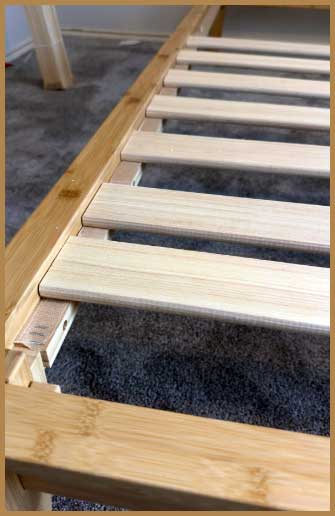
- Solid-bamboo platform version that copies the tool-free interlocking method Bamboo rails and legs join the same way Thuma’s wood does, so assembly stays simple and the finished frame stays light enough for one person to shift if needed.
- Steel-framed upholstered models with built-in headboard and footboard These arrive with polyester fabric already wrapped around the rails. Wooden slats sit in fabric sleeves that unroll across the base. The included headboard saves an extra purchase for anyone who wants something soft to lean against.
- Adjustable-base option with zero-gravity, anti-snore, and massage presets If you prefer powered movement, Nectar’s metal base raises head and foot independently, stores favorite positions, and includes USB ports. Legs adjust to three different heights for storage or clearance.
- Price points that stay well under one thousand dollars for most queen sizes Even the bamboo platform with headboard lands hundreds of dollars below the equivalent Thuma configuration, making the brand approachable for first-time buyers or rental apartments.
- Trial windows of fifty to sixty nights and free shipping on most orders You can test the frame with your existing mattress and return it if the height or look does not fit the room.
- Multiple finish and fabric choices across the lineup Natural or walnut bamboo, gray or linen upholstery, and dark metal bases cover most bedroom color schemes without custom ordering.
Also Read: Is Wayfair Bed Frame Worth Your Money?
Pros of Nectar
- Strong value that delivers solid support without the luxury markup Most queen configurations stay under eight hundred dollars even with a headboard. The bamboo platform version undercuts Thuma by several hundred dollars while still using interlocking joinery.
- Straightforward assembly that rarely needs more than one helper Bamboo models lock together by hand. Upholstered versions require only a few bolts and an Allen key. Both finish faster than traditional bolt-heavy frames.
- Built-in headboard on many models that saves an extra shopping trip The padded or wooden headboards arrive already attached or ready to mount, giving an instant finished look. Fabric choices match common bedding colors.
- Adjustable-base flexibility for people who read or watch screens in bed Independent head and foot elevation, zero-gravity preset, and massage functions turn the frame into a multi-use surface. USB ports keep devices charged nearby.
- Decent clearance and lightweight construction that simplify cleaning and moving Eight to twelve inches of under-bed space lets most robot vacuums pass. The bamboo version stays light enough to lift when rearranging furniture.
- Frequent sales and bundled mattress discounts that lower the effective cost further Nectar regularly cuts prices, and pairing the frame with one of their mattresses often unlocks extra savings.
Cons of Nectar
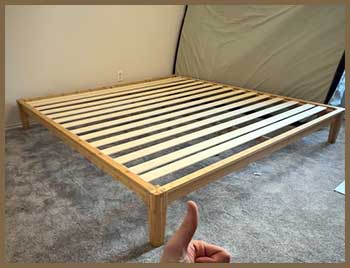
- Lower weight capacity that leaves less margin for heavier sleepers or active kids Seven to eight hundred pounds covers average use but feels tighter when two adults plus a pet share the surface. Edge support softens under concentrated weight.
- Shorter warranty that ends after two or three years Structural problems after the coverage window become the owner’s responsibility. Longevity claims rest more on user reviews than formal long-term guarantees.
- Materials that can feel less refined up close Plastic leg tips, thinner fabric wrapping, and occasional surface imperfections appear once you inspect the frame at floor level. The bamboo version improves the impression but still lacks the dense solid-wood presence of Thuma.
- Noise potential that increases slightly over the first few months Some users report mild creaks at the joints or slat contact points after the frame settles. Felt or rubber padding reduces but does not fully eliminate the sound the way solid joinery does.
- Fewer long-term durability reports compared with Thuma’s extensive review history While early feedback is positive, the bamboo platform has less multi-year data. Upholstered models sometimes show fabric wear or leg wobble sooner than expected.
Which One Fits Different Lifestyles?
If you move often, value silent nights, and plan to keep the same bed for a decade, Thuma’s solid construction and lifetime coverage repay the higher cost. The frame survives apartment changes and still looks intentional years later.
If you want an attractive platform quickly, prefer spending under a thousand dollars, or need an adjustable base for medical or comfort reasons, Nectar covers the practical needs without stretching the budget.
The bamboo model especially closes much of the quality gap while staying accessible.
Also Read: Comparison of Thuma And Tatami Room.
Frequently Asked Questions (FAQ)
Several bamboo or solid-wood platforms that use interlocking joinery come close, with Nectar’s bamboo version ranking among the nearest in both method and price.
Yes for the money. They assemble easily, support typical mattresses, and look clean, though they sit below Thuma in long-term rigidity and warranty length.
For many people seeking quiet durability and tool-free setup, it ranks at the top. Preference still depends on budget and desired height.
Thuma itself offers higher capacity, longer coverage, and denser materials when the extra cost fits your plan.
Wrapping Up
I lived with both long enough to notice how the Thuma disappears into the background—no creaks, no visual clutter, no second thoughts. The Nectar frames perform reliably for the price and look polished in most rooms, yet I still catch myself comparing the density of the wood and the quiet of the joints.
Your decision ultimately rests on how long you intend to own the bed and how much daily silence and sturdiness matter to you.