
I have spent years juggling busy weeknights, experimenting with new recipes, and searching for tools that actually make cooking easier without taking over my counter space.
After testing both the Thermomix and Vitamix extensively in my own kitchen, I decided to share my honest take on these two standout appliances.
In this article, I compare them head-to-head so you can decide which one aligns with your cooking style, budget, and daily needs. Whether you crave silky smoothies or guided, hands-off meals, I break it all down from a real user’s perspective.
| Feature | Thermomix (e.g., TM6/TM7) | Vitamix (e.g., Ascent Series) |
| Primary Strength | All-in-one cooker and guided recipes | Ultra-powerful blending |
| Motor Power | 500W blending + 1000W+ heating | 2-2.2 peak HP (up to ~1500W dedicated) |
| Key Functions | Blend, chop, cook, steam, knead, weigh | Blend, puree, heat via friction, grind |
| Capacity | ~2.2L bowl + Varoma steamer | 48-64 oz container |
| Guided Cooking | Yes, extensive recipe platform | Limited presets on some models |
| Built-in Scale | Yes, precise to grams | No |
| Price Range | Significantly higher (~$2000+) | More affordable (~$400-$800+) |
| Best For | Full meal prep, sauces, dough | Smoothies, soups, nut butters |
| Cleaning | Self-clean mode + bowl | Self-clean with soap and water |
| Noise Level | Moderate | Can be loud at max speed |
This table gives you the quick snapshot. Now, let’s explore the details I have experienced firsthand.
Key Differences Between Thermomix and Vitamix
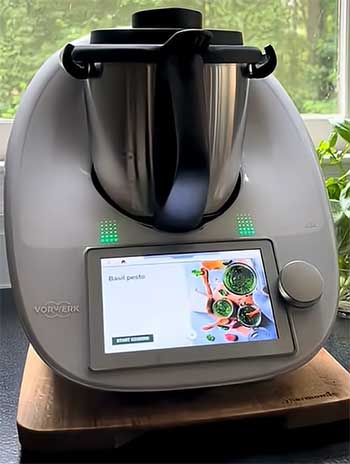
- Blending Performance and Raw Power: The Vitamix stands out with its dedicated high-horsepower motor that creates a strong vortex. I throw in ice, tough fibrous greens, or whole nuts, and it delivers restaurant-quality smoothness every time. The Thermomix blends well for most tasks, but its motor shares power with the heating element, so it does not quite match the Vitamix for the absolute silkiest results in cold blends. I notice this especially with nut butters or thick smoothies.
- Cooking Capabilities: Here the Thermomix takes the lead by a mile. It heats precisely while mixing, allowing me to sauté onions, simmer sauces, or steam vegetables all in one bowl. I have made perfect risotto or hollandaise without constant stirring or multiple pots. The Vitamix heats through friction for soups, but it lacks controlled cooking modes for full recipes.
- Guided Recipes and Smart Features: The Thermomix connects to a huge library of step-by-step recipes that guide me through everything, including weights and times. This proves invaluable on busy evenings when I do not want to think too much. Vitamix offers some presets on higher models, but nothing compares to the interactive experience.
- Built-in Weighing: I love adding ingredients directly into the Thermomix bowl and watching precise measurements appear. It cuts down on dirty dishes and guesswork. Vitamix requires a separate scale.
- Versatility in One Unit: Thermomix replaces multiple appliances—food processor, stand mixer for dough, steamer, and more. Vitamix excels primarily as a blender but does it exceptionally well.
- Footprint and Design: Both take counter space, but the Thermomix feels more like a compact kitchen workstation with its screen and bowl setup. Vitamix has a taller profile with its classic pitcher.
- Longevity and Durability: Both brands build tough machines. I expect years of use from either, with Vitamix often praised for its commercial-grade toughness in blending tasks.
These differences shape how I use each one weekly.
Also Read: Differences Between Vitamix Venturist And Ascent Blenders.
Key Features of the Thermomix That I Appreciate Daily
- Integrated Heating System: Precise temperature control from gentle warming to high heat lets me cook everything from yogurt to caramelized onions without a stove.
- Varoma Steamer: Multi-layer steaming keeps vegetables crisp and fish moist. I prepare entire healthy meals this way.
- Reverse Blade Function: Perfect for gentle stirring or kneading dough without chopping it too finely.
- High-Speed Chopping and Mixing: Handles veggies for salads or purees smoothly.
- Wi-Fi Connectivity and Recipe Ecosystem: The screen walks me through recipes with timers and adjustments. It feels like having a cooking assistant.
- Self-Cleaning Cycle: A quick blend with water and dish soap cleans most residues effortlessly.
- Stainless Steel Bowl: Durable, easy to maintain, and heats evenly.
- Dough Kneading Mode: I make pizza dough or bread with minimal effort.
- Precise Weighing Scale: Built right in for accuracy down to small increments.
- Multiple Speed Settings: From slow stir to turbo for various tasks.
- Safety Features: Lid locks and overload protection give peace of mind.
- Compact Yet Capacious Design: Fits my counter while handling family-sized portions with the steamer attachment.
I find myself reaching for the Thermomix when I want to streamline an entire meal from prep to plate.
Pros of Choosing a Thermomix
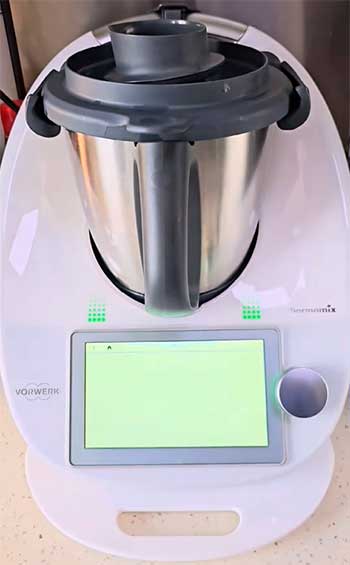
- Time-Saving All-in-One Design: I save so much time by not switching between appliances. Chop, cook, and serve in the same bowl, which means I spend less time washing dishes and more time enjoying meals with my family.
- Guided Cooking for Beginners and Busy Cooks: The recipe platform builds my confidence and reduces decision fatigue by providing exact steps, timings, and adjustments that turn even complicated dishes into straightforward successes.
- Precision and Consistency: Exact temperatures and weights lead to repeatable great results every time, so my sauces come out perfectly emulsified and my dough rises reliably without guesswork.
- Healthier Cooking Options: Steaming preserves nutrients better than boiling, and I control every ingredient fully, making it easier to prepare fresh, wholesome family meals.
- Reduced Cleanup: One main bowl handles multiple steps from start to finish, dramatically cutting down on the pile of pots and utensils that used to clutter my sink.
- Creative Freedom: Experiment with sauces, custards, or doughs that would normally require constant attention on the stove, giving me room to try new flavors without stress.
- Family-Friendly Meals: Easy to scale recipes for more people, which helps when I have guests or need leftovers for the week ahead.
- Built-in Scale Eliminates Extra Tools: Weigh directly into the bowl and move on, avoiding extra measuring cups and reducing errors in baking or delicate recipes.
- Quiet Operation for Most Tasks: Compared to some high-speed blenders, it runs at a more pleasant volume during everyday mixing and cooking.
- Regular Software Updates: The machine improves over time with new features and recipes, keeping it feeling fresh and capable for years.
- Multi-Functional for Diverse Recipes: From soups to desserts to main courses, it adapts to whatever I feel like cooking without needing additional gadgets.
- Encourages Home Cooking: Makes complex dishes approachable, so I cook more often instead of ordering takeout on tired evenings.
These pros make it a game-changer for anyone wanting to cook more without the hassle.
Cons of the Thermomix
- Higher Upfront Cost: It represents a bigger investment than many kitchen tools, which can feel intimidating even though the long-term value often justifies it for frequent cooks.
- Learning Curve: Mastering all modes takes some practice and time to get comfortable, though the guided recipes help ease you into it gradually.
- Blending Not Quite as Powerful: For ultra-smooth nut butters or certain smoothies, it lags slightly behind dedicated blenders, requiring a bit more time or multiple passes for the creamiest texture.
- Limited Batch Size for Blending: The bowl works well for family meals but may require batches for very large quantities when hosting bigger gatherings.
- Reliance on Recipes: Some users might prefer full manual control without the guided prompts, especially if you enjoy improvising freely.
- Counter Space Commitment: It stays out due to its size and usefulness, which matters if your kitchen is already short on real estate.
- Subscription or Access Fees: Some recipe features might involve ongoing costs in certain regions, adding a small recurring expense.
- Weight: Heavier to move around compared to a basic blender, making it less ideal if you need to store it frequently.
- Repairs Can Be Costly: Specialized parts require authorized service, which can add up if something goes wrong outside warranty.
- Not Ideal for Very Large Gatherings: Scaling up beyond its capacity needs planning and possibly supplementary tools for big crowds.
I weigh these against the convenience it brings to my routine.
Also Read: Differences Between NutriBullet Pro And Ultra Blenders.
Key Features of the Vitamix That Impress Me

- Powerful Motor: Tears through anything I put in it, creating velvety textures in hot soups or cold drinks.
- Tamper Tool: Pushes ingredients down for consistent blending without stopping the machine.
- Variable Speed Control: Full manual control plus high-speed bursts.
- Self-Cleaning: Add soap and water, blend, and rinse—done in under a minute.
- Aircraft-Grade Stainless Blades: Stay sharp for years.
- Large Capacity Options: Handles big batches for families or entertaining.
- Durable Construction: Built to last with strong warranties.
- Friction Heating for Soups: Blends and warms soups beautifully through blade speed alone.
- Grinding Capabilities: Makes nut flours, spices, or coffee grounds easily.
- Preset Programs on Select Models: For smoothies, frozen desserts, or hot soups.
- Low-Profile Containers: Fit under cabinets better on newer models.
- Versatile Container Shapes: Tall classic or shorter wide-base options.
The Vitamix feels like a dedicated workhorse for anything blendable, and I use it almost every morning for breakfast.
Pros of Choosing a Vitamix
- Unmatched Blending Power: Delivers the smoothest results for smoothies, shakes, and purees consistently, turning even tough ingredients into silky perfection in under a minute.
- Affordable Entry into Premium Blending: Costs less while offering professional performance, making high-quality blending accessible without breaking the bank.
- Durability and Longevity: Many users report decades of reliable service, so it becomes a trusted kitchen staple that rarely needs replacement.
- Versatile for Many Tasks: Excellent for hot soups, dips, batters, and even grinding, giving you flexibility beyond basic smoothies.
- Easy to Use and Clean: Intuitive controls and fast self-cleaning routine mean I actually use it daily instead of letting it gather dust.
- Strong Resale Value: Holds value well if you ever upgrade or sell, protecting part of your initial investment.
- Community and Recipes: Huge online support with creative ideas for uses, so you never run out of inspiration for new blends.
- Compact Enough for Daily Use: Fits nicely on counters without dominating the space, perfect for smaller kitchens.
- Tamper Ensures No Waste: Push everything into the blades efficiently, minimizing leftover chunks and getting the most from your ingredients.
- Warranty Peace of Mind: Generous coverage on most models gives confidence that the brand stands behind its product.
- Great for Specific Diets: Perfect for raw foods, green smoothies, or nut milks, supporting healthy eating goals with minimal effort.
- Quiet Options on Newer Models: Improved noise levels in some versions make morning routines more pleasant for the whole household.
It shines when blending is the main event.
Also Read: Differences Between NutriBullet 900 And 1200 Blenders.
Cons of the Vitamix
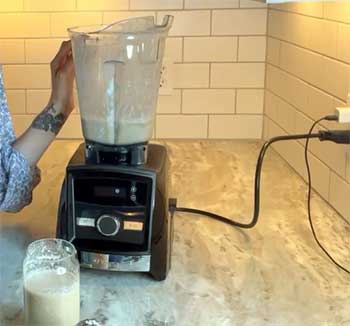
- Limited to Blending Tasks: No built-in cooking beyond friction heat, so I still need other tools for full meals, which adds steps back into my process.
- No Guided Recipes: I rely on my own knowledge or external sources, requiring more planning and creativity on my part.
- Loud at High Speeds: Can be noisy during long blends, which might disturb others in the house during early mornings or late evenings.
- No Integrated Scale: Extra step for precise measuring means I keep another tool handy, slightly slowing down prep.
- Potential for Overheating in Extended Use: Though rare with proper care, heavy sessions require monitoring to avoid strain.
- Container Can Be Tall: Storage might require adjustment in cabinets with limited height.
- Fewer Functions Overall: Does not replace as many gadgets, so my counter still holds other appliances for chopping or steaming.
- Manual Operation Mostly: Less automation for complex recipes, demanding more hands-on attention from me.
- Cleaning Large Batches: Still easy but requires more water and attention sometimes for bigger smoothie batches.
- Less Precise Temperature Control: Relies on time and speed rather than exact settings, which can lead to slight variations in heated recipes.
For pure power users focused on drinks and purees, these are minor.
Which One Should You Pick?
After all my testing, I keep both because they complement each other beautifully. If I had to choose only one, I would go with the Thermomix for its versatility in everyday cooking. It transforms my kitchen workflow.
However, if your priority is incredible smoothies, soups, and blends on a more accessible budget, the Vitamix wins hands down. Consider your cooking habits honestly. Do you want an all-rounder that cooks full meals or a superstar blender?
Think about space, budget, and how often you entertain or cook from scratch.
I encourage you to reflect on your needs. If you love hands-on creativity with ultimate blending results, start with a Vitamix. If you seek efficiency and guided inspiration for complete dishes, the Thermomix could become your new best friend in the kitchen.
Either way, both elevate home cooking significantly.
Also Read: Differences Between Helimix And BlenderBottle.
Frequently Asked Questions (FAQ)
No, not for pure blending. Vitamix dedicates more power to its motor, creating smoother textures faster, while Thermomix balances blending with heating functions.
Many professional chefs praise it for precision in sauces, purees, and consistent results, especially in busy kitchens where reliability matters.
Higher cost, slightly less blending power than dedicated blenders, learning curve, and larger commitment to counter space.
Yes, several Michelin-starred chefs incorporate it for specific tasks like emulsifications and precise preparations alongside other tools.
Final Thoughts
In conclusion, I have found real value in both the Thermomix and Vitamix, and I believe you will too once you pick the right fit. You deserve tools that simplify your time in the kitchen and spark joy in cooking. Take stock of what you prepare most often, then choose confidently.
Whether you go for guided all-in-one convenience or raw blending power, you will notice the difference in your daily meals and overall ease. I hope my experiences help you make the best decision for your home—happy cooking!