
I have spent the last few years switching between Taste of the Wild and Purina Pro Plan for my own dogs, watching how each affects their energy, coat, digestion, and overall health.
The main intent here is to share my real experiences and analysis so you can decide what fits your dog best, based on ingredients, performance, and practical daily use.
I compare them side by side without hype, focusing on what actually matters when you fill that bowl every morning.
| Aspect | Taste of the Wild | Purina Pro Plan |
| Protein Sources | Novel like bison, venison, salmon, wild boar | Chicken, beef, salmon, lamb; often with meals |
| Grain Options | Mostly grain-free, some with grains | Many grain-inclusive for balanced energy |
| Key Add-ins | Probiotics, antioxidants from fruits/veggies | Probiotics, omega fatty acids, targeted formulas |
| Price Range (per lb) | Higher | More affordable and widely available |
| Best For | Dogs with allergies, grain sensitivities | Active dogs, specific health needs, puppies/seniors |
| Vet Backing | Good ratings, some concerns | Strong vet recommendations, research-backed |
| Potential Drawbacks | Past lawsuits, availability issues | Uses some grains/by-products in formulas |
This table gives you the snapshot. Now let me walk you through the details from my perspective as someone who has bagged both brands multiple times.
Key Differences Between Taste of the Wild And Purina Pro Plan

- Ingredient Philosophy and Protein Quality: Taste of the Wild leans into mimicking ancestral diets with unique proteins that many dogs have never encountered before, such as roasted bison or smoked salmon. In my trials, this helped reduce allergy flare-ups in one of my sensitive dogs. Purina Pro Plan sticks closer to traditional sources like chicken meal as a primary base but formulates with precise nutrient levels backed by feeding trials. I noticed Pro Plan provided consistent muscle maintenance for my active breeds without the novelty factor.
- Grain-Free Approach vs. Inclusive Nutrition: Taste of the Wild built its reputation on grain-free recipes using sweet potatoes or peas for carbs, which worked wonders for my dog’s stool consistency initially. Purina Pro Plan offers both options but excels with grains like rice or oats that supply steady energy. I found the grain-inclusive versions easier on digestion during long hikes, avoiding the occasional loose stools I saw with some grain-free switches.
- Formulation and Life Stage Variety: Purina Pro Plan shines with specialized lines for puppies, seniors, sensitive skin, joint support, and performance dogs. Their shredded blend formulas even mix textures my picky eater loved. Taste of the Wild offers solid all-life-stages options with fewer targeted variants, making it simpler if your dog does well on one recipe long-term.
- Manufacturing and Availability: Both are made in the US, but Purina’s scale means Pro Plan is easier to find in stores and less prone to stockouts. I experienced Taste of the Wild formulas disappearing or changing recipes, which frustrated me during transitions.
- Price and Value Perception: Taste of the Wild usually costs more per bag, positioning it as premium with those wild-inspired ingredients. Pro Plan delivers strong nutrition at a friendlier price point, which mattered when feeding multiple dogs. Over months, the cost savings with Pro Plan added up without noticeable health trade-offs in my household.
- Digestive and Skin Support Features: Both include probiotics, but I saw faster improvements in coat shine and reduced itching with Pro Plan’s sensitive formulas. Taste of the Wild’s fruit and veggie inclusions provided natural antioxidants that supported overall vitality in my younger dogs.
Key Features of Taste of the Wild
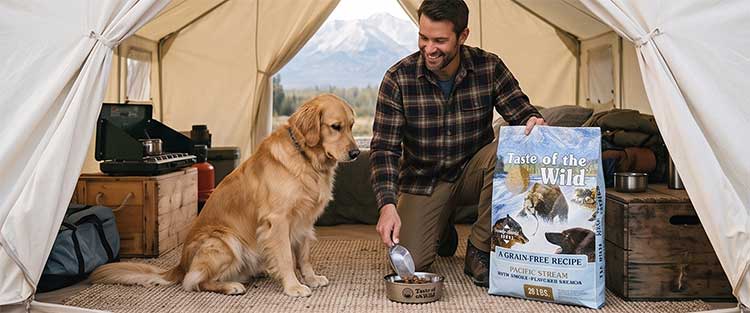
- Ancestral Protein Focus: Real meat like venison or salmon leads many recipes, delivering high palatability that makes mealtimes a breeze. My dogs always cleaned their bowls quickly with High Prairie or Pacific Stream varieties, and the roasted notes added an appealing aroma that encouraged enthusiastic eating even on busy days.
- Probiotics and Gut Health: Every bag includes species-specific probiotics that helped maintain firm stools even during diet changes or travel stress, supporting smoother digestion overall for my pack.
- Natural Antioxidants: Blueberries, raspberries, and sweet potatoes add flavor while boosting immune function. I appreciated this extra layer of support during seasonal changes when energy levels could dip.
- Grain-Free Flexibility: Ideal for dogs avoiding common grains; some recipes now include ancient grains for balance, giving you options depending on your dog’s tolerance.
- Unique Flavors: The variety of smoked and roasted meats creates an aroma that entices even finicky eaters, based on my repeated trials across different dogs.
- Complete Nutrition: Meets AAFCO standards with emphasis on high protein for muscle health and development, helping active dogs stay lean and strong.
- Family-Owned Roots: Produced by Diamond, offering a smaller-company feel compared to massive corporations, which appealed to me when I wanted something with a more focused production approach.
These features made Taste of the Wild a go-to when I wanted to rotate proteins and keep meals exciting for my pack, adding real variety without complicated mixing.
Pros of Taste of the Wild

- Novel Proteins Reduce Allergies: Switching to bison or venison often calmed chronic ear infections or itchy skin in my sensitive dog, offering relief where chicken-based foods failed and improving quality of life noticeably.
- High Palatability: The smoky, roasted profiles made mealtimes enthusiastic affairs. Even my older dog perked up at dinner, reducing the stress of mealtime battles.
- Antioxidant-Rich Ingredients: Fruits and veggies provide natural support for immunity and aging, noticeable in sustained energy levels and fewer vet visits during colder months.
- Focus on Ancestral Diet: Appeals to owners wanting closer-to-wild nutrition; the high meat content supports lean muscle without excess fillers.
- Probiotic Inclusion: Consistent across formulas for better gut microbiome, leading to predictable digestion and easier cleanup after walks.
- Variety in Recipes: Multiple protein options allow rotation to prevent sensitivities, giving flexibility as your dog’s preferences or needs evolve over time.
- Positive User Experiences: Many report excellent coats and vitality, matching what I observed in shorter trials and long-term use.
- Grain-Free Appeal: Great for dogs with confirmed grain issues, giving peace of mind and reducing worry about common triggers.
I elaborated on these during use because they directly impacted visible health markers like coat quality and stool firmness, making daily routines smoother.
Cons of Taste of the Wild
- Lawsuit History: Concerns around heavy metals and grain-free links to heart issues surfaced in past cases, making me monitor my dogs closely during use and consider occasional check-ups.
- Availability Challenges: Bags frequently went out of stock, disrupting routines and forcing unplanned switches that could upset sensitive stomachs.
- Higher Cost: Premium pricing adds up, especially for large breeds or multi-dog homes, requiring careful budgeting for ongoing use.
- Recipe Changes: Occasional reformulations affected palatability or digestion in my trials, sometimes needing a slow reintroduction period.
- Limited Targeted Formulas: Fewer options for specific conditions like joint problems or weight management compared to competitors, limiting choices for dogs with complex needs.
- Potential DCM Associations: Grain-free nature raised questions in broader discussions, prompting me to add taurine-rich supplements at times for extra caution.
- Manufacturing Recalls: Past incidents with parent company raised caution flags, leading me to stay informed on updates.
These issues required extra vigilance on my part, balancing the benefits with practical realities of feeding.
Key Features of Purina Pro Plan
- Science-Backed Formulas: Decades of research show up in targeted nutrition, like higher protein for performance dogs or joint supplements in senior blends. This reliability stood out in my active dog’s endurance and recovery after play sessions.
- Probiotics and Live Cultures: Added for digestive balance, often leading to fewer gas issues and more predictable bathroom habits in my experience across different life stages.
- Omega Fatty Acids: Support skin and coat health; I saw visibly shinier fur and less shedding within weeks on salmon-based options, making grooming sessions easier.
- Life-Stage Specificity: Puppy formulas with DHA for brain development, adult maintenance, and senior support with controlled calories. Perfect for households with dogs of different ages, reducing the need for multiple transitions.
- Shredded Blends and Textures: Mix of kibble and tender pieces boosts enjoyment and helps with dental health through natural chewing action, which my picky eater responded to positively.
- Affordable Premium Positioning: High-quality ingredients without the ultra-boutique price tag, making consistent feeding sustainable even as my dogs grew and their needs changed.
- Vet and Breeder Endorsements: Frequently recommended, which gave me confidence during puppy transitions and when introducing new family members to the household.
Pro Plan felt like a dependable partner for everyday feeding across varying needs, handling the demands of real life with multiple dogs.
Pros of Purina Pro Plan
- Proven Track Record: Consistent results across many dogs, with my own showing stable weight and energy on performance formulas through different seasons and activities.
- Vet-Recommended Reliability: Backed by extensive testing, easing worries about nutritional gaps and providing reassurance during annual check-ups.
- Affordability: Quality nutrition without breaking the bank, ideal for long-term use and scaling up as your pack grows.
- Specialized Options: Sensitive stomach, skin support, breed-size specific—addressed exact needs in my varied pack, simplifying decisions.
- Digestive Support: Probiotics and fiber blends minimized issues, with firmer stools than some grain-free alternatives and better tolerance during weather changes.
- High Acceptance Rate: Most dogs love the taste, reducing waste from picky eating and making portion control straightforward.
- Availability Everywhere: Easy to buy in bulk or emergencies, preventing last-minute scrambles at the store.
- Joint and Performance Support: Visible improvements in mobility for older or athletic dogs, helping them stay playful longer into their years.
These strengths made daily feeding straightforward and effective, fitting seamlessly into a busy schedule.
Cons of Purina Pro Plan
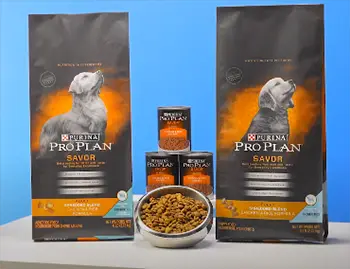
- Grain Inclusion in Many Recipes: Corn or wheat appears in some, which bothered my grain-sensitive dog initially before finding suitable alternatives within the line.
- By-Product Meals: Used in certain formulas, leading some owners to question transparency even though results remained solid.
- Less “Wild” Appeal: Traditional ingredients lack the exotic protein novelty of competitors, which might feel less exciting for owners seeking unique options.
- Potential for Over-Processing Concerns: As a large-brand product, some criticize the formulation style despite real-world performance in my dogs.
- Transition Adjustments: Some dogs need time to adapt, with temporary digestive changes I noted that required patience over a week or so.
- Calorie Density Variations: Required careful portioning for less active dogs to avoid weight gain, especially with the palatable textures.
I weighed these against the overall performance, finding them manageable with monitoring and minor adjustments.
My Experiences Switching Between Both
When I first tried Taste of the Wild, my younger dog’s coat transformed with less shedding after a month. The novel proteins seemed gentler on his system.
But during a stockout, switching to Pro Plan maintained that progress while adding better joint support as he aged. Pro Plan’s shredded blends kept him excited about meals, something the consistent kibble of Taste of the Wild sometimes lacked after repeated use.
For digestion, both delivered, but Pro Plan edged out during high-activity periods with steadier energy. Cost-wise, Pro Plan saved me noticeably over a year. I rotated proteins from Taste of the Wild occasionally to prevent boredom and potential sensitivities, creating a hybrid approach that worked best for us.
Analytically, Purina Pro Plan offers more predictable, research-supported outcomes for the average dog owner. Taste of the Wild provides that premium, instinct-driven edge for specific profiles.
Neither is universally perfect, but both beat many supermarket options in my tests.
What To Consider When Choosing For Your Dog
Think about your dog’s age, activity level, allergies, and your budget. Puppies or performance dogs often thrive on Pro Plan’s tailored lines. Allergy-prone or grain-avoidant pets may prefer Taste of the Wild’s profiles.
Always consult your vet for bloodwork or specific advice before major changes. Transition slowly over 7-10 days to avoid tummy troubles.
I monitored weight, energy, stool quality, and coat monthly—simple habits that revealed true impacts beyond marketing.
Also Read: Is Badlands Ranch A High Quality Dog Food?
Frequently Asked Questions (FAQ)
It depends on your dog. Purina Pro Plan suits most with its variety and reliability. Taste of the Wild works well for grain-sensitive dogs seeking novel proteins. Test based on individual response.
Past class actions involved claims of heavy metals in some batches and grain-free formulas linked to heart concerns like DCM. The company maintains product safety while addressing issues.
No single #1 exists, as needs vary. Purina Pro Plan ranks highly among vet-recommended options for balanced nutrition. Consult your veterinarian for personalized picks.
Yes, it uses quality proteins and avoids artificial additives, earning solid ratings. However, consider past concerns and monitor your dog’s health closely.
Wrapping Up
After all these bags and observations, I recommend starting with Purina Pro Plan for its consistency and support options—you will likely see steady improvements in your dog’s daily life.
If your companion shows sensitivities, give Taste of the Wild a fair trial with close monitoring.
Both can serve your furry friend well when matched to needs. Talk to your vet, observe closely, and adjust as you go. Your dog deserves food that keeps them thriving for years ahead, and with the right choice, you will both enjoy the journey.