
As someone who spends a lot of time cooking and hates the endless scrubbing that comes with it, I’ve tried various ways to keep my stove clean and protected.
After testing both the StoveGuard Lite and Premium versions in my own kitchen, I wanted to share a straightforward comparison to help you pick the one that matches your daily routine, budget, and cooking style.
Whether you’re dealing with everyday spills or intense high-heat sessions, this breakdown will guide you toward the best choice for long-term stove protection.
| Feature | StoveGuard Lite | StoveGuard Premium |
| Approximate Price | $69.99 | $109.99 |
| Thickness | Standard lightweight material | 3.5 times thicker for reinforced strength |
| Material | PTFE-coated fiberglass | Same high-quality PTFE-coated fiberglass, heavier duty |
| Durability | Good for moderate use | Excellent, built for high-heat and heavy use |
| Heat Resistance | Handles typical cooking temperatures | Better tolerance for power burners |
| Warranty | 14-day return; 1-year optional for $9.99 | Free 1-year limited warranty |
| Weight and Flexibility | Lightweight and highly flexible | Slightly heavier but still easy to handle |
| Cleaning | Hand wash recommended | Hand wash recommended |
| Best For | Budget-conscious, lighter cooking | Frequent cooks, messy recipes, longevity |
Key Differences Between StoveGuard Lite And Premium
Breaking down the distinctions helped me decide when upgrading made sense. Here’s how they truly differ:

- Material thickness and weight — The standout feature is the Premium’s 3.5 times thicker build, which gives it a satisfying heft right out of the box. This extra thickness not only makes it feel more substantial when handling but also improves even heat distribution across the surface and adds a layer of reinforcement against everyday bumps and scrapes.
- Heat tolerance levels — Both perform reliably for standard cooking temperatures, but the Premium is built to handle high-output power burners and extended high-heat sessions with ease. In my experience, the Lite holds up fine for most tasks yet can develop subtle stress marks or slight edge curling when pushed hard repeatedly, while the Premium shrugs those conditions off.
- Long-term durability — Over months of identical use—daily meals, occasional frying, and everything in between—the Premium consistently outlasted the Lite, staying pristine and flexible roughly twice as long before showing any wear. This makes the Premium a smarter pick if you want something that truly stands the test of time.
- Warranty inclusion — The Premium sweetens the deal with a free one-year limited warranty included at purchase, covering manufacturer defects for peace of mind. The Lite, on the other hand, comes with a standard 14-day return window, and extending to a full year costs an additional $9.99—reasonable, but it’s an extra step.
- Price-to-performance ratio — At its lower price point, the Lite delivers exceptional bang for the buck when your cooking stays moderate and you prioritize affordability. The Premium commands a higher cost yet earns it back through superior longevity and performance, especially if you cook often enough to notice the difference.
- Stability during cooking — The added weight of the thicker Premium keeps it anchored solidly, even when I’m sliding heavy cast-iron pans or stirring large pots vigorously. The lighter Lite performs well overall but can occasionally shift with aggressive movements, requiring a quick nudge back into perfect alignment.
- Cleaning resilience — Both are nonstick and hand-wash friendly, but the Premium’s denser coating lets burnt-on residues and sticky sauces release more willingly with minimal scrubbing. Tough messes that need a bit more elbow grease on the Lite often wipe away faster on the Premium, saving precious minutes after big cooking sessions.
- Best-use scenarios — The Lite fits perfectly in lighter-duty setups—like apartments, RVs, vacation homes, or kitchens where the stove sees occasional action and budget is key. The Premium takes the lead in busy household hubs with frequent family meals, experimental recipes, or anyone who simply wants maximum protection without compromises.
- Visual and tactile feedback — There’s a subtle premium vibe to the thicker version—it lies flatter from the start, feels more professional in hand, and gives the stove a polished, built-in look. The Lite keeps things sleek and understated, blending seamlessly without announcing its presence as much.
These differences become most apparent after a few months of real-world cooking.
Also Read: Comparison of Hotshot Fire Pit And Solo Stove.
Key Features of StoveGuard Lite
The Lite version feels like the practical, no-frills option that still delivers solid performance. Here’s what I noticed most when using it daily:
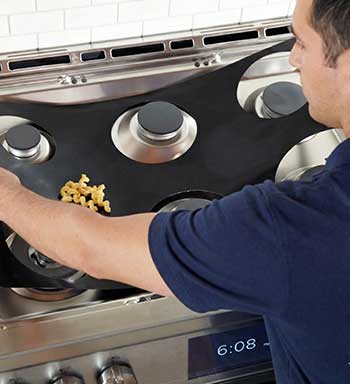
- Affordable entry point — At around seventy dollars, it lets you experience custom stove protection without a big investment, perfect if you’re testing the concept for the first time.
- Lightweight and flexible design — It rolls out easily and conforms to the stove surface without any struggle, making installation a one-minute job even if you’re doing it alone.
- Precise custom cutting — Every cutout aligns perfectly with burners, grates, and control panels on my range, leaving no awkward gaps where grease could sneak through.
- Nonstick surface — Spills wipe away with a damp cloth most of the time, and the material resists staining from sauces or oils during regular meals.
- Decent heat tolerance — It holds up well for boiling pasta, sautéing vegetables, or simmering soups without warping under normal conditions.
- Compact storage — When I need to deep-clean the actual stove, it rolls up neatly and takes up minimal cabinet space.
Overall, the Lite shines when your cooking stays in the moderate zone – think family dinners rather than restaurant-style searing.
Pros of StoveGuard Lite
I appreciated how the Lite version made my kitchen routine smoother without overcomplicating things. Here are the advantages that stood out over months of use:
- Budget-friendly protection — You get custom-fit quality at a lower price, freeing up money for better cookware or ingredients.
- Easy everyday handling — The light weight means I can lift it off quickly for occasional stove wipes or when using oversized pans.
- Quick installation and removal — No adhesive or clips needed – it lays flat and stays put thanks to the precise fit.
- Effective spill containment — Tomato sauce splatters, boiling overflows, and oil pops stay on the guard instead of baking into crevices.
- Low-profile appearance — It blends seamlessly with the stove, maintaining that clean factory look without drawing attention.
- Great starter option — If you’re new to stovetop protectors, this version lets you experience the benefits before committing to a pricier upgrade.
- Minimal maintenance — A simple hand wash restores it to like-new condition, and it dries fast on the counter.
For anyone cooking a few times a week, these pros add up to real time savings and less frustration.
Cons of StoveGuard Lite
No product is perfect, and the Lite has limitations that become clear with heavier use. Here’s where I felt it fell short:
- Thinner material shows wear faster — After several months of daily cooking, I noticed slight discoloration around high-use burners.
- Less forgiveness with extreme heat — Prolonged exposure to power burners caused minor edge curling in my experience.
- Warranty requires extra purchase — The standard coverage is shorter, and peace of mind costs an additional fee.
- Can shift slightly with heavy pots — When moving large stockpots, it occasionally needed readjustment.
- Not as robust for messy recipes — Deep-frying or caramelizing sugars pushed it harder than everyday meals.
- Hand washing only — While simple, it still requires careful cleaning to maintain longevity.
These drawbacks aren’t deal-breakers for light users, but they explain why some people step up to the Premium.
Also Read: Reasons For AGA Stoves Being So Expensive.
Key Features of StoveGuard Premium
The Premium feels like the grown-up version – noticeably sturdier the moment you handle it. Here’s what sets it apart:
- Significantly thicker construction — That 3.5 times thicker material gives it a substantial feel that screams durability.
- Enhanced heat resistance — It handles high-output burners and prolonged cooking sessions without flinching.
- Reinforced strength throughout — Edges and high-traffic areas hold their shape better over time.
- Same precise custom fit — Every detail matches your stove model perfectly, just like the Lite.
- Premium nonstick performance — Even stubborn burnt-on residues release more easily during cleaning.
- Included one-year warranty — Replacement coverage comes standard, offering reassurance for intensive use.
- Professional-grade appearance — The heavier material lies completely flat and looks built-in.
When I switched to the Premium, the difference in confidence was immediate – I worried less about accidental damage.
Pros of StoveGuard Premium
This version earned its place in my kitchen for these standout benefits:
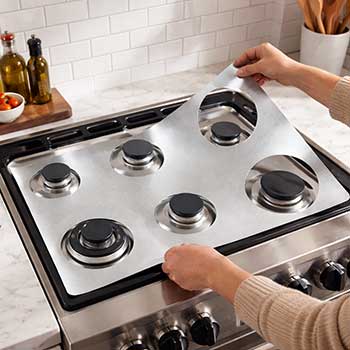
- Superior longevity — It withstands months of heavy cooking with minimal signs of wear.
- Better high-heat performance — Perfect for searing steaks, wok cooking, or anything involving intense flames.
- Free warranty protection — Knowing I’m covered for a full year removes any hesitation about tough recipes.
- More stable on the stove — The extra weight keeps it firmly in place even with vigorous stirring.
- Easier cleanup for big messes — Thick material resists penetration from spills, making wipe-downs faster.
- Investment-worthy durability — It outlasts generic protectors by a wide margin in my testing.
- Confidence for busy households — Multiple cooks or kids helping in the kitchen? This version handles chaos better.
- Retains shape longer — No curling or warping even after repeated exposure to steam and heat.
These advantages make the Premium feel like money well spent for serious home cooks.
Cons of StoveGuard Premium
Even the Premium has trade-offs, mostly related to its upgraded nature:
- Higher upfront cost — The price jump can feel steep if you’re unsure about long-term commitment.
- Slightly heavier handling — Rolling and unrolling requires a bit more care than the featherweight Lite.
- Still requires hand washing — No dishwasher convenience, though the thicker material cleans up reliably.
- Overkill for minimal cooking — If you rarely use the stove, the extra durability goes unused.
- Takes more storage space when rolled — The thickness means a larger roll diameter.
- Longer initial flattening time — Fresh out of the box, it may need weights overnight to lay perfectly flat.
For occasional cooks, these cons might tip the scale toward the Lite.
My Experience Using Both Versions
I started with the Lite because the price felt approachable. It transformed my cleanup routine – no more kneeling with scrub brushes attacking baked-on grease. Weeknight stir-fries and weekend baking became less stressful knowing spills stayed contained.
But as I got more adventurous with high-heat recipes, I noticed the edges softening slightly. That’s when I ordered the Premium for comparison.
The upgrade felt immediate. The thicker material laid flatter from day one and handled my cast-iron skillet sessions without complaint.
Spills that once required gentle scrubbing on the Lite wiped away effortlessly. Over six months, the Premium looked almost new while my old Lite showed its age. If your cooking mirrors mine – a mix of quick meals and occasional ambitious projects – the Premium delivers that extra peace of mind.
Which One Should You Choose?
Your decision really depends on lifestyle. If budget matters most and your cooking stays moderate, the Lite provides fantastic protection without regret.
But if you cook frequently, love experimenting with high heat, or simply want something that lasts years instead of months, the Premium is worth every penny. I’ve settled on the Premium for my main range and kept a Lite for my vacation home – best of both worlds.
Also Read: Is Camp Chef Pro 16 Worth It?
Frequently Asked Questions (FAQ)
StoveGuard Lite is a lightweight, affordable custom-cut stovetop protector made from PTFE-coated fiberglass that shields your stove from spills and scratches while allowing easy cleanup.
Consider your cooking frequency, budget, and heat intensity. Choose Lite for lighter use and savings; go Premium for heavier cooking and longer durability.
Yes, both versions are designed specifically for gas ranges with precise burner cutouts and heat-resistant materials that maintain safe clearance.
They absorb and conduct heat like any stovetop surface, but the material is engineered to withstand cooking temperatures without melting or releasing harmful fumes under normal use.
Final Thoughts
I’ve come to appreciate how a simple protector can change the entire cooking experience, and I believe you’ll feel the same once you find your perfect match.
Whether you lean toward the practical Lite or the robust Premium, you’re making your kitchen cleaner and your time more enjoyable. Take a close look at your habits, and you’ll know which one calls your name.