
If you’re serious about doing laundry right — and not replacing your washer every five years — the Speed Queen TR3 deserves a spot at the very top of your shopping list.
Head over to Speed Queen’s official website or your nearest authorized dealer and grab this machine before your current washer gives up the ghost. Trust me, your future self will thank you.
My First Week With The Speed Queen TR3
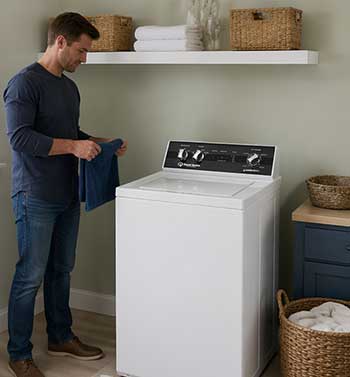
I’ll be straight with you — I wasn’t expecting to get emotional about a washing machine.
But the first time I loaded the Speed Queen TR3 and watched it fill up with water like a proper old-school top-loader, something clicked.
This thing means business.
Out of the box, the TR3 looks refreshingly no-nonsense. There’s no touchscreen.
No Wi-Fi. No app to download. Just a simple, sturdy dial and a lid that opens wide enough to stuff in your bulkiest comforter without performing yoga.
The cabinet is made of powder-coated steel — the kind of steel you can knock on and feel the difference from the flimsy sheet metal hiding behind most big-box washers.
The first cycle I ran was a full load of mixed clothes — jeans, shirts, socks, the works. I selected the Normal cycle, set the water temperature to warm, and pressed Start. What followed was genuinely satisfying.
The agitator — a real, full-sized agitator, not some half-hearted impeller — churned through the clothes with authority. The wash action is deep and thorough, the kind that actually works dirt out of fabric rather than just swishing things around and hoping for the best.
Fill time surprised me. The TR3 fills with more water than most high-efficiency machines because it’s not an HE washer in the traditional sense. Speed Queen chose to prioritize cleaning performance over EPA water-efficiency ratings, and honestly?
Good. My clothes came out cleaner after one cycle than they ever did after two cycles in my old HE machine.
Spin speed is another story worth telling. At 710 RPM, the TR3 extracts a solid amount of water from your clothes, cutting down on drying time noticeably. I ran a load of thick bath towels, and they came out of the spin cycle damp — not soaking wet — which is exactly what you want.
Noise level is moderate. It’s not whisper-quiet, but it’s not a jet engine either. The agitation cycle produces a steady, rhythmic sound that I actually found reassuring — like the machine is telling you it’s actually doing something.
Vibration is minimal thanks to the heavy cabinet and solid base.
The cycle selection is refreshingly simple. You get Normal, Perm Press, Delicate, and a few specialty options. No “Steam Refresh” cycle that costs extra electricity for questionable results.
No “AI-optimized load sensing” that confuses a full load for a small one. Just clean, honest cycles that do what they say.
By day three, I stopped thinking about the washer at all — which, when you think about it, is the highest compliment you can pay an appliance. It just worked. Every single time.
The Pros of Owning A Speed Queen TR3
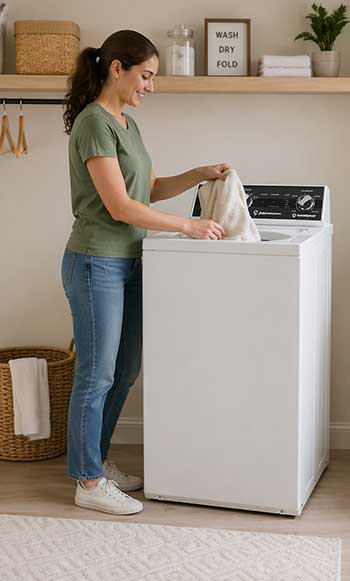
- Built Like An Absolute Tank: Speed Queen builds the TR3 with a commercial-grade stainless steel wash tub and a heavy-duty transmission that the company rates for 25 years of use. That’s not marketing fluff — Speed Queen actually manufactures machines for commercial laundromats, and the TR3 borrows liberally from that DNA. Most residential washers are rated for 10 years at best. You’re getting more than double the expected lifespan in a home appliance.
- Superior Cleaning With A Real Agitator: The full-sized agitator in the TR3 is a genuine differentiator. Impeller machines — which most modern top-loaders use — rely on a low-profile disc to move water around clothes. The agitator in the TR3 physically moves fabric through the water, producing a mechanical cleaning action that loosens soil more effectively. If you deal with heavily soiled work clothes, kids’ clothing, or athletic gear, you’ll notice the difference immediately.
- Simple, Intuitive Controls That Anyone Can Use: You don’t need to read a manual to figure out the TR3. The control dial is straightforward, the cycle labels are self-explanatory, and there are no hidden menus or digital quirks. This is especially valuable if you have older family members using the machine or if you simply want an appliance that doesn’t require a troubleshooting session every time you change a setting.
- Made In The USA With Serious Quality Control: Speed Queen manufactures its machines in Ripon, Wisconsin. That means tighter quality control, domestically sourced components, and a supply chain that doesn’t get disrupted by overseas shipping delays. For a purchase you’re expecting to last 25 years, knowing the machine was assembled with serious oversight matters.
- Low Long-Term Cost Of Ownership: The TR3’s mechanical simplicity means fewer electronic components that can fail. Fewer sensors, fewer circuit boards, fewer software glitches. Repairs, when they do happen, tend to be straightforward — and parts availability is excellent. Over a decade or two, you’ll spend far less on service calls than you would with a complicated modern machine.
- Excellent Warranty: Speed Queen backs the TR3 with a 3-year warranty on parts and labor, which is notably more generous than the 1-year warranties you’ll find on most competing machines. That extra coverage alone is worth something when you’re making a significant appliance investment.
The Cons of The Speed Queen TR3
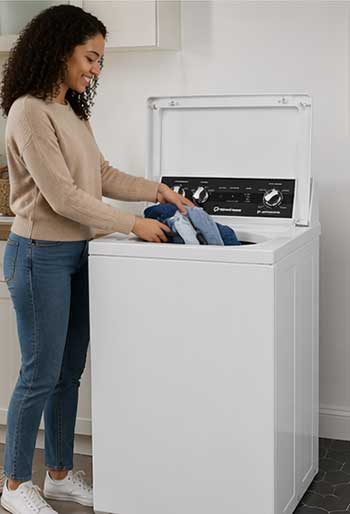
- Higher Upfront Cost: The TR3 retails in a price range that puts it well above budget and mid-range washers. You’re paying for longevity and quality, but the sticker price can be a real barrier for buyers working with a tighter budget.
- Not An HE Machine: The TR3 uses more water per cycle than high-efficiency top-loaders. If water conservation is a top priority — either for environmental reasons or because you pay very high water rates — this is a legitimate drawback.
- Limited Cycle Variety: Some users want steam cycles, sanitize options, or allergen-reduction settings. The TR3 keeps things simple, which is a pro for many people but a con if you specifically need those specialty cycles.
- Agitator Limits Capacity: A full-sized agitator takes up tub space. You won’t fit king-sized comforters or extremely large loads as easily as you might in an impeller machine with a wide-open tub.
- No Smart Features: The TR3 has zero connectivity. No app controls, no remote start, no cycle notifications. If smart home integration matters to you, this machine won’t play along.
- Basic Aesthetics: The TR3 prioritizes function over form. It looks industrial rather than sleek, which may not complement a renovated laundry room designed around a more polished aesthetic.
Maintenance Tips For The Speed Queen TR3
- Clean The Tub Regularly: Run a tub clean cycle — or a hot water cycle with a washing machine cleaner tablet — once a month. Even though the stainless steel tub resists mildew better than plastic tubs, detergent residue and mineral deposits can build up over time and affect wash quality. Products like Affresh work well and are widely available.
- Use The Right Amount Of Detergent: Because the TR3 is not an HE machine, you actually have more flexibility with detergent quantity than you would with a high-efficiency washer. That said, more detergent is not better. Oversudsing can leave residue on clothes and inside the machine. Follow the detergent manufacturer’s guidelines for standard top-loaders and you’ll be in great shape.
- Check And Clean The Lid Seal: Wipe down the lid seal and the top rim of the tub every few weeks. Water and detergent can collect in these areas, leading to grime buildup. A damp cloth does the job — no specialty products required.
- Leave The Lid Open Between Washes: After each use, leave the lid open for an hour or two to allow the interior to air out. This is good practice for any washing machine and helps prevent musty odors from developing in the tub.
- Inspect Hoses Annually: The inlet hoses that connect your washer to the water supply can degrade over time. Check them annually for cracks, bulging, or corrosion around the fittings. Replace rubber hoses every five years proactively, or upgrade to braided stainless steel hoses, which are far more durable and resistant to failure.
- Level The Machine Properly: A properly leveled washer runs more quietly, vibrates less, and puts less stress on the motor and transmission. Use a bubble level on top of the machine after installation and adjust the leveling feet until it’s perfectly balanced. Re-check after the first few washes in case the feet have settled.
- Don’t Overload The Drum: It’s tempting to stuff as much as possible into each load, especially with a generously sized tub. Resist it. Overloading prevents proper agitation, results in poorly cleaned clothes, and puts extra strain on the motor and transmission over time. Fill the tub to about three-quarters capacity for best results.
Comparing Speed Queen TR3 With Other Brands
- Speed Queen TR3 Vs. LG TurboWash 360
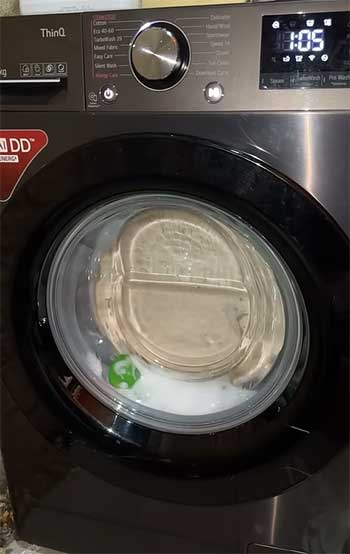
The LG TurboWash 360 is a genuinely impressive machine in its own right.
LG’s TurboWash technology uses multiple spray jets to saturate clothes faster, and the machine claims to complete a full wash cycle in as little as 30 minutes.
If speed is your primary concern and you’re washing lightly soiled everyday clothes, the TurboWash 360 delivers.
But here’s the thing — the LG TurboWash 360 is a technologically complex machine.
More sensors, more electronics, more things that can potentially malfunction. LG’s reliability ratings, while decent, don’t come close to Speed Queen’s track record.
You’re also looking at a machine built primarily for efficiency over deep-cleaning performance.
When you stack the two side by side on long-term durability, the TR3 wins without breaking a sweat. The LG might feel more exciting on day one, but the Speed Queen is the machine you’ll still be talking about on year fifteen.
- Speed Queen TR3 Vs. Crosley Washing Machine
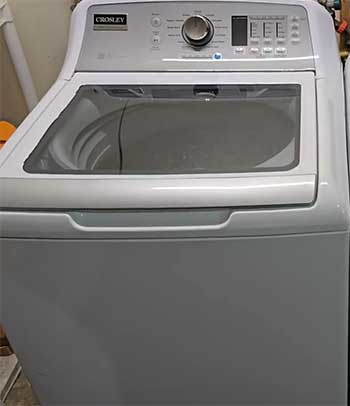
Crosley positions itself squarely in the budget category, and for shoppers working with financial constraints, it fills a real need.
The machines are affordable, widely available, and get the basic job done.
But comparing a Crosley to the TR3 is like comparing a flip phone to a professional-grade device — they both make calls, but the experience and longevity are worlds apart.
Crosley washers use plastic components in key structural areas, which contributes to shorter lifespans and higher long-term repair costs.
The wash performance is serviceable for light household laundry but struggles with heavily soiled loads.
If you’re furnishing a rental property or need a short-term solution, Crosley makes sense. If you’re making a long-term home investment, the TR3’s higher upfront cost pays itself back quickly.
- Speed Queen TR3 Vs. Maytag Stackable Washer And Dryer
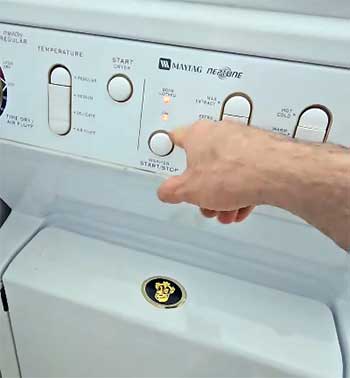
Maytag’s stackable units solve a completely different problem than the TR3 — space.
If you’re working with a small apartment, a closet laundry setup, or a layout that simply can’t accommodate a traditional side-by-side or standalone pair, a Maytag stackable unit makes a lot of logistical sense.
Maytag’s build quality is solid for the category, and the brand has a decent reliability reputation in the mid-range appliance market.
That said, stackable front-loaders — regardless of brand — come with inherent trade-offs. They tend to develop rubber seal mold issues if not maintained diligently, they’re harder to repair in a stacked configuration, and their smaller drum capacities mean more loads per week for a busy household.
The TR3 doesn’t stack, but if your laundry room has the space, it handles larger loads more efficiently and requires far less maintenance attention to stay fresh and clean.
- Speed Queen TR3 Vs. Equator Combo Washer Dryer
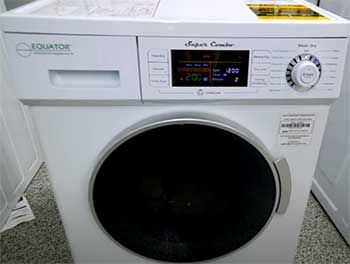
The Equator Combo Washer Dryer is one of the more unique products in the appliance market — a single unit that washes and dries in sequence without transferring clothes between machines.
For people in studio apartments, RVs, or tiny homes where space is at a genuine premium, this kind of all-in-one unit sounds almost too good to be true.
And honestly, it’s a product with real trade-offs. The Equator Combo handles small loads reasonably well, but the drying process in combo units is significantly slower and less effective than a standalone dryer. Large loads are simply beyond its capability.
The wash quality is acceptable for everyday clothes but can’t match the mechanical cleaning action of the TR3’s full agitator. Where the Equator Combo wins is space and convenience for small-footprint living.
Where it loses is on capacity, cleaning performance, and long-term durability. For a typical family home laundry setup, the TR3 isn’t just better — it’s in a different category entirely.
Frequently Asked Questions (FAQ)
The most commonly reported issues include lid latch failures, occasional transmission wear in older models, and water inlet valve problems. These are relatively straightforward repairs and parts are widely available. Overall, Speed Queen washers have among the lowest failure rates in the industry.
The TR7 offers more cycle options, additional temperature settings, and a slightly more sophisticated control panel. The TR3 is the entry-level model with simplified controls. Both share the same core build quality and durability, but the TR7 provides more flexibility for users who want cycle customization.
No, the TR3 does not have a lid lock. You can open the lid mid-cycle, which is a feature many users appreciate for adding forgotten items or checking the wash. This is one area where Speed Queen deliberately differs from competitors who use electronic lid locks.
For long-term durability and commercial-grade build quality, Speed Queen consistently outperforms Maytag in independent reliability surveys. Maytag offers more features and a wider product range at lower price points, but Speed Queen machines typically last significantly longer with fewer repairs.
The Bottom Line
If you want a washing machine that cleans your clothes deeply, lasts for decades, and never makes you read a troubleshooting forum at 11pm, the Speed Queen TR3 is genuinely one of the best investments you can make for your home.
It costs more upfront, but it earns every penny over its lifetime. Stop settling for machines that quit on you in five years — go get the TR3 and be done with it.