
I compared single hung and sliding windows carefully after replacing several units in my own house last year.
You face the same decision when updating rooms or planning a remodel, and the wrong pick leads to higher bills or constant frustration.
This breakdown covers operation, sealing, cleaning, and long-term value so you can match the style to how you actually live.
| Feature | Single Hung Windows | Sliding Windows |
| Opening Direction | Vertical (lower sash moves up) | Horizontal (sashes slide side to side) |
| Ventilation Control | Adjustable from bottom only | Can open fully from one or both sides |
| Cleaning Access | Tilt-in sash common for interior cleaning | Often requires exterior access or special tools |
| Seal Quality | Typically tighter vertical seals | Horizontal tracks can allow more air leakage over time |
| Security | Harder to force open from outside | Easier to lift or pry if locks fail |
| Space Efficiency | Needs vertical clearance for sash travel | Fits wide openings without tall frames |
| Aesthetic Style | Traditional, balanced proportions | Modern, streamlined horizontal lines |
| Maintenance Frequency | Lower track buildup | Higher dirt and debris in bottom track |
| Cost Range (typical) | Moderate, similar to basic double hung | Often slightly lower for large sizes |
| Best Room Fit | Bedrooms, formal living areas | Kitchens, patios, wide wall spans |
Also Read: Is Wallside Windows Worth Your Money?
Key Differences Between Single Hung and Sliding Windows
- Operation And Daily Use

Single hung windows move only the bottom sash upward while the top stays fixed.
You lift the handle or grip the rail and raise it to the desired height, then lock it in place with side latches. Sliding windows move one or both panels left or right along a track.
The motion feels lighter for many people because gravity does not fight the sash the same way.
In my kitchen I preferred the slide action for quick morning air, but in the bedroom the single hung felt more controlled when I wanted just a crack open at night.
- Ventilation Patterns
Single hung units pull air in from the lower half of the opening. Warm air escapes near the top only if you have a separate upper vent or the sash is raised high. Sliding windows create a full-height opening across the width you choose.
You can park the moving sash at any point, so a partial opening still spans the entire height. That difference shows up in rooms with ceiling fans or cross breezes. I noticed better whole-room airflow with the sliders in my living room once I opened them halfway.
- Frame And Sill Design
Single hung frames include a deeper bottom sill to catch the sash when it closes and to manage water runoff. Sliding frames sit lower with a recessed track that runs the full width. The track collects leaves and dust faster.
Water management also differs. Single hung sills usually slope outward more effectively. Sliding sills rely on weep holes that clog if you skip cleaning. After one heavy rain season I spent extra time clearing the slider tracks while the single hung units needed almost none.
- Structural Load And Size Limits
Single hung windows carry the weight of the moving sash on side balances or springs. Larger sizes demand stronger hardware and can feel heavy. Sliding windows distribute weight across the bottom track, so manufacturers offer wider units more easily.
In my project the widest opening went to a sliding pair because a single hung of the same width would have required a heavier frame and thicker jambs. That choice saved wall space and kept the header lighter.
- Lock And Hardware Placement
Single hung locks sit at the meeting rail near the middle height. You reach them easily when the sash is closed. Sliding locks often sit at the outer edge or center of the moving panel.
Some designs use a dual-point system that engages both top and bottom. I found the single hung locks simpler to check at night. The sliding versions needed an extra glance to confirm both ends were secured, especially after kids used them.
Also Read: Is Gilkey Windows Worth Your Money?
Key Features of Single Hung Windows
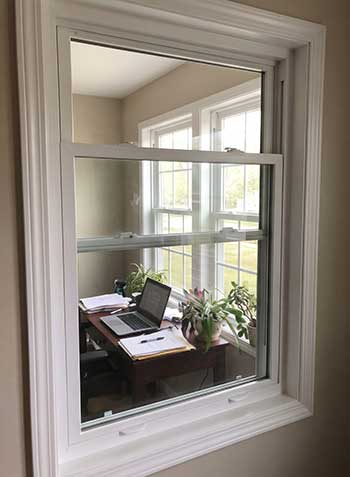
- Fixed upper sash with operable lower sash The top section never moves. Manufacturers glaze it solidly and seal the perimeter once. The lower sash travels on vinyl, fiberglass, or wood balances. Many models include a tilt latch so the sash swings inward for cleaning. That feature alone reduced the time I spent on a ladder. The fixed upper portion also creates a stable sight line that does not shift when you open the window.
- Balance systems and smooth travel Spring or block-and-tackle balances hold the sash at any height. Quality units stay put without drifting. Cheaper versions sag over years. I tested several and kept only those that held position with one hand. The balance mechanism sits inside the side jambs, protected from weather. Occasional lubrication keeps the motion quiet. Most homeowners never touch it if the initial install is correct.
- Meeting rail and weatherstripping A reinforced meeting rail joins the two sashes when closed. Interlocking profiles and compression seals reduce air leakage. Some lines add a secondary sweep at the bottom. The vertical orientation lets gravity help the sash seat tightly against the sill. In cold months I measured smaller temperature differences near these windows compared with older sliding units in the same house.
- Optional tilt and removable sash Tilt-in designs release the sash from the balances so it pivots inward. You clean both sides of the glass from inside. Removable versions lift out completely after you depress side clips. I used the removable style in a second-floor bedroom and avoided exterior ladders entirely. The process takes under a minute once you learn the clips.
- Screen and hardware options Screens mount on the exterior or in a dedicated track. Many single hung models accept full or half screens. Hardware finishes range from white to bronze or black. Cam locks or sweep locks provide the primary security. Some higher lines add night vents that let you crack the sash while the lock still engages.
Pros of Single Hung Windows
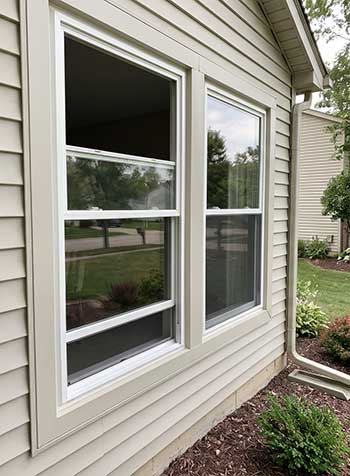
- Stronger long-term seals Gravity and the weight of the sash press the bottom edge firmly against the sill. Weatherstripping compresses evenly. Independent tests and homeowner reports consistently show lower air leakage rates on vertical single hung units compared with horizontal sliders of similar age. In my utility bills the rooms with single hung windows stayed closer to the thermostat setting.
- Easier interior cleaning on tilt models Tilt-in sashes swing fully inside. You reach both glass surfaces without leaving the room. Screens usually stay in place or lift out quickly. I cleaned an entire second-floor set in one afternoon without a ladder. That convenience matters if you have tall ceilings or limited mobility.
- Classic proportions that suit many home styles The balanced upper and lower sections match colonial, craftsman, and traditional elevations. The fixed top sash creates a stable horizontal line at roughly two-thirds height. Designers use that proportion to align with door headers and ceiling details. My exterior looked more cohesive after I matched the single hung units to existing double hung neighbors.
- Better resistance to forced entry in many cases The sash must travel upward against gravity and the balance system. Intruders cannot simply lift the panel the way they sometimes lift a sliding sash off its track. Quality cam locks engage the meeting rail solidly. I added secondary window locks on the bedroom units for extra peace of mind and still found the basic hardware adequate.
- Lower ongoing track maintenance No full-width bottom track collects debris. The sill is open and easy to wipe. Balances stay protected inside the jambs. After two years the single hung windows needed only occasional vacuuming of the sill and a light wipe of the weatherstripping. The sliding units demanded monthly track cleaning.
Also Read: Is Vytex Windows Worth Your Money?
Cons of Single Hung Windows
- Limited maximum opening width The operable area equals only the height of the lower sash. Wide rooms need multiple units side by side to achieve the same clear opening a single sliding window provides. Framing between units adds visual interruption and reduces the panoramic effect. In my dining area I wished for one continuous opening instead of two narrower single hung windows.
- Heavier operation on large sizes Bigger lower sashes weigh more. Even with good balances, lifting a wide vinyl or wood sash requires more effort than sliding a comparable panel sideways. Older adults or children may struggle with units over four feet wide. I helped a neighbor who could no longer raise her single hung kitchen window without assistance.
- Potential for sash drift if balances fail Worn or poorly adjusted balances let the sash creep downward. You must reset it each time or replace the balance. The repair is straightforward but involves removing the sash. I replaced one set of balances after five years when the sash no longer stayed open. Sliding windows rarely have that exact problem.
- Less ideal for very wide architectural openings Designers who want floor-to-ceiling glass or uninterrupted views often prefer sliders or fixed picture windows paired with operating units. Single hung proportions start to look squat when forced into extra-wide frames. My architect recommended sliders for the rear elevation exactly for that reason.
Key Features of Sliding Windows

- Horizontal track system One or two panels ride on nylon or stainless rollers inside a bottom track. The track includes a raised rail or recessed channel. Rollers reduce friction so even large panels move with modest force. I replaced worn rollers on an older unit and restored the original smooth action. The top track guides the panel and keeps it from tipping.
- Meeting stile and interlocking design When closed, the moving panel overlaps a fixed or second moving panel at the center stile. Interlocks and pile weatherstripping seal the joint. Some designs add a secondary lock at the meeting point. The horizontal seal relies more on compression than gravity, so track alignment matters. Misaligned tracks create gaps that I noticed as drafts after several seasons.
- Roller quality and adjustment Better units use sealed ball-bearing rollers that resist dirt. Lower-cost versions use plastic wheels that flatten. Adjustable rollers let you fine-tune height so the panel does not drag. I adjusted mine twice in the first year as the house settled. The adjustment screws sit under removable covers on most frames.
- Drainage and weep system Weep holes along the bottom track drain water that enters during rain. Screens or covers protect the holes from insects. If the weeps clog, water pools and can overflow into the room. Regular vacuuming of the track prevents that. Sliding windows need this maintenance more often than single hung units because the track is fully exposed.
- Multi-panel configurations Manufacturers offer two-panel, three-panel, and four-panel versions. Larger assemblies create wide openings ideal for connecting indoor and outdoor spaces. Pocket versions disappear into the wall. I chose a three-panel slider for a patio wall and gained nearly eight feet of clear opening when fully retracted. The stacked panels store neatly at one end.
Also Read: Is Sunrise Windows Worth Your Money?
Pros of Sliding Windows

- Wide clear openings with minimal framing A single sliding unit can span six, eight, or ten feet. When both panels move, the clear opening reaches nearly the full width. That feature connects indoor living space to patios or decks more effectively than stacked single hung units. I open my living-room slider fully on mild days and the room feels twice as large.
- Lighter operating force for most users Horizontal motion avoids lifting against gravity. Even large panels roll easily on quality rollers. Children and older adults open them without strain. My kids manage the kitchen slider independently while the single hung units in their rooms still need a boost from me.
- Modern, clean lines that suit contemporary homes Horizontal emphasis matches mid-century, modern farmhouse, and current builder styles. The low sill creates an almost seamless transition to outdoor flooring. Designers often pair sliding windows with large fixed panels for dramatic walls of glass. The look updated my 1990s ranch more than traditional single hung units would have.
- Flexible ventilation height You control width but keep full height open. Air enters across the entire vertical plane. That pattern works well with ceiling fans and helps equalize temperature from floor to ceiling. In summer I leave the slider cracked at night and wake to cooler rooms than the single hung bedrooms provide.
- Easier integration with large screen systems Many sliding windows accept full-height screens that roll or slide aside. Some systems include retractable screens that disappear when not needed. The horizontal track aligns naturally with screen tracks. I added a retractable screen to the patio slider and use it daily without blocking the view.
Cons of Sliding Windows
- Tracks collect dirt and require frequent cleaning Leaves, dust, and pet hair settle in the bottom channel. Rollers pick up grit and wear faster. Neglected tracks make the panel stick or jump. I vacuum and wipe the track every two weeks during pollen season. Skipping that step turns a smooth slider into a stiff one within a month.
- Seals degrade faster under repeated use Horizontal weatherstripping compresses and releases with every cycle. Pile seals flatten and interlocking profiles loosen. Air leakage increases sooner than on most single hung units. After four years my original sliding windows showed measurable drafts at the meeting stile while the single hung units remained tight.
- Higher risk of water intrusion if weeps clog Standing water in the track overflows the sill during wind-driven rain. Clogged weep holes are the usual cause. Repair involves clearing the holes and sometimes adjusting the sill slope. Single hung sills shed water more reliably because of their steeper pitch and simpler drainage path.
- Security concerns with track lift-out designs Some sliding sashes can be lifted upward and removed from the track if the anti-lift blocks fail or are missing. Quality units include blocks, but older or budget models do not. I added secondary locks and security film on the ground-floor sliders after reading local break-in reports that mentioned lifted panels.
- Roller replacement becomes necessary Plastic or worn metal rollers flatten and create drag. Replacement kits exist but require partial disassembly. The job is messier than swapping a single hung balance because you work inside the track. I replaced rollers on two units and found the process took longer than expected.
Also Read: Is Thompson Creek Windows Worth Your Money?
Frequently Asked Questions (FAQ)
Neither wins in every situation. Single hung windows usually seal tighter and need less frequent cleaning. Sliding windows open wider and operate with less effort. Choose single hung for bedrooms and formal rooms where efficiency and classic looks matter. Choose sliding for kitchens, family rooms, and any wall where you want a broad connection to the outdoors.
Tracks fill with dirt and demand regular cleaning. Seals and rollers wear faster under daily use. Water can pool if weep holes clog. Some designs allow the sash to be lifted out of the track, creating a security weak point. Wide units also cost more to replace if a roller or track fails.
The opening width stays limited to the lower sash height. Large sashes feel heavy to lift. Balances can fail and let the sash drift closed. Multiple units are required to span wide openings, which adds mullions and reduces the clear view. Tall ceilings or second-story locations make exterior cleaning harder if the sash does not tilt in.
Sliding windows are one type of openable window. Compared with other openable styles such as casement or awning, sliding units excel at wide horizontal spans and easy operation. Casement windows often seal tighter and catch breezes better, yet they project outward and need clearance. Sliding remains the practical choice when you want maximum clear width without swing space.
Final Thoughts
I settled on a mix after living with both styles for more than a year. Single hung windows went into the bedrooms and the front elevation where tight seals and traditional proportions mattered most.
Sliding windows handled the rear living areas where wide openings and easy daily use improved how we use the space. You can follow the same logic.
Measure the openings, note how often you will open each window, and decide whether seal performance or clear width ranks higher for that room. The right combination keeps energy costs reasonable and makes every season more comfortable.