
I’ve spent years keeping my dogs healthy and happy, dealing with the constant worry of fleas, ticks, heartworms, and those sneaky intestinal parasites that can make them miserable.
After trying different options and chatting with my vet, I decided to compare Simparica Trio and Trifexis head-to-head based on my own experiences and what I’ve learned from real-world use.
Let’s have a balanced look at these two popular monthly chewables so you can figure out which one fits your dog’s lifestyle, risks, and your budget better—without the overwhelm.
Right after this intro, here’s a quick side-by-side comparison table to give you the big picture at a glance:
| Feature | Simparica Trio | Trifexis |
| Active Ingredients | Sarolaner, Moxidectin, Pyrantel | Spinosad, Milbemycin Oxime |
| Flea Protection | Kills adult fleas, prevents infestations by killing before eggs laid | Kills adult fleas quickly, prevents infestations |
| Tick Protection | Kills 6 types of ticks (including deer tick that carries Lyme) | No tick protection |
| Heartworm Prevention | Yes, 100% in studies | Yes |
| Intestinal Parasites | Treats roundworms and hookworms | Treats roundworms, hookworms, and whipworms |
| Minimum Age/Weight | 8 weeks, 2.8 lbs | 8 weeks, 5 lbs |
| Administration | Monthly chewable, with or without food | Monthly chewable, best with food |
| Common Side Effects | Vomiting, diarrhea, possible neurologic (rare) | Vomiting (more common), lethargy, itching |
| Approximate Cost | Higher (often $30–$45/month depending on size) | Generally cheaper |
| Best For | Dogs in tick-heavy areas | Dogs needing whipworm control, flea-focused |
What Simparica Trio And Trifexis Actually Do For Your Dog?
I remember the first time I gave my dog a monthly preventive—it felt like such a relief knowing one chew could handle so much.
Both Simparica Trio and Trifexis are oral chewables you give once a month, making life easier than topicals that can rub off or smell weird.
They target multiple parasites in one dose, which is why so many of us reach for them.
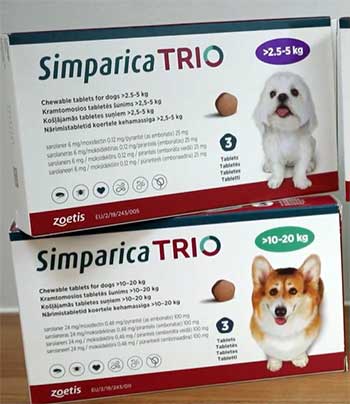
Simparica Trio stands out because it combines three powerful ingredients: sarolaner for fleas and ticks, moxidectin for heartworm prevention, and pyrantel for intestinal worms.
It starts working fast on fleas—often within hours—and kills them before they can lay eggs, breaking the infestation cycle right away. For ticks, it covers six different species, including the ones that hang around in wooded areas or tall grass where my dogs love to explore.
Trifexis, on the other hand, pairs spinosad (a naturally derived flea-killer from soil bacteria) with milbemycin oxime. The spinosad part kicks in super quick—sometimes within 30 minutes—and wipes out adult fleas effectively.
Milbemycin handles heartworm and adds control over whipworms, which many other preventives skip. If your dog has dealt with stubborn whipworm issues before, this one might feel like a targeted win.
Both keep heartworm at bay when given consistently, especially in mosquito-prone seasons. I always test my dogs first and stick to year-round use because one missed dose can open the door to big problems.
Also Read: Differences Between Simparica Trio And Heartgard.
Key Differences Between Simparica Trio And Trifexis

- Parasite Coverage Spectrum: Simparica Trio brings ticks into the mix with six species protected, including the black-legged (deer) tick that transmits Lyme disease. This makes it far more complete for dogs that spend time outdoors in grassy or wooded areas. Trifexis, however, offers no tick protection at all but steps up with reliable control of whipworms, a stubborn intestinal parasite that many other monthly preventives miss. If whipworms have shown up on your dog’s fecal exams, this difference becomes very important.
- Speed of Flea Action: Trifexis often edges out with near-immediate flea killing, sometimes showing results in as little as 30 minutes, which can quickly ease intense itching. Simparica Trio still works fast—usually within a few hours—but puts more emphasis on long-term prevention by stopping fleas from reproducing rather than instant adult knockdown.
- Minimum Weight Requirement: Simparica Trio works for tinier pups starting at just 2.8 pounds, giving you more flexibility with small breeds or very young puppies. Trifexis requires dogs to be at least 5 pounds, which can be limiting if you have a toy breed or a litter of small puppies that need protection early.
- Administration Flexibility: You can give Simparica Trio with or without food, which is a big plus on hectic days when mixing it into meals isn’t practical. Trifexis tends to cause less stomach upset when given with food, so you may need to plan meals around dosing time.
- Ingredient Class and Mechanism: Simparica Trio relies on an isoxazoline-class ingredient (sarolaner) for its flea and tick control, which works on the nervous system of parasites. Trifexis uses spinosad, derived from soil bacteria, paired with milbemycin. Some dogs tolerate one class better than the other, especially if there’s any history of sensitivity.
- Regional Risk Fit: In parts of the country with high tick pressure or Lyme disease concerns, Simparica Trio aligns much better with real-world risks. Where ticks are rare but whipworms are more common due to soil exposure or hunting behaviors, Trifexis can provide more targeted coverage without paying for tick protection you don’t need.
- Cost vs. Breadth Trade-off: Simparica Trio usually costs more per month because it delivers broader external parasite protection. Trifexis often comes in at a lower price, making it appealing if your main worries are fleas and specific intestinal worms rather than ticks.
These differences aren’t just small details—they directly affect how well each product matches your dog’s daily life and your local environment.
Key Features of Simparica Trio
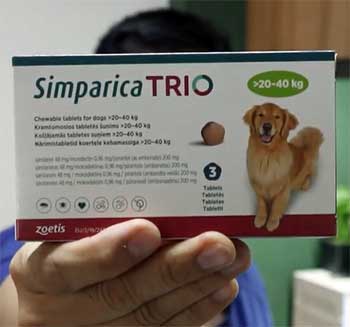
- Broad tick coverage that includes protection against Lyme disease transmission by killing the deer tick vector fast.
- Prevents flea populations from exploding in your home by stopping egg-laying early.
- Treats and controls roundworms and hookworms, common in puppies or dogs that dig or eat things they shouldn’t.
- Liver-flavored chew that most dogs gobble up willingly, even without food mixed in.
- Suitable for very small puppies starting at just 2.8 pounds, which came in handy for my littlest one.
- One chew handles fleas, ticks, heartworm, and two key intestinal parasites—true convenience when you’re juggling a busy schedule.
In my experience, the tick-killing power gives real peace of mind during hikes or backyard play in warmer months. It feels proactive rather than reactive.
Also Read: Differences Between Simparica Trio And Interceptor Plus.
Pros of Simparica Trio
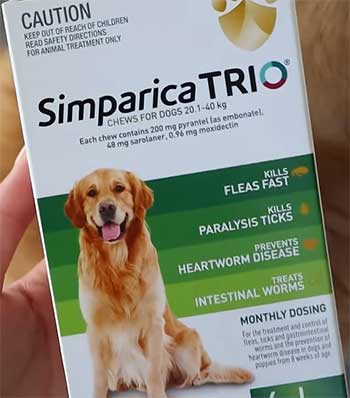
- Comprehensive all-in-one action that covers fleas, six species of ticks, heartworms, roundworms, and hookworms in a single monthly chew, which greatly reduces the need for multiple separate products and simplifies your routine.
- Strong tick-killing ability across multiple species, including the deer tick that carries Lyme disease, giving you confidence when your dog explores wooded trails, tall grass, or dog parks where ticks are common.
- Starts impacting fleas within hours and stops them from laying eggs early, which helps prevent full-blown infestations in your home and keeps carpets and furniture cleaner over time.
- Lower minimum weight requirement of 2.8 pounds makes it suitable for tiny puppies and small-breed dogs that might not qualify for other options yet.
- Generally well-accepted liver-flavored chew that most dogs eat willingly, even when given alone without hiding it in food.
- Proven heartworm prevention with high effectiveness rates in studies, providing reliable protection during peak mosquito season.
- Indirectly helps prevent flea tapeworm transmission by quickly eliminating the fleas that carry those tapeworm eggs.
- Convenient for active, outdoor-loving dogs because it handles both internal and external threats without needing extra tick sprays or collars in high-risk seasons.
- Offers flexibility in administration since it can be given with or without food, fitting easily into busy schedules.
I appreciate how it simplifies my routine—no extra tick collar or spray needed in high-risk seasons, and I feel more prepared when we head out for adventures.
Cons of Simparica Trio
- Higher price point compared to many alternatives, which can add up significantly over a full year, especially for larger dogs or multi-dog households.
- Does not cover whipworms, so if that particular parasite has been a recurring problem for your dog, you may still need additional treatment or a different preventive strategy.
- Belongs to the isoxazoline class, which in rare cases has been associated with neurologic signs such as tremors, seizures, or unsteady gait, particularly in dogs with a history of seizures or certain breed sensitivities—always worth discussing with your vet.
- Occasional vomiting or diarrhea can occur, though these side effects are usually mild and pass quickly.
- The added breadth of protection comes at a premium cost, which might feel unnecessary if you live in a low-tick area and don’t need that level of coverage.
- Requires strict monthly consistency; any gaps in dosing can leave your dog vulnerable to heartworms or fleas, just like with any preventive.
Key Features of Trifexis

- Rapid flea knockdown that can bring relief to itchy dogs faster than some alternatives.
- Added whipworm treatment and control, which fills a gap if your area or your dog’s habits increase exposure to that specific parasite.
- Beef-flavored tablet that dogs often accept well when given with meals.
- Solid heartworm prevention paired with roundworm and hookworm control.
- Derived partly from natural bacterial sources for the flea component, which appeals if you prefer options with that background.
- Effective at breaking flea life cycles when used monthly without gaps.
I’ve seen friends swear by how quickly it calms flea-related scratching, especially in households where one infested dog can spread misery fast.
Also Read: Differences Between Simparica Trio And Bravecto.
Pros of Trifexis
- Faster initial flea kill time that can bring noticeable relief to dogs suffering from heavy flea bites and intense itching, sometimes within 30 minutes of dosing.
- Includes effective whipworm treatment and control, filling an important gap that many other monthly preventives overlook, especially useful for dogs that dig, hunt, or live in areas with contaminated soil.
- Often lands at a more affordable monthly cost, making it easier on the wallet for long-term, year-round use without stretching your budget.
- Uses spinosad, which comes from natural bacterial fermentation, giving some owners a sense of using a product with a more natural origin for the flea-killing component.
- Delivers solid broad coverage against heartworms, fleas, roundworms, and hookworms all in one convenient dose.
- Beef-flavored tablet that pairs well with meals, improving acceptance for picky eaters when given during feeding time.
- Good track record for preventing flea reinfestations when given consistently every month, helping keep your home environment under control.
- Can be a simpler choice if ticks are not a major concern in your region, letting you focus protection exactly where your dog needs it most.
For dogs without heavy tick exposure, it delivers solid value without overkill.
Cons of Trifexis
- Complete lack of any tick protection means you will likely need a separate tick preventive in most parts of the country, which adds extra steps, cost, and complexity to your parasite control plan.
- Higher reports of vomiting compared to some alternatives, sometimes requiring you to give the dose with extra food or even split it across meals to reduce stomach upset.
- Starts at a higher minimum weight of 5 pounds, which can limit its use for the smallest puppies or toy breeds that need protection at a younger or lighter stage.
- Does not emphasize prevention of flea egg and larvae stages in the same proactive way as some other products, so heavy environmental infestations may still require additional home treatments.
- Some dogs experience lethargy, itching, or decreased appetite after dosing, which can be concerning even if temporary.
- If tick pressure increases in your area over time, you may need to switch products or add another layer of protection, making long-term planning a bit less straightforward.
My Take on Choosing Between Simparica Trio And Trifexis

From my perspective, neither is universally “better”—it depends on where you live and what your dog encounters.
I switched to Simparica Trio when we moved to an area with more wooded trails because the tick coverage gave me confidence during long walks.
My dog stayed energetic without the itching or weird symptoms some friends reported with other options.
But if ticks aren’t a big deal in your backyard and whipworms have shown up in past fecal tests, Trifexis might save you money while hitting the exact threats.
Talk to your vet about your dog’s age, weight, health history, and local parasite risks. They can run tests and tailor advice.
I always start with a heartworm test and keep records of any reactions.
Consistency matters more than brand—missing doses opens doors to preventable issues.
In the end, both products represent smart advances in convenience, but your dog’s unique profile decides the winner. Weigh the coverage you actually need against cost and tolerability. For many of us, that means Simparica Trio when adventure takes us into tick territory, or Trifexis when fleas and certain worms top the list.
Also Read: Differences Between Simparica Trio And NexGard Plus.
Frequently Asked Questions (FAQ)
It depends on your dog’s needs. Simparica Trio is often better if ticks are a concern due to its broad tick coverage. Trifexis shines when whipworm protection is priority and ticks are minimal in your area.
Veterinarians recommend options based on individual dog risk, but products like Simparica Trio frequently come up for comprehensive flea and tick control in tick-prone regions because of its multi-species coverage and convenience.
Vets often recommend it for its all-in-one protection against heartworms, fleas, multiple ticks, and intestinal parasites, plus its effectiveness and ease of monthly dosing in one palatable chew.
Trifexis is generally cheaper on a monthly basis, though exact prices vary by dog size, location, and retailer. Simparica Trio’s added tick protection often justifies the higher cost for many owners.
Final Thoughts
I’ve covered a lot here from my own analytical lens—balancing features, real-user experiences, and practical trade-offs. Choosing the right preventive keeps your dog thriving without constant worry.
Consider your local risks, chat with your vet, and pick what aligns best with your routine and budget. Your furry friend will thank you with more zoomies and fewer vet visits.