
You know that feeling when your yard looks more like a dirt patch than a lawn? I was there last spring, embarrassed every time neighbors walked by.
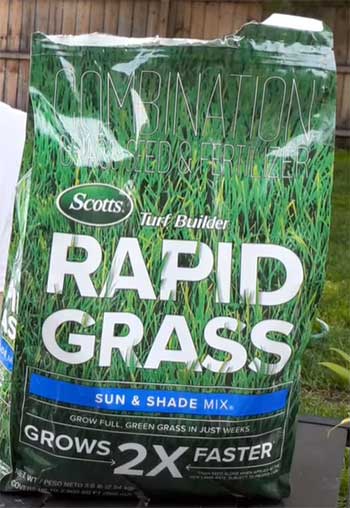
Then I tried Scotts Turf Builder Rapid Grass Sun & Shade Mix, and everything changed fast.
It gave me thick, green grass in weeks, not months. If you want quick results without endless waiting, this is the product you need. Trust me, you’ll love stepping out to a lawn that finally looks alive.
My Hands-On Experience With Scotts Rapid Grass
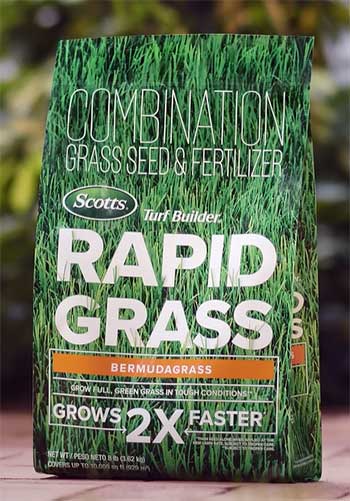
Last year, my front yard was a mess.
Bare spots everywhere from the dog running laps, plus some shady areas under trees that never filled in no matter what I tried before.
I decided to give Scotts Rapid Grass a shot after seeing it at the store.
The bag promised green grass in just weeks, and I figured why not.
I started by raking out the dead stuff and loosening the soil a bit.
Nothing too intense – just enough to give the seeds a good home.
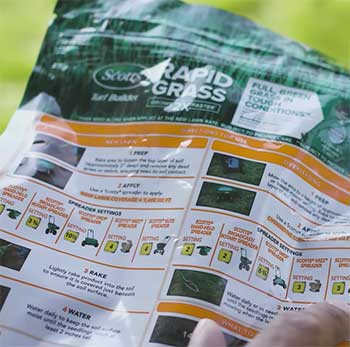
I used a spreader to lay it down evenly across about 1,000 square feet.
The mix has fertilizer built right in, so those little pellets spread out nicely with the seeds. I raked it lightly to cover everything, then watered gently that first day.
The waiting began. I committed to watering every morning, keeping the topsoil moist but not soaked. By day five, I spotted tiny green sprouts poking through.
You can’t imagine how exciting that was. By day ten, patches were turning into real grass blades. Around week three, my yard looked completely different – fuller, greener, with most bare spots gone.
In the sunny parts, it exploded. Thick and vibrant, almost like it was showing off. The shaded areas took a little longer but still filled in decently. I mowed for the first time at about four inches tall, and it felt so satisfying. Neighbors even asked what I did because the change was that noticeable.
Of course, it wasn’t perfect magic. I had to stay on top of watering, especially those first couple weeks. One hot stretch made me worry, but consistent light watering pulled it through.
Now, months later, the lawn holds up well with regular care. It’s not flawless – a few thin spots remain in deep shade – but compared to the eyesore before, it’s night and day. I feel proud of my yard again, and that’s priceless.
The Pros of Using Scotts Rapid Grass
- Incredible Speed of Growth
The standout feature for me is still the sheer speed.
Regular grass seed can leave you staring at bare dirt for a month or more, but Scotts Rapid Grass changes the game.
I saw those first tiny green spears pushing through in just five to seven days, and by the end of week three, I had a lawn that actually looked like a lawn.
This quick turnaround comes from the smart blend—they mix fast-germinating perennial ryegrass with tougher, longer-lasting varieties like tall fescue.
If you’re impatient like I am, or you have an event coming up and need the yard to look decent fast, this speed alone makes it worth choosing.
- Superior Coverage and Thickness
Once it gets going, the density is impressive. My yard went from sad, thin patches to a thick carpet that felt great underfoot. The built-in starter fertilizer gives every seed a strong head start, so roots establish quickly and blades fill in tightly.
I noticed way fewer weeds popping up in the early weeks because the new grass simply outcompeted them. You end up with that plush, professional-looking lawn that makes neighbors slow down when they walk past.
- Ease of Application for Beginners
I love how approachable this product is, even if you’ve never seeded a lawn before. Everything you need—seed plus fertilizer—is in one bag, so no guessing about ratios or separate purchases. I used my old broadcast spreader, scattered it evenly, raked it in lightly, and that was it.
No complicated steps, no special tools required. If you’re nervous about tackling lawn repair yourself, this makes the whole process feel manageable and forgiving.
- Versatility Across Different Conditions
The Sun & Shade mix really does perform across a range of light conditions. My yard has blazing afternoon sun in the front and dappled tree shade in parts of the back, and the grass handled both reasonably well.
The blend includes shade-tolerant fine fescues alongside sun-loving types, so you don’t have to buy separate products for different areas. It’s flexible enough that one bag covered my mixed yard without major weak spots.
- Long-Lasting Green Color
From the moment it sprouted, the color was a deep, rich green that stayed vibrant for months. That initial fertilizer boost creates healthy blades right away, and with basic ongoing care, the color holds up through the season.
I got compliments on how “golf-course green” my lawn looked, which felt great after years of struggling with dull, patchy grass.
These advantages make it stand out when you want fast, noticeable improvement.
The Cons I Encountered With Scotts Rapid Grass
- Demanding Water Requirements Early On: The biggest commitment is the watering schedule those first few weeks. You absolutely cannot slack off—soil needs to stay consistently moist, which meant I was out there every morning and sometimes evening during hot spells. One day I got busy and skipped, and I noticed weaker germination in a couple spots. It’s not impossible, but it does require discipline, especially if your schedule is packed or you travel.
- Higher Cost Compared to Basic Seeds: There’s no denying it’s more expensive than plain grass seed or generic mixes. You’re paying premium for the fertilizer coating, the specific blend, and the promise of faster results. For my 1,000-square-foot area, the bag added up quicker than I expected. If you’re covering a huge yard or on a tight budget, that price jump can sting, even if the results justify it for many of us.
- Risk of Patchy Results in Tough Spots: It isn’t foolproof in every condition. In my deepest shade under a big oak and in one compacted corner, coverage stayed thinner than the rest. I ended up doing small touch-up seeding there later. Your soil quality, drainage, and light exposure all play a role—if conditions aren’t ideal, you might not get perfectly even results on the first try.
- Inclusion of Annual Ryegrass in Some Mixes: Part of the rapid green-up comes from annual ryegrass, which sprouts super fast but isn’t as perennial or heat-tolerant as the other varieties. During an intense summer heat wave, I saw some thinning where the annual portion struggled. It recovered with overseeding and care, but it does mean the lawn isn’t completely “set it and forget it”—you’ll likely need occasional maintenance to keep it thick year after year.
- Potential for Overgrowth If Not Mowed Timely: Because it grows so aggressively at first, if you let it get too tall before that initial mow, it can look a little wild and stress the young plants when you finally cut. I waited a day too long once and noticed some clumping. It’s a minor thing, but worth staying on top of.
These drawbacks are manageable, but they’re worth knowing upfront.
Also Read: Is CitraBlue Grass Worth It?
Keeping Your Rapid Grass Lawn Thriving
- Establishing a Solid Watering Routine: Watering is everything in the beginning. I watered lightly twice a day if it was hot, just enough to keep the top inch moist. Once sprouts appeared, I cut back to once daily. After about four weeks, when the grass hit three inches, I switched to deeper, less frequent watering to encourage roots. You want to avoid drowning it but never let it dry out completely early on.
- Mastering Your First Mows: Wait until the grass reaches about four inches before that first mow. I set my mower high and only took off the top third. Sharp blades are key – dull ones tear the young grass. Mow regularly after that, never removing more than a third at a time. This keeps it thick and healthy.
- Feeding for Continued Growth: The starter fertilizer helps a lot, but you’ll need follow-ups. I applied a balanced lawn food about six weeks after seeding. In fall, I used one with higher nitrogen for green-up. You don’t want to overdo it, but consistent feeding keeps the color rich and growth strong.
- Controlling Weeds and Pests Naturally: Early on, the dense growth helps crowd out weeds. I hand-pulled any that appeared. Once established, I spot-treated with safe products. Watch for grubs or other pests – healthy grass resists better, but catch issues early.
- Adjusting Care Season by Season: In spring, focus on overseeding thin spots. Summer means deeper watering during heat. Fall is prime for fertilizing and aerating if needed. Winter, just clean up leaves. You adapt based on your climate, but the grass responds well with attention.
- Soil Testing and Amendments: I tested my soil pH after the first season and adjusted with lime because it was acidic. Good soil makes all the difference long-term. You build on that rapid start with smart ongoing care.
Following these steps turned my quick fix into a lasting lawn.
How Scotts Rapid Grass Stacks Up Against Other Brands?
- Facing Off with Pennington Smart Seed
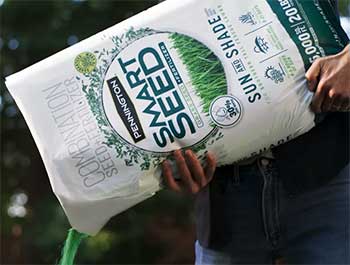
Pennington emphasizes drought resistance with their Smart Seed line.
Their coatings help seeds retain water, which is great if watering is tough for you.
I found Scotts gave me faster initial growth thanks to the heavier fertilizer load.
Pennington filled in more evenly in dry spells, but Scotts won on speed and thickness early on. You choose based on whether quick green-up or water savings matters more.
- Compared to Jonathan Green Black Beauty
Jonathan Green focuses on premium tall fescue blends with deep roots. Their grass often looks darker and more uniform long-term. I respect the quality, but it germinates slower. Scotts provided that instant gratification I needed.
If you’re patient and want elite durability, Jonathan Green edges out, but for rapid repair, Scotts takes it.
- Versus Vigoro Options from Home Depot
Vigoro is the budget choice, often cheaper per bag. It works fine for basic overseeding, but lacks the fertilizer punch. My past tries with Vigoro took longer to establish. Scotts costs more but saves time and effort with built-in feeding.
You get what you pay for in speed.
- Taking on Generic Contractor Mixes
Those big bulk bags at supply stores are cheap and cover huge areas. They germinate okay but often include filler. I used one years ago and got thin, weedy results. Scotts delivers consistent quality and faster density. For serious results, the premium mix justifies the price.
Overall, Scotts shines when you prioritize speed and ease.
Also Read: Is Scotts Thick’R Lawn 3-in-1 Worth It?
Frequently Asked Questions (FAQ)
Yes, it absolutely works and delivers impressive results for most users, including me, as long as you prep the soil properly and stay committed to watering. The combination of seed and fertilizer gives it that extra boost for fast, thick growth. Just keep expectations realistic—success depends on your conditions, but when done right, you’ll see a noticeable transformation.
You can expect initial sprouts in as little as 6-14 days, depending on temperature and moisture. For fuller, greener coverage that looks like a real lawn, it typically takes 3-4 weeks with consistent care. The revolutionary mix helps it grow up to 2x faster than regular seed alone.
It’s a proprietary blend designed for sun and shade, usually including fast-germinating perennial ryegrass for quick green-up, along with creeping red fescue, chewings fescue, and Kentucky bluegrass for long-term durability and shade tolerance. This mix creates a resilient, versatile cool-season lawn that returns year after year.
Start by raking the area to loosen the top couple inches of soil and remove debris. Spread the mix evenly using a broadcast spreader at the recommended rate, then lightly rake it in for good seed-to-soil contact. Water gently but consistently—often twice a day at first—to keep the soil moist until the grass establishes, which is the key to success.
Wrapping It Up: Go For Scotts Rapid Grass
Looking back, using Scotts Rapid Grass was one of my best lawn decisions. It turned my embarrassing yard into something I enjoy every day. You deserve that same transformation – quick, reliable, and rewarding. Don’t wait seasons for results.
Pick up Scotts Rapid Grass, follow the steps, and watch your lawn come alive. You’ll thank yourself every time you step outside.