
When I started shopping for a new air conditioner and heat pump for my house, the quotes kept pitting Ruud against Goodman.
Both brands showed up often in local bids, and I wanted clear answers on reliability, efficiency, comfort, and long-term costs before committing thousands of dollars.
In this article, I share my detailed comparison based on real-world features, performance, and what actually matters when you live with the system every day. You will walk away knowing exactly which one suits your priorities.
| Aspect | Ruud | Goodman |
| Positioning | Mid-tier, reliable performer | Budget-friendly entry-level |
| Efficiency (SEER) | Up to 20+ in premium lines | Up to 24+ in top models, strong value |
| Build Quality | Robust, durable construction | Solid but simpler |
| Warranty (typical) | Strong parts, lifetime on some exchangers | Lifetime compressor on many models |
| Noise Levels | Very quiet with sound features | Quiet but varies by model |
| Smart Features | EcoNet compatibility in higher tiers | Basic, fewer advanced options |
| Best For | Balanced performance & longevity | Tight budgets wanting value |
| Typical Installed Cost Range | $4,500 – $11,000+ | $3,000 – $8,000 |
Why I Compared Ruud And Goodman In The First Place?
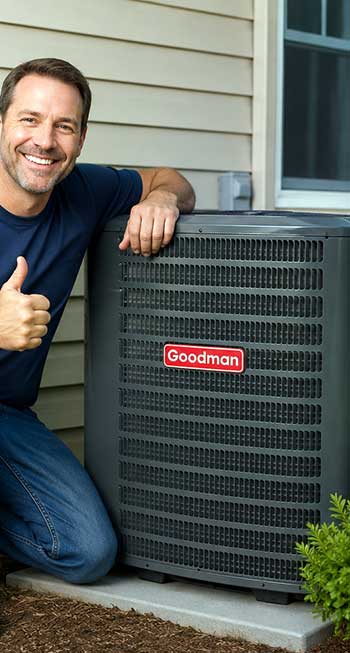
I live in a region with hot summers and cold winters, so I needed a system that handles both cooling and heating efficiently without spiking my utility bills every month.
The decision felt overwhelming at first because HVAC represents one of the biggest home investments you make.
Ruud and Goodman kept appearing because installers stock them heavily and recommend them for different reasons.
I spent weeks reading owner experiences, talking directly with service technicians who work on both brands daily, and reviewing technical specifications side by side.
I also considered my own past systems that had failed too early or run inefficiently.
Both brands deliver dependable HVAC performance, but they target slightly different users.
Ruud feels like the steady, well-built option you set and forget for years.
Goodman shines when you want maximum bang for your buck without overpaying for extras you might not use.
The more I learned, the more I realized that brand choice alone does not guarantee success. Proper sizing, quality installation, and matching indoor and outdoor components play huge roles.
Still, understanding the real differences between these two helped me narrow my options and ask better questions at every quote meeting.
Key Differences Between Ruud And Goodman
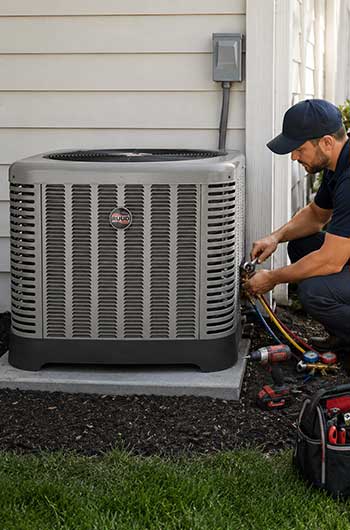
- Ruud often edges out in overall build robustness and smart home integration capabilities, while Goodman wins clearly on upfront affordability and the length of compressor warranty protection.
- Efficiency feels more refined and consistent in Ruud’s variable-speed setups for everyday comfort; Goodman delivers strong efficiency numbers but sometimes through a more straightforward package that prioritizes value.
- Noise and vibration control generally tilt toward Ruud in their premium lines, creating a noticeably quieter indoor environment.
- Long-term ownership costs can vary—Ruud may save money on service calls due to its durable construction and easier access design, while Goodman often saves significantly on the initial purchase price and some replacement parts.
- Availability of advanced features like full app-based control, energy reporting, and better zoning compatibility favors Ruud slightly for tech-savvy homeowners.
- Both brands handle heat pump configurations well, but Ruud’s reputation for balanced all-season performance stands out more strongly in regions with mixed hot summers and cold winters.
- Parts availability remains good for both, yet Goodman’s simpler design sometimes means technicians complete repairs faster on average.
- Aesthetic finishes and cabinet strength appear more polished on Ruud units, though this matters less once the system is installed outside.
- Humidity management during shoulder seasons tends to perform better with Ruud’s two-stage and variable options.
- Resale value of the home might benefit slightly more from a Ruud installation in markets where buyers research brands carefully.
These differences show up most when you live with the system month after month. I prioritized even temperatures, lower maintenance headaches, and predictable energy costs in my own evaluation.
Key Features of Ruud HVAC Systems
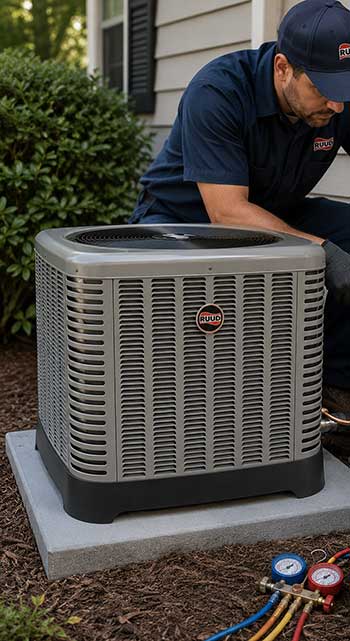
- PlusOne Service Features: Ruud designs units with expanded valve space and triple service access panels. This makes maintenance and repairs faster and cheaper over time because technicians reach components easily without tearing apart the whole cabinet. In practice, this can cut service time significantly during annual tune-ups or unexpected issues.
- EcoNet Smart Technology: Higher-end models connect seamlessly to smart thermostats and mobile apps for remote control, detailed energy monitoring, zone management, and proactive alerts. You adjust settings from your phone when you are away on vacation or notice unusual patterns in usage that might signal a problem.
- Variable and Two-Stage Compressors: These ramp up or down smoothly instead of blasting full power constantly. The result is steadier room temperatures from one end of the house to the other, superior humidity control during muggy summers, and noticeably lower energy bills compared to older single-stage units.
- Quiet Operation: Sound-dampening features, specially designed fan blades, and insulated cabinets keep noise low, often around 70 dB or below in premium units. You notice the difference on quiet evenings when the system runs without disturbing conversations or sleep.
- Durable Cabinet and Coils: Strong construction with robust materials resists corrosion and harsh weather. Many models use enhanced coils for efficient heat transfer even in extreme temperatures or humid environments that typically challenge lesser units.
- High SEER Ratings: Ultra series reaches 20 SEER or more, translating to real savings on summer electric bills that add up quickly over a decade of ownership.
- Advanced Airflow Design: Improved blower motors and configurations move air more efficiently through your ductwork, reducing strain on the system and improving overall indoor air circulation.
- Corrosion-Resistant Components: Special coatings and materials protect against rust in coastal or high-humidity areas, extending the life of the outdoor unit significantly.
I appreciate how Ruud balances these features without unnecessary complexity. When I tested a similar setup in a friend’s home, the even cooling across multiple rooms and floors stood out immediately compared to single-stage units I had lived with before. The system maintained consistent comfort even during peak summer heat waves.
Pros of Choosing Ruud
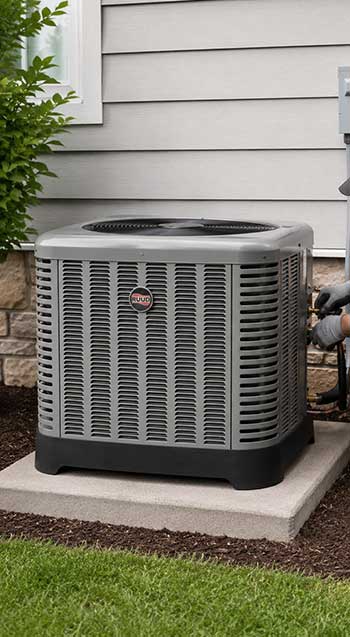
- Excellent balance of reliability and efficiency that holds up over 15-20 years with proper care and annual service.
- Quiet operation makes it ideal for bedrooms, home offices, or any homes where system noise matters to your daily comfort.
- Smart features like EcoNet let you optimize energy use in real time, track patterns, and receive maintenance alerts before small issues become expensive problems.
- Strong construction and corrosion resistance perform well in humid, coastal, or extreme weather areas where other units might degrade faster.
- Good dealer support and parts availability through the established Rheem family network.
- Two-stage and variable-speed models reduce humidity effectively, which improves indoor air quality, reduces mold risk, and makes the house feel more comfortable at higher thermostat settings.
- Attractive warranties on parts and labor when you register the system and use professional installation.
- Consistent performance in both straight AC and heat pump setups across varying outdoor temperatures.
- Better airflow management that helps existing ductwork perform more efficiently.
- Overall reputation for fewer callbacks after installation compared to some budget competitors.
Cons of Choosing Ruud
- Higher upfront cost than basic Goodman models, which can stretch budgets if you are replacing multiple components at once.
- Some of the best premium features only appear in higher-tier lines, so you pay more to access the full range of capabilities.
- Not always the absolute highest SEER rating in every single category when compared against specialized ultra-premium brands.
- Slightly more complex internals may require specifically trained technicians for certain advanced repairs, though this is becoming less of an issue as more installers gain experience.
- Availability can sometimes be more limited than Goodman in certain rural areas.
From my viewpoint, these cons feel manageable if you plan to stay in your home long-term and value consistent comfort over the lowest possible initial price.
Key Features of Goodman HVAC Systems
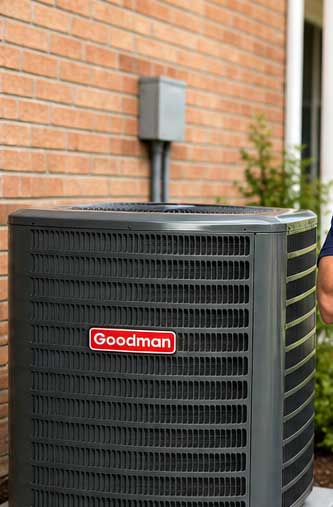
- Lifetime Compressor Warranties: Many models include this standout coverage that protects the most expensive part of the system for as long as you own the home. It gives real peace of mind knowing the heart of the unit stays protected for decades under normal use.
- High-Efficiency Options: Top units hit impressive SEER ratings, often matching or beating pricier brands on paper for cooling output per energy dollar spent.
- Simple, Serviceable Design: Techs love working on them because parts are straightforward and accessible. This can mean lower labor costs during repairs and faster turnaround times when something needs attention.
- Affordable High-Performance Models: You get access to two-stage or variable-speed options without jumping to luxury brand pricing levels that can add thousands to the project.
- Strong Heat Exchanger Tech: Furnaces feature durable designs built specifically for long life and reliable heat delivery during cold months.
- Broad Availability: Easy to find replacement parts and qualified installers almost anywhere in the country, which reduces downtime if service is ever needed.
- Consistent Cooling Capacity: Even entry-level models deliver strong performance in standard home applications, making them practical for many average-sized residences.
- Flexible Matching Options: Goodman offers good compatibility with various indoor air handlers and furnaces, allowing installers to customize the complete system to your existing ductwork.
Goodman keeps things practical and focused on delivering core performance. In my research, owners frequently mention solid everyday performance without drama, especially when the system receives proper professional installation and regular maintenance.
Pros of Choosing Goodman
- Lower purchase price lets you invest more money into professional installation, upgraded duct sealing, or additional indoor air quality components.
- Lifetime compressor warranty on many units provides outstanding long-term protection on the most critical and expensive part.
- High SEER models deliver solid energy savings without the premium markup you see from luxury brands.
- Simple design means easier and often cheaper servicing over the years, with technicians completing jobs more quickly.
- Proven track record of reliability when installed correctly—many units continue running efficiently well past 20 years.
- Wide model range covers everything from basic reliable single-stage systems to advanced variable-speed options.
- Strong value for first-time homebuyers, growing families on budgets, or rental properties where cost control matters.
- Good performance in moderate climates with efficient cooling in summer and dependable heating through winter months.
- Easy parts sourcing that keeps repair timelines short even years down the road.
- Flexible configurations that work well with many existing home setups without major modifications.
Cons of Goodman
- Basic features in entry-level models sometimes lack the refinement and comfort consistency of higher-end variable-speed systems.
- Build quality feels more functional than rugged in direct side-by-side comparisons with premium competitors.
- Fewer smart connectivity options available right out of the box without adding third-party components.
- Reputation sometimes suffers from its budget-friendly positioning, even though real-world performance holds up very well for most users.
- May need extra careful matching with indoor components to reach peak efficiency numbers.
- Slightly higher noise levels possible in some base models during peak operation.
- Less emphasis on advanced corrosion protection in standard lines compared to Ruud.
I see Goodman as a smart practical pick when budget represents the top concern but you still want dependable cooling, heating, and solid warranties backing your investment.
Which One Should You Choose?
After weighing everything carefully, I lean toward Ruud if your budget allows the extra investment because the refinement in comfort, quieter operation, and smart features genuinely improves daily life inside the home.
You feel the difference every time you walk into evenly cooled rooms without hot spots or excessive humidity.
However, Goodman makes a fantastic choice when you want to save substantial money upfront and still receive reliable year-round performance backed by strong warranties. Many families achieve excellent results with Goodman systems for years when they focus on quality installation.
The decision comes down to your specific home size, local climate, current energy rates, and how long you plan to stay in the property. Get multiple detailed bids from reputable local installers who perform proper load calculations.
Ask plenty of questions about maintenance requirements, expected lifespan, and total costs including electricity over ten years. Remember that proper installation matters more than the brand name itself—always prioritize experienced contractors who stand behind their work.
Also Read: My Experience With Heil Heat Pump.
Frequently Asked Questions (FAQ)
It is a guideline where you multiply the age of your current system (in years) by the repair cost. If the result exceeds $5,000, replacing the unit usually makes more financial sense than repairing it.
Yes, Ruud earns a solid reputation as a reliable mid-tier option with good efficiency, quiet operation, and strong durability for most homes.
Brands like Trane, Carrier, and American Standard often top reliability lists, but Ruud and well-installed Goodman also deliver excellent real-world performance.
Carrier, Trane, and Mitsubishi frequently rank high for heat pumps, with Ruud and Daikin/Goodman group offering strong value and reliability depending on your climate.
Final Thoughts
In the end, I hope this comparison gives you the clarity I was searching for when I faced the same choice. Both Ruud and Goodman can serve you well for many years when you match the right model to your needs and install it properly.
Take your time with research, talk to multiple professionals, and focus on what will deliver reliable comfort in your daily life. You will thank yourself every single day when you walk into a perfectly cooled or heated home that runs efficiently season after season.