
I decided to write this piece after spending months researching and comparing garage floor coatings for my own space.
My purpose here is to break down Rustoleum RockSolid against EpoxyShield so you can see exactly how they stack up in real use, from durability and application to long-term performance, helping you pick the right one without wasting money or time on the wrong kit.
| Feature | RockSolid (Polycuramine) | EpoxyShield |
| Technology | Proprietary Polycuramine blend | Traditional two-part epoxy |
| Strength Claim | 20 times stronger than regular epoxy | 5 times stronger than one-part epoxy |
| Solids Content | Around 96% | Around 52% |
| Finish | High gloss (often >95) | Gloss to semi-gloss |
| Walk-On Time | 8–10 hours | Longer, typically next day |
| Drive-On Time | 24 hours | About 3 days |
| Application Temp | 40–90°F | Usually 60–85°F |
| Chemical Resistance | Excellent (oil, gas, salt, antifreeze) | Good but less robust |
| Hot Tire Pickup Resistance | Strong | Moderate, can fail over years |
| VOC Level | Very low to near zero | Low |
| Typical Kit Cost | Higher | More budget-friendly |
| Warranty | Limited lifetime (with proper prep) | Standard product warranty |
| Best For | Heavy use, long-term durability | Lighter traffic, tighter budgets |
Key Differences Between RockSolid and EpoxyShield
- Chemistry and formulation RockSolid uses a proprietary Polycuramine system that blends multiple resin chemistries into one coating. This creates a denser, more flexible film that resists cracking under temperature swings and heavy loads. EpoxyShield sticks to a classic two-part epoxy formula, either water-based or solvent versions depending on the kit. The difference shows up in everyday wear: RockSolid forms a tighter molecular structure that shrugs off impacts better, while EpoxyShield relies more on thickness and proper curing for its strength. If your garage sees constant vehicle movement or tool drops, the chemical makeup of RockSolid gives it a clear edge in staying intact over years.
- Solids content and film thickness RockSolid packs roughly 96 percent solids, meaning almost everything you pour ends up as actual coating on the floor rather than evaporating solvents. This produces a thicker, more substantial film in a single application. EpoxyShield sits closer to 52 percent solids, so a larger portion of the mix leaves the surface as it dries. The practical result is that RockSolid builds a tougher barrier faster and with fewer coats in most cases. You feel the difference when you walk across a finished floor: RockSolid has a denser, more substantial feel underfoot.
- Cure speed and return-to-service time With RockSolid you can usually walk on the floor in eight to ten hours and park cars the next day. EpoxyShield demands more patience—often a full three days before vehicle traffic is safe. That gap matters if you need your garage usable quickly or if weather windows are short. The faster cure of RockSolid also reduces the chance of dust or debris settling into a soft film overnight.
- Temperature flexibility during application RockSolid works in a wider window, from about 40°F up to 90°F. EpoxyShield prefers milder conditions, typically 60–85°F. If you live in a region with cool mornings or hot afternoons, RockSolid gives you more days when you can actually apply the product without waiting for perfect weather. This flexibility alone has saved many projects from delays.
- Resistance to hot tires and chemicals Hot tire pickup remains one of the biggest failure points for garage coatings. RockSolid’s denser film and chemical structure handle the heat and pressure from tires better over the long haul. EpoxyShield can perform well initially but shows more peeling or lifting under repeated hot-tire exposure after a few seasons. Both resist oil, gasoline, and road salt to varying degrees, yet RockSolid consistently ranks higher in chemical toughness according to user reports and manufacturer claims.
- Gloss level and visual impact RockSolid delivers a deeper, higher-gloss finish that many people describe as showroom-like. EpoxyShield produces a solid gloss that looks clean and professional but rarely reaches the same mirror depth. If appearance ranks high for you, the difference is noticeable the moment the coating cures.
- Cost versus longevity trade-off EpoxyShield costs less upfront and covers a similar square footage in most kits. RockSolid carries a higher price tag yet lasts longer under heavy use, which often makes it cheaper over a five- or ten-year span. The real difference appears when you calculate how soon you might need to strip and recoating an EpoxyShield floor versus a RockSolid one.
Also Read: Is Wagner Flexio 3500 Any Good?
Key Features of Rustoleum RockSolid

- Polycuramine technology This is the heart of the product. The blend creates a coating that is both hard and slightly flexible, so it absorbs impacts without cracking. The formula also self-levels to a degree, helping hide minor concrete imperfections when applied correctly.
- High solids and single-coat potential Because so little evaporates, one thorough coat often delivers the full protective thickness. Kits typically include decorative color chips that broadcast into the wet film for a speckled, professional look without extra products.
- Fast return to service Walk-on in under half a day and vehicle traffic the next morning means less disruption to your routine. This feature alone makes RockSolid practical for people who cannot leave their garage empty for a week.
- Broad temperature tolerance You can start earlier in the spring or later into the fall than with many traditional epoxies. The product also handles cooler concrete better without slowing the cure dramatically.
- Strong chemical and abrasion resistance Oil drips, battery acid, antifreeze, and road salt wipe away cleanly once the coating is fully cured. The surface resists scuffing from tools and jack stands better than thinner epoxy films.
- Low odor and low VOC The formula produces minimal smell during application, which is a relief if your garage shares air with living spaces or if you are sensitive to strong chemical odors.
- Limited lifetime warranty When surface preparation and application follow the instructions, Rustoleum stands behind the product with a limited lifetime claim. That confidence signals how the company views the long-term performance.
Pros of RockSolid

- Superior long-term durability Users who park multiple vehicles daily and work on cars report that RockSolid continues to look and perform well after several years with only basic cleaning. The denser film simply outlasts thinner epoxy coatings under the same conditions.
- Excellent resistance to hot tire pickup This single issue ruins more garage floors than almost any other. RockSolid’s chemistry reduces the chance of coating lifting where tires sit, especially after the full cure window.
- Faster project completion Being able to drive on the floor the next day means you can finish the job over a weekend and return to normal use without rearranging your entire schedule for three extra days.
- Higher gloss and more premium appearance The finished floor often looks closer to a commercial or professional install. Color chips embed cleanly and the surface reflects light in a way that brightens the whole space.
- Wider application window Cooler mornings or warmer afternoons no longer force you to wait. This flexibility reduces weather-related stress during the project.
- Stronger chemical barrier Spills that would stain or soften a lesser coating clean up easily on RockSolid. Battery acid, brake fluid, and oil leave little lasting mark when wiped promptly.
- Self-leveling behavior Minor low spots in the concrete tend to fill more evenly, reducing the need for extensive patching before coating.
- Low maintenance after cure Once the floor is fully hardened, sweeping and occasional mopping keep it looking new. Dust and dirt do not embed the way they do in bare concrete.
Cons of RockSolid
- Higher upfront cost The kit price sits noticeably above EpoxyShield. For a large three-car garage the difference can feel significant if the budget is tight.
- Shorter pot life Once mixed, you generally have 45 to 60 minutes to apply the product. Working alone on a big floor can feel rushed if you are not organized.
- Potential for cosmetic scratches While the coating resists deep damage well, surface scuffs from dragged tools or metal objects can appear. They remain mostly visual rather than structural.
- Can feel slippery when wet Especially with a high-gloss finish and no additional texture additive, water or spilled fluids create a slick surface. Adding a non-slip additive or textured topcoat helps but requires an extra step.
- Critical surface preparation Like all high-performance coatings, RockSolid fails if the concrete is not clean, dry, and properly profiled. Any shortcut here shows up later as peeling or poor adhesion.
- Limited color and finish options compared with custom systems While the available colors and chip blends look good, they do not match the endless combinations possible with professional multi-coat systems.
- Not ideal for previously sealed floors without aggressive prep If the concrete has an old sealer or failed coating, you must remove it completely. Skipping this step almost guarantees problems.
Also Read: Is Louis Forest Epoxy Floor Paint Any Good?
Key Features of Rustoleum EpoxyShield
- Classic two-part epoxy chemistry The product mixes a resin and hardener that create a tough, cross-linked film. It is designed specifically for concrete garage floors in sound condition and free of sealers or curing compounds.
- Solid gloss finish with color chips Most kits include decorative flakes that add visual interest and help hide minor floor imperfections. The resulting look is clean and functional without looking industrial.
- Good initial hardness and adhesion Once cured, the coating forms a hard surface that resists everyday abrasion and light chemical spills. Proper etching or grinding of the concrete produces strong bonding to the substrate.
- Water-based options available Many EpoxyShield kits use a water-based formula that cleans up with soap and water and carries a milder odor than solvent systems. This makes the product more approachable for first-time users.
- Budget-friendly coverage Kits cover comparable square footage to RockSolid at a lower purchase price, making the product accessible when cost is the primary constraint.
- Straightforward application process The mix ratio is simple, the pot life is longer than RockSolid’s in many cases, and the product rolls out smoothly with standard tools. Instructions are clear for DIYers who follow surface-prep steps carefully.
- Adequate protection for moderate use For garages with light vehicle traffic or mostly storage use, EpoxyShield delivers years of cleanable, protected concrete without the premium price of higher-end systems.
Pros of EpoxyShield
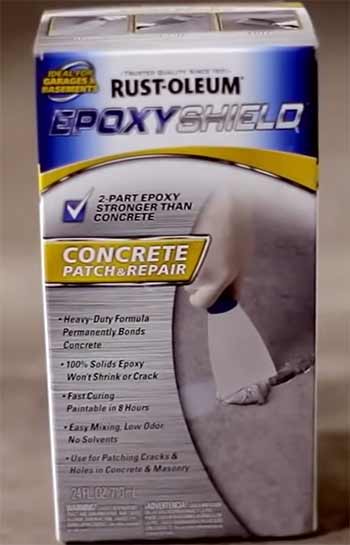
- Lower purchase price You can protect a two-car garage for less money than a comparable RockSolid kit. This makes the product realistic for renters or anyone testing the idea of a coated floor.
- Longer working time The mix stays usable longer, giving you more margin for error or for working methodically across a large area.
- Adequate protection for light to moderate use Many people report several years of solid performance when the garage sees mostly parking and light storage rather than constant mechanical work.
- Easier cleanup during application Water-based versions clean tools and spills with soap and water, reducing the mess and chemical exposure.
- Straightforward instructions and familiar process If you have ever used a two-part paint or epoxy, the steps feel familiar. Kits usually include everything needed for a basic install.
- Good initial gloss and chip coverage The finished look is clean and functional. Color chips help disguise minor floor flaws and give a finished appearance without extra products.
- Widely available You can find EpoxyShield at most big-box stores, so replacement kits or touch-up materials are easy to source later.
Cons of EpoxyShield
- Shorter expected lifespan under heavy use Hot tire pickup and chemical staining tend to appear sooner than with RockSolid. After three to five years of daily vehicle traffic, many floors need attention or recoating.
- Longer downtime after application Waiting three full days before parking cars can disrupt household routines, especially if the garage is the only place to store vehicles.
- Narrower temperature range for application Cooler or hotter days force delays. In climates with variable spring or fall weather, this restriction can stretch a weekend project into multiple weekends.
- Lower solids content means thinner final film Even with careful application, the protective layer is less substantial than RockSolid’s. Heavy impacts or repeated abrasion wear through faster.
- Greater sensitivity to surface preparation mistakes Moisture, residual sealer, or insufficient etching leads to adhesion failure more readily. The thinner film has less forgiveness when the substrate is imperfect.
- More prone to yellowing or gloss loss over time Exposure to sunlight through open garage doors can dull the finish or shift the color slightly after several seasons.
- Chemical resistance is good but not exceptional Strong solvents or prolonged oil exposure can soften or stain the surface more easily than on a Polycuramine floor.
Application Realities From a Practical Standpoint
Surface preparation remains the single largest factor for both products. I learned this the hard way on an early project when residual sealer caused patchy adhesion.
Grinding or thorough etching, followed by complete dust removal and a moisture test, makes the difference between a floor that lasts and one that fails in the first year.
RockSolid’s faster cure rewards careful timing, while EpoxyShield’s longer open time allows a more relaxed pace. Both benefit from two people working together on larger floors so the mix does not sit too long.
Temperature and humidity control matter more than most instructions emphasize. Applying either product when the concrete is colder than the air can create condensation issues.
Waiting until the slab has warmed or cooled into the recommended range prevents many problems. Ventilation helps with both, though RockSolid’s lower odor makes the experience more pleasant.
Also Read: Is Rust-Oleum Glow in The Dark Paint Any Good?
Frequently Asked Questions (FAQ)
Yes if the existing epoxy is fully bonded, clean, and thoroughly scuffed for mechanical adhesion. Test a small area first. Failed or glossy epoxy must be removed completely.
RockSolid ranks as the strongest and most durable option in the Rustoleum lineup for most garage conditions.
Yes. It delivers high durability, fast cure, and strong chemical resistance when surface preparation is done correctly.
Among widely available DIY kits, RockSolid frequently receives top marks for longevity and resistance to hot tire pickup, though professional multi-coat systems can exceed it in extreme conditions.
Wrapping Up
After examining both products side by side, I see RockSolid as the stronger choice when durability, faster return to service, and long-term resistance to real garage abuse matter most.
EpoxyShield still serves well if your budget is limited and your floor sees lighter use. You now have the detailed comparison of chemistry, performance, cost, and practical realities so you can match the product to your specific garage and expectations.
Choose based on how hard the floor will work and how long you want the results to last, then prepare the concrete thoroughly and follow the instructions. The right coating, applied correctly, transforms a dusty, stained slab into a surface you actually enjoy using every day.