
I wrote this piece because I wanted a clear, side-by-side look at rubber shingles and asphalt shingles so you can decide what makes sense for your house, budget, and climate without the usual sales talk.
After years of watching roofs go on and come off, I can tell you the choice between these two materials affects how long your roof lasts, how much you spend up front, and how much you spend later on repairs or energy bills.
This article lays out the real differences, the practical upsides and downsides, and the everyday factors that matter once the installers leave.
| Feature | Rubber Shingles | Asphalt Shingles |
| Typical Lifespan | 40–70 years | 15–30 years |
| Upfront Cost | Higher | Lower |
| Weight | Lighter | Heavier |
| Weather Resistance | Excellent in extreme heat/cold | Good, but can crack or granule-loss over time |
| Impact Resistance | High (hail, debris) | Moderate |
| Installation Complexity | Moderate to specialized | Straightforward, widely available |
| Recycled Content | Often high | Low to none |
| Appearance Options | Limited but modern looks | Wide range of colors and styles |
| Maintenance Needs | Low | Moderate (occasional granule checks) |
| Energy Efficiency | Better insulation potential | Average |
Key Differences Between Rubber Shingles And Asphalt Shingles
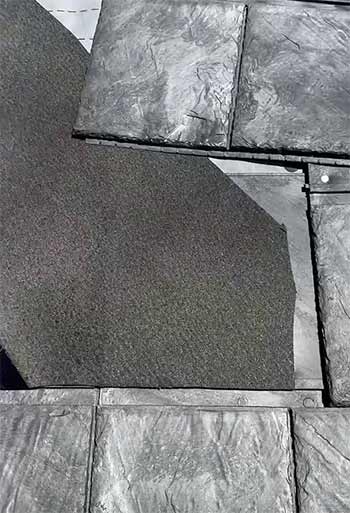
- Material makeup and how it behaves over decades Rubber shingles are usually made from recycled tires or synthetic rubber compounds mixed with polymers. That gives them flexibility that asphalt never quite matches. Asphalt shingles start with a fiberglass or organic mat soaked in asphalt and topped with ceramic granules. The rubber version stays pliable in freezing weather and does not become brittle the way asphalt can after years of temperature swings. I have seen asphalt roofs in northern climates start shedding granules after twelve or fifteen years while nearby rubber installations still looked almost new. The difference shows up most clearly when ice dams form or when summer heat softens the asphalt and causes it to age faster.
- Weight and structural demand on the house Rubber shingles weigh noticeably less per square. That lower weight can matter on older homes or on roofs that already carry snow loads for months. Asphalt is denser; a full tear-off and re-roof can add several thousand pounds. If your framing is borderline or you live in a region that sees heavy snow, the lighter rubber option reduces stress on rafters and can sometimes avoid the need for structural upgrades. I watched one homeowner choose rubber specifically because an engineer had flagged the existing roof deck as marginal for another layer of heavy asphalt.
- How each handles impact and weather extremes Hail, falling branches, and foot traffic during maintenance hit rubber differently. The material absorbs the blow and springs back. Asphalt tends to crack or lose granules on impact, opening the door to leaks later. In high-wind zones rubber’s interlocking or heavier fastening patterns often hold better. Asphalt relies on adhesive strips that can fail if the temperature is wrong during install or if the sealant ages. Extreme heat softens asphalt and can cause blistering; rubber stays more stable. Extreme cold makes asphalt brittle; rubber stays flexible.
- Long-term cost picture beyond the initial invoice Asphalt wins on day-one price. Rubber costs more up front but stretches the replacement cycle. When you factor in labor for a second or third re-roof, disposal fees, and the disruption of living under scaffolding again, the lifetime numbers often favor rubber. Energy savings can tip the scale further because some rubber products reflect more heat or provide a tighter thermal envelope. Insurance discounts for impact-resistant ratings appear more often with rubber than with standard asphalt.
- Installation realities and who can do the work Almost every roofing crew knows asphalt. Rubber often requires specific training or manufacturer certification. That limits the pool of contractors and can raise labor costs. Lead times for rubber materials can also be longer. Asphalt is stocked everywhere and can usually be installed the same week you decide. If you need the roof finished before the next storm season, asphalt’s availability is a practical advantage.
- Environmental footprint and end-of-life options Rubber shingles frequently contain a high percentage of recycled content and can themselves be recycled in some markets. Asphalt shingles are harder to recycle; most end up in landfills. The lower frequency of replacement with rubber also means fewer manufacturing and transportation cycles over the life of the house. For homeowners who track embodied carbon or simply prefer less waste, rubber carries a clearer advantage.
Also Read: A Homeowner’s Experience With IKO Cambridge Shingles.
Key Features of Rubber Shingles
- Flexibility that survives freeze-thaw cycles The rubber compound expands and contracts without cracking. In climates that swing from below zero to ninety degrees, this keeps the seal around nails and seams intact far longer than asphalt. I have walked rubber roofs in late winter that still felt soft underfoot while neighboring asphalt felt rigid and ready to split.
- Impact absorption that earns higher insurance ratings Many rubber products carry Class 4 impact ratings. That single rating can lower homeowners-insurance premiums in hail-prone areas. The material dents rather than fractures, so the protective surface stays continuous.
- Lighter weight that reduces structural load At roughly half the weight of comparable asphalt in some product lines, rubber eases the burden on older framing and can allow re-roofing without a full tear-off in certain cases. Less weight also means easier handling for installers and fewer trips up the ladder with heavy bundles.
- Recycled content and potential for circular use Tires that once rode on highways become roofing material. Some manufacturers take the old rubber shingles back at the end of their life. That closed loop is still rare with asphalt.
- Consistent color and surface that resists granule loss Color is mixed into the material rather than applied as a surface coating. You do not get the gradual “bald” look that asphalt develops as granules wash into the gutters. The surface stays uniform for decades.
- Quiet performance under rain and hail Rubber dampens sound. Rain on a rubber roof is noticeably quieter than rain on asphalt, which can matter in rooms under the attic or in open-plan houses with vaulted ceilings.
Pros of Rubber Shingles
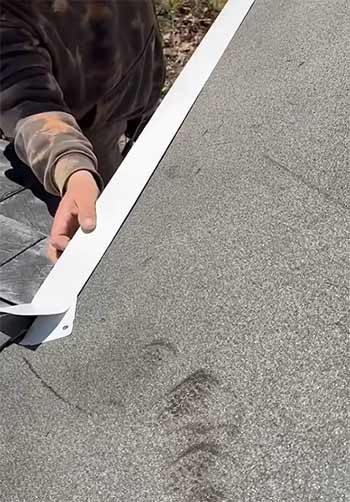
- Exceptional longevity that cuts replacement frequency Forty to seventy years is common. That means one installation can outlast two or even three asphalt roofs. The savings in labor, disposal, and disruption compound over time. I know owners who installed rubber in the early 2000s and still have original material performing without major issues.
- Superior resistance to impact and extreme weather Hail storms that leave asphalt roofs looking like Swiss cheese often leave rubber roofs with only cosmetic marks. Wind-driven rain is less likely to find a path under the shingles because the material stays flexible and the fastening systems are designed for movement.
- Lower long-term maintenance burden No granule loss to clean out of gutters every spring. Fewer cracked shingles to replace after a hard winter. The surface does not curl or cup the way aging asphalt can. Annual inspections still matter, but the list of expected repairs stays short.
- Potential energy and insurance savings Some rubber products reflect more solar radiation or provide better thermal breaks. Combined with impact ratings that insurers recognize, the monthly costs of ownership can drop. Those savings are real in hot southern climates and in hail belts.
- Environmental credentials that align with modern preferences High recycled content and longer service life reduce the volume of material that eventually reaches a landfill. For buyers who care about the story behind their building materials, rubber offers a clearer narrative.
- Quieter and more comfortable living space The dampening effect on rain and hail noise improves daily comfort, especially in rooms that sit directly under the roof deck.
Cons of Rubber Shingles
- Higher initial investment that can strain cash flow The material and specialized labor push the installed price well above asphalt. For homeowners operating on a tight timeline or limited savings, the sticker shock is real. Financing or staged projects become necessary more often.
- Fewer contractors and longer lead times Not every roofing company has experience with rubber systems. Finding a certified installer can take weeks, and material delivery may not be next-day. In urgent replacement situations that delay can be painful.
- Limited aesthetic range compared with asphalt Color choices and profile options exist, but they are narrower. Matching a historic neighborhood or achieving a specific architectural look may be harder. Some rubber products have a more modern or industrial appearance that does not suit every house.
- Repair matching can be tricky years later If a section needs replacement a decade after installation, exact color and texture matches may no longer be available. Blending repairs is sometimes more noticeable than with asphalt, where leftover bundles or close matches are easier to source.
- Specialized fastening and underlayment requirements Rubber often needs specific nails, adhesives, or underlayment products. Deviating from manufacturer instructions can void warranties. That precision raises the skill bar for the crew.
- Less familiarity among real-estate appraisers and buyers In some markets buyers and appraisers still default to asphalt as the “standard.” Explaining the longer lifespan and performance advantages takes extra effort during a sale.
Key Features of Asphalt Shingles

- Wide availability and familiar installation methods Every supply house stocks multiple brands and colors. Crews can start work with almost no learning curve. That speed and familiarity keep labor rates competitive and schedules short.
- Broad color and style selection From traditional three-tab to architectural laminates that mimic wood or slate, asphalt covers nearly every aesthetic preference. Matching an existing neighborhood look is straightforward.
- Lower entry price that fits tighter budgets For a homeowner who needs a functional roof this season and plans to sell within ten years, asphalt’s lower installed cost is hard to ignore. The material itself is inexpensive relative to most alternatives.
- Proven track record across millions of roofs Decades of use mean performance data is abundant. Warranties are standardized and claims processes are well understood by both contractors and manufacturers.
- Acceptable performance in moderate climates Where temperatures stay within a narrower band and hail is rare, asphalt can deliver twenty-plus years of solid service with only routine inspections.
- Easy partial repairs A damaged section can be swapped out with matching shingles from the same batch more readily than with specialty rubber products whose color or texture may be harder to match years later.
Also Read: Comparison of IKO Shingles And Owens Corning.
Pros of Asphalt Shingles
- Affordable entry point that keeps projects moving You can get a solid, code-compliant roof without exhausting the contingency budget. That accessibility has made asphalt the default for decades.
- Huge contractor pool and rapid scheduling Almost any reputable roofer can install asphalt correctly. Emergency replacements after storms can often be completed within days rather than weeks.
- Extensive style and color libraries Whether you want a traditional look, a high-definition laminate that resembles cedar, or a cool-roof reflective surface, asphalt manufacturers have already engineered it. Matching existing homes or HOA requirements is rarely a problem.
- Straightforward repairs and future additions Partial replacements, vent additions, or solar-panel mounts integrate easily. Matching shingles remain available for many years after the original install.
- Established warranty structures and claims processes Manufacturers have refined their warranty language and claim handling over generations. Homeowners and contractors know what to expect.
- Adequate performance for many climates and ownership timelines If you plan to stay in the house ten to fifteen years or live in a moderate climate, asphalt can deliver reliable service without over-investing in ultra-long-life materials.
Cons of Asphalt Shingles

- Shorter service life that forces earlier replacement Fifteen to thirty years is the realistic range for most products under real-world conditions. That means you or the next owner will face another full roofing project sooner. Labor and disposal costs rise with each cycle.
- Vulnerability to impact and weather aging Hail, falling limbs, and even repeated foot traffic during maintenance can crack shingles or strip granules. Once the protective surface is compromised, the asphalt underneath degrades faster. Temperature extremes accelerate the process: heat softens and ages the asphalt; cold makes it brittle.
- Higher long-term maintenance and energy costs Gutters fill with granules. Occasional shingle replacements become routine. Darker asphalt surfaces absorb heat, raising attic temperatures and cooling loads in summer. The cumulative cost of upkeep and energy can erase the initial price advantage.
- Greater weight that stresses older structures Multiple layers of asphalt or a heavy architectural product can push framing beyond design limits. Some older homes require structural review before a new asphalt roof can go on.
- Environmental drawbacks at end of life Most asphalt shingles still head to landfills. Recycling programs exist in limited areas but are not widespread. The shorter lifespan also means more frequent manufacturing and transportation impacts.
- Aesthetic fading and surface degradation over time Granule loss creates a patchy, aged appearance long before the roof actually fails. Color consistency declines, and the roof can look tired while still functionally sound.
Performance Factors You Should Weigh
Climate sits at the top of the list. In hail corridors or regions with wild temperature swings, rubber’s flexibility and impact resistance pay measurable dividends.
In mild coastal or southern climates where asphalt already lasts twenty-five years, the extra cost of rubber may not pencil out unless you value the quieter roof or the recycled content. Local labor markets matter too.
Where rubber-certified crews are scarce, the price gap widens. Where they are common, competition keeps costs closer.
Your ownership horizon is equally practical. If you expect to sell within a decade, asphalt’s lower entry price and broad buyer acceptance often win. If you plan to stay thirty years or more, rubber’s longer cycle can save both money and hassle. Insurance discounts for impact resistance can further close the gap in storm-prone counties.
Roof pitch, existing deck condition, and ventilation also influence the decision. Rubber’s lighter weight helps on marginal structures.
Asphalt’s familiarity helps when the deck needs extensive repair and the crew must work quickly. Proper ventilation benefits both materials, but asphalt is more sensitive to trapped heat that accelerates aging.
Also Read: A Homeowner’s Experience With Timberline HDZ Shingles.
Frequently Asked Questions (FAQ)
Higher upfront cost, fewer experienced installers, narrower style choices, and potential difficulty matching repairs years later.
The main downside is the premium price and the limited contractor base, which can delay projects and raise labor rates.
Most roofers still install asphalt shingles because they are widely available, less expensive, and familiar to nearly every crew.
Avoid the cheapest three-tab asphalt in severe climates and any rubber product installed by an untrained crew that skips manufacturer requirements.
Closing Thoughts
I laid out the comparison so you can match the material to your actual situation rather than to a brochure. Rubber shingles reward patience and a longer view with durability, lower maintenance, and better resistance to the weather that destroys ordinary roofs.
Asphalt shingles reward immediate budget constraints and the need for speed with proven, widely supported performance. Look at your climate, your timeline, your structure, and your tolerance for future projects.
Once those factors are clear, the better choice for your roof usually becomes obvious. Choose the one that lets you stop thinking about the roof for as many years as possible.