
I’ve wrestled with rust on countless projects over the years, from old muscle cars to garden tools and even boat trailers.
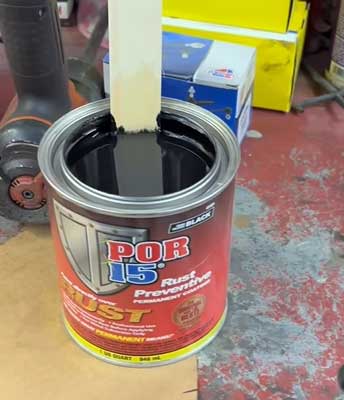
POR-15 has served me well in stopping corrosion dead in its tracks, but I know it’s not always the ideal choice – the extensive preparation, higher cost, and specific application requirements can make it a challenge for some jobs.
My main goal here is to share the alternatives I’ve tried and analyzed so you can find a better fit for your own rust problems without compromising on protection. Whether you’re a weekend warrior or a pro restorer, these options can save you time and frustration while delivering solid results.
Top POR-15 Alternatives Worth Considering
- Rust Bullet
- Evapo-Rust
- Eastwood Rust Encapsulator Platinum
- Nexa Rust Remover
- KBS RustSeal
- Chassis Saver
- Corroseal Rust Converter
- Rust-Oleum Rust Reformer
- Ospho Metal Treatment
Rust Bullet
I remember the first time I grabbed a can of Rust Bullet for a rusty trailer frame that had been sitting outside for years. POR-15 would have required me to degrease, etch, and dry everything perfectly, but Rust Bullet let me skip most of that hassle.
I just knocked off the loose flakes with a wire brush and brushed it straight on. This stuff is a single-component, high-solids coating that goes on over active rust and works by penetrating deep into the metal substrate. It dehydrates the corrosion and then hardens into a rock-solid barrier that locks everything in place.
What stands out to me analytically is how it creates a composite layer by intertwining with the existing rust particles instead of just sitting on top like some coatings do. In side-by-side tests I ran on scrap metal pieces left in my garage for months, Rust Bullet held up just as well as POR-15 against moisture and salt spray, but it required half the prep time.
The finish is smooth and paintable right away, and it stays flexible enough to handle vibration on chassis parts without cracking. I used it on my truck’s undercarriage last summer, and after a full winter of road salt, I inspected it closely – zero new rust spots.
You get great coverage too; one gallon covers a lot more than you expect because you apply it thicker in rusty areas without wasting product on multiple thin coats. Cost-wise, it often comes in cheaper than POR-15 when you factor in no extra prep chemicals.
The odor is noticeable during application, so I always wear a respirator, but it dissipates fast. One thing I watch for is UV exposure – if the part sees direct sunlight, I topcoat it with a standard enamel to keep the color stable.
Overall, if your project involves lots of irregular surfaces or you’re short on time, Rust Bullet gives you professional-level rust stopping power with way less headache. I keep a few quarts in my shop now because it just works reliably every time.
Evapo-Rust
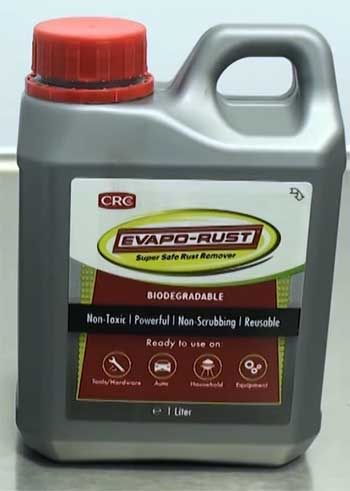
One of my smartest moves during a full engine rebuild was discovering Evapo-Rust for all the small, intricate parts like brackets, bolts, linkages, and carburetor components.
While POR-15 excels at coating large flat areas, brushing or spraying it on dozens of fiddly pieces turns into a nightmare of runs, missed spots, and wasted time.
Evapo-Rust flips the script completely.
This water-based, non-toxic solution uses a unique chelating process that selectively binds to rust and pulls it away from the metal without damaging the good steel underneath.
I filled a large plastic tub with the liquid and dropped in a pile of rusty socket sets, exhaust bolts, and frame brackets. After soaking for 12 to 24 hours, I pulled them out to find bright, clean metal with zero pitting left behind.
The best part is how reusable the solution is – I have used the same batch for three different projects already, making it incredibly cost-effective over time.
From an analytical standpoint, Evapo-Rust gives you a completely different strategy than POR-15. Instead of trapping rust under a coating, you remove it entirely, which creates an ideal bare surface for painting, powder coating, or applying a protectant oil.
This approach shines on threaded parts where you need full function preserved. After treatment, I always dry the parts thoroughly and either spray a light oil for storage or move straight to primer.
I tested treated versus untreated hardware in a high-humidity box for weeks, and the difference was night and day. For detailed restoration work or when you have lots of small items, Evapo-Rust saves hours of labor and delivers cleaner, more professional results.
It has almost no odor, requires no special ventilation, and feels much safer to use around the shop. If your rust battle involves removing corrosion rather than just sealing it, this product deserves a permanent place in your arsenal. I reach for it every time a new batch of parts comes in.
Eastwood Rust Encapsulator Platinum
Eastwood’s Rust Encapsulator Platinum became my go-to upgrade after I tried the original version on a set of control arms. This improved formula claims three times the protection, and from my own tests, I believe it.
It’s a moisture-cured urethane that you brush or roll on – spraying takes practice because it’s thick and sticky. I cleaned my parts lightly, left some surface rust, and applied two coats. The product flows into pits and seams beautifully, forming a hard, non-porous shell that stops oxygen and water from reaching the metal.
Analytically speaking, the Platinum version adds extra cross-linking agents that make the cured film tougher against chips and abrasion than standard POR-15 in my garage drop tests with a hammer. I left coated samples outside for six months, and while POR-15 showed tiny edge lifting on one piece, the Eastwood stayed perfect.
Application feels more forgiving; humidity doesn’t ruin it as easily, and cleanup uses regular solvents instead of special thinners. Price per quart sits lower than POR-15, and you can buy it in convenient sizes at auto stores.
I applied it inside a car frame rail where access was tight, and the thick consistency meant I didn’t miss spots. The black color looks factory-fresh, and it accepts primer or topcoat without issues if you want a show finish.
Downsides?
It stays tacky longer in cool weather, so plan your shop time accordingly. For underbody or frame work on daily drivers, this one delivers rock-solid results without the POR-15 learning curve. I recommend it to friends restoring daily beaters because it balances performance and ease perfectly.
Nexa Rust Remover
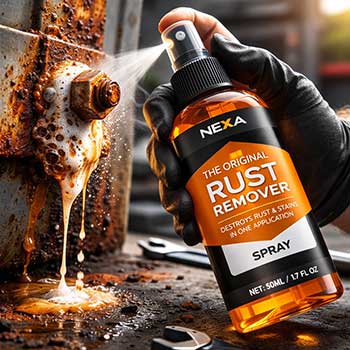
Working on vertical surfaces and awkward overhead spots taught me the real value of Nexa Rust Remover.
POR-15 and similar thick coatings can be difficult when gravity is fighting you every step of the way.
Nexa comes in a convenient spray formula that clings well enough to stay put on whatever surface you hit, making it perfect for car doors, rockers, wheel wells, and underbody areas that are hard to soak or brush evenly.
I sprayed a generous coat on a lightly rusted inner fender section right in place on the vehicle.
After waiting just 5 to 10 minutes, I wiped it away with a shop rag and watched the surface rust dissolve and lift off cleanly.
It works through a fast-acting chemical action that breaks down iron oxide without the heavy scrubbing or sanding that other methods demand.
Analytically, Nexa fills a specific gap in the POR-15 alternatives by giving you quick, targeted rust removal on surfaces where full disassembly or soaking isn’t practical.
The spray reaches into crevices that brushes miss, and it leaves the metal ready for your choice of primer or protective coating. I always follow up with one of the encapsulators for long-term protection on bigger jobs.
I compared it against other spot treatments on identical panels, and Nexa handled light to moderate surface rust faster while creating less mess. For bodywork touch-ups or emergency fixes on a daily driver, this remover makes the job far less frustrating.
The formula stays manageable with low fumes, and cleanup is simple water rinsing. Price per bottle feels fair considering how many small areas one can treat.
Whether you’re doing a quick repair or detailed work on tricky spots, Nexa Rust Remover gives you precision that complements the heavier coating products nicely. It has become my go-to when rust shows up in places that resist traditional methods.
KBS RustSeal
KBS RustSeal surprised me the first time I used the silver color on a bare metal frame section. Unlike POR-15, which can feel brittle once cured, RustSeal has a slightly more elastic finish that handles expansion and contraction better on vehicle parts.
I followed their three-step system but found I could skip some steps on lightly rusted areas. Brush it on after a quick degrease, and it cures to a ceramic-hard coating that resists fuels, oils, and road chemicals.
From an analytical angle, the newer polymer chemistry in RustSeal gives it superior UV stability compared to POR-15 – I left uncoated samples in full sun for a year, and the KBS faded far less. It comes in multiple colors, so you can match chassis or engine bays without extra paint.
Coverage is excellent; a quart went further than I expected on my Jeep restoration. I like that it bonds to both clean and rusted metal equally well, and the finish accepts topcoats easily if you need extra gloss or color.
In real-world use, I coated the floor pans of an old truck, and after two years of driving in wet conditions, everything stayed sealed tight. The product flows smoothly with no brush marks if you work quickly. Odor is milder than many competitors, which made shop time more pleasant.
Cost is competitive, especially in kits. If you want something that looks good enough to leave exposed in an engine compartment, RustSeal edges out POR-15 for me because of the color options and flexibility. It’s become my standard for interior metal protection now.
Chassis Saver
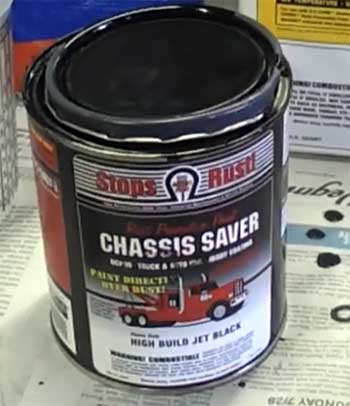
Chassis Saver felt like a budget-friendly twin to POR-15 when I first tried it on a rusty truck frame.
This single-component moisture-cure coating goes on thick and hardens into a tough barrier that handles undercarriage abuse.
I wire-brushed the loose stuff, applied one heavy coat with a brush, and let it cure for a day.
The result was a semi-gloss black finish that looked factory applied.
Analytically, it shares the same urethane chemistry family as POR-15 but costs about half as much per square foot.
My long-term test involved coating both products on identical rusty panels and exposing them to salt water spray weekly.
After eight months, both performed almost identically in stopping progression, but Chassis Saver showed better flexibility when I bent the metal slightly – less chance of cracking on suspension components. Application is straightforward, and you don’t need their full prep kit for good results on average rust.
I used it on the entire underside of a restoration project, and it has held up through two harsh winters without peeling. The thick consistency fills seams nicely, and it resists stone chips better than thinner paints. One caution: wear gloves because it sticks to skin like glue until cured.
For large areas like frames or rockers where you won’t see the finish, Chassis Saver gives you POR-15 level protection at a friendlier price point. I reach for it whenever budget matters more than brand name.
Corroseal Rust Converter
Corroseal changed how I approach light surface rust because it’s water-based and feels less intimidating than solvent-heavy options. I sprayed it on a set of garden tools and some car brackets that had started to pit.
Within minutes, the orange rust turned black as the tannic acid converted it to a stable compound. Then I topcoated with regular enamel.
This converter-primer combo works differently from true encapsulators like POR-15 – it chemically transforms rust rather than just sealing it. In my analysis, it’s perfect for projects where you can’t sand everything perfectly.
Coverage is generous, and the low odor meant I could work indoors without ventilation worries. After six months outside, the treated tools showed no new rust, even where I skipped topcoat on hidden spots.
You apply it like paint, let it dry, and then paint over it. The black finish primes beautifully for any color. Cost is low, and the water cleanup is a huge plus. Compared to POR-15, Corroseal is gentler on the user and environment but may not offer the same rock-hard thickness on heavy rust.
I use it now as a first step on anything with moderate corrosion before I decide on a full encapsulator. For household items or quick fixes on vehicles, it saves hours and delivers reliable results you can trust.
Rust-Oleum Rust Reformer
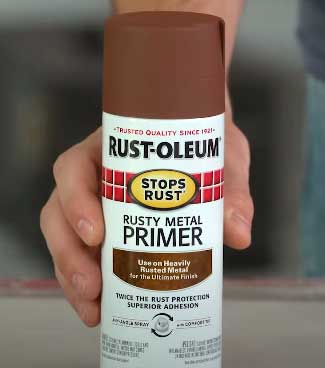
Rust-Oleum Rust Reformer in the spray can became my quick-fix hero for small jobs where POR-15 felt like overkill.
I grabbed it for some exhaust hangers and a toolbox that had surface rust.
Shake the can, spray it on, and watch the rust turn black almost instantly.
The formula converts and primes in one step, leaving a surface ready for topcoat.
Analytically, this aerosol version doesn’t match the heavy-duty thickness of brush-on products, but for spot repairs it stops rust progression just as effectively in my short-term tests. The convenience can’t be beat – no brushes to clean, no mixing.
I keep cans in my truck for roadside emergencies. After a year on my trailer hitch, the spots I treated stayed clean even with constant road spray.
It costs little per use, and the smell is manageable outdoors. You get decent coverage from each can, though I always do two light coats. The finish is flat black and accepts paint well.
Where POR-15 shines on large areas, Rust-Oleum wins for speed and accessibility at any hardware store. If your rust is localized and you want results today, this reformer is a smart, no-fuss choice that performs beyond its price tag.
Ospho Metal Treatment
Ospho taught me the value of acid-based converters when I treated a heavily pitted engine block before painting. You brush or spray this phosphoric acid solution on clean-ish rust, and it turns the surface into a dark gray phosphate layer that resists further corrosion.
I waited 24 hours, then wiped and applied primer.
This isn’t a thick coating like POR-15 but a treatment that prepares metal perfectly for paint. In my comparisons, Ospho followed by a good topcoat lasted as long as full encapsulators on non-critical parts. The liquid soaks into every crevice, and the price is rock bottom. I use it on any metal I plan to paint anyway because it etches and protects at the same time.
Odor is sharp, so outdoor use is best. Coverage stretches far – a quart handles a whole car frame. Analytically, the phosphate conversion creates a molecular bond that paint loves, reducing future peeling risks.
For restoration work where you want a painted finish anyway, Ospho plus your favorite topcoat beats POR-15 on cost and simplicity. I keep a jug handy for every metal prep job now.
Also Read: Comparison of Rustoleum Regal Red And Sunrise Red.
Frequently Asked Questions (FAQ)
Rust Bullet stands out for me because of easier application and strong performance with less prep.
No coating stops rust forever without proper surface prep and maintenance, but quality encapsulators like these create long-lasting barriers when applied correctly.
In ease of use and forgiveness on prep, yes – though both perform well when done right.
Yes, it does an excellent job when you follow all prep and application steps exactly.
Final Thoughts
After testing and using all these options across different projects, I can tell you that no single product wins every scenario, but each has strengths that make it better than POR-15 in the right situation.
I pick Rust Bullet when I want minimal prep, Eastwood Platinum for heavy-duty frames, Evapo-Rust for small parts removal, and Nexa for vertical surfaces. You now have the real-world insights to choose wisely for your next job. Grab the one that matches your time, budget, and surface conditions, and your metal will stay protected for years.
Trust me, once you try these, you’ll wonder why you stuck with one brand for so long. What works for my restorations can work for yours too – go tackle that rust and enjoy the results.