
I spent the last few months testing both a Ninja Professional Plus Kitchen System and a Vitamix Ascent Series in my kitchen every single day.
Smoothies for breakfast, hot soups for lunch, nut butters, frozen drinks, even dough on weekends. I wanted to figure out which one actually delivers for real home cooking without the hype.
In this article, I share my honest experiences, the strengths and weaknesses of each, and help you decide which blender fits your lifestyle and budget best.
| Feature | Ninja Professional Plus | Vitamix Ascent Series |
| Power | 1400 watts | 1440 watts |
| Price Range | $150–$250 | $500–$700+ |
| Container Size | 72 oz pitcher + personal cups | 64 oz low-profile |
| Blade Design | Sharp, removable, multi-tier | Blunt, fixed, laser-cut |
| Versatility | Blender + food processor + cups | High-performance blending + hot soups |
| Warranty | 1–2 years | 10 years |
| Build Quality | Good plastic, solid for price | Tank-like, commercial-grade |
| Noise Level | Louder | Quieter at high speeds |
| Best For | Families wanting accessories on budget | Serious users wanting silky results |
Key Differences Between Ninja And Vitamix Blenders
I noticed clear differences right from unboxing both machines.
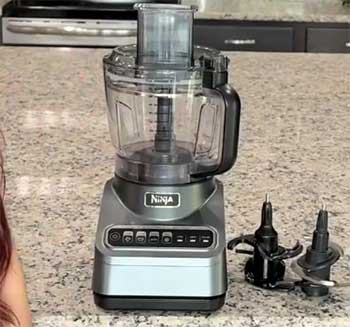
- Motor Power and Performance: The Ninja packs a punch with its 1400-watt motor and handles ice crushing and basic smoothies well. I could make margaritas or protein shakes without issues. But the Vitamix edges it out with consistent power delivery that tackles fibrous greens, whole fruits, and tough veggies without leaving chunks. When I blended kale and frozen bananas, the Vitamix turned everything into a velvet-smooth drink while the Ninja sometimes left tiny bits.
- Blade Technology: Ninja uses sharp, stacked blades that are removable for easy cleaning. They crush ice to snow quickly. Vitamix blades are blunt but incredibly effective at creating friction for hot blending and ultra-fine textures. I felt safer with the blunt blades when my kids helped in the kitchen.
- Container and Design: Ninja comes with multiple jars and a larger pitcher, which is great for big batches or single servings. The Vitamix has a lower-profile container that fits under most cabinets better. I appreciated how the Vitamix tamper lets me push ingredients down without stopping.
- Controls and Ease of Use: Ninja offers Auto-iQ presets that take the guesswork out. Touch a button for smoothies or ice crush. Vitamix gives variable speed dial plus pulse for full control. I preferred the Vitamix for precision when making soups or sauces.
- Durability and Longevity: After heavy use, the Ninja showed more wear on the pitcher. The Vitamix feels built to last decades. I know people who have used theirs for 10+ years with no problems.
- Cleaning: Both self-clean with soap and water, but Vitamix wins because the fixed blade design rinses cleaner. Ninja’s removable blades need careful handling to avoid cuts.
- Noise: Vitamix runs quieter overall, especially at peak speeds. Ninja gets loud fast, which mattered during early morning smoothies.
- Accessories: Ninja shines here with food processor bowl, dough blade, and personal cups. Vitamix focuses on core blending excellence with optional add-ons.
These differences shaped how I used each one daily. The Ninja felt like a versatile multitasker. The Vitamix felt like a precision tool built for serious blending.
Also Read: Differences Between Ninja Blast And BlendJet 2 Blenders.
Key Features of the Ninja Blender
I really enjoyed the Ninja’s all-in-one approach in my busy household.
- Total Crushing Blades: These stacked sharp blades powered through ice, frozen fruits, and veggies effortlessly. My kids loved the snow-like crushed ice for slushies, and it made quick work of tough ingredients during busy weeknights.
- Auto-iQ Technology: Preset programs adjusted time and speed automatically. I just loaded ingredients, hit smoothie, and walked away. It made mornings faster and took the stress out of getting consistent results every time.
- Multiple Attachments: The kitchen system included a food processor bowl for chopping veggies, a dough blade for pizza dough, and single-serve cups with lids. I could prep dinner sides and make personal smoothies without switching appliances, saving me time and counter space.
- Large Capacity Pitcher: The 72-ounce pitcher handled family-sized batches of soup or margaritas perfectly for gatherings, allowing me to serve everyone at once without constant refills.
- Pulse Function and Multiple Speeds: Great for controlling texture when making salsa or chunky dips, giving me flexibility for recipes that need a bit of chunkiness rather than full smoothness.
- Affordable Price Point: I got solid performance without spending a fortune, which left room in my budget for other kitchen gadgets and made the purchase feel less risky.
- Compact Storage Options: Personal cups and stackable parts saved counter space compared to bulkier setups, which was perfect for my smaller kitchen layout.
- Nutrient Extraction Claims: It did a decent job breaking down ingredients for smoothies, though not always as finely as I wanted for greens, still delivering nutritious drinks that my family enjoyed daily.
- Easy Assembly: Everything clicked together securely, and the base felt stable even at high speeds, so I never worried about wobbling during operation.
- Versatile for Baking: The dough function worked surprisingly well for quick bread recipes and cookie dough, opening up new weekend baking projects I hadn’t tried before.
Using the Ninja daily showed me how much value it brings for families or beginners who want one machine doing many jobs. I made everything from baby food purees to protein balls with the processor bowl. It handled my real-life needs without complaints most days.
Pros of the Ninja Blender
I discovered many advantages that made the Ninja a strong contender in my home.
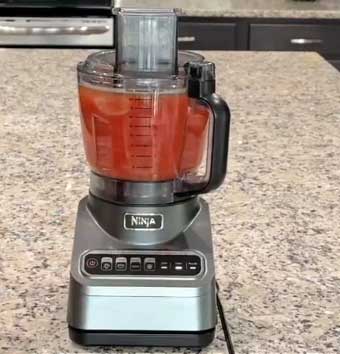
- Budget-Friendly: I paid a fraction of the Vitamix price yet got reliable blending for everyday tasks. It delivered great value for money, allowing me to enjoy upgraded blending without stretching my household budget too far.
- Highly Versatile System: One base handled blending, processing, and single servings. I reduced clutter by replacing multiple gadgets, which made my kitchen feel more organized and functional overall.
- Fast Ice Crushing: Perfect for frozen drinks and cocktails. Guests always commented on the smooth consistency of my margaritas, and it became a go-to for summer parties and family movie nights.
- User-Friendly Presets: Auto-iQ took the thinking out of blending. Great for teens or partners who aren’t kitchen pros, so everyone in the house could make their own creations easily.
- Personal Cups with Lids: Ideal for grab-and-go smoothies. I prepped several in advance and stored them in the fridge, which helped me stay on track with healthy habits during rushed mornings.
- Good for Families: Large pitcher plus accessories meant I could feed everyone without multiple batches, simplifying meal prep when cooking for a full house.
- Quick Setup and Cleanup: Removable parts made washing straightforward, though I was careful with blades, turning post-blend cleanup into a quick routine rather than a chore.
- Decent Performance on Most Tasks: It handled smoothies, sauces, and batters well enough for daily use without frustration, covering the majority of what I needed in a typical week.
- Fun for Experimenting: The different attachments encouraged me to try new recipes like homemade hummus or chopped salads, sparking more creativity in my cooking routine.
- Lightweight and Portable: Easier to move around or store compared to heavier premium models, which came in handy when I rearranged my counter space or took it to family gatherings.
These pros made the Ninja feel practical and fun. I recommend it to anyone who wants capability without a huge investment. It covered 80% of my blending needs perfectly.
Also Read: Differences Between Ninja Blast And Ninja Blast Max Blenders.
Cons of the Ninja Blender
No blender is perfect, and I noticed some limitations during extended testing.
- Louder Operation: It got quite noisy at full power, which bothered me during quiet mornings or when kids napped, sometimes requiring me to close the kitchen door to keep the peace.
- Shorter Lifespan Expectations: After months, I saw more signs of wear than with the Vitamix. Plastic parts felt less premium, raising questions about how it would hold up after a couple of years of heavy use.
- Struggles with Fibrous Ingredients: Kale or celery sometimes left small pieces, requiring extra blending time or straining, which added a few minutes to my morning smoothie routine.
- Sharp Blades Require Care: Cleaning involved caution to avoid cuts. Not ideal with little helpers around, so I often handled that part myself to stay safe.
- Limited Hot Blending: I couldn’t safely blend hot liquids the same way, so soups needed cooling first, limiting some of the convenience for quick warm meals.
- Variable Texture Quality: Results were good but not always silky smooth like high-end models, meaning some recipes needed a bit more tweaking to reach ideal consistency.
- Warranty Coverage: Shorter protection period meant less security for heavy daily users, which made me a little more cautious about potential issues down the line.
- Potential for Leaks Over Time: Some users report seal issues after prolonged use, though I didn’t experience major problems yet, it still made me check the pitcher more often.
- Less Precise Control: Presets worked well but manual adjustments felt less intuitive than a variable dial, occasionally leading to textures that weren’t exactly what I aimed for.
- Bulkier with All Accessories: Storing everything took more space than a simple single-pitcher setup, which occasionally cluttered my cabinets despite the stackable design.
These cons didn’t ruin the experience but highlighted where the Ninja trades premium performance for affordability and features.
Key Features of the Vitamix Blender
The Vitamix impressed me with its professional-level performance from day one.
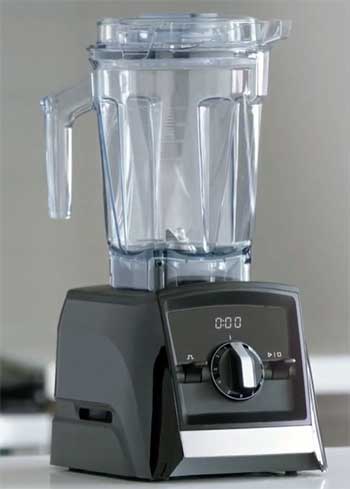
- High-Performance Motor: The 2+ horsepower motor delivered consistent power that never bogged down, even with thick mixtures or large loads, making it reliable for heavy daily use.
- Variable Speed Control: Dial from low to high while running let me start slow and ramp up, preventing splashes and ensuring even blending for better overall control in every recipe.
- Tamper Tool: This simple stick pushed ingredients into the blades perfectly. It saved me from stopping and scraping constantly, keeping the process smooth and efficient.
- Self-Cleaning Cycle: Add soap and water, run for 30 seconds, and it cleaned itself beautifully. I used this feature multiple times a day, which kept my kitchen workflow uninterrupted.
- Hot Blending Capability: I made creamy soups from raw ingredients by letting friction heat them up. No stove needed for many recipes, turning quick lunches into something warm and comforting.
- Durable Construction: The pitcher and base felt rock solid. It withstood daily abuse without rattling or leaking, giving me confidence it would hold up for years.
- Long Warranty: Ten years of coverage gave me peace of mind knowing I could rely on it long-term without worrying about unexpected repair costs.
- Low-Profile Container: Fit nicely under cabinets while still holding plenty for a family, solving storage issues I had with taller models.
- Precision Textures: It created restaurant-quality smoothies, nut butters, and purees with zero grit or chunks, elevating everyday meals noticeably.
- Optional Aer Disc for Foams: Though I didn’t use it daily, the capability for perfect cold foam or emulsions added versatility for occasional fancy drinks or sauces.
I found myself reaching for the Vitamix more when I wanted impressive results. It turned simple ingredients into elevated dishes. The control and power made me a better cook in the kitchen.
Also Read: Differences Between NutriBullet Pro And Ultra Blenders.
Pros of the Vitamix Blender
The Vitamix won me over with qualities that elevated my cooking routine.
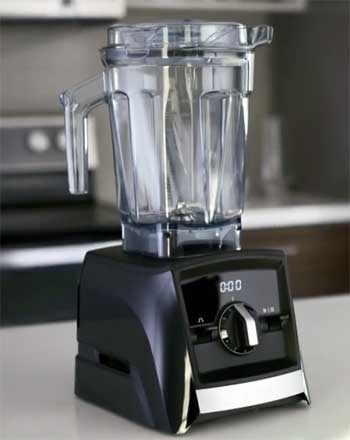
- Exceptional Blending Performance: It created the smoothest textures I’ve ever achieved at home. Greens disappeared completely in smoothies, making even picky eaters in my family enjoy healthier options without complaint.
- Built to Last: The solid construction and long warranty made it feel like a lifetime investment rather than an appliance, so I stopped worrying about replacing it anytime soon.
- Hot Soup Function: Blending raw veggies into steaming soup in minutes became a game-changer for quick healthy meals, especially on cold evenings when I wanted something nourishing fast.
- Full Control with Variable Speeds: I could craft any consistency from chunky salsa to creamy emulsions perfectly, giving me the freedom to experiment with confidence in more advanced recipes.
- Easy Maintenance: Self-cleaning and simple design meant less time washing and more time enjoying food, which added up to significant time savings over weeks of use.
- Quiet Operation: Surprisingly tolerable noise levels even at high speeds, allowing me to blend without disturbing the rest of the household.
- Professional Results: Nut butters, ice creams, and flours came out better than store-bought versions, encouraging me to make more items from scratch.
- Excellent Customer Support: Vitamix has a reputation for standing behind their products, providing reassurance if any questions or issues arose during ownership.
- Tamper Makes It Reliable: No more uneven blends or stuck ingredients, ensuring every batch came out consistent and usable right away.
- Versatile for Advanced Recipes: From baby food to gourmet sauces, it handled everything with ease, expanding the range of dishes I felt comfortable preparing at home.
These strengths made me appreciate cooking more. The Vitamix turned ordinary meals into something special.
Cons of the Vitamix Blender
I stayed honest about drawbacks that might matter to you.
- Higher Price Tag: The upfront cost is significant. I hesitated before buying but justified it through long-term use, though it required careful budgeting on my end.
- Fewer Accessories Included: No food processor or personal cups standard, though available separately at extra cost, meaning I had to plan additional purchases for full versatility.
- Fixed Blades: Can’t remove for deep cleaning as easily, though self-clean helps a lot, so I occasionally wished for simpler disassembly during thorough washes.
- Learning Curve: Variable speed dial takes practice compared to simple presets, but once comfortable it became second nature for me.
- Larger Footprint in Some Models: Taller designs might not fit under all cabinets without the low-profile option, which I had to consider during setup.
- Overkill for Basic Needs: If you only make occasional smoothies, it might exceed what you need, potentially feeling like more machine than necessary for lighter users.
- Heavier Base: Moving it around required more effort, which mattered when I wanted to store it after use in a tight space.
- Limited Preset Options on Base Models: Higher models add programs, but entry ones rely on manual control, requiring a bit more attention during operation.
These issues are minor for dedicated users but worth considering if your budget or space is tight.
Also Read: Differences Between NutriBullet 900 And 1200 Blenders.
Frequently Asked Questions (FAQ)
Vitamix consistently ranks at the top for performance and durability in professional tests and user reviews.
Starbucks uses specially designed Vitamix models, including The Quiet One for smooth, quiet operation in stores.
Costco offers exclusive models like the Alta Pro that deliver similar high performance with some tailored features and great value, backed by the same quality standards.
For many serious users seeking superior texture, power, and longevity, yes. It excels where others fall short, though Ninja offers strong competition for budget-conscious buyers.
Final Thoughts
After all this hands-on time with both, I see why people love each for different reasons. I lean toward the Vitamix if you want top performance and longevity that pays off over years. You will notice the difference in every blend.
But if you want versatility, value, and plenty of accessories without breaking the bank, the Ninja works great and handles most jobs impressively. Think about how you cook, your budget, and what textures matter most to you.
Whichever you choose, upgrading from a basic blender will transform your kitchen routine. Give one a try based on your needs, and I bet you will enjoy healthier, tastier meals every day.