
I have spent months researching natural stone options for my kitchen remodel, and the choice between Naica quartzite and Taj Mahal quartzite kept coming up in every conversation with fabricators and designers.
Both stones come from Brazil and offer that luxurious, marble-like beauty paired with real durability, yet they differ enough to make the decision personal.
My main intent here is to share an honest, hands-on comparison from someone who has handled slabs, talked to suppliers, and weighed the practical sides for everyday living, so you can decide which one fits your home and budget better.
| Aspect | Naica Quartzite | Taj Mahal Quartzite |
| Base Color | Icy beige to taupe with cooler greige tones | Warm creamy beige to soft ivory |
| Veining and Movement | More pronounced, crystallized veining with added texture and depth | Subtle, gentle flowing veins with soft elegance |
| Translucency | Good crystalline glow, reflective under light | Higher glass-like depth and translucency |
| Hardness (Mohs scale) | 7, very durable | 7, equally tough |
| Price Range (slab per sq ft) | More affordable, often $60-80 | Premium, typically $90-120+ |
| Best For | Modern, moody neutrals, contemporary spaces | Timeless warmth, versatile classic looks |
| Maintenance Needs | Regular sealing required | Regular sealing required |
| Visual Drama | Slightly more contrast and movement | Calmer, understated sophistication |
Key Differences Between Naica Quartzite And Taj Mahal
I spent time lining up samples and discussing them with experts, and the contrasts became clear in both appearance and practical use. Here is what stood out most:
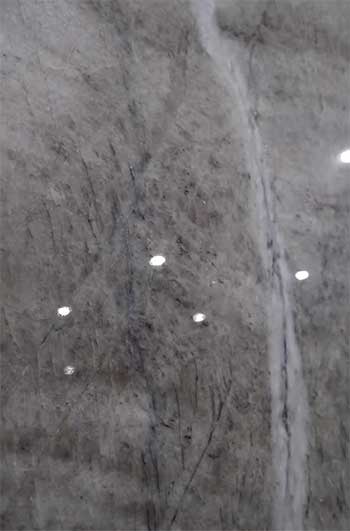
- Color temperature: Naica leans cooler with taupe and greige notes while Taj Mahal stays warmly creamy and ivory
- Veining intensity: Naica offers more pronounced crystallized movement and texture for added visual interest
- Depth and light play: Taj Mahal provides greater translucency and glass-like glow compared to Naica’s reflective crystalline quality
- Price positioning: Naica generally costs noticeably less, making it accessible for budget-conscious remodels
- Design personality: Naica feels modern and designer-driven with subtle drama; Taj Mahal exudes classic, calming elegance
- Maintenance visibility: Warmer Taj Mahal can hide some marks better, while Naica’s cooler tones may reveal them differently
- Slab availability and consistency: Taj Mahal enjoys broader recognition, though both can vary between batches
- Pairing flexibility: Naica shines with brass and contemporary elements; Taj Mahal works across more traditional styles
- Overall mood created: Naica brings serene modernity; Taj Mahal delivers inviting timelessness
- Long-term perception: Taj Mahal often carries stronger luxury association due to its established reputation
These differences helped me narrow my choice based on the specific feeling I wanted in my kitchen.
Also Read: Comparison of Cristallo Quartzite And Taj Mahal Countertops.
Understanding Naica Quartzite
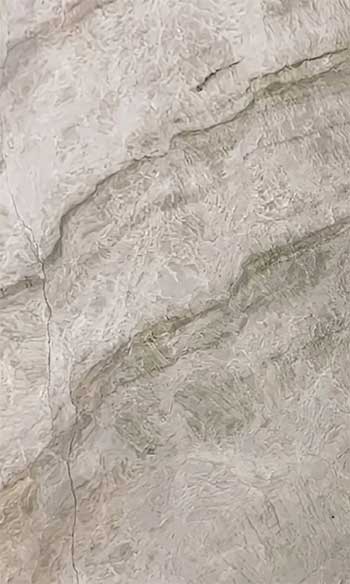
I first saw Naica quartzite in a slab yard and was struck by its cool, serene vibe. It features soft beige and taupe backgrounds that lean toward greige, accented by wispy layers and gentle streaks of caramel or charcoal.
The stone has a crystalline quality that catches light beautifully, giving it a subtle shimmer without being flashy. Quarried in Brazil, this natural metamorphic rock feels dense and solid under your fingers.
Key features that stood out to me include its reflective surface when polished, which makes kitchens feel brighter, and the way the veining adds quiet movement across the slab.
You can choose polished for maximum shine, honed for a softer matte look, or leathered for added tactile interest that hides fingerprints better in busy households.
- Exceptional hardness that handles daily kitchen life without showing scratches easily
- Natural heat resistance so you can set down hot pans without worry
- Unique crystalline facets that create depth and interest in the stone
- Versatile neutral palette that pairs well with brass, wood, or black fixtures
- Dense structure that resists chipping better than many softer stones
- Subtle drama in the patterns that feels modern rather than traditional
- Good light reflection that opens up smaller spaces visually
When I placed samples next to my cabinet swatches, Naica brought a fresh, contemporary edge that made the whole design feel elevated yet approachable.
Pros of Naica Quartzite
I appreciate how Naica delivers luxury without the ultra-premium price tag. In my experience, it offers strong value for homeowners who want natural stone beauty on a smarter budget. The stone performs reliably in real homes where cooking, kids, and gatherings happen regularly, giving you confidence that your investment will last.
- More budget-friendly than many similar-looking premium quartzites, letting you allocate funds to other remodel elements like lighting or appliances without compromise
- Cooler tones provide a calming, spa-like atmosphere that works beautifully in modern or minimalist homes and helps create a sense of openness
- Pronounced yet controlled veining adds visual texture without overwhelming the space, making it easy to incorporate into bold or simple designs alike
- Excellent durability for high-traffic kitchens where kids or frequent cooking happens, standing up to knives, spills, and heavy use day after day
- Reflective quality enhances natural and artificial lighting, making rooms feel larger and more inviting even on cloudy days
- Pairs effortlessly with mixed metals and natural wood tones for layered, designer looks that feel current without trying too hard
- Less likely to show minor water spots compared to warmer stones in some lighting conditions, which simplifies daily cleanup
- Unique enough to stand out while still feeling timeless rather than trendy, so your kitchen stays fresh for years
- Strong resistance to everyday wear, giving you peace of mind during meal prep marathons or holiday baking sessions
- Available in various finishes to customize the feel from sleek and shiny to softly textured and forgiving on fingerprints
Choosing Naica felt like getting premium performance with a practical twist that suited my family’s active lifestyle perfectly.
Also Read: Comparison of Dekton And Quartzite Countertops.
Cons of Naica Quartzite
No stone is perfect, and I noticed a few trade-offs while comparing samples side by side. These points made me pause and consider how the stone would live in my specific lighting and daily routine.
- Can appear slightly flatter or less translucent than higher-end options in certain lighting, lacking that deep inner glow some people crave for a more luxurious feel
- Cooler color palette might feel too modern or stark if you prefer warmer, cozier undertones in your home, especially during winter months
- Veining can be more noticeable, which might highlight seams if not book-matched carefully during installation, requiring extra attention from your fabricator
- Still requires periodic sealing like all natural quartzites, adding a small ongoing maintenance step that you cannot skip for best results
- Availability can vary by region, so you might need to shop around or wait for desired slabs, which can slow down your project timeline
- In very bright sunlight, the taupe accents sometimes read as grayish, shifting the overall mood and making the space feel cooler than expected
- Less “wow” factor for those seeking ultra-subtle elegance without any contrast, which may disappoint if you want quiet sophistication
- Potential for slight color variation between slabs, requiring thoughtful selection at the yard to ensure consistency across your counters
- May not hide everyday fingerprints or light scratches quite as forgivingly as warmer beige tones, showing wear a bit more visibly over time
- Some fabricators note it can be trickier to match perfectly for large island projects, potentially leading to more visible joints in expansive surfaces
These points did not deter me entirely, but they made me think carefully about my lighting and overall design goals.
Understanding Taj Mahal Quartzite
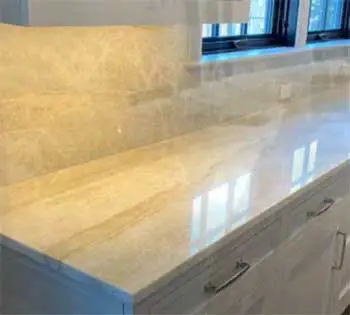
Taj Mahal quartzite immediately caught my eye with its soft, inviting warmth.
The creamy ivory to beige base feels gentle and luxurious, reminiscent of classic marble but without the fragility.
Subtle gold and beige veins flow gracefully across the surface, creating an understated elegance that never shouts for attention.
This Brazilian quartzite has become a go-to for many because of its timeless appeal.
I loved how it softened the look of my sample kitchen mockup, blending seamlessly with both traditional and contemporary elements.
The stone’s natural density gives it a substantial feel, and the way light plays across the surface adds quiet sophistication.
Key features include its marble-like aesthetic paired with superior strength, versatile neutral palette that suits almost any cabinet color, and excellent heat and scratch resistance for real-world use. Finishes range from polished for brilliance to leathered for a velvety touch that feels warm under hands.
- Warm undertones that create a welcoming, homey atmosphere in any room
- Gentle veining patterns that flow naturally without busy distraction
- High translucency that gives the stone incredible depth and luminosity
- Exceptional durability suitable for busy families and frequent entertaining
- Timeless beauty that holds its value and looks fresh for years
- Easy coordination with a wide range of design styles and materials
- Dense composition that minimizes porosity when properly sealed
- Soft color shifts that adapt beautifully to changing light throughout the day
- Proven track record in luxury kitchens and bathrooms worldwide
- Ability to elevate even simple spaces into something special
Handling Taj Mahal slabs made me understand why so many people consider it a classic choice.
Also Read: Comparison of Caesarstone And Quartzite Countertops.
Pros of Taj Mahal Quartzite
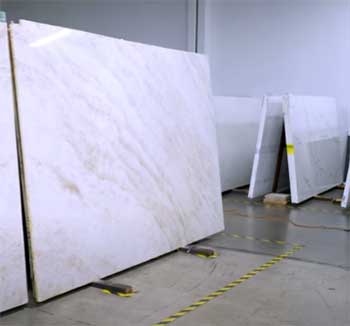
From my research and slab visits, Taj Mahal consistently impressed me with its balanced performance and beauty. It feels like a safe yet luxurious investment that many homeowners and designers return to again and again.
- Timeless warm tones that never go out of style and appeal to a broad range of tastes, from young families to empty-nesters
- Superior translucency and depth that make the stone glow beautifully under light, creating that expensive look instantly
- Outstanding durability that rivals or exceeds granite while looking far more elegant and refined
- Versatile enough to complement white, wood, navy, or even bold colored cabinets without clashing
- Heat resistance that stands up to hot cookware without damage, perfect for serious home cooks
- Subtle veining that adds character while maintaining a clean, sophisticated look that photographs beautifully
- High resistance to scratching and chipping in normal household use, reducing worry about daily accidents
- Adds significant perceived value to your home during resale considerations, often praised by real estate agents
- Forgiving surface that often hides minor daily marks better than cooler stones, keeping it looking newer longer
- Wide availability from reputable suppliers, making sourcing easier and reducing project delays
- Beautiful book-matching possibilities for dramatic island or waterfall designs that become focal points
- Feels luxurious under touch with smooth polished or soft leathered finishes that invite you to run your hand across it
I found myself drawn to how Taj Mahal makes everyday cooking feel a bit more special and turns ordinary moments into something memorable.
Cons of Taj Mahal Quartzite
Even with its strengths, I had to weigh some realistic drawbacks during my decision process. These realities helped me balance the emotional appeal with practical budget and lifestyle considerations.
- Higher price point that can stretch budgets, especially for larger projects with islands and backsplashes, pushing total costs noticeably higher
- Warm tones might show certain stains or discoloration more readily if sealing is neglected, demanding consistent care
- Popularity means some slabs can look similar, reducing uniqueness if you want something truly distinctive in your home
- Requires consistent sealing every 6-12 months to maintain stain resistance, which adds a recurring task many busy people forget
- Can feel overly traditional in ultra-modern minimalist homes, potentially clashing with very stark contemporary aesthetics
- Veining is subtle, which some people find too quiet compared to bolder patterns that make a stronger statement
- Potential for color variation that requires careful slab selection and matching, sometimes leading to extra time at the supplier
- Higher initial investment compared to more affordable quartzite alternatives, which may limit other upgrades in the remodel
- In some lighting, the creamy base can appear yellowish if not chosen carefully, shifting the intended warmth unexpectedly
- Fabrication and installation costs add up quickly due to the premium material, increasing the overall project expense
These factors pushed me to calculate total project costs carefully before committing.
Which One Should You Choose?
When I weigh everything, the decision comes down to your priorities and space. If you love warmer, softer elegance and do not mind investing more for that classic depth, Taj Mahal might feel like the right fit for you.
On the other hand, if cooler tones, added texture, and better value appeal while still delivering natural stone performance, Naica could be your ideal match.
I ultimately leaned toward one after seeing both in different lighting and imagining daily life around them. You should visit a stone yard yourself, bring cabinet samples, and hold them up to your walls.
Ask about current pricing and availability because the market shifts. Both stones will serve you well for years with proper care, but the one that makes you smile when you look at it wins.
Also Read: Comparison of Perla Venata And Taj Mahal Quartzite.
Frequently Asked Questions (FAQ)
No, they are similar Brazilian quartzites but not identical. Naica tends to have cooler tones and more pronounced veining, while Taj Mahal offers warmer hues and greater translucency. Some suppliers may interchange names, so always verify with samples.
Naica is generally more affordable than Taj Mahal, often falling into a mid-range price for premium quartzites. It provides strong value without reaching the higher costs associated with the most sought-after slabs.
Naica quartzite serves as one of the closest and most popular alternatives, offering comparable beauty and durability at a lower price point. Other options like Perla Venata or similar neutral quartzites can also work well depending on your preferred tones.
Taj Mahal quartzite remains highly popular in 2026 for its timeless warmth and versatility. Neutral beige and creamy tones continue to lead trends, with quartzites offering marble-like looks and strong performance staying in demand.
Final Thoughts
In the end, I encourage you to trust your instincts after seeing both stones in person. Whether you pick Naica for its modern edge and savings or Taj Mahal for its warm sophistication, you will enjoy a beautiful, durable surface that elevates your home.
Take your time, compare real slabs, and choose what feels right for the way you live. Both options prove that natural quartzite brings lasting beauty you can count on every single day.