
Moen Garbage Disposal Reviews From Someone Who Installed And Uses One Daily
After years of dealing with a struggling unit that jammed on basic scraps and rattled the whole cabinet, I installed a Moen and the difference hit immediately. You get faster grinding, simpler setup, and solid everyday reliability without overspending.
If your current disposal is loud, slow, or leaking, a Moen model makes sense for most home kitchens. The combination of high-speed performance and practical features solves the common headaches that push people toward replacements.
My Experience With The Moen Disposal
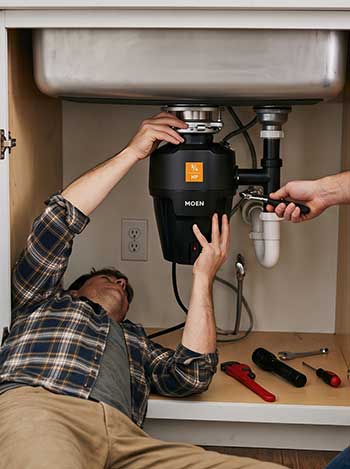
I pulled the trigger on a Moen Host Series EX75C after my previous unit started tripping the reset button every other week.
Installation took me under an hour once I cleared the old flange.
The Universal Xpress Mount snapped onto the existing three-bolt assembly without extra parts or trips to the store.
The pre-installed power cord meant I plugged it in and tested it before even tightening the discharge pipe fully.
That small detail saved time and reduced the usual frustration of hunting for wiring.
On the first night I ran a full load of dinner scraps—vegetable peels, citrus rinds, and some cooked chicken bits.
The motor hit full speed almost instantly and cleared everything in seconds.
I expected the typical grinding roar, but the SoundSHIELD insulation kept the noise to a steady hum rather than the sharp vibration I was used to.
Cold water running the whole time flushed the chamber clean, and nothing lingered when I checked later.
Over the following weeks I pushed it with banana peels, eggshells, and small fruit pits. It handled them without hesitation. I still avoid large bones and stringy celery on purpose, but the unit never stalled the way my old one did on fibrous scraps.
The compact body left more room under the sink for cleaning supplies, which I appreciate every time I reach for the trash bags. After a couple of months the reset button stayed untouched. The only maintenance so far has been the occasional ice cube and salt run to keep the grinding components sharp.
You notice the difference most on busy weeknights when several people cook. Cleanup feels faster because the disposal does not bog down.
Guests never comment on the noise the way they used to. For a household that cooks from scratch several times a week, the EX75C sits in a useful middle ground—powerful enough for real meals yet straightforward enough that I installed it myself without calling a plumber.
Also Read: Is Glacier Bay Garbage Disposal Worth It?
Pros of Moen Garbage Disposal
- High Speed Vortex Motor Performance
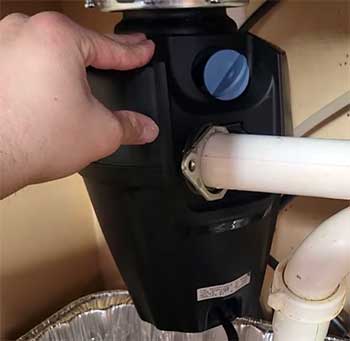
The permanent magnet Vortex motor spins in the 2600 to 2800 RPM range, which is noticeably quicker than the slower induction motors common in many other brands.
You feel that speed when scraps drop in and disappear before you even turn the faucet fully on.
In my kitchen the EX75C processes a typical plate of leftovers in one short cycle instead of needing a second pass.
That rapid action reduces the chance of material packing against the grind ring and creating a jam.
Everyday items such as potato skins, coffee grounds, and soft vegetable waste move through without the hesitation I used to manage by feeding slowly.
Because the motor reaches full speed almost at once, startup strain stays lower, which helps the unit stay consistent month after month.
- Easy Installation With Universal Xpress Mount
Most Moen models use a mounting system that fits existing three-bolt flanges. You can often leave the old sink flange in place, twist the new unit into position, and lock it with the supplied tool.
In my case the whole swap stayed under the sink without needing to drop the plumbing completely. The pre-installed power cord removes one more step—no separate cord purchase or hardwiring unless local code requires it.
Homeowners who have swapped a disposal before finish faster, and even first-timers follow the straightforward steps without specialty tools beyond a screwdriver and pliers. That accessibility lowers the barrier if you prefer to handle the job yourself rather than schedule a service call.
- Soundshield Insulation And Compact Design
SoundSHIELD wraps many models and cuts the mechanical noise to a controlled level rather than the sharp rattle of bare housings. In daily use the EX75C stays conversation-friendly while running. The compact footprint also frees under-sink space.
You gain room for storage bins or the dishwasher drain line without the unit crowding everything else. Stainless steel grinding components on mid-range and higher models resist corrosion better than basic galvanized options, so the chamber stays effective longer when you follow basic rinsing habits.
These practical touches add up when the disposal sits in a busy kitchen that sees use multiple times each day.
- Strong Warranty Coverage On Popular Models
Higher-end Moen units such as the EX75C and Chef Series models often carry a 10-year limited warranty that includes in-home service. That coverage gives confidence when you invest in a unit meant to handle regular cooking.
Lower models still offer multi-year protection that exceeds the shortest warranties on entry-level competitors. Knowing service is available if a defect appears takes some pressure off the decision, especially if you cook frequently and rely on the disposal every evening.
Cons of Moen Garbage Disposal
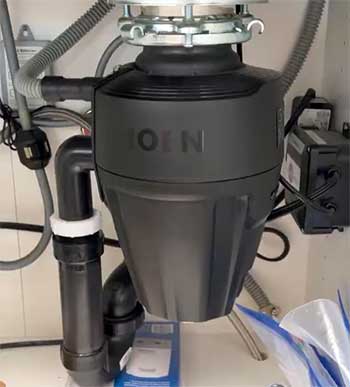
- Polymer Grinding Chamber On Some Models: Certain Moen units use a polymer composite for the grinding chamber rather than full stainless steel throughout. The grinding components themselves are often stainless, yet the chamber material can show wear faster if you regularly process abrasive scraps or live in a hard-water area. Over several years mineral scale may build more readily, requiring consistent cleaning to keep performance sharp. Premium competitors sometimes use metal chambers across more of the unit, which can edge out longevity in the heaviest-use kitchens.
- Single Stage Grinding Versus Multi Stage Options: Moen relies on a single-stage grinding process. It clears waste quickly thanks to motor speed, but it does not offer the progressive multi-stage grinding found on some higher-end InSinkErator Evolution models. Tough fibrous items or larger pieces may need a second short run or careful feeding. For most households the difference stays minor, yet if you process a high volume of dense scraps every day the multi-stage approach can leave less residual material behind in one pass.
- Noise Level Compared To Premium Quiet Models: While SoundSHIELD helps, Moen units generally run louder than the quietest InSinkErator Evolution models that use layered SoundSeal technology. In an open kitchen the hum remains noticeable during longer runs. If absolute silence matters more than cost or install ease, you may prefer a premium competitor even at a higher price. Everyday conversation usually continues fine, but late-night cleanup can still carry a bit of background sound.
Also Read: Comparison of Moen And InSinkErator Garbage Disposals.
Maintenance And Tips For Moen Garbage Disposal
- Run Cold Water Before During And After Use
Always start cold water before you turn the disposal on and keep it running for several seconds after the grinding stops. Cold water solidifies any residual grease so it does not stick inside the chamber or pipes.
In practice I leave the faucet on while scraping plates and continue for a short flush once the motor quiets. This simple habit prevents the gradual buildup that leads to odors or reduced grinding efficiency over months of use.
Hot water can soften fats and allow them to coat surfaces, so sticking with cold keeps the system clearer longer.
- Clean Regularly With Ice Cubes Salt And Citrus
Every week or two I drop a handful of ice cubes into the running disposal followed by a couple tablespoons of coarse salt or a few citrus peels. The ice acts like a scrubbing agent against the grind components while the salt helps abrade away film.
Lemon or orange rinds leave a fresh scent and break down easily. After the ice clears I run water for another half minute. This routine keeps the chamber sharp and reduces the chance of odors developing between deep cleanings. You avoid chemical cleaners that can damage seals or void warranty coverage.
- Avoid Problem Foods And Clear Jams Properly
Steer clear of large bones, excessive grease, stringy celery or corn husks, and expandable items such as pasta or rice in quantity. Feed scraps gradually rather than dumping a full load at once.
If the unit ever jams, switch it off at the wall, insert the provided Allen wrench or a wooden spoon handle into the bottom or top opening, and work the flywheel free. Press the reset button on the bottom once cleared, then test with water only.
Most stalls resolve this way without a service call. Checking the reset button first saves time when the motor simply overheats from a temporary overload.
- Inspect Mount And Flush Monthly
Once a month I tighten the mounting bolts if needed and look for any seepage around the flange. A loose mount creates vibration that wears bearings faster.
Running a longer cold-water flush after heavy use also carries away fine particles before they settle. These quick checks take only a few minutes yet extend reliable service toward the upper end of the typical 8-to-12-year range for well-maintained Moen units.
Comparison of Moen Garbage Disposal With Other Brands
- Moen Versus InSinkErator Garbage Disposal

When I compared the two side by side for my own kitchen, the motor difference stood out immediately.
Moen runs a Vortex permanent magnet design that hits 2600 to 2800 RPM and reaches full speed almost instantly, so scraps clear the chamber faster on a normal dinner load.
InSinkErator sticks with slower induction motors around 1725 RPM on most models, which trade some speed for higher torque per rotation.
On everyday vegetable peels and plate scraps my Moen finishes the cycle quicker and with fewer mid-grind pauses.
InSinkErator’s higher-end Evolution line adds multi-stage grinding that can leave finer particles after one pass on tougher items, which helps if you process a lot of fibrous waste every day.
Noise follows a similar split. SoundSHIELD insulation on Moen models keeps the sound to a steady hum that stays conversation-friendly in an open kitchen. InSinkErator’s top SoundSeal systems stay quieter during longer runs, especially on the Evolution series.
Installation favors Moen for most homeowners. The Universal Xpress Mount locks onto existing three-bolt flanges with less fuss, and the power cord comes pre-installed on popular units so you avoid an extra trip or hardwiring step.
InSinkErator cords are often sold separately, and some models need tighter alignment during the swap. Price and warranty tilt toward Moen on mid-range 3/4 HP units that deliver solid coverage and features at a lower cost than comparable Evolution models.
If absolute quiet and multi-stage grinding matter more than cost or DIY ease, InSinkErator still holds the edge for heavy daily use. For typical household cooking the Moen approach solves the same problems with less overhead.
- Moen Versus American Standard Garbage Disposal

American Standard units also rely on permanent magnet motors and often emphasize slim-line designs that fit tight under-sink spaces.
Several models include built-in odor protection and a magnetic Silver Guard that helps catch dropped utensils.
Stainless steel grinding components appear across much of the lineup, and warranties stretch to 10 or 12 years plus lifetime corrosion coverage on higher models.
In practice those features give American Standard a strong case for compact kitchens that see moderate use and want extra protection against metal objects.
Moen matches the high-speed motor approach and adds more consistent SoundSHIELD coverage across its popular Host and Prep series. The pre-installed power cord and Universal Xpress Mount simplify the swap for anyone replacing an older three-bolt unit.
Brand familiarity from faucets and sinks also helps when you want parts or service support later. American Standard can edge ahead on raw horsepower options that reach 1.25 HP and on the odor-control feature found on select Elite models.
For most daily meal cleanup the two perform similarly once installed, yet Moen’s included cord and mounting system reduce the steps if you prefer to handle the job yourself.
Choose American Standard when slim dimensions or the Silver Guard matter most; stick with Moen when easy installation and balanced everyday performance drive the decision.
- Moen Versus Waste King Garbage Disposal

Both brands use high-speed permanent magnet motors in the 2600 to 2800 RPM range, so grinding feels quick and jams stay rare on normal scraps.
Waste King often prices lower and pairs the speed with long warranties on certain L-series models, making it a frequent budget pick for rentals or lighter households.
EZ Mount systems on many Waste King units also speed up replacement.
Moen separates itself through more uniform SoundSHIELD insulation that lowers the cabin vibration and overall noise you notice while the unit runs.
The pre-installed cord appears on a wider range of models, and the Universal Xpress Mount fits existing three-bolt assemblies with fewer adjustments.
Stainless grinding components on Moen mid-range units hold up well under regular cold-water rinsing. Waste King can match or beat the price on entry-level power, yet the insulation and included cord on Moen reduce the extras you handle during install and the noise you live with afterward.
For a straightforward household upgrade the Moen package delivers more consistent features without a large price jump. Waste King remains the stronger pure value play when budget constraints dominate and you accept slightly more operational sound.
- Moen Versus Criterion Garbage Disposal

Criterion, the Menards house brand, focuses on budget-friendly units with permanent magnet motors, stainless steel grinding components on many models, and warranties that often run five to ten years at a low price.
High RPM figures around 2600 to 2700 appear on popular 1/2 HP and 3/4 HP options, and a pre-connected power cord is common.
The result is solid basic performance for light to moderate cooking at a cost that undercuts most name brands.
Moen adds refined touches that show up in daily use.
SoundSHIELD insulation appears more consistently, the mounting system locks onto standard three-bolt flanges with less trial and error, and overall build consistency benefits from broader retail availability and service networks.
Criterion’s stainless chamber and lifetime corrosion coverage on some units give it a durability argument at the lowest price points, yet the sound level and feature polish stay simpler.
If you shop primarily at Menards and want maximum horsepower per dollar for occasional use, Criterion covers the need. For a unit you will run several times a week with predictable quiet operation and straightforward support, the Moen models provide a more complete everyday package.
Frequently Asked Questions (FAQ)
It depends on your kitchen. Moen offers strong value and easy installation for typical households. InSinkErator leads for the quietest premium performance and multi-stage grinding on heavy daily use.
Moen often wins on price, included cord, and faster motor speed for everyday scraps. InSinkErator can be quieter and finer-grinding on higher models. Choose based on noise preference and budget.
Most last 8 to 12 years with proper cold-water use and regular cleaning. Higher models with longer warranties frequently reach the upper end when installation is solid and problem foods are limited.
Owners frequently praise the easy Universal Xpress Mount installation, reliable 3/4 HP grinding, and 10-year warranty. Many note quieter operation than basic units and solid performance on normal meal scraps.
Wrapping Up
After living with the Moen unit for months, I recommend you buy one if your current disposal struggles with noise, jams, or install hassle. The combination of quick grinding, practical features, and solid coverage solves daily kitchen friction without unnecessary cost.
You will notice cleaner cleanup and fewer interruptions once it is under the sink.