
I remember the first time I decided to mill my own flour at home. I wanted fresh, nutrient-packed results for my bread and baked goods, but choosing between the Mockmill and Komo felt overwhelming.
After months of research, testing both brands side by side in my kitchen, and baking loaf after loaf, I am sharing my real-user experience here.
The main intent of this article is to help you decide which grain mill fits your baking life best by breaking down their features, performance, pros, cons, and key differences in a straightforward way.
Whether you are just starting out or upgrading your setup, I hope my perspective saves you time and money.
| Feature | Mockmill (e.g., 100/200 models) | Komo (e.g., Classic/Fidibus) |
| Price Range | Generally more affordable ($199–$659) | Higher ($299–$1099) |
| Hopper Capacity | Larger (2.4–2.8 lbs) | Smaller (1.9–2.6 lbs) |
| Milling Speed | Faster in comparable models (up to 200g/min) | Steady but often slower |
| Noise Level | A bit louder | Quieter overall |
| Warranty | 6–7 years typical | Up to 12 years |
| Aesthetics | Modern, functional | Beautiful wooden design |
| Flour Fineness | Excellent uniformity | Often praised for smoothness |
| Ease of Cleaning | Very simple | Self-cleaning, minimal effort |
| Motor Power | Strong for the price | Industrial strength |
This table gives you the quick snapshot. Now let me walk you through the details as if we are chatting over coffee in my kitchen.
Key Differences Between Mockmill And Komo
I have used both mills extensively, and while they both produce fantastic fresh flour, they shine in different areas. Here is what stands out to me:
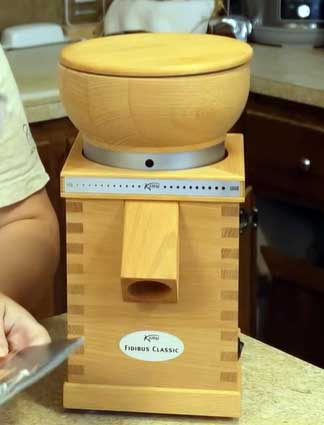
- Design and Build Quality: The Mockmill feels practical and sturdy with its mix of materials, including options for wood accents. It has a slimmer profile that fits nicely on my counter without dominating the space. Komo, on the other hand, has that classic European wooden craftsmanship that makes it look like a piece of furniture. I love leaving the Komo out because it adds warmth to the kitchen, but the Mockmill wins for everyday practicality.
- Performance in Daily Use: Mockmill often edges out in speed for larger batches. I can mill what I need for a big baking day quicker. Komo feels more refined in operation, with a smoother overall process that some bakers prefer for consistent results over time.
- Flour Output and Quality: Both deliver cool flour that preserves nutrients better than high-speed impact mills. Mockmill gives me very uniform particles, which helps in even hydration during dough mixing. Komo produces flour that feels exceptionally smooth, sometimes leading to slightly better rise in certain recipes according to my tests.
- Capacity and Hopper: Mockmill’s larger hopper means fewer refills when I am milling for the week. This small convenience adds up when you bake frequently.
- Adjustability: Both offer stepless grind settings from fine pastry flour to coarse cracked grains. I find the Mockmill’s dial intuitive for quick changes mid-session.
- Noise and Heat: Komo runs noticeably quieter, which matters if you have kids or sensitive ears around. Mockmill mills fast but produces a bit more sound. Both keep the flour cool, avoiding nutrient loss.
- Longevity and Support: Komo’s longer warranty gives extra peace of mind. Mockmill holds up incredibly well in my experience, with solid customer support behind it.
These differences come down to priorities. If you value speed and value, Mockmill speaks to me. If aesthetics and quiet operation top your list, Komo feels more premium.
Key Features of Mockmill
I started with the Mockmill because it seemed approachable for a home baker like me. Here is what I appreciate most after regular use, with each aspect unpacked from my hands-on experience:
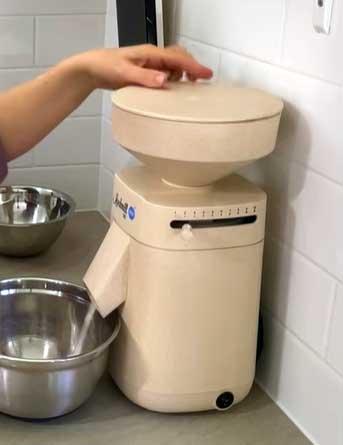
- Powerful Yet Compact Motor: The industrial motors in models like the Mockmill 200 handle hard grains without bogging down. I have milled einkorn, spelt, and even corn without issues, and the motor maintains consistent RPMs even during longer runs. This reliability means I never worry about it overheating or slowing during peak baking seasons.
- Stepless Adjustment Dial: Turning the knob lets me go from pastry-fine to cracked wheat in seconds. This versatility means one machine covers bread flour, pizza dough, and porridge. I can fine-tune on the fly if a particular batch of grain feels different, which has saved many recipes from inconsistency.
- Corundum-Ceramic Stones: These stones create consistent, high-quality grinds. I notice the flour has great texture that improves my sourdough by allowing better gluten development and water absorption. The stones stay sharp over time, delivering the same performance after hundreds of uses.
- Easy Maintenance: Cleaning is straightforward. I run a bit of dry grain through after oily seeds to keep things fresh. No complicated disassembly most days, and the design minimizes flour buildup in hard-to-reach spots, so upkeep takes just a couple of minutes.
- Multiple Models for Different Needs: The 100 series suits occasional bakers with its balanced speed and affordability. The 200 ramps things up for bigger families or serious enthusiasts. There are even professional versions if you scale up your home bakery operation.
- Attachment Options: Some setups allow mixer integration, adding flexibility if you already have stand mixers in your kitchen. This modularity lets you build a system tailored exactly to your workflow.
- Efficient Yield: I get more usable flour per pound of grain compared to some competitors, with less residue left behind. Every kernel counts toward better nutrition and less waste in my pantry.
- Cool Grinding: The stones run at a pace that keeps flour temperatures low, preserving enzymes and flavor. I can immediately use the flour in recipes without waiting for it to cool down, which keeps my baking process flowing smoothly.
- Durability in Real Life: After hundreds of pounds, mine still performs like new. The build inspires confidence for long-term use, with sturdy construction that handles accidental bumps or frequent moves between counter and storage.
- Value Proposition: You get professional-level results without the highest price tag, making fresh milling accessible. This balance lets me invest the savings in better quality organic grains for even tastier outcomes.
These features make the Mockmill a workhorse that fits my busy baking routine perfectly and keeps me excited to experiment with new recipes.
Pros of Mockmill
Let me elaborate on why I often recommend Mockmill to friends starting their fresh flour journey, drawing from real baking sessions:
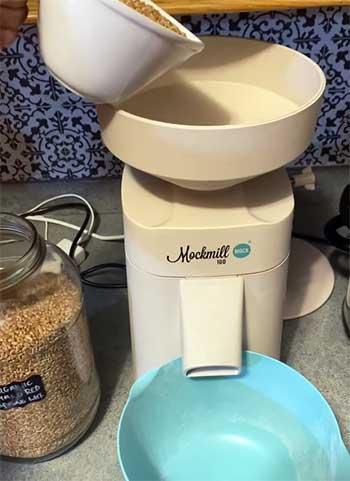
- Affordability Without Compromise: You pay less upfront but get comparable or better performance in speed and capacity. This leaves budget for quality grains or other baking tools, making the whole fresh-milling lifestyle more attainable right from the start.
- Speed for Busy Kitchens: Faster milling means I spend less time waiting and more time baking. Great when prepping for holidays or weekly meal prep. I can process enough for several loaves in the time it takes to prepare other ingredients.
- Larger Hopper Capacity: Fewer interruptions during big sessions. I load it up and walk away briefly while it works, freeing me to knead dough or chop additions without constant monitoring.
- Uniform Particle Size: Leads to better dough consistency. My breads have improved texture and crumb since switching, with even fermentation and beautiful oven spring that impresses everyone at the table.
- Small Footprint: Fits on the counter or stores easily. Ideal for smaller kitchens where space is at a premium but you still want professional results.
- Versatility Across Grains: Handles everything from soft wheat to legumes smoothly. I experiment with ancient grains regularly, and the mill adapts without needing special settings or extra effort.
- Simple Operation: Intuitive controls mean even beginners pick it up fast. No steep learning curve, so I was baking better bread within the first week of ownership.
- Minimal Heat Buildup: Protects the nutritional profile, which was my main reason for buying a stone mill. Vitamins, minerals, and natural flavors stay intact for healthier baked goods.
- Positive User Feedback Loop: Many bakers report reliable long-term performance, matching my experience. This community validation builds trust when you are committing to a new kitchen habit.
- Modern Aesthetics Options: Choose plastic for budget or wood for style without sacrificing function. It blends into my kitchen without looking out of place.
- Easy to Recommend for Families: Scales well as your baking increases. Kids love watching it work, turning milling into a fun family activity that teaches where food really comes from.
- Efficient for Re-Milling: If a batch comes out coarser than wanted, I run it through again easily. This flexibility prevents waste and ensures I always have the exact texture needed for the recipe.
These pros make daily use enjoyable rather than a chore, turning what could be a tedious task into a satisfying part of my routine.
Cons of Mockmill
No product is perfect, and being honest helps you set expectations based on my actual usage:
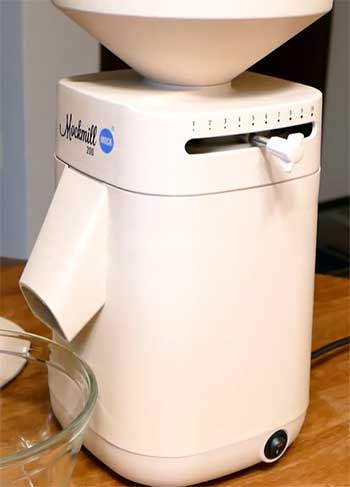
- Noise Level: It is louder than some alternatives. I mill when the house is awake or use ear protection for longer sessions, as the sound can carry through the kitchen during extended runs.
- Warranty Length: Shorter than Komo’s top offerings. Still solid coverage, but heavy daily users might wish for extra years of manufacturer assurance.
- Aesthetics: Functional over fancy. It looks good but does not have the heirloom furniture vibe that makes some mills blend seamlessly as decor.
- Hopper Refills for Very Large Batches: Though larger than many, big commercial-style days might require more attention and multiple top-ups.
- Learning Finer Settings: Achieving ultra-fine pastry flour takes some practice with adjustment. Early batches may vary until you dial in your technique.
- Availability of Parts: Depending on your location, sourcing accessories might take longer than expected.
- Initial Investment Perception: Though affordable, it still costs more than basic attachments, which can feel significant when first committing.
- Dust Management: Like most mills, some flour dust escapes, but less than impact types. A quick wipe afterward keeps things tidy.
- Weight: Sturdy build means it is not the lightest to move around the kitchen or for travel.
- Specific Model Variations: Choosing the right one (100 vs 200) requires thinking about your volume and future needs to avoid under- or over-buying.
These drawbacks are manageable and have not deterred me from loving mine over the long term.
Key Features of Komo
Switching to Komo for comparison showed me another excellent approach to home milling. Here is a closer look at what stands out in daily practice:
- Elegant Wooden Construction: Beech or walnut finishes make it a kitchen centerpiece. The natural wood not only looks beautiful but feels solid and warm to the touch, elevating the entire milling experience.
- Quiet Operation: One of the quietest stone mills I have tried. Perfect for apartments or early mornings when the rest of the household is still sleeping.
- Long-Lasting Corundum Stones: Deliver consistent, fine results over years. The stones maintain their performance without frequent dressing, giving reliable output session after session.
- Self-Cleaning Design: Minimal residue and easy wipe-down. Very low maintenance, so I spend less time cleaning and more time enjoying the fresh flour.
- Industrial Strength Motor: Handles daily use reliably with steady power that never feels strained, even with denser grains.
- Precise Hopper Adjustment: Twist to change grind settings smoothly. The mechanism feels premium and allows very gradual changes for perfect customization.
- Variety of Models: From compact to larger ones with attachments like flakers. This range lets you grow with your needs without starting over.
- Nutrient-Preserving Grind: Keeps flour cool and full of flavor. The gentle process protects delicate nutrients better in my tests with sensitive grains.
- Sealed System: Reduces flour leakage during operation, keeping the counter cleaner and maximizing every bit of grain.
- German/Austrian Engineering: Known for craftsmanship and attention to detail. Every component feels thoughtfully designed for longevity and user comfort.
These features create a premium experience focused on simplicity and beauty that makes milling feel like a mindful ritual.
Pros of Komo
Here is why many bakers, including me during testing, appreciate Komo in greater depth:
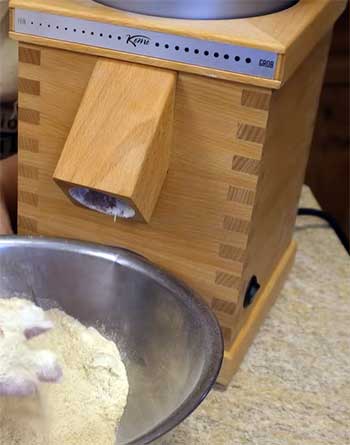
- Superior Quiet Performance: Makes milling less disruptive to household life. I can run it without disturbing conversations or naps, which is invaluable in shared living spaces.
- Stunning Looks: Enhances the kitchen rather than hiding away. Guests often comment on it, turning a functional tool into a conversation starter about homemade food.
- Long Warranty: Up to 12 years offers confidence in durability. This extended protection reduces worry about potential issues down the road.
- Smooth Flour Texture: Often produces exceptionally fine, consistent results that shine in pastries and delicate cakes. The mouthfeel in final baked goods is noticeably superior in many cases.
- Ease of Use for Beginners: Straightforward with minimal fuss. New users get great results quickly without extensive trial and error.
- Self-Cleaning Efficiency: Saves time after each use. The design practically empties itself, making the post-milling cleanup almost effortless.
- Reliable for Daily Baking: Consistent output batch after batch. This predictability helps when you are developing recipes or baking on a schedule.
- Excellent Build Quality: Feels solid and well-engineered from the first use. The materials and assembly inspire trust that it will last for decades.
- Good for Smaller Batches: Hopper works well for just enough flour for one or two loaves, preventing over-milling and waste.
- Nutritional Focus: Preserves qualities of fresh grains effectively. The cool grind keeps enzymes active for better digestion and taste.
- Community Reputation: Strong following among serious home bakers. This shared enthusiasm provides plenty of tips and recipe ideas from fellow users.
- Optional Accessories: Sifters and more expand functionality. You can create a complete milling station that grows with your skills.
Komo delivers a refined milling session every time that feels special.
Cons of Komo
To balance things out, these are areas where I noted trade-offs during extended use:
- Higher Price Point: Costs more for similar capabilities, which might stretch budgets for some home bakers starting out.
- Smaller Hopper: Requires more frequent filling for large quantities. This can slow down big production days.
- Slower Milling in Some Models: Takes a bit longer compared to faster Mockmill options, adding time when you need flour in a hurry.
- Weight and Size: Heavier and bulkier in some versions, making it less convenient to reposition frequently.
- Premium Cost for Aesthetics: Paying extra for the look if function is primary. Not everyone needs the furniture-quality design.
- Potential Residue in Chamber: Some users note minor flour retention until next run. It is small but requires occasional extra attention.
- Adjustment Learning: Hopper twist can feel tight initially until you get the feel for it.
- Fewer Budget Options: Entry models still command higher prices, limiting accessibility for casual users.
- Availability: Depending on region, might have longer wait times for popular models or parts.
- Less Speed for High Volume: Not ideal if you mill massive amounts regularly for a large family or small business.
These cons matter more or less depending on your setup and priorities, but they are worth weighing carefully.
Also Read: Differences Between DF54 And DF64 Single-Dose Grinders.
Frequently Asked Questions (FAQ)
Yes, Mockmill is a solid, reliable brand known for producing high-quality flour with good speed and versatility.
It depends on your needs, but both Mockmill and Komo rank among the top for home use, with many considering them excellent choices.
Yes, Mockmill models occasionally go on sale or offer bundles, especially during holidays or promotions.
Komo serves as a strong alternative, along with other stone mills, depending on your priorities for features and price.
Final Thoughts
After all my testing and baking, I see real value in both the Mockmill and Komo. You will love the fresh flour either way, transforming your kitchen creations.
I encourage you to consider your needs—speed and value point me toward Mockmill, while quiet elegance draws me to Komo.
Whichever you pick, you are investing in better health and tastier meals for yourself and your family. Go ahead and take that step; your future loaves will thank you.