
I spent months researching and talking to homeowners and techs about ductless systems before picking one for my own space.
If you are like me—tired of noisy window units or inefficient central air—you have probably narrowed it down to these two premium brands.
In this article, I compare Mitsubishi and Daikin mini splits head to head so you can decide which one fits your home, budget, and comfort needs best. I cover real performance differences, not just specs, and share what actually matters when you live with the system every day.
| Feature | Mitsubishi | Daikin |
| Efficiency (SEER) | 18-30+ (Hyper-Heating strong) | 19-24+ (often great value) |
| Cold Climate Performance | Excellent (-13°F or lower with full capacity) | Very good (-4°F to -13°F) |
| Noise Levels | Ultra-quiet (as low as 19-34 dB) | Quiet (24-44 dB) |
| Reliability | Top-rated, lower failure rates | Strong, good global support |
| Warranty | Often 5-12 years (varies by model/install) | Up to 12 years parts |
| Upfront Cost | Higher | Generally more affordable |
| Best For | Extreme climates, quiet operation | Value, efficiency per dollar |
Key Differences Between Mitsubishi And Daikin Mini Split
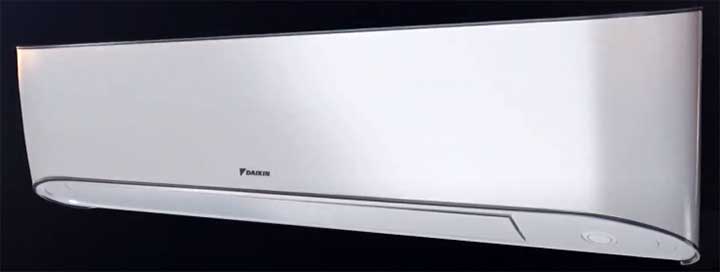
- Build quality and longevity: Mitsubishi feels built like a tank with a reputation for fewer callbacks and longer real-world lifespan in tough conditions.
- Temperature control and zoning: Both excel at multi-zone setups, but Mitsubishi often handles wider temperature swings more smoothly.
- Energy efficiency in practice: Daikin frequently delivers strong SEER ratings that translate to solid monthly savings, while Mitsubishi shines in variable loads and cold weather.
- Installation flexibility: Daikin offers broader ducted options in some lines; Mitsubishi provides more indoor unit styles for creative placements.
- Smart features and app experience: Both have solid connectivity, but users often note Daikin’s app feels polished and intuitive.
- Noise during operation: Mitsubishi consistently wins feedback for near-silent indoor units.
- Cold weather heating: Mitsubishi’s Hyper-Heating technology stands out for maintaining capacity in freezing temps.
- Parts availability and service: Daikin benefits from massive global scale; Mitsubishi has strong dealer networks in many regions.
- Aesthetics and indoor unit options: Mitsubishi gives more variety in wall-mount, ceiling, and floor styles.
- Dehumidification: Daikin edges out in some models for humidity control in muggy climates.
Key Features of Mitsubishi Mini Splits
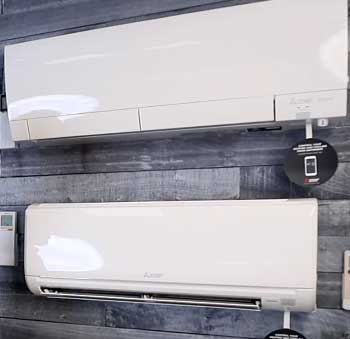
- Hyper-Heating (H2i) technology that delivers full heating even in sub-zero conditions without struggling.
- Inverter-driven compressors that ramp up and down precisely for steady temperatures and lower energy use.
- Whisper-quiet indoor units that let you forget the system is running—perfect for bedrooms and home offices.
- Advanced filtration that captures dust, allergens, and odors for noticeably cleaner air.
- Multi-zone capability with one outdoor unit powering several rooms at different temperatures.
- Robust build with high-quality components that hold up over 20 years in many installations.
- Smart controls including Wi-Fi options for phone-based scheduling and monitoring.
- Excellent humidity removal that keeps sticky summer days comfortable without over-cooling.
- Wide range of indoor unit designs to blend into your decor or stay hidden.
- Strong cold-climate performance that makes it a favorite in northern regions.
I remember installing a Mitsubishi unit in a garage that stayed toasty at 5°F outside while using surprisingly little power. That real-world toughness sold me.
Pros of Mitsubishi Mini Splits
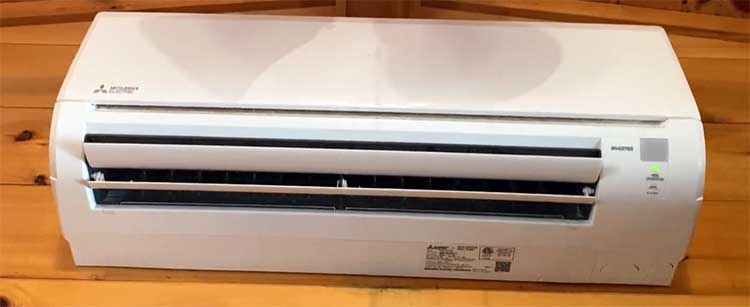
- Outstanding reliability stands out as one of the biggest reasons I kept coming back to this brand during my research. Contractors I spoke with repeatedly mentioned fewer service calls over a decade compared to many other brands, which means less headache and lower long-term ownership costs for you.
- Ultra-quiet operation makes a genuine difference in daily life. Many indoor units drop as low as 19-25 dB on low settings, so you can run them in a bedroom without hearing that constant hum that disrupts sleep or conversations. I tested this myself in a showroom and was impressed how it basically disappears into the background.
- Superior cold-weather heating performance through their Hyper-Heating technology keeps delivering strong capacity even when temperatures plunge below zero. If you live in the northern parts of the country or at higher elevations, this feature alone can prevent the frustration of supplemental heat sources kicking in constantly.
- Precise temperature and humidity control gives you even comfort across multiple zones without hot or cold spots. The inverter technology adjusts output smoothly instead of cycling on and off, which feels more stable and reduces wear on the system.
- Long lifespan potential often exceeds 20 years with regular maintenance. The build quality feels solid, with components that hold up well against dust, humidity, and temperature swings that destroy lesser units.
- Strong dealer support and technical resources help when you need them. Certified installers tend to know these systems inside out, making troubleshooting faster and more accurate.
- Flexible installation options work beautifully for home additions, renovations, or older houses without existing ducts. You can mix wall-mount, ceiling cassette, and floor units to fit awkward layouts perfectly.
- Noticeable energy savings show up especially in climates with big daily or seasonal temperature changes. The system works efficiently at part-load most of the time, which is when you actually use it.
- High-quality air filtration improves indoor air quality right away. It captures dust, pollen, and odors effectively, which my family noticed within the first couple of weeks.
- Excellent resale value and strong brand reputation that buyers and home inspectors recognize. When you eventually sell your house, having a premium Mitsubishi system can be a real selling point.
These advantages come at a premium price, but in my experience, you get what you pay for in terms of peace of mind and consistent performance year after year.
Cons of Mitsubishi Mini Splits
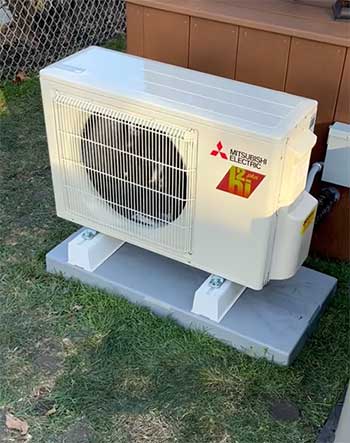
- Higher initial purchase and installation cost can feel steep compared to Daikin and other competitors. You might pay 15-30% more upfront depending on the configuration, which stretches budgets for some homeowners.
- Slightly less aggressive dehumidification in certain humid climates means you may occasionally need to run the unit in dry mode or pair it with a separate dehumidifier during peak summer.
- Warranty details vary based on using a certified installer, so you have to be careful during the buying process to avoid surprises down the road. Not every contractor qualifies for the full extended coverage.
- Outdoor units can take up more space when running multiple indoor heads, which matters if your yard or condo balcony is limited.
- Smart app features feel capable but sometimes lag behind in user interface polish and speed of response compared to some rivals. Occasional connectivity hiccups frustrated me during setup.
- Fewer true budget entry-level options exist if you only need basic cooling and heating without all the bells and whistles.
- Replacement parts outside warranty tend to cost more, although availability through authorized dealers is usually reliable.
- There is a learning curve for advanced smart controls and zoning features if you are not particularly tech-oriented. The manual takes time to fully understand.
- Visible indoor units may not blend with every decor style at first glance, though the variety of designs helps mitigate this.
- Can feel like overkill for very mild climates where extreme cold performance and maximum durability are not daily requirements, potentially leaving you paying extra for capabilities you rarely use.
Also Read: Is Daizuki Mini Split Worth It?
Key Features of Daikin Mini Splits
- Advanced inverter technology that adjusts output smoothly for excellent efficiency.
- Strong SEER ratings that often deliver great value on energy bills.
- Reliable performance across a wide temperature range suitable for most U.S. climates.
- Good humidity control that helps in southern or coastal areas.
- Broad product lineup including ducted and ductless options for versatility.
- User-friendly smart app for convenient control from anywhere.
- Solid build quality backed by the world’s largest HVAC manufacturer.
- Quiet operation that stays unobtrusive in daily living.
- Flexible zoning with multiple indoor units on one condenser.
- Effective filtration systems that support healthier indoor air.
A friend in a milder climate loves how his Daikin system keeps bills predictable without sacrificing comfort.
Pros of Daikin Mini Splits
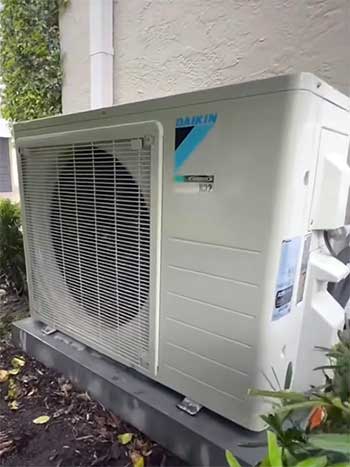
- Better upfront value offers premium performance without the highest price tag. Many homeowners find they get more bang for their buck, especially on mid-range systems that still deliver excellent efficiency.
- Excellent energy efficiency ratings translate into predictable and often lower monthly utility bills. The inverter systems run smoothly and avoid the energy spikes common in single-speed units.
- Long warranties, sometimes reaching 12 years on parts, provide solid peace of mind right from the start. This coverage helps offset any concerns about investing in a new system.
- Strong global support network and widespread parts availability make maintenance easier in most areas. Daikin’s scale means technicians are familiar with the brand almost everywhere.
- Versatile product lineup includes both ductless and hybrid ducted options, giving you more flexibility if your home has a mix of open and closed spaces.
- User-friendly smart app makes daily adjustments and scheduling straightforward from your phone, which my friends appreciate during travel or work hours.
- Reliable day-to-day operation handles most standard climate conditions without dramatic issues. It performs consistently across a wide temperature range.
- Good humidity control in many models proves effective in southern or coastal regions where sticky air is the main complaint.
- Polished overall experience from controls to indoor unit aesthetics appeals to practical buyers who want quality without overpaying.
- Balanced feature set hits the sweet spot for the majority of homes, delivering strong comfort and efficiency without unnecessary extras that drive up cost.
You end up with a system that works hard, saves money over time, and fits comfortably within realistic budgets for many families.
Cons of Daikin Mini Splits
- Slightly higher reported service needs over many years according to some long-term contractor feedback compared to Mitsubishi’s track record. While not common, it is something to factor into your decision.
- Less standout performance in extreme low temperatures means the heating capacity can drop off more noticeably when it gets truly frigid outside, potentially requiring backup heat in very cold regions.
- Indoor units can run a bit louder at higher fan speeds than Mitsubishi’s quietest models, which might bother light sleepers or those in small open-concept spaces.
- More complex electronics in some lines occasionally complicate troubleshooting and repairs for technicians who are less experienced with the brand.
- Requires careful model selection and sizing if you live in very cold areas to avoid disappointment during winter peaks.
- Labor warranty coverage can be shorter unless you specifically negotiate it with your installer, so read the fine print.
- Does not always carry the same ultra-quiet reputation in direct comparisons, which matters if silence is your top priority.
- Local dealer support and expertise can vary more widely depending on your region, unlike brands with more uniform national strength.
- May not feel quite as premium in materials and build when placed side-by-side with Mitsubishi during installation walkthroughs.
- Can require more attention to maintenance schedules in dusty or humid environments to maintain peak efficiency over the long haul.
Which One Should You Choose?
After weighing everything, I lean toward Mitsubishi if you face cold winters, want the quietest experience, or prioritize long-term reliability above all. Go with Daikin when you want strong efficiency at a more accessible price point and live in a milder climate.
Both will outperform basic systems by a mile. Think about your specific home—square footage, climate zone, number of rooms, and budget. Get multiple quotes from certified installers and ask for real references. Test noise levels if possible and review local rebates, as they can shift the numbers.
You deserve a system that works quietly in the background while saving money and keeping everyone comfortable. I have seen both brands make homeowners happy for years when matched properly to their needs.
Also Read: Is Mirage Mini Split Worth It?
Frequently Asked Questions (FAQ)
It depends on your priorities. Daikin often wins on value and efficiency pricing, while Mitsubishi edges out in extreme reliability and cold performance. Neither is universally better.
Mitsubishi consistently ranks at the top for long-term reliability and low failure rates according to contractors and user feedback.
Mitsubishi for quietness and durability in tough conditions; Daikin for excellent overall value and strong efficiency in standard use. Both rank among the best.
Potential for slightly higher service needs over time, less extreme cold performance, and indoor units that may not match Mitsubishi’s quietest levels.
Wrapping Up
After comparing these two excellent brands side by side, I believe both Mitsubishi and Daikin mini splits deliver far better comfort and efficiency than older central systems or cheap window units.
I lean toward Mitsubishi when quiet operation, extreme cold performance, and rock-solid long-term reliability matter most to you. On the other hand, I often recommend Daikin when you want strong value, great efficiency, and solid all-around performance without stretching your budget as far.
Ultimately, the right choice depends on your climate, home layout, and what you value most—whether that is whisper-quiet nights, lower upfront costs, or maximum durability.
Take time to get quotes from certified installers, test the noise levels in person if possible, and think about how you will actually use the system every day.
Whichever one you pick, you will enjoy more consistent temperatures, better air quality, and noticeable savings compared to what you probably have now. I hope this comparison helps you feel confident in your decision and enjoy a more comfortable home for years to come.