
I’ve examined the real challenges homeowners face when picking a roof that can handle relentless summer heat, and this article lays out a side-by-side look at metal roofs versus asphalt shingles.
You’ll see how each option performs on temperature control, long-term costs, upkeep, and comfort so you can decide what fits your home and climate without guesswork.
| Factor | Metal Roof | Asphalt Shingles |
| Upfront Cost | Higher (often 2–3× shingles) | Lower |
| Expected Lifespan | 40–70 years | 15–30 years |
| Heat Reflection | Excellent with cool coatings | Limited; absorbs more solar heat |
| Cooling Energy Impact | Can cut attic temps and bills 10–25% | Higher cooling demand in peak heat |
| Maintenance Needs | Minimal | Moderate to high over time |
| Weight | Lightweight | Heavier |
| Noise in Rain/Hail | Noticeable without insulation | Quieter |
| Fire Resistance | Class A, non-combustible | Class A possible but burns if ignited |
| Recyclability | High at end of life | Low; mostly landfill |
| Aesthetic Range | Standing seam, panels, stone-coated | Traditional look, many colors |
Key Differences Between Metal Roof And Asphalt Shingles

- Heat Behavior Under Intense Sun Metal surfaces with reflective finishes bounce a large share of solar radiation away before it turns into heat that sinks into the house. Asphalt shingles, especially darker ones, soak up that energy and transfer it downward, raising attic temperatures and forcing air-conditioning systems to work harder during the hottest hours of the day. In places where daytime highs stay above 95 °F for months, that difference shows up on monthly utility statements and in how comfortable the upper floors feel after sunset.
- Longevity Under UV And Thermal Cycling Constant expansion and contraction from daily temperature swings wear asphalt granules loose and dry out the underlying mat, leading to curling, cracking, and earlier replacement. Metal panels flex without breaking those bonds and resist UV degradation far longer, so the same roof can still look and perform well decades after a shingle roof would have needed a full tear-off.
- Weight And Structural Load A metal system typically weighs far less per square than a thick asphalt layer. That lower mass means less stress on rafters and trusses, which matters in older homes or when you plan to add solar panels later. Shingles add more dead load, and repeated re-roofing can push the structure closer to its design limit.
- Installation Footprint And Disruption Metal often goes on as large panels or sheets, so the crew finishes faster once the underlayment is ready. Shingles go down course by course, which takes more labor hours and creates more nail penetrations that later become potential leak points if not sealed perfectly. In hot weather the asphalt softens, making the work messier and more demanding on the installers.
- End-Of-Life Outcome When a metal roof finally reaches the end of its service life, most of the material can be recycled into new steel or aluminum. Shingles usually head to the landfill, adding to construction waste that municipalities already struggle to manage.
- Sound Transmission Without an acoustic underlayment or solid deck insulation, rain and hail can produce a louder drumming sound on metal. Shingles dampen that noise naturally. In a quiet neighborhood or a bedroom under the roof, that difference can matter more than many people expect until the first big storm hits.
- Color And Finish Stability High-quality metal coatings hold their color and reflectivity for decades with little fading. Asphalt colors fade faster under intense UV, and the loss of granules also reduces the roof’s ability to shed water cleanly.
Key Features of Metal Roofs
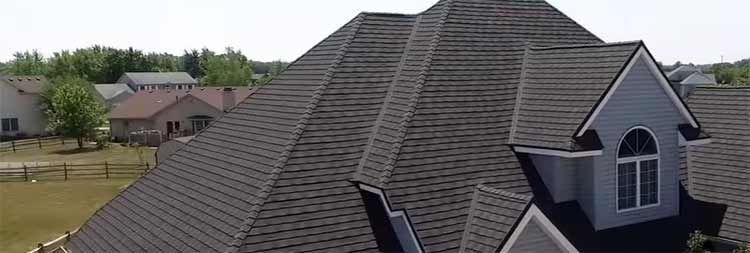
- Reflective And Emissive Coatings Modern metal roofs come with factory-applied finishes that reflect a high percentage of visible and infrared light while also releasing absorbed heat efficiently at night. These cool-roof properties keep the surface temperature closer to ambient air instead of climbing 50–70 degrees hotter the way a dark shingle can.
- Standing-Seam Or Exposed-Fastener Panel Systems Standing-seam designs hide fasteners and allow panels to expand and contract freely, reducing stress at the attachment points. Exposed-fastener panels cost less but require careful sealing and periodic checks of the screws.
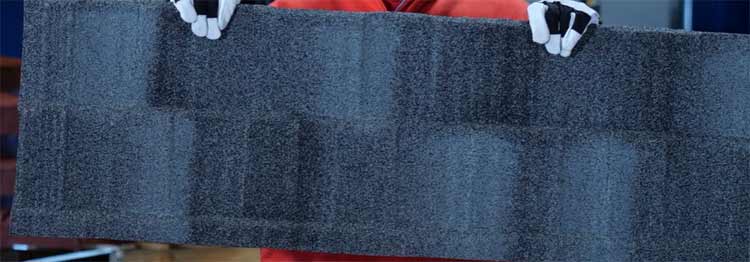
- Stone-coated steel options These panels carry a granular surface that mimics the look of shingles or tiles while still delivering the thermal and durability benefits of metal. They give homeowners who prefer a traditional appearance a way to get metal performance without a stark modern profile.
- Integrated Ventilation And Underlayment Compatibility Properly detailed metal roofs work with ridge vents, soffit intake, and radiant barriers to keep attic air moving. The underlayment can include synthetic or self-adhered products that handle high heat without melting or losing adhesion.
- Lightweight Yet High-Strength Substrates Steel or aluminum gauges used today resist wind uplift when fastened to code, yet they add minimal weight. That combination helps in coastal hot climates where both heat and hurricane-force winds are concerns.
- Recyclable Content And Low Thermal Mass Many panels contain a high percentage of recycled metal and cool down quickly after sunset, so residual heat does not linger in the structure the way it can with thicker asphalt layers.
Pros of Metal Roofs in Hot Climates
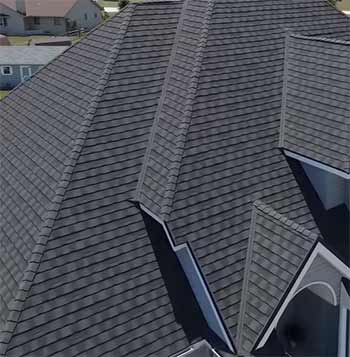
- Lower cooling loads Reflective surfaces and low thermal mass mean less heat enters the attic, so air conditioners run fewer hours and consume less electricity during peak summer months. Homeowners who track utility bills after a metal reroof often notice a measurable drop once the system has a full season of data.
- Extended service life that matches long ownership When you plan to stay in the house for decades, the 40- to 70-year span of a quality metal roof avoids the repeated tear-off and disposal costs that come with two or three shingle replacements in the same period.
- Resistance to wind-driven rain and hail Properly fastened panels shed water even in intense thunderstorms common to hot regions. Impact-resistant grades can handle hail without the granule loss that leaves shingles vulnerable.
- Minimal ongoing maintenance Occasional rinsing to remove debris and a check of fasteners or sealants every few years is usually enough. There are no granules to lose and no progressive curling to monitor.
- Fire performance Non-combustible metal earns the highest fire ratings and can slow the spread of embers from nearby wildfires or brush fires, a real concern in dry, hot landscapes.
- Potential insurance discounts Some carriers offer lower premiums for metal roofs because of their durability and fire resistance, offsetting part of the higher initial outlay over time.
- Cleaner installation footprint Large panels cover the roof faster, reducing the number of days the house sits open to weather and limiting the volume of old material that must leave the site.
Cons of Metal Roofs in Hot Climates
- Higher initial investment Material and labor costs sit well above a standard shingle job. The payback period through energy savings and avoided replacements can stretch five to fifteen years depending on local electricity rates and climate severity.
- Expansion and contraction noise or oil canning Daily temperature swings cause panels to move. Without proper clips, underlayment, or solid decking, this movement can produce popping sounds or visible waviness that some owners find unattractive.
- Potential for denting Softer aluminum or thinner steel can show marks from large hail or fallen branches. Steel gauges and protective coatings reduce the risk, but they also raise the price.
- Sound transmission in storms Rainfall can sound louder until insulation or a solid substrate is added. In bedrooms directly under the roof this can be noticeable during the first few heavy rains of the season.
- Specialist installation required Not every roofing crew has experience with metal systems. Poor detailing around penetrations, valleys, and eaves can create leaks that are harder to locate than on a shingle roof.
- Aesthetic mismatch in traditional neighborhoods Some homeowners associations or historic districts limit the look of standing-seam or large-panel metal, forcing the use of more expensive stone-coated versions or ruling metal out entirely.
Key Features of Asphalt Shingles

- Granule-Surfaced Asphalt Mat The ceramic granules provide UV protection and color, while the asphalt saturates a fiberglass or organic mat. In hot climates the asphalt softens during the day and hardens at night, creating a cycle that eventually loosens granules and shortens service life.
- Multiple Architectural Profiles Dimensional or laminated shingles create shadow lines that many neighborhoods prefer. The variety of colors lets you match existing homes, though darker shades absorb more heat and accelerate aging.
- Self-Sealing Adhesive Strips Factory-applied adhesive activates in warm weather to bond shingles together against wind. In consistently hot regions this bond forms quickly, but extreme heat can also cause the adhesive to soften too much and allow sliding if the roof pitch is low.
- Compatible With Standard Ventilation Shingles work with the same ridge and soffit vents used on most homes. Adding a radiant barrier or extra attic insulation becomes more important in hot climates because the shingles themselves do little to stop heat transfer.
- Repairability With Matching Bundles Small damaged areas can often be patched with individual shingles from leftover stock, provided the color still matches after years of weathering. Finding exact matches grows harder as the original product ages out of production.
- Higher Thermal Mass Once heated, the thick asphalt layer holds warmth longer into the evening, which can keep attic temperatures elevated after the sun goes down and delay the natural cooling cycle.
Also Read: My Experience With TAMKO Titan XT Roofing.
Pros of Asphalt Shingles in Hot Climates
- Lower entry cost The material and labor package stays within reach for more budgets, letting owners address a failing roof without stretching finances as far.
- Familiar appearance The look blends easily with surrounding homes, which can matter for resale or for meeting neighborhood guidelines without special approvals.
- Straightforward repairs Individual shingles can be replaced without specialized tools or long lead times for matching panels.
- Adequate performance with good attic design When paired with continuous ridge and soffit ventilation plus a radiant barrier, shingles can still keep living spaces comfortable even if the roof surface itself runs hotter.
- Wide color selection at modest prices Lighter shades reflect more heat than dark ones and remain affordable, giving a partial thermal benefit without switching to metal.
Cons of Asphalt Shingles in Hot Climates
- Accelerated aging from heat and UV Softening asphalt, granule loss, and drying of the mat shorten the practical lifespan, sometimes to the lower end of the 15- to 30-year range in the hottest zones.
- Higher cooling energy use Absorbed heat raises attic temperatures, increasing the load on air-conditioning systems and the associated electricity costs throughout the long cooling season.
- More frequent maintenance and eventual replacement Owners face periodic inspections for curling, missing granules, and sealing issues, plus the disruption and expense of a full reroof sooner than with metal.
- Greater contribution to landfill waste Tear-off material rarely finds a recycling path, adding volume to local waste streams each time the roof is replaced.
- Vulnerability to wind after adhesive aging Once the self-seal strips lose effectiveness under repeated heat cycles, shingles become more likely to lift in storms.
- Limited reflectivity even in lighter colors While better than black, most asphalt products still absorb more solar energy than a properly coated metal surface, so the thermal advantage remains modest.
Performance in Extreme Heat: An Analytical Look
When surface temperatures climb past 150 °F on a dark shingle roof, the heat radiating into the attic can push that space 30–40 degrees above outdoor air.
Metal with a high solar reflectance index stays closer to ambient, cutting that attic spike dramatically. The difference shows up not only in energy use but in the lifespan of attic insulation, ductwork, and even stored belongings.
I have seen homes where upgrading to reflective metal allowed the owners to reduce the size of a planned air-conditioning replacement because the cooling load dropped enough to justify a smaller unit. That kind of system-wide effect is harder to achieve with shingles alone, no matter how light the color.
Thermal expansion must also be accounted for. Metal moves more, so the fastening system has to accommodate it; otherwise fasteners can loosen or panels can oil-can. Shingles move less as a whole but suffer internal material breakdown instead.
Both behaviors are predictable once you understand the physics of daily heat cycles in a hot climate.
Also Read: Differences Between Cedar Shakes And Shingles.
Frequently Asked Questions (FAQ)
The higher upfront cost and the need for experienced installers to avoid expansion-related issues or noise complaints.
A reflective metal roof generally outperforms asphalt shingles for heat control and longevity in sustained high temperatures.
No. Properly coated metal roofs reflect heat and typically keep attics cooler than asphalt shingles.
When neighborhood rules forbid the appearance, the budget cannot stretch beyond a short-term fix, or the roof structure cannot accept the fastening pattern required.
Wrapping Up
I have laid out the performance differences so you can weigh heat reflection, lifespan, cost, and daily comfort against your own priorities.
You now have a practical framework for deciding whether metal or asphalt shingles better matches the demands of a hot climate and the length of time you plan to stay in the house.
Use the comparison points and real-world factors here to ask the right questions of contractors and to choose the roof that will keep your home cooler and more economical for years ahead.