
I have spent months researching countertops for my own kitchen renovation, and the choice between Lumataj and Taj Mahal quartzite kept coming up in every conversation with designers and fellow homeowners.
Both offer that soft, creamy elegance with warm veining that feels luxurious and timeless, yet they differ in material, performance, and practical realities.
My main intent here is to share an honest, firsthand comparison based on what I learned, so you can decide which one suits your space, budget, and lifestyle without the usual guesswork. I tested samples in my home lighting, talked to fabricators, and weighed real-user experiences to cut through the hype.
| Aspect | Lumataj (Quartz) | Taj Mahal Quartzite |
| Material Type | Engineered quartz with resins | Natural metamorphic rock |
| Appearance | Creamy off-white base, subtle gold veins, luminous depth | Soft beige/ivory base, delicate warm veining, natural variation |
| Durability | Highly scratch, stain, and chip resistant | Very hard, heat resistant, but needs sealing |
| Maintenance | Non-porous, no sealing required | Requires periodic sealing to prevent staining |
| Cost (per sq ft, approx.) | More affordable, often 30-50% less | Premium pricing, higher overall |
| Heat Resistance | Good, but avoid extreme direct heat | Excellent, handles hot pans better |
| Consistency | Uniform slabs, easy matching | Natural variation between slabs |
| Best For | Busy kitchens, low-maintenance homes | Luxury projects valuing authentic stone feel |
Key Differences Between Lumataj And Taj Mahal Quartzite
Here is what stood out to me after comparing them directly:
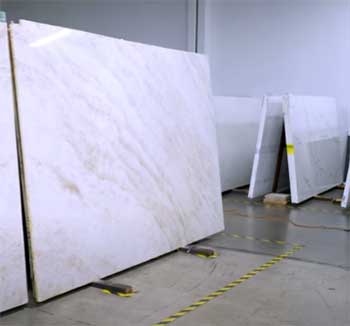
- Origin and Composition: Lumataj is an engineered quartz made by combining crushed natural quartz with resins and pigments for consistency and strength. Taj Mahal quartzite forms naturally over millions of years from sandstone under heat and pressure, resulting in a dense crystalline structure.
- Porosity and Sealing: Lumataj is non-porous right out of the box, so spills wipe away without worry. Taj Mahal, being natural, has microscopic pores that require sealing every 6-12 months depending on use to avoid stains from oils or acids.
- Color and Pattern Consistency: With Lumataj, every slab looks nearly identical, making it easy to plan large islands or matching bathroom vanities. Taj Mahal quartzite varies naturally—some slabs lean more beige, others show slightly bolder veins—which can be beautiful but requires careful slab selection.
- Weight and Fabrication: Both are heavy, but quartz like Lumataj is often easier for fabricators to cut and install with less risk of chipping during the process. Natural quartzite can be trickier and more expensive to work with due to its hardness.
- Environmental Feel: I appreciate that Taj Mahal comes straight from quarries with that authentic stone story. Lumataj offers a more controlled, modern production that reduces some variability issues common in natural stones.
These differences shaped how I thought about my own project—did I want perfection and ease, or character and natural authenticity?
Also Read: Complaints Against Cambria Quartz.
Key Features of Lumataj
Lumataj stands out with several practical and aesthetic strengths that made it appealing during my research:
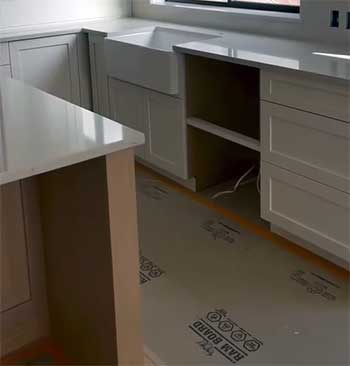
- Luminous Effect: It uses a special formulation that enhances how light interacts with the surface, creating a soft glow that brightens kitchens even on cloudy days.
- Warm Neutral Palette: The off-white base with subtle gold and caramel veins complements a wide range of cabinet colors, from crisp white to warm wood tones.
- High Durability: Resistant to scratches from daily use, stains from coffee or wine, and everyday wear, making it suitable for families with kids or frequent entertainers.
- Uniform Slabs: Large, consistent pieces reduce waste and make matching seamless for waterfall islands or full backsplashes.
- Versatile Applications: Works great not just on countertops but also on walls, shower surrounds, or even flooring accents.
- Low Maintenance Routine: Simply wipe with mild soap and water—no special cleaners or sealers needed over time.
- Affordable Luxury: Delivers a high-end look that mimics natural stone without the premium price tag or upkeep demands.
I found these features particularly helpful when imagining daily life in the kitchen. Spills happen, and knowing I wouldn’t stress about etching or staining felt liberating.
Pros of Lumataj
I compiled a long list of advantages based on my observations and feedback from others who installed it:
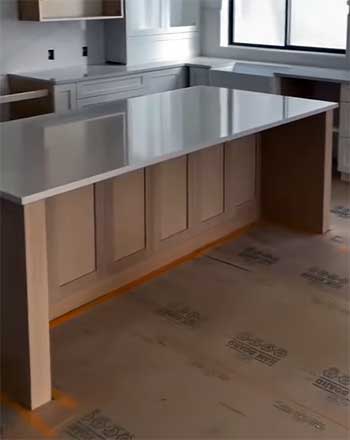
- Superior Stain Resistance: Because it is non-porous, red wine, olive oil, or tomato sauce sit on the surface and wipe clean without penetrating.
- Scratch and Chip Resistance: Everyday knives or dropped utensils rarely leave marks, unlike softer natural stones.
- Consistent Beauty: No worrying about mismatched slabs—every piece looks as good as the showroom sample.
- Easier Installation and Lower Labor Costs: Fabricators often charge less because the material cuts cleanly and predictably.
- Health and Hygiene Benefits: The non-porous nature means fewer places for bacteria to hide, which matters in a food-prep area.
- Budget-Friendly for the Look: You get that Taj Mahal-inspired elegance at a noticeably lower price point, freeing up money for other kitchen upgrades like better appliances.
- Brightness in Small Spaces: The luminous quality helps reflect light, making compact kitchens feel larger and more open.
- Color Stability: It resists fading or yellowing over years of sun exposure better than some natural options.
- Versatility Across Rooms: I could easily picture it in bathrooms or laundry areas where moisture is common, without sealing concerns.
- Eco-Friendly Aspects in Production: Engineered options like this often allow for more controlled manufacturing with less material waste compared to quarrying unique natural slabs.
These pros made Lumataj feel like a smart, practical choice for real life rather than just showroom appeal.
Also Read: Comparison of Butcher Block And Quartz Countertops.
Cons of Lumataj
No material is perfect, and here are the drawbacks I noted:
- Less “Natural” Feel: Some people, including me at first, miss the organic texture and tiny imperfections that make real stone unique.
- Potential for Resin Issues Over Time: In very rare cases with heavy abuse, the binding resins could show wear, though this is uncommon with quality brands.
- Heat Sensitivity Compared to Stone: While it handles normal kitchen heat, extremely hot pans straight from the oven might cause discoloration if left too long—always use trivets.
- Slightly Softer Aesthetic: The veining can appear more linear and less flowing than the most dramatic natural slabs.
- Limited Unique Variation: If you crave one-of-a-kind character in your home, the uniformity might feel too predictable.
- Higher Initial Resin Content: Some environmentally conscious homeowners prefer fully natural materials without any synthetic binders.
- Resale Perception: A few buyers still associate natural stone with higher luxury value, though this gap is closing fast.
These points didn’t outweigh the benefits for my needs, but they are worth considering if you prioritize absolute authenticity.
Key Features of Taj Mahal Quartzite
Taj Mahal quartzite impressed me with its genuine stone qualities:
- Natural Warm Tones: Creamy beige and ivory background with delicate gold and brown veining that mimics high-end marble but performs better.
- Exceptional Hardness: One of the denser quartzites, offering strong resistance to scratches and daily impacts.
- Heat Tolerance: You can place hot cookware directly on it with minimal risk, which is handy during busy cooking sessions.
- Unique Slab Variation: Each piece has slight differences that create a custom, artisanal look in your space.
- Elegant Depth: The veining has natural movement and dimension that catches light beautifully in person.
- Timeless Appeal: It pairs effortlessly with both modern minimalism and classic designs.
- Premium Texture: Polished surfaces feel smooth yet have that subtle natural stone coolness under hand.
Holding the sample, I felt the weight and solidity that only natural stone provides.
Pros of Taj Mahal Quartzite
The advantages that stood out during my evaluation include:
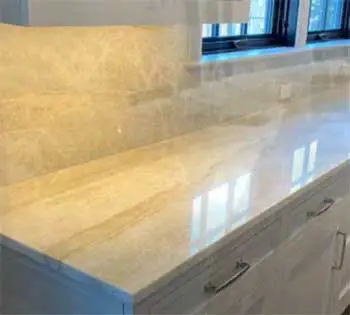
- Authentic Natural Beauty: The organic patterns and variations give a sense of depth and history that engineered materials struggle to fully replicate.
- Superior Heat Resistance: It handles high temperatures better, reducing worries when pulling dishes from the oven.
- Extreme Durability: Harder than many granites, it stands up to heavy use without chipping easily.
- Luxury Status: Many visitors immediately recognize and appreciate the high-end natural stone feel.
- Long-Term Value: Properly maintained, it can increase perceived home value and offers a classic look that doesn’t date quickly.
- Cool Touch Sensation: Natural stone stays cooler in warm climates, which feels refreshing in summer kitchens.
- Wide Design Compatibility: Works beautifully with wood, metal, or painted cabinets across styles.
- Environmental Story: Quarried from the earth, it appeals to those who prefer materials formed by nature over manufactured ones.
- Resale Strength: Natural stone often carries a premium perception that resonates with future buyers.
- Unique Character: No two installations look exactly alike, creating a truly personalized space.
These strengths made me pause and seriously consider Taj Mahal despite the extra care required.
Also Read: Comparison of Perla Venata And Taj Mahal Quartzite.
Cons of Taj Mahal Quartzite
On the flip side, these realities gave me pause:
- Requires Regular Sealing: Skipping seals can lead to stains from spills, especially acidic ones like lemon or vinegar.
- Higher Overall Cost: Material plus fabrication and sealing adds up significantly compared to quartz options.
- Potential for Etching or Staining: Even with sealing, aggressive use can cause issues over time if maintenance slips.
- Slab Variation Challenges: Matching large surfaces or multiple pieces can be tricky and may require buying extra material.
- Heavier Maintenance Routine: Periodic professional sealing and careful cleaning with pH-neutral products become part of ownership.
- Fabrication Complexity: Harder material can increase labor costs and time during cutting and edging.
- Porosity Risks in High-Use Areas: Busy households with kids or frequent cooking might find the upkeep demanding.
- Weight Considerations: Requires strong cabinet support, which could add to project costs in some renovations.
- Limited Color Control: You work with what nature provides rather than choosing exact shades.
- Potential for Natural Imperfections: Tiny fissures or mineral deposits appear in some slabs, which some love and others see as flaws.
What Makes Lumataj And Taj Mahal Quartzite So Similar Yet Different?
When I first saw samples side by side, I understood why people get confused. Both deliver a warm, inviting look that pairs beautifully with white or wood cabinets and works in modern or transitional kitchens.
Lumataj captures the essence of Taj Mahal with its creamy background and gentle caramel-gold veining, but it feels a touch softer and more luminous thanks to special technology that plays with light.
Taj Mahal quartzite, on the other hand, brings that genuine natural depth where veins flow organically across the surface, giving each slab its own subtle personality.
I placed both samples on my countertop for a week under different lighting conditions. Lumataj reflected light more evenly and looked consistently bright, while Taj Mahal showed tiny natural flecks and shifts that made it feel alive.
If you love the idea of a stone that tells a story from the earth, Taj Mahal wins. If you want reliable beauty without surprises, Lumataj feels more predictable.
Understanding these helped me weigh whether I was ready for the commitment.
After weeks of weighing options, I ultimately leaned toward Lumataj for my project because the low maintenance and cost savings aligned better with my busy lifestyle, while still delivering the warm elegance I wanted.
But if your priority is that unmistakable natural stone character and you are committed to proper care, Taj Mahal quartzite delivers an unmatched experience.
You might feel torn just like I did—both materials bring beauty and strength in their own ways. Consider your daily habits, budget, and how much time you want to spend on upkeep.
Visit showrooms, bring home samples, and live with them for a few days under your lighting. That real-world test made the biggest difference for me.
Also Read: Is Calacatta Idillio Quartz Worth It?
Frequently Asked Questions (FAQ)
Lumataj from MSI is widely regarded as one of the closest matches, with its creamy base and subtle gold veining that echoes the natural look.
Lumataj is engineered quartz, not natural quartzite.
It typically falls in the mid-to-upper quartz price range and is more affordable than Taj Mahal quartzite, often 30-50% less depending on location and installation.
Popular choices include classics like Calacatta-style patterns, warm neutrals similar to Lumataj, bold veined options, solid whites, and versatile grays—specific favorites shift with trends but focus on durable, beautiful engineered surfaces from reputable brands.
Wrapping UP
After comparing Lumataj and Taj Mahal quartzite side by side in my own home, I realized both materials bring that beautiful warm, creamy elegance I was looking for, but they serve different needs.
I ultimately went with Lumataj because the low maintenance, consistent look, and better value fit my busy lifestyle perfectly. However, if you love the authentic natural feel and don’t mind a bit more upkeep, Taj Mahal quartzite offers a timeless luxury that’s hard to beat.
You know your space and habits best — take time with samples, consider your daily routine, and choose the one that will make you happy for years to come. Whichever you pick, both can create a kitchen you’ll truly love.