
I remember the first time I decided to mill my own grain at home. I wanted fresher flour for better bread, more nutrients, and that real homemade taste.
After researching options, I narrowed it down to Komo and NutriMill models. Both deliver excellent results, but they suit different needs and kitchens.
In this article, I share my experiences comparing them side by side so you can decide what fits your baking routine best. I focus on real-world use—how they handle daily grinding, cleanup, noise, and flour quality—while weighing pros, cons, and key differences.
| Feature | Komo (e.g., Classic/Mio) | NutriMill (Harvest Stone / Classic Impact) |
| Grinding Method | Stone burr (corundum-ceramic) | Harvest: Stone burr; Classic: Stainless steel impact |
| Motor Power | 360W typical (some 250W or 600W) | Harvest: 450W; Classic: 1200W |
| Hopper Capacity | ~1.9–2.6 lbs | Harvest: ~1.5–2 lbs; Classic: up to 12 cups grain |
| Milling Speed | 100–255 g/min (fine flour) | Faster overall, Classic mills large batches quickly |
| Flour Temperature | Low heat retention | Classic keeps under ~118°F; stone models vary |
| Build & Design | Solid beechwood/walnut, premium look | Harvest: Bamboo/wood accents, stylish; Classic: Plastic, functional |
| Noise Level | Quieter | Harvest quieter than Classic; Classic louder |
| Warranty | 12 years (US) | Varies, often good customer service |
| Price Range | Higher (premium) | More affordable, especially Harvest |
| Best For | Daily fresh milling, aesthetics, fine flour | Large batches, speed, budget |
Key Differences Between Komo And NutriMill
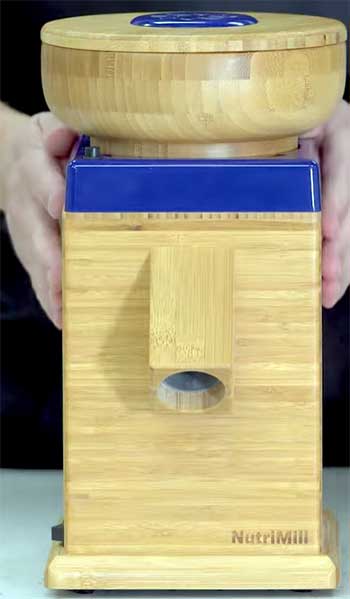
- Grinding Technology and Flour Quality: Komo uses stone burrs made with corundum-ceramic that produce exceptionally fine, cool flour. I notice the texture feels silkier for pastries and breads. NutriMill’s Harvest also uses stones for similar quality, but their Classic impact mill crushes grains with steel blades at high speed. The Classic gives very fine flour fast, but sometimes it feels a bit warmer. For most home bakers, both create superior results compared to pre-packaged flour.
- Build Quality and Aesthetics: Komo mills look like furniture with solid wood cabinets. Mine sits proudly on the counter and sparks conversations. NutriMill Harvest offers beautiful bamboo options with color accents that blend nicely too. The Classic feels more utilitarian with its plastic housing—practical but less decorative.
- Capacity and Speed: NutriMill Classic shines here. I can load it up and walk away while it produces a big batch. Perfect for big baking days. Komo and Harvest have smaller hoppers, so I add grain more often, but they run continuously without issue.
- Ease of Use and Adjustment: Both adjust grind settings easily. Komo’s hopper twist feels precise once broken in. NutriMill Harvest has a knob for fine to coarse. The Classic is straightforward for fine flour but less versatile for cracked grains.
- Noise and Heat: Komo runs noticeably quieter, which matters during early morning bakes. NutriMill Harvest is decent, but the Classic can sound like a loud blender.
- Maintenance and Cleanup: Komo requires almost no cleanup—just brush stones occasionally. NutriMill models clean easily too, especially the stone ones, though the Classic’s enclosed bowl needs occasional attention.
- Versatility: Both handle wheat, rye, spelt, and more. Avoid oily seeds in stone mills. Komo offers optional gluten-free inserts for easy switching without cross-contamination.
Key Features of Komo Grain Mills
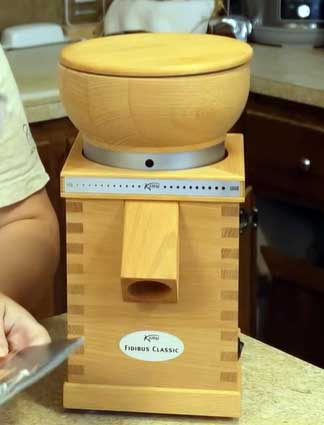
- Premium Corundum-Ceramic Stones: These stones are a game-changer in my daily routine. They grind grains into ultra-fine flour without generating much heat, which means the natural enzymes and nutrients stay intact. When I make sourdough, the dough rises higher and develops complex flavors I never got from store flour. The stones are incredibly durable too—I’ve been using mine for years with consistent performance on everything from hard red wheat to softer spelt.
- Solid Wood Construction: The beech or walnut housing is not just pretty; it’s functional. It dampens sound, contains flour dust effectively so my counters stay clean, and gives the mill a warm, furniture-like presence that makes me happy to leave it out. No cheap plastic rattles or vibrations here. Every time I use it, I feel like I’m working with a well-crafted tool rather than an appliance.
- Infinitely Adjustable Grind: Twisting the hopper lets me dial in exactly the texture I need, from pastry-fine for cakes to coarse for hot cereals. This flexibility changed how I experiment in the kitchen. I can switch mid-recipe without hassle, and the settings stay true batch after batch. It takes a short break-in period, but once you get it, the precision is unmatched.
- Powerful Yet Quiet Motor: The 360W motor handles tough grains reliably without straining or overheating during normal use. I can mill while the rest of the house is still waking up because the noise is low enough for conversation. The built-in auto-shutoff protects the motor if something goes wrong, adding real peace of mind.
- Long Warranty and Durability: With a 12-year warranty, I don’t worry about breakdowns. The German engineering shows in every detail—the mill feels solid and built for decades of service. I know many users who have passed theirs down, and that longevity makes the investment worthwhile.
- Optional Accessories: Things like flaker attachments for fresh rolled oats or gluten-free liners make it incredibly versatile. I use the liners when switching between regular wheat and gluten-free grains, eliminating any worry about contamination. These extras turn one mill into multiple tools.
- Countertop Appeal: Because it looks so good, it stays on my counter instead of hiding in a cabinet. That means I use it more often, which leads to fresher flour in every bake. The design encourages consistent habits that improve my overall cooking.
Using it daily, I appreciate the consistent performance. The flour comes out cool and fresh every time, making my sourdough starter happier too.
Pros of Choosing a Komo Mill
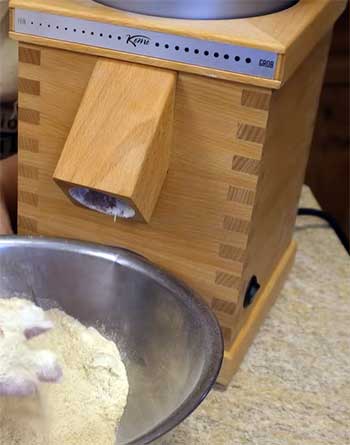
- Exceptional flour quality with minimal heat: The cool grinding preserves delicate nutrients and flavors better than many other options. My breads have better structure, cookies taste richer, and everything digests more easily. This benefit alone makes a noticeable difference in final baked goods.
- Beautiful design that enhances your kitchen: Instead of an eyesore, it becomes a conversation piece. The wood finish adds warmth and character. I genuinely enjoy the ritual of using it because of how nice it looks and feels.
- Very quiet operation: This matters more than you might think during frequent use. I mill early mornings or while kids are around without disturbance. The low noise keeps the experience pleasant rather than stressful.
- Easy, minimal maintenance: A quick brush of the stones now and then is usually all it needs. No complicated disassembly. This saves time and keeps me milling instead of maintaining.
- Precise control for any texture: From finest pastry to perfect cracked wheat, I get repeatable results. This precision lets me create custom blends tailored to specific recipes.
- Durable German engineering with excellent warranty: Knowing it’s backed for 12 years reduces anxiety. It feels rock-solid and performs reliably year after year.
- Cool-running for better enzyme activity: This leads to improved fermentation in sourdough and better overall baking science in every loaf.
- Less flour dust escape: The sealed wood design keeps my workspace tidy, which is huge when milling regularly.
- Great for small to medium batches with continuous feed: Perfect for daily or several-times-a-week use without overkill.
- Feels like an investment piece that holds value: You buy it once and enjoy it for a long time, often with positive resale if needed.
These make it perfect for someone who values craftsmanship and enjoys the process of baking.
Cons of Choosing a Komo Mill
- Higher upfront cost compared to NutriMill options: Yes, you pay more initially, but I see it as paying for quality that lasts. Still, it can be a consideration if budget is tight right now.
- Smaller hopper means more frequent refills for large batches: When I want to grind a month’s worth at once, I have to stop and add grain a few times. It’s not a dealbreaker for me, but it slows things down compared to bigger models.
- Heavier unit, though stable on the counter: Moving it around takes a bit more effort, but once placed, it stays put nicely during operation.
- Not as fast as high-power impact mills for massive quantities: If you do huge weekly batches, you’ll notice the difference in time. I work around it by planning ahead.
- Limited color choices versus NutriMill Harvest: You get classic wood tones, which I love, but fewer vibrant options if that’s your style.
- Stone mills generally avoid oily materials, same as competitors: No flax or nuts in large amounts, which is standard but worth remembering when planning recipes.
If you bake huge volumes weekly, you might notice the pace difference.
Key Features of NutriMill Grain Mills
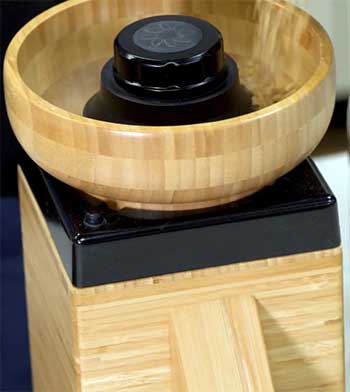
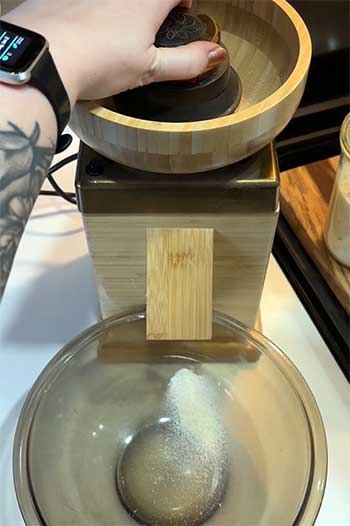
- Harvest Stone Mill Beauty and Performance: The bamboo housing with available color accents fits beautifully in modern kitchens. The 450W motor combined with diamond-hard stones delivers fine flour surprisingly fast for a stone mill. I love how it balances style and function—I can leave it out without it feeling out of place, and it produces great results for everyday baking.
- Classic Impact Power: This 1200W beast powers through large quantities in minutes. When I have a big baking weekend planned, I load it up and get done quickly. The stainless steel impact mechanism creates very fine flour efficiently, and the design keeps temperatures controlled so nutrients aren’t compromised.
- Large Batch Capability: The Classic model holds a generous amount of grain and outputs plenty of flour fast. This saves me hours on prep days. I can grind enough for several weeks, store it properly, and always have fresh options ready. It’s a lifesaver for busy households.
- Simple Operation: Just add grain, select your setting, and go. The Harvest knob makes texture adjustment intuitive. Even on my first try with the Classic, I had perfect fine flour without a learning curve. This simplicity means the whole family can help if needed.
- Affordable Entry: You get strong performance without the premium price tag. This allowed me to start milling sooner and spend the savings on quality organic grains. It lowers the barrier for anyone curious about home milling.
- Good Customer Support: When I’ve had minor questions, their team responded helpfully and quickly. Many long-term users share similar positive experiences, which builds trust in the brand.
- Versatile Grain Handling: Both models manage most dry grains well. The Classic especially tackles volume jobs with ease, while the Harvest offers stone-ground quality in a more compact, attractive package. Together they cover a wide range of needs.
The Harvest feels like a stylish daily driver, while the Classic is a workhorse for bigger jobs.
Pros of Choosing a NutriMill
- Faster milling, especially the Classic for big families or prep days: I save significant time when producing flour for multiple recipes. The power lets me focus on baking instead of waiting.
- More affordable, letting me invest in better grains instead: The lower price meant I could buy higher-quality organic berries right away, improving results from day one.
- Harvest model looks stylish with eco-friendly bamboo: It blends into my kitchen seamlessly and feels modern. The design choices make it a pleasure to use and display.
- Large capacity in Classic model saves time: Grinding big batches at once streamlines my workflow and reduces how often I need to set up the mill.
- Reliable performance with strong customer service backing: I’ve had consistent results and quick help when needed, which builds long-term confidence.
- Good temperature control in Classic to protect nutrients: Even with the impact mechanism, the flour stays cool enough for excellent baking outcomes.
- Versatile for different household sizes: Whether you’re a small household using Harvest or larger one with Classic, there’s a good fit.
- Easier on the wallet for beginners testing the waters: You can try home milling without a big commitment, then upgrade later if desired.
- Quick setup and straightforward use: Minimal learning curve means you start enjoying fresh flour immediately.
It delivers great value and gets the job done efficiently.
Cons of Choosing a NutriMill
- Classic can be louder, which bothers some during frequent use: In open kitchens, the noise stands out more than Komo. I use it when the house is active or wear ear protection if needed.
- Plastic housing on Classic feels less premium than wood: It’s functional and durable, but doesn’t have the same warm, high-end feel or sound dampening.
- Harvest has smaller capacity than Classic, similar to Komo: For very large jobs, you’ll be refilling more often on the stone model.
- Impact milling in Classic might produce slightly warmer flour in long runs: Though well-controlled, it’s something to monitor on extended sessions compared to stone options.
- More flour dust management sometimes needed with certain models: A bit more cleanup around the unit occasionally, depending on the grain and setting.
- Stone models share general stone mill limits (no oily seeds): Same restriction as Komo, so plan recipes accordingly.
- Adjustment might feel less refined than Komo for some textures: The control is good but not quite as infinitely precise in feel for ultra-specific needs.
These are manageable but worth noting for your setup.
Also Read: Which is better, DF54 Or Baratza Encore ESP?
Frequently Asked Questions (FAQ)
Both are excellent stone mills. Komo often edges out in fineness and build quality for many users, while Mockmill offers good value and speed. It depends on your priorities—try to match to your baking volume.
Sue Becker, a fresh milling advocate, often speaks highly of quality options like WonderMill or similar impact mills for efficiency, but encourages any reliable home mill for nutrient benefits.
Yes, NutriMill is a solid, trusted brand with good performance, variety, and customer support. Many bakers use their models successfully for years.
The “best” varies, but premium stone mills like Komo stand out for quality and longevity. For most, it comes down to matching features to your needs—test or research thoroughly.
Final Thoughts
After all this hands-on comparison, I believe both Komo and NutriMill bring tremendous value to home baking. You will love the difference fresh flour makes in taste and nutrition.
If you crave premium build, quiet elegance, and fine control, go with Komo—you won’t regret treating yourself. For fast, affordable, high-volume milling, NutriMill models serve you well and fit many budgets.
Consider your routine, try to picture yourself using it weekly, and choose the one that matches. Whichever you pick, you are taking a great step toward better baking. I encourage you to start small, experiment with recipes, and enjoy the process.
Your future loaves will thank you.