
I spent weeks cooking with both the Instant Pot Rio and the Instant Pot Pro in my own kitchen, testing everything from weeknight chili to weekend sous vide steaks.
My goal here is to break down how these two multi-cookers actually perform side by side so you can decide which one fits your cooking style, budget, and counter space without the usual marketing fluff.
| Feature | Instant Pot Rio | Instant Pot Pro |
| Capacity | 6-quart (also 7.5-quart Wide) | 6-quart (also 8-quart) |
| Cooking Functions | 7-in-1 | 10-in-1 |
| Smart Programs | 13 | 28 |
| Power | 1000 watts | 1200 watts |
| Inner Pot | Stainless steel, anti-spin | Stainless steel with cool-touch handles, stovetop & oven-safe |
| Sauté Settings | 3 levels | 5 levels |
| Display | Progress indicator lights | Large LCD screen |
| Steam Release | Easy-Release switch | Gentler, quieter switch with diffuser |
| Extra Modes | None beyond core | Sous vide, sterilize, bake |
| Weight (approx.) | 11–12 lbs | 13–15.5 lbs |
| Best For | Beginners, everyday meals, budget buyers | Frequent cooks who want more control and power |
| Price Range (typical) | Lower | Higher |
Key Differences Between The Instant Pot Rio and Pro
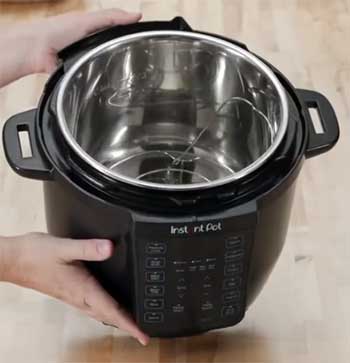
- Power and cooking speed The Pro’s 1200 watts versus the Rio’s 1000 watts translates into faster pressure build-up and stronger sauté performance. When I cooked the same pot of beans, the Pro reached pressure about 20 percent faster. That edge matters if you cook often or dislike waiting. The Rio still finishes meals well within a normal dinner window, but the Pro simply moves quicker from start to plate.
- Range of cooking modes The Rio sticks to everyday functions. The Pro expands into sous vide and sterilize territory. If you never plan to cook at precise low temperatures or sterilize jars, the extra modes sit unused. I used sous vide on the Pro for weeknight proteins and found it reliable enough that I stopped pulling out a separate immersion circulator for simple jobs.
- Inner pot design and versatility The Rio’s anti-spin pot solves the spinning problem but stays inside the cooker for most tasks. The Pro’s handled pot leaves the cooker entirely for stovetop searing or oven finishing. That flexibility changed how I approached braises and roasts. I could develop a proper fond on the stove, deglaze, then pressure cook in the same vessel.
- Control panel and user interface The Rio keeps things simple with progress lights and straightforward buttons. The Pro’s larger LCD and more detailed menus give more feedback and more options. New users may prefer the Rio’s cleaner layout. Experienced cooks often appreciate the Pro’s extra information and saved favorites.
- Size, weight, and price Both come in 6-quart versions that feed a family of four with leftovers. The Pro feels heavier and more solid. The Rio costs less and feels lighter when you move it for cleaning or storage. The price gap usually sits in the $30–$60 range depending on sales, which is meaningful if you mainly need reliable pressure cooking and slow cooking.
Key Features of the Instant Pot Rio

- Modern slim design and footprint The Rio sits on the counter with a taller, narrower profile than older Duo models. I noticed it takes up less horizontal space, which matters in a small kitchen. The matte black exterior resists fingerprints better than shiny stainless steel versions I have owned in the past. The lid design includes fins that rest on the base so you have a place to set it without hunting for counter space. The progress lights on the panel walk you through preheat, cook, and keep-warm stages in a way that feels less cryptic than older button-heavy panels.
- Seven core cooking functions with thirteen smart programs Pressure cook, slow cook, sauté, steam, rice, yogurt, and keep warm cover the daily needs of most households. The thirteen one-touch programs handle soup, beans, poultry, meat/stew, multigrain, and more. When I made rice, the preset delivered consistent results without me adjusting pressure or time. The yogurt function worked cleanly for both dairy and non-dairy batches. These programs are customizable, so once I dialed in a favorite chili setting, the machine remembered it.
- Anti-spin stainless steel inner pot The pot stays locked in place while you stir or sauté. Older Instant Pots I used would spin under a spoon, which always felt clumsy. The tri-ply bottom heats evenly enough for basic browning. The pot is dishwasher-safe, and the lid goes on the top rack. I appreciated the simple steam rack with handles that comes in the box.
- Easy-Release switch and safety systems The steam release sits farther from the valve than older models, reducing the chance of a face-full of steam. More than ten safety mechanisms, including overheat protection and a locking lid, gave me confidence the first few times I used high-pressure mode. The machine reaches working pressure reliably, though the 1000-watt heater takes a bit longer than higher-powered units.
Pros of the Instant Pot Rio
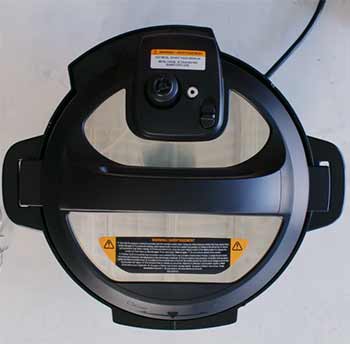
- Straightforward operation for everyday cooking I never felt overwhelmed by options. The thirteen programs cover the meals I actually make most weeks—soups, stews, rice, yogurt, eggs. The progress lights told me exactly where the machine stood without me opening the lid. For someone new to electric pressure cooking, that simplicity removes a lot of hesitation.
- Solid value and lower entry cost You get the core Instant Pot experience without paying for modes you may never touch. The stainless steel pot, safety features, and reliable pressure performance match what higher-priced models deliver for basic recipes. Cleaning is easy because both pot and lid are dishwasher-safe.
- Compact footprint and lighter weight The slim base fits tighter counter spots. Lifting the Rio to wipe underneath or store it in a cabinet requires less effort than the Pro. The anti-spin pot made sautéing less frustrating than older models I owned.
- Quiet enough and safe for regular use Steam release is manageable, and the safety systems work as advertised. I cooked late dinners without waking the house. The machine handles high-pressure tasks consistently once you learn the liquid minimums.
Cons of the Instant Pot Rio
- Limited heat and control during sauté Three temperature levels leave less room to fine-tune browning. The pot does not leave the cooker easily, so deep searing still happens inside the unit and can produce more steam and less Maillard reaction than a proper stovetop sear.
- Fewer specialized modes No sous vide, no dedicated sterilize, and pressure options feel more limited than the Pro. If your cooking expands into precision low-temperature work or frequent jar sterilization, you will notice the gaps.
- Slower pressure build compared with higher-watt models The 1000-watt heater works, but total time from cold start to finished meal runs longer than the Pro on the same recipe. For busy weeknights that extra wait adds up.
- Display and feedback feel basic Progress lights help, yet the smaller screen and fewer status details mean you glance more often or rely on the manual for exact timing adjustments.
Key Features of the Instant Pot Pro
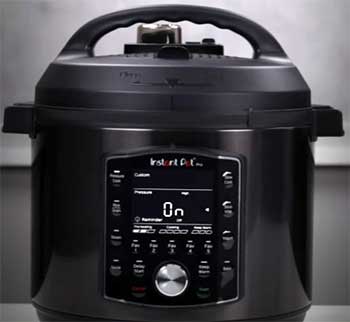
- Higher power and faster preheat The 1200-watt heating element brings the pot to pressure noticeably quicker. In side-by-side tests with identical recipes, the Pro shaved several minutes off the total time compared with the Rio. That difference compounds when you cook multiple batches or need dinner on the table after a long day. The extra power also supports better searing during the sauté stage.
- Ten cooking functions and twenty-eight smart programs In addition to the core seven, the Pro adds sous vide, sterilize, and bake. Sous vide mode held precise temperatures for steaks and chicken that came out evenly cooked edge to edge. The sterilize function handled baby bottles and canning jars without extra equipment. Twenty-eight presets cover nearly every common dish, and five fully customizable favorite slots let you save exact settings for recipes you repeat often. The large LCD screen shows clear status updates and is easier to read across the kitchen than the Rio’s simpler lights.
- Handled, stovetop- and oven-safe inner pot The stainless steel pot has silicone-covered handles that stay cool enough to lift without mitts. I routinely seared meat on the stove for better browning, then transferred the pot straight into the Pro for pressure cooking. The pot also goes into a 450°F oven for finishing a roast or crisping a top layer. The flat bottom and tri-ply construction distribute heat more evenly than the Rio’s pot during high-heat sauté.
- Improved steam release and control options The steam switch feels smoother and the diffuser cover reduces noise and countertop splash. Five sauté temperature levels give tighter control than the Rio’s three. Auto-sealing lid and extra sealing ring in the box add convenience. The overall build feels more substantial, which matches the higher price.
Also Read: Is Nuwave Induction Cooker Any Good?
Pros of the Instant Pot Pro
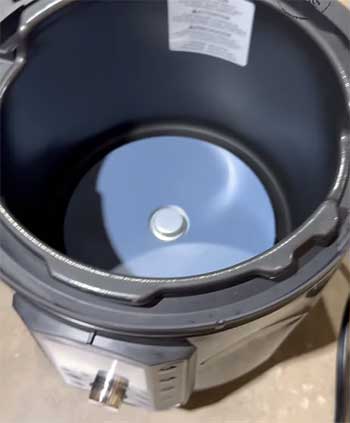
- Stronger performance across more cooking styles Faster preheat, better searing, and the ability to move the pot to the stove or oven open up techniques the Rio cannot match easily. Sous vide mode delivered consistent results for proteins I previously reserved for a separate gadget. The five sauté levels let me control browning more precisely.
- Greater customization and convenience Twenty-eight programs plus five savable favorites mean less menu scrolling once you settle on regular dishes. The large LCD keeps status clear from across the room. The handled pot makes transferring hot food safer and cleaner.
- Quieter and more refined steam management The diffuser and switch design reduce noise and mess. I released pressure more confidently without worrying about a sudden blast or wet counters.
- Durable feel and thoughtful extras The build quality feels premium. An extra sealing ring in the box and oven-safe pot add long-term practicality. Higher wattage supports larger 8-quart versions well if your household grows.
Cons of the Instant Pot Pro
- Higher price for features you may not need If your cooking stays in the pressure-cook, slow-cook, and rice lane, the extra modes and power become expensive extras. The price difference can stretch a tight budget.
- Heavier and bulkier presence The Pro takes more effort to move and stores less easily in tight cabinets. The larger screen and extra buttons create a busier look that some prefer to avoid.
- Learning curve for the expanded interface More options mean more decisions. New users can feel slightly lost until they settle on a few favorite programs. The sous vide and sterilize modes require understanding temperature and time relationships that basic pressure cooking does not.
- Sauté still not equal to a dedicated skillet Even with five levels and a stovetop-capable pot, the electric sauté function cannot fully replace high-heat pan work for deep browning. You still benefit most by searing on the stove then finishing in the Pro.
Performance in Real Kitchen Tests
I ran identical batches of black beans, chicken thighs, yogurt, and a simple beef stew in both machines. The Pro consistently reached pressure faster and produced slightly better seared edges when I used the handled pot on the stove first.
Texture of pressure-cooked meats and beans stayed comparable once cooking times matched. Yogurt set reliably in both. The Rio never failed a basic recipe, and its simplicity meant fewer button presses on rushed nights.
Steam release on the Pro felt less abrupt. Cleanup time was nearly identical because both use the same style of stainless pot and lid.
Energy use favored the Pro on longer cooks because it spent less time ramping up. Noise levels stayed acceptable in both, though the Pro’s diffuser made the final release quieter. Neither unit struggled with the liquid minimums required for safe pressure cooking.
- Who Should Choose the Instant Pot Rio?
Choose the Rio if you want reliable everyday pressure cooking, slow cooking, and rice without extra cost or complexity. It suits beginners, smaller households, or anyone who values a lighter machine that still delivers the classic Instant Pot results.
The anti-spin pot and progress lights remove common frustrations. If your recipes stay within the seven core functions, the Rio handles them well and leaves more money for ingredients.
- Who Should Choose the Instant Pot Pro?
Pick the Pro if you cook several times a week, enjoy experimenting with sous vide or finishing dishes in the oven, or simply want faster cycles and better searing flexibility.
The handled pot and higher power change the workflow for braises and batch cooking. Frequent users will notice the time savings and extra control more than occasional users.
Also Read: Is Dash Egg Cooker Any Good?
Frequently Asked Questions (FAQ)
The Rio focuses on simplified everyday cooking with a slim design, anti-spin pot, progress indicator, and thirteen smart programs at a lower price. It skips the advanced modes and higher wattage found in the Pro.
It depends on your needs. The Rio works best for most people who want core functions without extras. The Pro suits those who cook often and value speed, sous vide, and a more versatile pot.
The Rio updates the Duo line with a modern design, anti-spin pot, and easier steam release while keeping similar core functions. Many find the Rio cleaner and more current than older Duo Plus models for everyday use.
Final Thoughts
After cooking dozens of meals with both machines, I see clear strengths in each. The Rio delivers the Instant Pot experience most people actually need at a friendlier price and with a simpler interface.
The Pro rewards frequent cooks with speed, extra modes, and a pot you can move between stove, oven, and cooker. You will not go wrong with either if you match the machine to how you really cook.
Measure your counter space, think about the dishes you make most often, and decide whether the extra power and flexibility of the Pro justify the higher cost for your kitchen. Once you pick one and start using it regularly, the convenience of hands-off pressure cooking quickly becomes hard to give up.