
I have spent the last several months rotating between Heritage Steel and Made In pans in my everyday cooking, from quick weeknight sears to slow weekend braises.
I want to share my real-user experiences, break down how these two premium stainless steel options stack up, and help you decide which one fits your kitchen and cooking style better.
Both deliver serious performance, but they shine in different ways that matter when you are actually using them day after day.
| Aspect | Heritage Steel (Titanium/Eater) | Made In Stainless Clad |
| Manufacturing Location | USA (Tennessee) | Italy (some lines) |
| Construction | 5-ply fully clad, variable thickness | 5-ply fully clad |
| Steel Types | 316Ti (Titanium series) or 304 | Premium stainless with aluminum core |
| Oven Safe | Up to 800°F | Up to 500-800°F depending on line |
| Weight Feel | Balanced, some lighter options | Hefty yet manageable |
| Price Range (10-12″ skillet) | Generally lower than Made In | Higher premium positioning |
| Warranty | Lifetime | Lifetime |
| Key Strength | Durability & pitting resistance | Fast heat-up & retention |
| Best For | Heavy daily use, USA-made preference | Pro-level performance seekers |
Key Differences Between Heritage Steel And Made In Cookware

- Origin and Manufacturing Philosophy: Heritage Steel builds everything in their own factory in Clarksville, Tennessee. I appreciate knowing the pans come from American workers with decades of experience in stainless. Made In sources from Italy for many stainless pieces, focusing on European craftsmanship and tight quality control. Both feel premium, but the USA-made aspect of Heritage Steel gives it a personal edge for me when supporting domestic production matters.
- Material Choices and Durability: Heritage Steel’s Titanium series uses 316Ti stainless, strengthened with titanium and molybdenum for better resistance to pitting from acids like tomato sauce or vinegar. That has proven noticeable in my tests with long-simmering recipes. Their Eater series uses solid 304 stainless. Made In relies on high-quality stainless over aluminum cores that deliver excellent conductivity. Both resist warping well, but Heritage Steel edges out in long-term corrosion fighting based on my observations.
- Heat Performance in Real Cooking: Made In pans heat up noticeably faster and hold temperature steadily when I drop in cold ingredients. I notice this most with eggs or delicate fish. Heritage Steel, especially thicker pieces, offers strong retention once hot, great for searing steaks without temperature drops. Variable thickness in some Heritage lines optimizes each pan type—skillets stay hotter longer where it counts.
- Design and Ergonomics: Heritage Steel pans have riveted handles that feel secure, with options for brushed or polished finishes. I like the flared rims for pouring sauces cleanly. Made In features rolled rims and stay-cool handles that stay comfortable even during longer cooks. Both have wide bases for even browning, but Made In’s design sometimes feels slightly more refined for pouring and storage.
- Weight and Handling: Heritage Steel pieces strike a nice balance—not too heavy for flipping but substantial enough for stability. Some users find them lighter than expected for the build. Made In tends toward a solid, pro-kitchen heft that inspires confidence but can tire wrists during extended use if you are not used to it.
- Maintenance and Cleaning: Both clean up well with Bar Keepers Friend after proper preheating. Heritage Steel’s brushed finishes hide fingerprints better in my experience. I have had minor staining on both, but nothing permanent with good care. Avoid high-chlorine dishwashers to keep edges smooth.
- Value and Pricing: Heritage Steel often comes in at a more accessible price for similar performance, especially the Eater series. Made In positions as a premium value but costs more upfront. Over years of use, both justify the investment through longevity.
- Warranty and Support: Lifetime warranties on both cover manufacturing defects. Heritage Steel’s USA base makes returns or support feel more straightforward in my dealings. Made In offers strong customer service too, with generous trial periods.
- Aesthetic Options: Heritage Steel gives choices between polished Titanium looks and brushed Eater styles. Made In keeps a consistent brushed professional appearance that looks sharp on open shelves.
- Versatility Across Cooktops: Both work on gas, electric, and induction without issues. Heritage Steel’s full USA construction adds peace of mind for oven transitions up to high temps.
Also Read: Differences Between Hestan And All-Clad Cookware.
Key Features of Heritage Steel Cookware
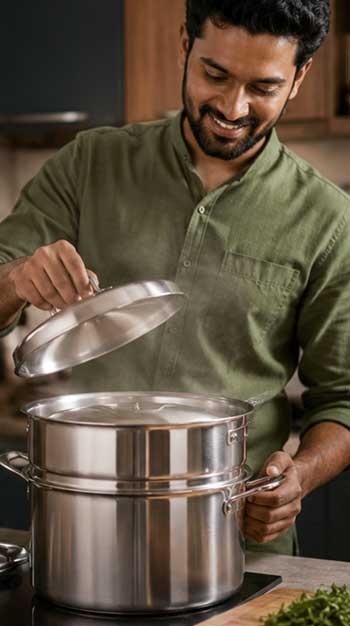
- 5-ply fully clad construction ensures even heating from base to walls, reducing hot spots that ruin sauces or eggs.
- Titanium-reinforced 316Ti steel in premium lines fights pitting and corrosion, ideal for tomato-heavy dishes or frequent use.
- Variable pan thicknesses optimize performance—thicker skillets for searing, balanced pots for simmering.
- Lifetime warranty backed by in-house manufacturing gives confidence in repairs or replacements.
- Wide selection including slow cooker bases for multi-use convenience.
- Oven safe to 800°F, perfect for finishing dishes under broiler or in high-heat baking.
- Riveted handles stay secure and offer good grip, even when wet.
- Brushed and polished finish options that resist showing wear over time.
- Made entirely in the USA, supporting local expertise and shorter supply chains.
- Compatible with all cooktops, including induction, for modern kitchens.
I reach for my Heritage Steel skillet when I want reliability that lasts through years of family meals. The way it holds heat during a big stir-fry keeps everything cooking at the right pace without constant adjustments.
Pros of Heritage Steel Cookware
- Exceptional durability from high-grade steels that stand up to acidic foods without pitting over time.
- Full USA manufacturing supports quality control I can trust and feels good ethically.
- Competitive pricing for the performance level, especially compared to other premium USA options.
- Balanced weight that is easy to maneuver yet stable on the burner.
- Strong heat retention perfect for browning meats or keeping dishes warm.
- Lifetime warranty with in-house support that covers real-world use like warping from normal cooking.
- Versatile pieces including options for slow cooking integration.
- Even heating across the pan surface that minimizes scorching.
- Attractive designs that fit both modern and classic kitchens.
- Easy to season and maintain with basic care routines.
In my kitchen, these pros translate to fewer replacements and more consistent results meal after meal. I appreciate not worrying about the pan failing during an important dinner.
Cons of Heritage Steel Cookware
- Some pieces can show minor rivet wear or edge roughness after heavy dishwasher use, though this is avoidable with hand washing.
- Availability might be more limited than bigger brands during peak seasons.
- Learning curve for stainless technique applies, though not unique to this brand.
- Higher-end Titanium series costs more, though still reasonable.
- Handles on larger pans lack helper options on some models.
- Occasional reports of slight warping in extreme misuse, covered by warranty.
- Brushed finishes, while practical, may require occasional polishing for showroom shine.
- Not the absolute lightest option for those with wrist concerns.
- Limited nonstick alternatives in their core stainless focus.
- Initial investment still significant for full sets.
These cons are minor in daily practice and outweighed by longevity for me, but worth noting if you have specific preferences.
Key Features of Made In Cookware
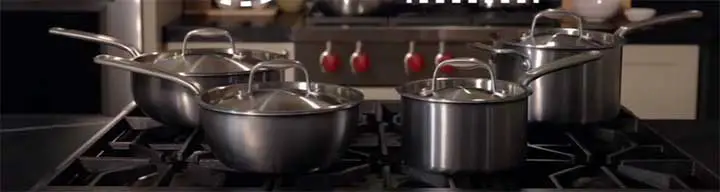
- 5-ply stainless construction with aluminum core delivers rapid, even heat distribution that professionals love.
- Rolled rims make pouring liquids smooth and reduce drips on the stove.
- Stay-cool handles remain comfortable during long cooking sessions, a small detail that makes big differences.
- Brushed exterior hides daily use marks while looking clean and modern.
- Strong heat retention once up to temperature, great for consistent searing and reducing.
- Lifetime warranty on most pieces, with good responsiveness from the company.
- Versatile across all cooktops and oven safe for flexible meal prep.
- Design focused on pro-kitchen performance at direct-to-consumer prices.
- Smooth interiors that become effectively nonstick with proper technique and preheat.
- Wide range of pieces including specialty items for serious home cooks.
Made In pans feel like they belong in a restaurant kitchen but work just as well for my home experiments. The fast response to heat changes helps when I am multitasking or trying new recipes.
Also Read: Differences Between Demeyere And All-Clad Cookware.
Pros of Made In Cookware
- Lightning-fast heat up and response that excels for precise cooking techniques.
- Excellent overall performance that rivals or exceeds more expensive competitors in tests.
- Comfortable, thoughtful design details like rolled rims and stay-cool handles.
- Strong value positioning for premium 5-ply construction.
- Durable build that holds up to professional-level use at home.
- Beautiful brushed look that stays appealing over years.
- Wide compatibility and versatility across cooking methods.
- Good customer support and trial options for trying before full commitment.
- Effective nonstick properties when preheated properly.
- Scalable sets and individual pieces for building your collection gradually.
I love how Made In pans make cooking feel effortless on busy nights when timing matters most.
Cons of Made In Cookware
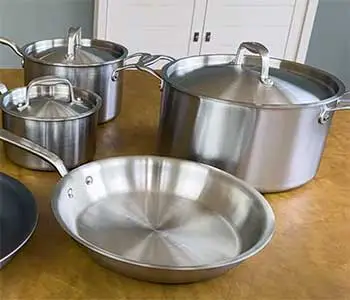
- Higher price point compared to similar-performing alternatives.
- Some pieces feel heavier during extended handling sessions.
- Made in Italy for certain lines may matter less if you prefer full domestic production.
- Requires careful heat management as they respond quickly, which can surprise beginners.
- Shallow walls on some pans risk spillover with large volumes.
- Potential for staining if not maintained consistently, common to stainless.
- Limited long-term data as a relatively newer brand in some eyes.
- Nonstick variants may wear faster than pure stainless.
- Return policies sometimes include conditions around accessories.
- Can be overkill for very casual cooks who do not use them daily.
These points have not stopped me from enjoying them, but they help set realistic expectations.
My Cooking Experiences Side by Side
I cooked the same recipes in both—seared salmon, tomato sauce reductions, stir-fried vegetables, and even baked casseroles finished in the oven.
Made In gave me quicker adjustments when I needed to dial heat precisely. Heritage Steel felt more forgiving on retention during longer cooks. Both delivered beautiful fond and even browning, but Heritage Steel’s material edge showed in easier cleanup after acidic dishes.
For induction users like me, both perform smoothly. On gas, the flared rims and handle designs make tossing ingredients enjoyable. I have dropped both from counter height accidentally—neither warped permanently, thanks to solid construction.
Which One Should You Choose?
If you value American manufacturing, pitting resistance, and strong value, I lean toward Heritage Steel. It has become my daily driver for most meals.
If you prioritize speed, pro ergonomics, and do not mind the Italy sourcing or extra cost, Made In delivers standout performance that impresses guests and simplifies techniques.
Many kitchens benefit from mixing both, as I have done. Start with a skillet from each to test personally.
Also Read: Differences Between Mauviel And All-Clad Cookware.
Frequently Asked Questions (FAQ)
Avoid cheap thin stainless or low-quality nonstick that warps quickly, has poor heat distribution, or uses questionable coatings. Stick to reputable clad options from trusted makers.
Yes, it performs at a high level with excellent durability, even heating, and USA-made quality that holds up well in daily use.
It competes closely, often at better value with similar or superior materials in Titanium lines, plus strong warranties.
Yes, fully manufactured in their Tennessee facility.
Wrapping Up
After all these months, I can confidently say both Heritage Steel and Made In elevate your cooking game far beyond basic pans. You will notice better searing, easier temperature control, and meals that taste more intentional.
I encourage you to consider your priorities—whether it is supporting American jobs, chasing the fastest heat response, or finding the best balance of price and performance. Pick based on what fits your habits, and you will not regret investing in quality.
Your future self will thank you every time you pull out a reliable pan that just works. What matters most is getting into the kitchen and enjoying the process with tools that last.