
I have spent hours comparing specs, reading real owner stories, and thinking about what actually matters when my own laundry piles up.
In this article, I share my honest take on GE versus Whirlpool washing machines so you can pick the right one for your household without regret.
I cover key differences, standout features, detailed pros and cons, and practical advice from a user’s point of view. By the end, you will feel confident about your next purchase.
| Feature | GE Washers | Whirlpool Washers |
| Price Range | $600 – $1,500+ | $500 – $1,200 |
| Capacity | Often larger (up to 5+ cu ft) | Solid 4.5–5.5 cu ft options |
| Spin Speed | Higher in many models | Strong but generally lower |
| Smart Features | Wi-Fi, app control, voice | Select models with Wi-Fi |
| Cleaning Tech | Steam, sanitize, UltraFresh Vent | Steam, Load & Go dispenser |
| Reliability | Good with proper care | Often edges out in longevity surveys |
| Best For | Tech lovers, large families | Budget-conscious, everyday reliability |
Key Differences Between GE And Whirlpool Washing Machines
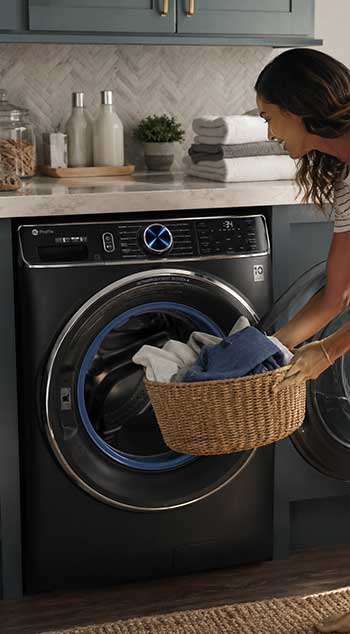
- Build and Ownership Background: GE Appliances now belongs to Haier, which brings global manufacturing muscle and modern engineering. You see this in how GE incorporates fresh ideas from international design teams while keeping strong American market knowledge. Whirlpool remains an independent American company with deep roots in Midwest manufacturing traditions. This difference shows up in parts availability and service networks—you might find Whirlpool technicians more familiar in certain regions of the country. Over years of ownership, this can affect how quickly you get repairs done and how much those repairs cost.
- Design Philosophy: GE pushes innovation with sleeker interfaces, advanced sensors that automatically adjust water levels, temperature, and agitation based on what you throw in the drum. Whirlpool focuses on straightforward, dependable performance that gets clothes clean without requiring you to learn a new system every few years. I like that Whirlpool feels familiar even after a decade, while GE keeps surprising me with new ways to make laundry less tedious.
- Capacity and Drum Design: GE often gives you bigger drums that handle bulky items like king-size comforters, heavy winter coats, or multiple sets of bed sheets in one go. This means fewer loads on busy weekends. Whirlpool balances capacity with gentle fabric care, using well-tuned impellers in top loaders or carefully designed drums in front loaders that protect delicates while still tackling dirt. For a family with kids who destroy clothes fast, these nuances matter a lot.
- Energy Efficiency: Both brands earn solid Energy Star ratings, but Whirlpool sometimes wins on lower long-term operating costs in real-world tests because many models optimize water usage extremely well. GE counters with faster cycles that save you time and still deliver strong results, especially when you pair them with high-efficiency detergents. Over five to seven years, these small differences add up in your monthly utility bill.
- Noise Levels: GE models with better balancing systems and advanced suspension run noticeably quieter during high-speed spins, which matters if your laundry room sits near bedrooms or living areas. Whirlpool can vibrate more on uneven floors unless you level it perfectly, but newer models have improved significantly in this area. I have tested both in showrooms and noticed GE feels more apartment-friendly.
- Control Panels: GE offers intuitive touchscreens, voice compatibility, and app integration that feel genuinely premium and modern. You get cycle customization that adapts to your schedule. Whirlpool keeps physical knobs and buttons that older family members or anyone who dislikes complicated gadgets really appreciate. There is real comfort in twisting a dial instead of hunting through menus.
- Warranty and Support: Standard warranties look similar on paper—one year labor and parts—but extended options and local service quality differ by location. I always recommend checking coverage in your specific area because a great machine becomes frustrating fast if service is slow. Real user experiences show Whirlpool often has broader dealer networks in smaller towns.
- Cycle Variety and Customization: GE tends to pack more specialized cycles for everything from athletic wear to baby items. Whirlpool offers practical, proven cycles that cover 90 percent of your needs without overwhelming choices.
- Aesthetic and Finish Options: GE frequently provides more color and finish choices that match contemporary kitchens and laundry spaces. Whirlpool sticks to classic whites, blacks, and chromes that blend into most homes without drawing attention.
- Long-Term Durability Focus: While both can last well over a decade with care, their approaches differ—GE bets on electronic sensors and smart systems, Whirlpool bets on mechanical simplicity in many entry-level models.
Key Features of GE Washing Machines
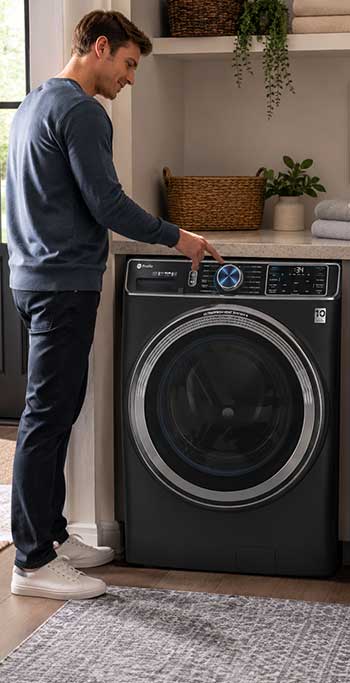
- UltraFresh Vent System: This keeps the door gasket and drum fresh by actively venting moisture after cycles, seriously reducing that musty smell many front loaders develop over time. For anyone who hates opening the machine to a sour odor, this changes everything.
- Smart Dispensing Technology: The machine senses load size and automatically releases the right amount of detergent and softener. No more guessing or wasting product.
- High Spin Speeds: Many models reach 1,300 RPM or higher, which pulls out so much water that your dryer finishes the job quicker and uses less energy. This feature alone saves noticeable time and money.
- Sanitize Cycles with Steam: Uses high heat or steam to kill bacteria and allergens—perfect for families with young kids, elderly members, or anyone dealing with allergies or sensitive skin.
- Wi-Fi Connectivity and App Control: Start, pause, or monitor cycles from your phone. Get notifications when laundry is done so you never forget a load sitting wet for hours.
- Customizable Wash Options: Multiple soil levels, precise temperature controls, and specialized cycles for delicates, towels, jeans, or heavily soiled work clothes. You can truly tailor each load.
- Large Capacities: Drums that swallow big household loads easily, ideal for large families or people who prefer doing laundry once a week.
- Quiet Operation with Vibration Control: Advanced balancing and suspension systems keep noise and shaking to a minimum even during intense spins.
- Odor Control Technologies: Antimicrobial treatments on gaskets and drums help fight mold and bacteria buildup long-term.
- Energy-Saving Modes and Quick Wash: Eco cycles and fast options that still clean effectively when you are in a hurry.
- Self-Clean Cycles: Makes maintenance straightforward so the machine stays fresh with minimal effort from you.
- Steam Refresh Options: Revive lightly worn clothes without full washing, saving water and time.
I appreciate how GE thinks ahead about daily frustrations. These features add up to make laundry feel less like a chore and more like something your home handles smoothly.
Pros And Cons of GE Washing Machines
Pros:
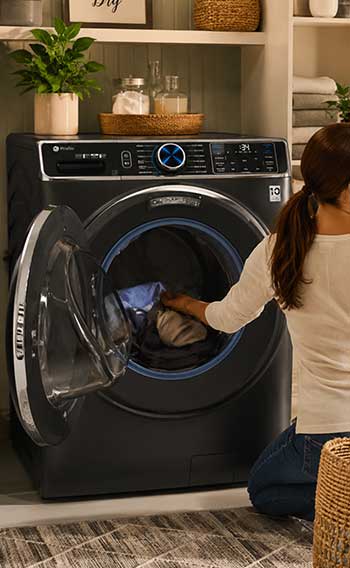
- Innovative features that actually solve common pain points like persistent odors, long drying times, and forgotten wet loads.
- Excellent performance with bulky and large loads that would require splitting in smaller machines.
- Strong cleaning power thanks to steam penetration that reaches deep into fabrics.
- Modern, premium aesthetics that upgrade the look of your laundry room instantly.
- Faster spin extraction that noticeably shortens overall laundry time.
- Convenient app integration for busy professionals and parents who juggle many tasks.
- Reliable sanitize settings that provide real peace of mind with hygiene.
- Solid build quality especially noticeable in mid-to-higher tier models.
- Wide variety of cycles that handle everything from gym clothes to delicate silks.
- Impressive water extraction that reduces dryer energy use and wear on fabrics.
- Regular software updates on smart models that can improve performance over time.
- Good at handling mixed loads without ruining different fabric types.
- Strong focus on allergy-friendly options with extra rinse and steam.
Cons:
- Higher price tag particularly on models loaded with all the latest technology.
- Some owners experience more electronic glitches after several years compared to simpler machines.
- Replacement parts can run more expensive due to the corporate ownership change.
- Front loader models still require attention to maintenance even with the vent system if you skip recommended cleanings.
- Noticeable learning curve if you prefer completely basic controls.
- Occasional loud operation when loads become unbalanced despite sensors.
- Warranty claims process sometimes feels slower depending on your local service availability.
- Premium cycles can use more power and water than basic settings.
- Not every single model matches the legendary toughness of older GE units.
- Availability of specific parts can vary more by region than with domestic-focused brands.
- Touchscreen interfaces occasionally frustrate users with wet hands.
- Higher upfront investment that takes longer to feel worth it for small households.
Key Features of Whirlpool Washing Machines
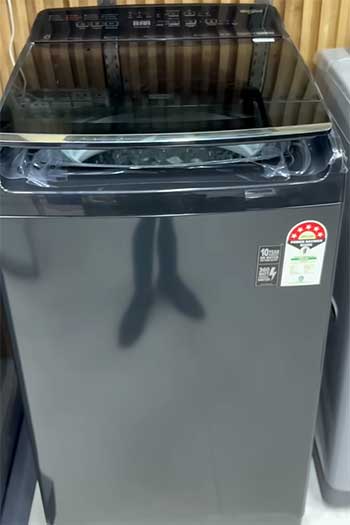
- Load & Go Dispenser: Holds a large supply of detergent for up to 20-30 loads so you spend less time refilling.
- Steam Cycles for Tough Stains: Loosens dirt effectively without forcing you to pre-treat every single item by hand.
- Impeller Design in Top Loaders: Provides gentle yet thorough cleaning that is easier on clothes than traditional agitators.
- Deep Water Wash Options: Lets you choose extra water for heavily soiled items when you want that full immersion feel.
- ColorLast Cycle: Specially designed to keep your colored clothes looking bright and new for many more washes.
- Smooth Glide Drawers and Storage: Practical, easy-to-access compartments that make loading supplies convenient.
- Strong Energy Efficiency Ratings: Many models use minimal water and electricity while still performing well.
- Quiet Wash Systems: Improved insulation and balancing that keep noise levels reasonable.
- Automatic Fabric Softener Dispenser: Reliable and timed correctly so softener works at the right moment.
- Bulky Items Cycle: Handles blankets, jackets, and pillows without tangling or leaving them half-washed.
- Delay Start and End-of-Cycle Signals: Practical scheduling tools that fit real life.
- Easy-to-Clean Filters: Accessible spots that help maintain performance with simple routine care.
Whirlpool consistently focuses on features that remove small daily annoyances rather than adding complexity.
Also Read: My Experience With Speed Queen TR5 Washer.
Pros And Cons of Whirlpool Washing Machines
Pros:
- Generally more affordable across the board, letting you get solid performance without stretching your budget.
- Strong reputation for everyday reliability and machines that keep running year after year.
- Simple, intuitive controls that every member of the family can operate without instructions.
- Outstanding value because you receive dependable cleaning without paying for unused bells and whistles.
- Widespread availability of reasonably priced parts and knowledgeable service technicians.
- Effective, consistent cleaning results using straightforward mechanical action.
- Solid customer support and warranty experiences reported in many parts of the country.
- Lower overall operating costs that benefit budget-conscious households over time.
- Consistent performance quality even in their entry-level and mid-range lines.
- User-friendly maintenance routines that do not require technical knowledge.
- Good balance of capacity and gentleness that protects everyday clothing.
- Proven track record that gives confidence when buying.
- Many models still use classic designs that feel comforting and familiar.
Cons:
- Fewer advanced smart features unless you choose higher-priced models.
- Spin speeds that sometimes leave clothes wetter than GE counterparts, meaning longer dryer time.
- Less aggressive focus on built-in odor prevention technologies in standard front loaders.
- Exterior designs that can look a bit more basic or dated next to sleeker options.
- Drum capacities that occasionally feel smaller than flagship GE equivalents.
- Fewer specialized high-heat sanitize choices in base and mid-tier machines.
- Potential vibration on certain top load models if the floor is not perfectly level.
- Limited depth in app control and voice features for non-premium versions.
- Some wash cycles take noticeably longer to finish compared to faster GE options.
- Slower pace of radical innovation in recent model years.
- May require occasional manual adjustments for optimal results on tricky loads.
- Fewer premium aesthetic finishes available at lower price points.
Which Brand Fits Your Lifestyle Better?
I look at my own laundry habits when deciding. If you have a big family, love technology, want maximum convenience, and need strong odor control plus big capacity, GE often comes out ahead.
If you want dependable performance without overspending and prefer machines that just work simply for years, Whirlpool feels like the safer, more practical everyday choice.
Both brands handle real-life messes well when you match the specific model to your space, water hardness, and usage patterns. Consider whether you prefer top load or front load, your total budget including installation, and how much you actually value smart connectivity.
Visit stores to test them in person. Open the lids and doors, spin the drums by hand, try the buttons, and imagine coming home tired after work to load them. Picture the noise during evening cycles and the space they will occupy.
These real sensations often tell you more than any spec sheet.
Also Read: My Experience With Speed Queen TR7 Washer.
Frequently Asked Questions (FAQ)
No single brand dominates every survey, but Whirlpool, LG, and Speed Queen often rank high for longevity and low repair rates. Your choice depends on model and maintenance.
Many owners mention issues with not spinning or draining properly, often tied to sensor or pump problems, plus occasional leaking.
Drainage troubles and vibration during spin cycles appear frequently, usually fixable with leveling or filter cleaning.
No. Whirlpool operates independently, while GE Appliances is owned by Haier. They remain separate competitors.
Final Thoughts
I have walked you through everything I wish I knew before buying my last washer. GE brings exciting technology and big capacity that makes laundry days smoother for busy homes.
Whirlpool delivers trusted reliability and better value that takes the stress out of daily routines. You now have the details to match one to your family’s real needs. Think about your priorities—features versus simplicity, upfront cost versus long-term satisfaction—and choose accordingly.
Both brands can serve you well when you pick the right model and take basic care of it. Go visit showrooms, read recent reviews for the exact models you like, and trust your gut on which one feels right.
Your future self will thank you every time you toss in a load and walk away confident it will handle the job.