
As a cat parent who’s juggled feeding schedules, picky eaters, and grocery budgets for years, I know how overwhelming it gets standing in the pet aisle comparing cans.
Friskies and Fancy Feast both come from the same big Purina family, yet they feel different in the bowl and on the wallet.
What I want to share with you is a clear, practical side-by-side look at how these two popular wet foods actually perform for real cats—so you can choose what keeps your companion healthy, happy, and excited at mealtime without second-guessing every purchase.
| Aspect | Friskies | Fancy Feast |
| Positioning | Everyday budget adventure, wide appeal | Slightly more refined gourmet feel |
| Typical Price (5.5 oz can) | $0.50–$0.70 | $0.60–$0.90 |
| Common First Ingredients | Meat by-products, water, chicken or liver | Often named meat (chicken/turkey/salmon) first in pates, then broth and by-products |
| Protein (as-fed, typical wet) | 9–11% | 9–12% (higher in many classic pates) |
| Carb Load | Medium to higher in gravy and shreds lines | Lower in classic pates; higher in some gravies |
| Thickeners | Carrageenan common in many recipes | Often guar gum or similar; many lines avoid carrageenan |
| Textures Available | Pate, shreds in gravy, extra gravy chunky, prime filets | Classic pate, grilled in gravy, chunky, medleys, some naturals lines |
| Variety | Extremely broad flavor and format range | Strong but more focused gourmet combinations |
| Best For | Multi-cat homes, tight budgets, cats who love gravy | Picky eaters, cats needing lower-carb options, single or small households |
| Overall Independent Rating (cats.com style) | C grade (strong palatability, more fillers) | B- grade (better species fit in pates, cleaner in some lines) |
Key Differences Between Friskies And Fancy Feast
- Brand Positioning and Everyday Reality

Friskies markets itself as the fun, no-fuss choice that turns every meal into a little adventure.
You see it in the bright packaging and the sheer number of options screaming “try me.”
It targets households that want reliable nutrition without premium markups, especially when you’re feeding several cats or rotating through different textures to keep things interesting.
Fancy Feast, on the other hand, leans into a more upscale “dinner is served” vibe.
The cans feel a touch more special, and the branding suggests a refined dining experience even though both sit in the same mass-market price tier.
In practice this means Friskies often wins on pure volume and accessibility while Fancy Feast gives you that small psychological lift when you pop the lid.
- Ingredient Sourcing and What Actually Ends Up in the Can
Both rely heavily on meat by-products—those nutrient-dense organ and tissue parts that many nutritionists say are perfectly fine for cats.
The difference shows up in how often named muscle meat appears first and how much plant material sneaks in for texture or cost.
Friskies recipes frequently list meat by-products or poultry by-products right after water, followed by wheat gluten, corn starch-modified, or soy flour in gravy styles.
Fancy Feast classic pates more often lead with a specific meat like chicken or salmon, then move to liver and by-products. That said, both still use vague “liver” or “fish” later in the list, so you never get full transparency on exact sourcing.
The practical takeaway: Fancy Feast pates generally deliver a slightly higher proportion of recognizable animal content and lower overall carbohydrates on a dry-matter basis.
- Carbohydrate Content and Why It Matters for Your Cat
Cats are obligate carnivores, so excess carbs from thickeners and fillers can contribute to weight gain or blood-sugar swings over time.
Friskies gravy and extra-gravy lines tend to run higher here because modified starches and wheat gluten help create that thick, lickable sauce cats adore.
Classic Fancy Feast pates keep carbs noticeably lower in many recipes—sometimes under 10-11% on a dry-matter calculation—making them a smarter daily pick if your cat is indoor-only, a little chunky, or has shown sensitivity to higher-carb meals.
Gravy versions of Fancy Feast close the gap, so texture choice inside the brand matters almost as much as brand choice itself.
- Texture Variety and Real-World Palatability

Friskies explodes with options: smooth pates, tender shreds swimming in extra gravy, chunky bits, even prime filets.
This range shines in homes with multiple cats who each have their own weird preferences or when you want to rotate flavors aggressively to fight boredom.
Fancy Feast counters with its own strong lineup—silky classic pates, grilled strips in light gravy, chunky medleys, and the cleaner Gourmet Naturals sub-line that drops artificial colors and flavors.
In my experience the pate formats from both brands tend to get eaten fastest, but Fancy Feast’s grilled and medley textures sometimes tempt the truly finicky eaters who turn their noses up at anything too uniform.
- Additives, Thickeners, and the “Clean Enough” Question
Friskies leans on carrageenan in quite a few recipes for that signature gel texture; some cats handle it fine while others show softer stools or occasional tummy grumbles.
Fancy Feast classic lines often skip carrageenan entirely, relying instead on guar gum or locust bean gum. Both brands use artificial flavors and, in some cases, added colors (though newer Friskies batches have reduced some dyes).
The Gourmet Naturals and Purely sub-lines from Fancy Feast push further toward “no artificial colors or flavors” and no corn or soy in certain recipes, giving you an easy upgrade path inside the same brand if you want to experiment without jumping to an entirely different company.
- Price per Serving and Long-Term Budget Math
Friskies almost always undercuts Fancy Feast by a noticeable margin—sometimes 15-25 cents per can depending on retailer and sales.
For a single cat that difference feels small, but scale it to three or four cats fed twice daily and you’re looking at real monthly savings.
Fancy Feast’s higher price buys you the perception (and sometimes the reality) of slightly better ingredient ratios in the pates plus the nicer textures picky cats actually finish.
Many owners I’ve talked to land on a hybrid approach: Friskies as the everyday base and Fancy Feast pates as the occasional upgrade or rotation piece.
- Suitability for Specific Health or Lifestyle Needs
Both deliver complete and balanced nutrition meeting AAFCO standards with added taurine, vitamins, and minerals.
The edge goes to Fancy Feast pates when you’re managing weight or simply want lower carbs. Friskies shines when hydration is the top priority (all wet food helps here) and you need maximum flavor variety to keep a bored or multi-cat household engaged.
Neither is a therapeutic diet, so if your vet has flagged urinary crystals, kidney concerns, or allergies you’ll still want tailored advice rather than relying on either line alone.
Key Features of Friskies Wet Cat Food

- Massive Flavor and Format Selection You can grab everything from classic turkey & giblets pate to shredded chicken in savory gravy, extra-gravy chunky tuna, prime filets, and even cheese or vegetable-accented varieties. This breadth makes it simple to rotate proteins and textures so your cat doesn’t get stuck in a rut, which is especially useful in households with several felines who all demand something different.
- High Palatability That Rarely Gets Refused The combination of strong aromas, gravy richness, and familiar by-product flavors hits the “cat-approved” button for the majority of eaters. Even seniors or cats recovering from illness often accept Friskies when other foods get ignored, reducing mealtime stress for everyone involved.
- Strong Moisture Content for Daily Hydration Most recipes sit around 78-82% moisture. That extra liquid supports urinary tract health and helps cats who don’t drink enough from the bowl—something every vet will tell you matters more than we sometimes realize until a problem appears.
- Budget-Friendly Complete Nutrition You get added taurine, balanced minerals, and vitamins in every can without paying specialty prices. For multi-cat homes or anyone stretching a dollar while still offering wet food daily, this reliability adds up fast.
- Easy Availability and Portion Options Sold almost everywhere in single cans, variety packs, and larger cases. The 5.5 oz and 13 oz sizes let you match serving size to your cat’s appetite without waste.
Pros of Friskies

- Exceptional affordability lets you feed wet food more often When wet food becomes the everyday meal instead of a rare treat, your cat gets consistent hydration and protein without you feeling the pinch. That alone can improve coat shine, energy, and litter box habits over time.
- Huge variety keeps even picky or bored cats interested Rotating between pate, shreds, and extra-gravy formats plus dozens of flavor combos means you can experiment until you find the handful your cat demolishes every single time.
- Highly palatable for fussy eaters and multi-cat homes The strong smell and gravy appeal often wins over cats who turn away from drier or blander foods. In households with different personalities at the bowl, having one brand that most of them accept simplifies life.
- Complete and balanced with added taurine and vitamins You’re not sacrificing basic nutritional requirements. Many cats maintain healthy weight, muscle tone, and regular digestion on Friskies for years when portions are controlled.
- Widely available in convenient packaging No special ordering or store-hopping required. Variety packs make trial-and-error affordable and low-risk.
Cons of Friskies
- Heavy use of meat by-products and vague naming While by-products themselves are nutritious, the lack of specificity and the volume used in many recipes means you have less visibility into exact protein sources compared with foods that lead with named muscle meat.
- Higher carbohydrate levels in gravy and shreds lines Modified starches and wheat gluten push carbs upward. For cats prone to weight gain or blood-sugar sensitivity this can become a long-term consideration even if the food remains complete.
- Carrageenan appears in quite a few recipes Some cats tolerate it without issue; others experience softer stools or occasional digestive sensitivity. Checking the specific can label before buying in bulk helps.
- Artificial flavors and occasional colors These are regulated and present in tiny amounts, yet many owners prefer minimizing them when possible, especially for long-term daily feeding.
- Not the lowest-carb or cleanest option available If your cat has specific health goals around weight or you simply want to move toward fewer fillers, Friskies gravy styles may not be the daily driver you end up keeping.
Also Read: Differences Between Nexgard Combo And Frontline Plus For Cats.
Key Features of Fancy Feast Wet Cat Food
- Often named meat as the first ingredient in classic pates Chicken, turkey, or salmon frequently leads the list, giving a clearer sense of primary protein before moving into broth and by-products. This small shift feels meaningful when you’re reading labels side by side.
- Lower carbohydrate profiles in many pate recipes Classic pates regularly land in a more species-appropriate range, supporting steadier energy and easier weight management for indoor or less-active cats.
- Multiple texture options with a gourmet slant From silky pates to grilled strips in light gravy and medley-style mixes, the formats feel a notch more intentional. The Gourmet Naturals and Purely sub-lines add cleaner-ingredient choices inside the same brand family.
- Strong aroma and taste that tempts picky eaters Many cats who walk away from other wet foods still dive into Fancy Feast, especially the grilled and medley textures. That reliability reduces food waste and mealtime battles.
- High moisture plus added nutrients in every can Taurine, vitamins, and minerals are standard. The 3 oz single-serve cans make portion control simple for one or two cats.
Pros of Fancy Feast
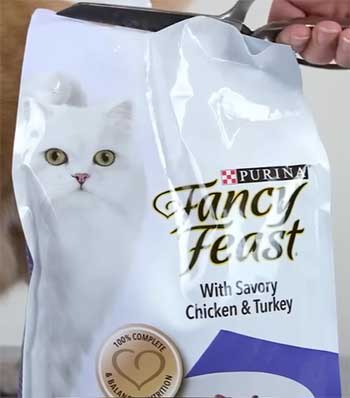
- Slightly better ingredient ratios in pate lines More named meat up front and lower carbs in many classic recipes translate to better muscle support and easier weight control for cats who need it.
- Often avoids carrageenan in favor of other thickeners This detail matters to owners monitoring gut sensitivity. The switch to guar gum or similar in many recipes gives peace of mind without sacrificing texture cats enjoy.
- Excellent palatability for selective or senior cats The refined flavors and varied textures frequently succeed where other foods fail, keeping even finicky eaters eating consistently.
- Cleaner sub-lines available (Gourmet Naturals, Purely) If you want to step up without leaving the brand, these options drop artificial colors and flavors and sometimes corn or soy, offering an easy internal upgrade path.
- Portion-controlled 3 oz cans reduce waste Perfect for single-cat homes or when you’re rotating proteins and don’t want leftovers sitting in the fridge.
Cons of Fancy Feast
- Higher price per can adds up quickly with multiple cats The premium positioning means you pay more for that extra named-meat emphasis and lower-carb pates. Budget-conscious multi-cat households often feel the difference fast.
- Still contains by-products and some artificial ingredients in classic lines You’re not getting a fully “clean” food across the board. Some recipes still include vague liver or fish later in the ingredient list and added colors.
- Smaller standard can size The 3 oz portions work great for one cat but can feel inefficient or expensive when feeding several hungry mouths twice a day.
- Gravy versions lose the low-carb advantage If you or your cat prefer the saucier textures, the carb benefit shrinks and you’re closer to Friskies territory on that metric.
- Slightly higher risk of flavor boredom over very long periods The more curated flavor profiles can sometimes feel repetitive compared with Friskies’ broader rotation options, though variety packs mitigate this.
Also Read: Comparison of Revolution And Revolution Plus.
Frequently Asked Questions (FAQ)
No. Both come from Purina, but they are separate product lines with different positioning, pricing, and recipe approaches. Fancy Feast generally offers a more refined feel and often better ingredient ratios in its pates, while Friskies focuses on broader variety and lower cost.
Many vets consider it an acceptable everyday option for healthy cats when budget or palatability is a concern. Recommendations always depend on your individual cat’s health profile, so discuss specific needs with your vet rather than relying on brand reputation alone.
It delivers complete and balanced nutrition and works well for countless cats. The higher use of by-products and carbs in some lines means it may not be ideal as the sole long-term food for cats with weight or blood-sugar sensitivities—monitor your cat’s response and consult your vet if you have concerns.
The healthiest choices generally feature high named-meat content, very low carbohydrates and fillers, minimal unnecessary additives, and appropriate moisture. Premium or limited-ingredient brands often score higher on independent analyses, but the absolute best food is the one your cat eats consistently, digests well, and that fits your budget and vet guidance.
Final Thoughts
After this comparison, you now have a clear view of how Friskies and Fancy Feast stack up on nutrition, taste, cost, and real-world results. I created it to help you pick what fits your cat and your life.
Watch how your own cat responds at the bowl and how they do overall—that’s what matters most.