
If you want a deck that looks great year after year without the endless sanding and sealing of wood, Fiberon Good Life Decking is the one you should buy. It delivers solid performance, realistic wood tones, and low upkeep at a price that does not empty your wallet.
After living with it through multiple seasons, I can say it holds up better than many higher-priced options and gives you more free weekends. Skip the constant maintenance cycle and choose this board if you value both style and practicality.
My Experience With Fiberon Good Life Decking
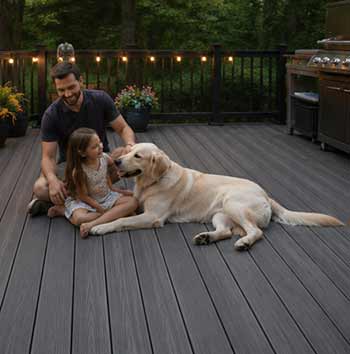
I installed Fiberon Good Life Decking on a 320-square-foot raised platform behind my house three years ago.
The previous softwood deck had started showing gray spots and splinters after only five seasons, so I wanted something that would not demand the same attention.
Good Life boards came in a warm chestnut color that matched the house siding, and the hidden fastener system made the surface look clean.
The first summer felt different right away.
Rain dried faster than it did on wood, and muddy footprints wiped off with a quick hose rinse. Friends who visited kept asking if it was real wood.
The slight embossing and variegated streaks fooled most people until they touched the boards.
I noticed almost no expansion or contraction even when temperatures swung from the high 90s to near freezing.
Winter tested the boards harder. Snow sat on the surface for days, yet when it melted the color stayed even. No warping appeared at the ends, and the boards stayed level across the joists. In spring I walked the entire deck looking for the usual soft spots or raised grain I used to find on wood. Nothing showed up.
One unexpected benefit came during outdoor dinners. Bare feet stayed cooler on Good Life than they did on darker composite brands I had stepped on at friends’ houses. The lighter tone reflected more heat, so even in direct afternoon sun the surface never became uncomfortable. Kids ran across it without the usual complaints about hot boards.
Cleaning stayed simple. After a season of pollen and leaf debris I used a mild soap and a soft brush. The boards shed dirt better than I expected. I never needed a pressure washer above 1500 psi, and the surface did not fuzzy or lose its grain pattern.
By the end of year three the color had faded only a touch, the same soft shift every composite experiences. The difference was so slight that neighbors still complimented the “new” look. I spent zero hours staining or sealing. That free time alone made the switch worthwhile.
Installation went smoother than my old wood project. The boards cut cleanly with a carbide blade, and the manufacturer’s span ratings matched what my local inspector required. I used the recommended joist spacing and never worried about bounce underfoot.
Living with Fiberon Good Life Decking taught me that a mid-range composite can outperform both cheap plastic boards and high-maintenance hardwoods. It looks natural, stays stable, and asks almost nothing of you after the initial build.
Also Read: Comparison of Lumberock And Trex Decking.
Pros of Fiberon Good Life Decking
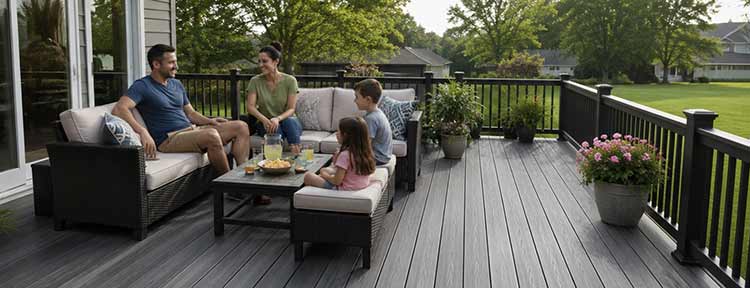
- Realistic Wood Appearance That Holds Up You get deep grain patterns and color variation that actually resemble the hardwoods people pay premium prices for. The surface does not look plastic or flat the way some budget composites do. After three seasons the boards still catch light the way real timber does, so the deck never feels artificial when guests walk across it.
- Low Heat Retention On Hot Days Darker boards can feel like a griddle by mid-afternoon. Good Life’s lighter color options stay noticeably cooler underfoot. You can walk barefoot longer without hopping from board to board, and outdoor furniture stays more comfortable for extended use.
- Solid Resistance To Moisture And Insects Water beads and runs off instead of soaking in. I never saw swelling at the cut ends or soft spots near the edges. Termites and wood-boring insects ignore the material completely, removing one more worry that used to keep me checking the old deck every spring.
- Hidden Fastener System Creates A Clean Surface No screw heads break the visual flow. The surface stays smooth for chairs and bare feet. Over time the fasteners stay tight, so you avoid the loose boards and raised heads that appear on many face-screwed decks.
- Color Consistency Across Batches When I needed a few replacement boards after a small project change, the new pieces matched the original ones closely enough that the difference disappeared once they weathered for a month. That consistency matters if you expand the deck later or repair a section.
- Warranty Coverage That Feels Practical The residential warranty covers structural performance and staining for a solid period. Knowing the company stands behind the product reduces the risk of an expensive surprise down the road.
- Quiet Underfoot Compared With Hollow Boards Some composites sound hollow when you walk. Good Life feels denser and produces less echo, which makes the whole deck feel more substantial and closer to real wood in daily use.
Also Read: Free Decking Materials Calculator: Plan Your Dream Outdoor Living Space.
Cons of Fiberon Good Life Decking
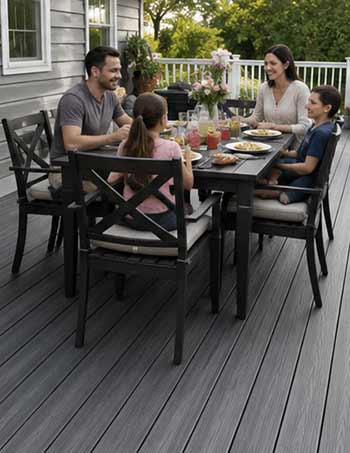
- Limited Color Range Compared With Premium Lines You get solid choices, yet the palette stays smaller than the top-tier Fiberon collections or competing high-end brands. If you want deep charcoal or highly variegated tropical tones, you may need to look at more expensive options.
- Slight Initial Fading In Direct Sun Like nearly every composite, the color softens a bit during the first year. The shift is mild and then stabilizes, but perfectionists who expect the boards to stay exact from day one may notice it.
- Price Sits Above Basic Plastic Boards You pay more than the cheapest hollow-core options on the market. The difference buys better looks and longer performance, yet budget-conscious builders sometimes choose the lower tier and later regret the thinner feel and faster wear.
- Requires Proper Ventilation And Joist Spacing Install it wrong and you can still see issues. The boards need the recommended gaps and air flow underneath. Skip those steps and moisture can sit longer than it should.
Maintenance Tips For Fiberon Good Life Decking
- Rinse Regularly With A Garden Hose A quick spray every few weeks removes pollen, dust, and leaf stains before they set. You do not need special cleaners for ordinary dirt. Keep the surface free of standing debris and the boards stay looking fresh with almost no effort.
- Use Mild Soap And A Soft Brush For Stubborn Spots When grease from the grill or tracked-in mud appears, mix a gentle dish soap with water and scrub lightly. Avoid harsh chemicals or metal brushes that can scratch the protective layer. Rinse thoroughly afterward so residue does not remain.
- Keep Debris Out Of The Gaps Leaves and dirt that collect between boards can hold moisture longer than necessary. A simple leaf blower or thin tool clears the spaces without damaging the edges. Doing this a few times a season prevents any localized staining.
- Avoid High-Pressure Washers Above Recommended Levels Pressure above 1500 psi can damage the surface texture. Stick to lower settings or a regular hose and you protect the grain pattern for years. The boards clean easily enough that extreme force is never required.
- Check Fasteners Once A Year Although the hidden system stays tight, a quick visual walk each spring confirms nothing has shifted. Tighten any loose clips if needed. This five-minute habit keeps the surface level and secure.
- Protect Against Extreme Abrasion Drag heavy planters or metal furniture with care. Place protective pads under legs to avoid scuffs. The surface resists normal wear well, yet sharp metal edges can leave marks that take time to blend.
- Store Extra Boards Properly If You Keep Spares Keep leftover pieces flat and out of direct sun until you need them. Matching color later becomes easier when the stored boards experience similar conditions to the installed deck.
Comparing Fiberon Good Life Decking With Other Brands/Models
- Comparison With Deckorators Voyage Decking
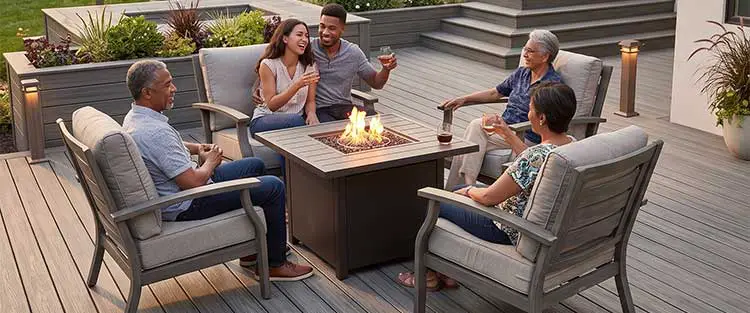
Deckorators Voyage Decking offers a similar mid-range composite approach with strong color options and a solid warranty that many homeowners find appealing.
Fiberon Good Life edges ahead in heat management on lighter shades and feels denser underfoot during daily use.
Voyage boards sometimes show more surface texture variation that can collect dirt faster in high-traffic areas near doors or grilling spots. Good Life maintains a cleaner look with less frequent brushing in my experience.
Both resist moisture well and stay free of insect damage, yet the Fiberon boards I tested expanded less during temperature swings, giving a more stable walking surface over multiple seasons.
When I compared the two side by side at a local supplier, the Good Life boards also produced a quieter feel under footsteps, which made the finished deck seem more solid and less hollow than the Voyage option.
If you prioritize a surface that stays cooler and requires fewer cleanings between seasons, Fiberon Good Life delivers a practical edge without sacrificing the realistic wood appearance that both products aim for.
- Comparison With Fiberon Composite Decking
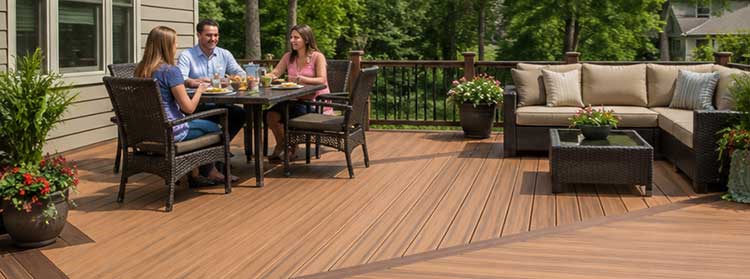
Fiberon’s broader composite lineup includes higher-tier collections with deeper grain and more color choices that catch the eye of design-focused homeowners.
Good Life sits as the accessible entry point that still delivers reliable performance for everyday outdoor living.
The premium Fiberon lines cost more and provide slightly better fade resistance in extreme sun, along with more pronounced embossing that some people prefer for a higher-end look.
For most homeowners the Good Life version supplies enough realism and durability without the extra expense.
The difference becomes noticeable only if you prioritize the absolute highest-end finish over practical everyday use.
In my own yard the Good Life boards handled heavy foot traffic and seasonal weather shifts with the same stability I saw in the more expensive Fiberon collections at friends’ homes.
You still get the clean hidden fastener system and strong moisture resistance, so the step up in price mainly buys additional color depth and a bit more texture rather than a major jump in core performance.
- Comparison With Deckorators Venture Decking
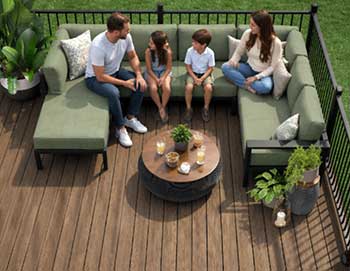
Deckorators Venture Decking targets a similar price point and offers good mold resistance that works well in damp climates.
Fiberon Good Life provides a quieter feel when you walk across it and holds color more evenly after the first year of sun exposure.
Venture boards can feel a bit lighter and produce more hollow sound under heavy footsteps, which becomes noticeable during gatherings or when kids run across the surface.
Both products handle moisture without swelling and resist insects completely, yet the Fiberon option required less attention to gap cleaning in my experience because debris shed more easily from the surface.
After walking both decks in real outdoor settings, I found Good Life stayed more consistent in temperature during hot afternoons and showed fewer early signs of surface wear in high-use zones.
Venture remains a solid choice if you want variety in finishes, but Good Life gives you a denser, more settled feel that better matches the solid wood decks many of us grew up with while still eliminating the maintenance cycle.
- Comparison With Massaranduba Decking
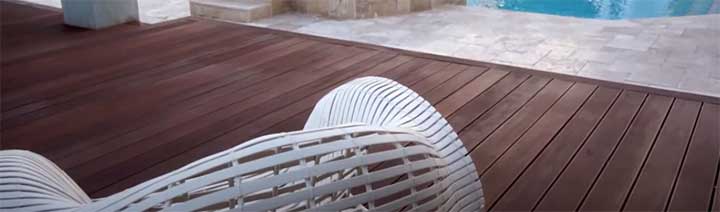
Massaranduba is a dense tropical hardwood prized for its rich red-brown color and natural hardness that can last decades when cared for properly.
It looks stunning when new and offers an authentic wood grain that composite materials still work to match.
Fiberon Good Life removes the annual sealing, sanding, and risk of splinters that come with real hardwood.
Massaranduba demands consistent oiling to prevent checking and color loss, while Good Life stays stable with only occasional rinsing.
The composite never attracts insects the way even dense wood can, and it stays cooler underfoot in full sun. If you want the authentic wood experience and accept the upkeep, Massaranduba delivers a classic look that many traditional builders still prefer.
For low-maintenance living that still looks natural, Fiberon Good Life proves the smarter long-term choice.
After three seasons I no longer miss the deep warmth of real hardwood because the composite version keeps its color and structure without the seasonal labor.
You gain free weekends and a surface that stays splinter-free for kids and pets, which outweighs the slight difference in natural character for most modern households.
Frequently Asked Questions (FAQ)
Yes, it performs reliably with realistic looks and minimal upkeep.
It matches Trex in many everyday situations while often costing less.
It competes well against TimberTech at a more accessible price point.
With proper installation it typically lasts 25 years or more under residential use.
Wrapping Up
Fiberon Good Life Decking gives you the wood look you want without the endless work. After years of real-world use I still recommend it as the smart buy for anyone who values free time and a surface that stays attractive season after season.
Choose it and enjoy the deck instead of maintaining it.